Generation Beta: The First Generation Raised With AI
- Generation Beta includes individuals born between 2025 and 2039, marking a new demographic era.
- Unlike previous cohorts, these children will experience artificial intelligence and automation as a seamless part of daily life from infancy.
- Raised primarily by Gen Z and Millennial parents, Gen Beta will likely have stricter screen time limits and greater online privacy.
- While they will not experience the COVID-19 pandemic directly, its long-term societal shifts—like hybrid work and health awareness—will shape their world.

- Generation Beta: The first cohort to experience AI and advanced tech from birth
- A technological era with changes hard to imagine for older generations
- The aftermath of the COVID-19 pandemic will still be felt by Gen Beta 2025 babies
- New parenting trends: Generation Beta children will not be constantly exposed on social media
- Some experts criticize generational labels
Generation Beta: The first cohort to experience AI and advanced tech from birth
The year 2025 marks the beginning of a new demographic cohort: Generation Beta. The Generation Beta years span from 2025 to 2039, and this group will be defined by unique living conditions and values deeply intertwined with technological advancement, globalization, and post-pandemic societal shifts. Shaped by these emerging trends, their lives will differ significantly from those of previous generations.
Generation Beta is a continuation of the well-known generational classification that helps us understand how the experiences of different eras shape people's worldviews [1]. Previously, Millennials, Gen Z, and eventually Gen Alpha transformed the world, with the latter already marked by the influence of technology and artificial intelligence. However, Generation Beta will be the first for whom artificial intelligence (AI) and automation are not just novelties, but integrated into daily life as a given, observed from infancy [2].
Social researcher Mark McCrindle, who coined the term "Generation Alpha," emphasizes that while multiple generations are already closely tied to technological and cultural shifts, the children being born now will be vastly different.
Generation Beta will primarily be the children of Millennials and Generation Z. Both of these older cohorts experienced the rapid growth of technology and adapted to the realities of the digital world, but for their children, these shifts will be a natural part of everyday life. They will grow up in a world saturated with technology, which will undoubtedly influence both their childhood experiences and their overall perception of the world.
A technological era with changes hard to imagine for older generations
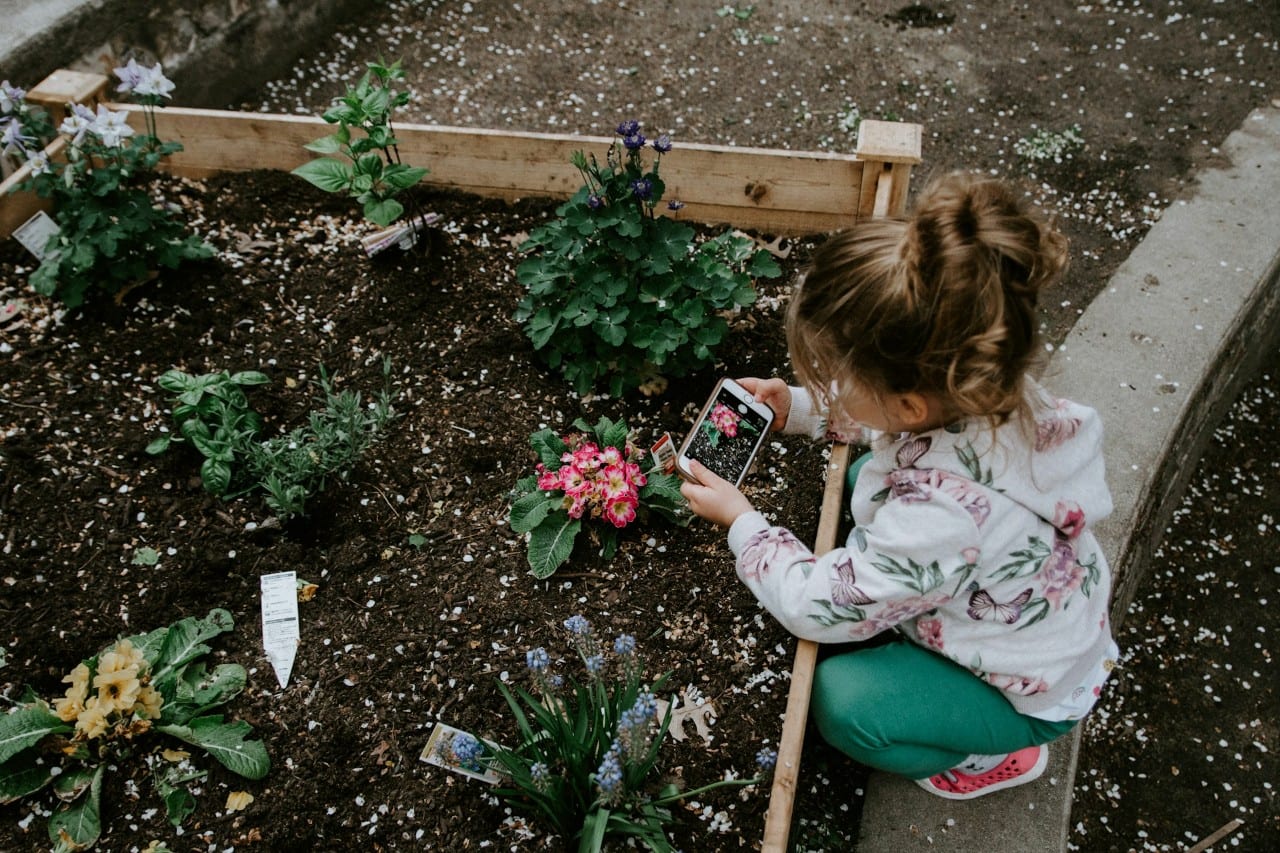
According to experts, Generation Beta will be the first for whom physical and digital realities become practically indistinguishable. They will experience innovations such as autonomous transport, wearable health monitoring technologies, and immersive virtual environments. Their learning, shopping, and social relationships will be shaped by AI algorithms that personalize these experiences.
While the latest, constantly evolving technologies will provide many new opportunities, they will also bring challenges. Gen Z parents, who are already limiting their own children's screen time and social media use, will likely try even harder to maintain a balance between the benefits of technology and its impact on children's mental health.
After all, Gen Z parents are well aware of the opportunities technology provides, but they also know its negative impacts, leading them to responsibly limit screen time for their children.
The aftermath of the COVID-19 pandemic will still be felt by Gen Beta 2025 babies

Generation Beta will be the first cohort born entirely after the COVID-19 pandemic. Although the pandemic itself will be a past event that these children never directly experienced, its aftermath will last for a long time. Social isolation, school closures, and the growing importance of digital communication have fundamentally changed societal behavior and priorities. The parents and older siblings of Generation Beta have already been affected by these shifts, which will undoubtedly shape the lives of this newest generation.
At the same time, Generation Beta will grow up in a society still dealing with the prominent consequences of the pandemic. This may include a greater focus on health, hybrid work and learning models, and a more cautious approach to socializing. What the COVID-19 pandemic did to the entire world cannot be erased in just a few years.
Furthermore, demographic shifts, such as the aging population in many countries around the world, will also impact the worldview of Generation Beta. It is highly likely that their parents' values, which often center on equality, tolerance, and similar aspects, will be reflected in Generation Beta as well.
New parenting trends: Generation Beta children will not be constantly exposed on social media

Gen Z parents, who grew up with social media, have a much better understanding of both its advantages and its drawbacks.
The long-standing parental habit of constantly sharing details of their children's lives on social networks—often called "sharenting"—is already facing significant criticism. During the pandemic, filming and showcasing children on social media surged, but an increasing number of children whose lives were publicly broadcast to the world are now reporting the negative consequences of such exposure.
Generation Beta will likely be the cohort for whom social media becomes much more restricted in terms of personal life, as parents will refuse to share their children's lives as widely as previous generations did. This trend could encourage a more mindful approach to personal privacy and digital content creation. This is a truly welcome change.
Some experts criticize generational labels

It is projected that by 2035, Generation Beta will make up about 16 percent of the global population. The members of this generation will not only live through rapid technological changes but will also be the first who might live to see the end of the 21st century. Their world will be not only more technologically advanced but also more socially complex.
However, even though generational classification provides a framework to analyze the lives of people from different periods, this system also faces considerable criticism. Some experts point out that such divisions are often too broad and do not always accurately reflect the experiences of all individuals. The diversity of people born over a 15- to 18-year period is simply too great to clearly generalize their outlook on life or core behavioral traits.
Despite this criticism, generational studies help identify the main trends and conditions that shape societal development. As a reminder, here are the primary generational cohorts:
- Silent Generation (1928–1945)
- Baby Boomers (1946–1964)
- Generation X (1965–1979)
- Millennials (1980–1994)
- Generation Z (1995–2009)
- Generation Alpha (2010–2024)
- Generation Beta (2025–2039)
Frequently asked questions
What are the Generation Beta years?
The Generation Beta years span from 2025 to 2039, immediately following Generation Alpha.
Generation Beta vs Alpha: How do they differ?
While Generation Alpha was introduced to early AI and smart devices during their childhood, Generation Beta will be the first to grow up with advanced, integrated AI and autonomous technologies as a completely natural and expected part of their environment from birth.
Log in to comment
No comments yet. Be the first.