How to Check if a Product Has Been Recalled (Food, Cars, Kids' Products)
- Four federal agencies cover most consumer recalls: FDA (food and beverages, drugs, supplements, cosmetics, medical devices, animal products), USDA FSIS (meat and poultry products), CPSC (household and children's products) and NHTSA (vehicles, tires, car seats).
- Each agency publishes its own recall list; for cars, the check is done by VIN at NHTSA.gov/recalls.
- Match the exact identifiers in the notice: UPC, lot or batch code, best-by dates, model number or establishment number.
- Each notice states the remedy, such as a refund, repair or replacement. Registering products and signing up for agency email alerts makes it harder to miss a recall.
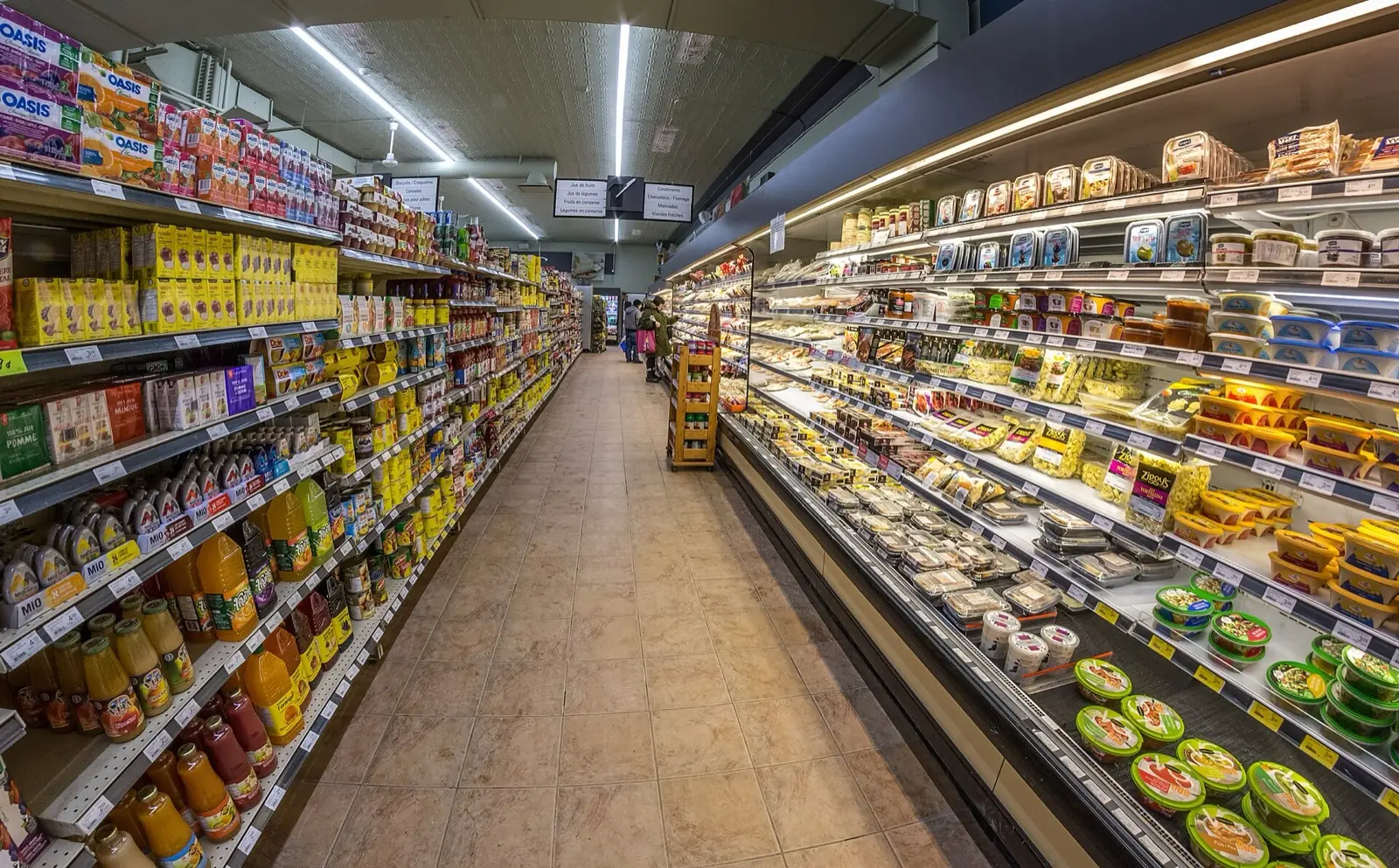
US agencies announce hundreds of recalls every year. In the first half of October 2026 alone they covered raw cheddar cheese and smoked salmon, baby bath seats, bed rails, hand warmers and a pre-workout supplement. Most get little news coverage, and the company that made the product often has no direct way to reach you. Checking takes a few minutes once you know which agency covers which product and which numbers to match. This guide explains the system and gives a routine you can repeat.
Which agency handles which recall
There is no single US recall authority. Responsibility depends on the product:
| Product | Agency | Where to check |
|---|---|---|
| Food and beverages, dietary supplements, drugs, biologics, cosmetics, medical devices, animal and veterinary products | FDA (Food and Drug Administration) | fda.gov/safety/recalls-market-withdrawals-safety-alerts |
| Meat and poultry products | USDA FSIS (Food Safety and Inspection Service) | fsis.usda.gov/recalls |
| Household and children's products: toys, cribs, furniture, appliances, e-bikes, chargers, clothing | CPSC (Consumer Product Safety Commission) | cpsc.gov/Recalls |
| Cars, trucks, motorcycles, tires, car seats, vehicle equipment | NHTSA (National Highway Traffic Safety Administration) | nhtsa.gov/recalls |
The split can be surprising: a car seat is checked at NHTSA, while a stroller, crib or high chair is a CPSC product. Food can sit with either FDA or USDA depending on what it contains, so for a food with meat or poultry check both lists.
Food recalls: how to check your kitchen
- Open the right list. Use the FDA list for most foods and the FSIS list for meat and poultry products. FoodSafety.gov also collects recalls and outbreaks in one place.
- Match the product exactly. Food recalls usually list brand, product name, package size, UPC (the number under the barcode), lot code and best-by or use-by dates. A recall for one lot does not mean every package of that brand is affected.
- For meat and poultry, compare the establishment number. FSIS notices list the establishment number printed on the affected packages.
- Check the freezer too. Frozen products can stay in a home long after the sale dates in a notice.
- Follow the instructions. Do not eat the product. Return it or throw it away as the notice says, and clean surfaces and containers that touched it.
What FDA recall classes mean
| Class | FDA definition (summarised) |
|---|---|
| Class I | Reasonable probability that use of or exposure to the product will cause serious adverse health consequences or death |
| Class II | May cause temporary or medically reversible adverse health consequences, or the probability of serious consequences is remote |
| Class III | Not likely to cause adverse health consequences |
| Market withdrawal | A minor violation that would not be subject to FDA legal action; the firm removes or corrects the product |
If someone in your home has a food allergy, pay close attention to "undeclared allergen" notices. In the first half of October 2026 alone, the FDA list included recalls for undeclared sesame in bread and in dips.
Car recalls: check by VIN
For vehicles, the reliable method is the Vehicle Identification Number (VIN).
- Find your Vehicle Identification Number (VIN). It is printed on your registration and insurance documents and on the vehicle itself.
- Enter it at nhtsa.gov/recalls. The lookup shows open recalls for that exact vehicle; a recall for your model may not apply to your specific car.
- If a recall is open, contact a dealer of your vehicle's brand or the manufacturer and follow the remedy in the notice.
- Read the notice for any instruction not to drive the vehicle or to park it outside, and follow it until the repair is done.
Tire and car seat recalls are also handled by NHTSA; have the brand, model and the identification details from the label or sidewall ready when you search.
Children's products and household goods
The CPSC announces new recalls each week; in October 2026 its batches came out on Thursdays (October 1, 8 and 15). Children's products make up a large share. Recent examples include bed rails, bath seats, magnetic toys, water-bead toys and dressers that can tip over.
- Search cpsc.gov/Recalls by product type, brand or retailer. Each notice gives the model number, where it is printed, the sale dates, the price range and the remedy.
- Return the registration card or register online for durable baby products such as cribs, strollers, high chairs and play yards, so the manufacturer can contact you directly if there is a recall.
- Check secondhand items before you buy or accept them, especially cribs, bed rails and car seats.
- Online purchases: many recent CPSC recalls involve products sold only on Amazon or Walmart.com under little-known brand names. Search the notice by product type and model number, not just by brand.
Batteries need extra care. Recalled lithium-ion devices can come with special disposal instructions. The CPSC notice for the HotHands rechargeable hand warmers, for example, says not to put them in the trash, curbside recycling or store battery drop-off boxes.
Medicines and medical devices
The FDA list covers drugs, dietary supplements and medical devices as well as food, and marks the product type for each entry. Recent examples include injectable drugs recalled for particulate matter and a pre-workout supplement recalled because it contained DMAA. Do not stop a prescription medicine on your own because of a recall headline. Ask your pharmacist whether your lot is affected.
How to read a recall notice in 60 seconds
| Look for | Why it matters |
|---|---|
| Identifier: UPC, lot, model number, VIN range, establishment number | Tells you whether your item is included |
| Dates: sold between, best-by, manufactured | Narrows the affected units |
| Where sold | Confirms the store or website you used |
| Hazard | Tells you how urgent it is: stop using now, or just be aware |
| Remedy: refund, repair, replacement | What the company offers and how to claim it |
| Contact | Company phone and website for claims |
For a worked example, see the Walmart Expert Grill brush recall. It covers five model numbers and is identified by the model number on the package tag.
Set up alerts so recalls find you
- FDA: email alerts for recalls, market withdrawals and safety alerts, available through the sign-up link on the FDA recalls page.
- USDA FSIS: check fsis.usda.gov/recalls for meat and poultry recalls and public health alerts.
- CPSC: recall emails, available at cpsc.gov/Newsroom/Subscribe.
- NHTSA: check your VIN at nhtsa.gov/recalls regularly, and keep your address current with the manufacturer so recall letters reach you.
- Retailers: keep your contact details current in store accounts and apps, so a store can reach you about a product you bought.
Reporting a problem
If a product hurt someone or nearly did, report it:
- Household and children's products: SaferProducts.gov or the CPSC hotline, 800-638-2772
- Vehicles, tires, car seats: NHTSA at nhtsa.gov
- Meat and poultry: USDA FSIS at fsis.usda.gov
- Other food, drugs, supplements, cosmetics: FDA at fda.gov
Keep the product and its packaging if you can, in case you are asked for details.
A five-minute monthly routine
- Run the VIN for each household vehicle at NHTSA.
- Look at the past month's CPSC recalls for baby, kids' and battery products.
- Look at the FDA and FSIS lists for brands in your fridge and freezer.
- Open any recall emails from stores you shop at.
- Before you buy anything secondhand for a child, search its model number.
Recent examples worth checking right now include the Dollar Tree electric balloon pump, which can overheat, and the products listed above. Following the remedy in the notice is the quickest way to remove the risk.
Frequently asked questions
Is there one website for all US recalls?
Not in practice. Recalls.gov links to federal agencies' recall pages, but each agency (FDA, USDA FSIS, CPSC, NHTSA) publishes its own list. For cars, the VIN lookup at nhtsa.gov/recalls checks your exact vehicle.
Do I need a receipt to get a refund for a recalled product?
It depends on the notice. Many CPSC recalls ask you to return the product to the store or to send the company a photo of the marked product and its model number; the remedy section of each notice says exactly what is required.
How do I get a car recall fixed?
Check your VIN at nhtsa.gov/recalls. If a recall is open, contact a dealer of your vehicle's brand or the manufacturer and follow the remedy described in the recall notice.
What do FDA recall classes mean?
Class I means a reasonable probability of serious adverse health consequences or death; Class II means temporary or medically reversible health consequences, or a remote probability of serious ones; Class III means the product is not likely to cause adverse health consequences.
What should I do with a recalled product I own?
Stop using it and follow the remedy in the notice. Do not pass it on to someone else, because the hazard goes with it.
Sources
- Recalls.gov: federal recall portal
- FDA: Recalls, Market Withdrawals, & Safety Alerts
- USDA FSIS: Recalls & Public Health Alerts
- CPSC: Recalls & Product Safety Warnings
- NHTSA: Check for recalls by VIN
- FDA: Recalls background and definitions
- CPSC: Contact information (hotline 800-638-2772)
- SaferProducts.gov: report an unsafe product
- FoodSafety.gov: Recalls and outbreaks
- Wikimedia Commons: Aisle in a supermarket (Wilfredor, CC BY-SA 4.0)
Log in to comment
No comments yet. Be the first.