Buying Lawn Seeds? The Details Most People Miss
- Selecting grass seed based solely on price or packaging often leads to a thinning lawn after harsh weather.
- Seed mixtures containing multiple grass species adapt better to uneven soil and fluctuating temperatures than single-variety seeds.
- Commonly used resilient grasses include perennial ryegrass, fescues, and Kentucky bluegrass (smooth meadow-grass).
- Avoid mixing different specialized seed blends, as varying growth rates and colors can result in an uneven, high-maintenance lawn.
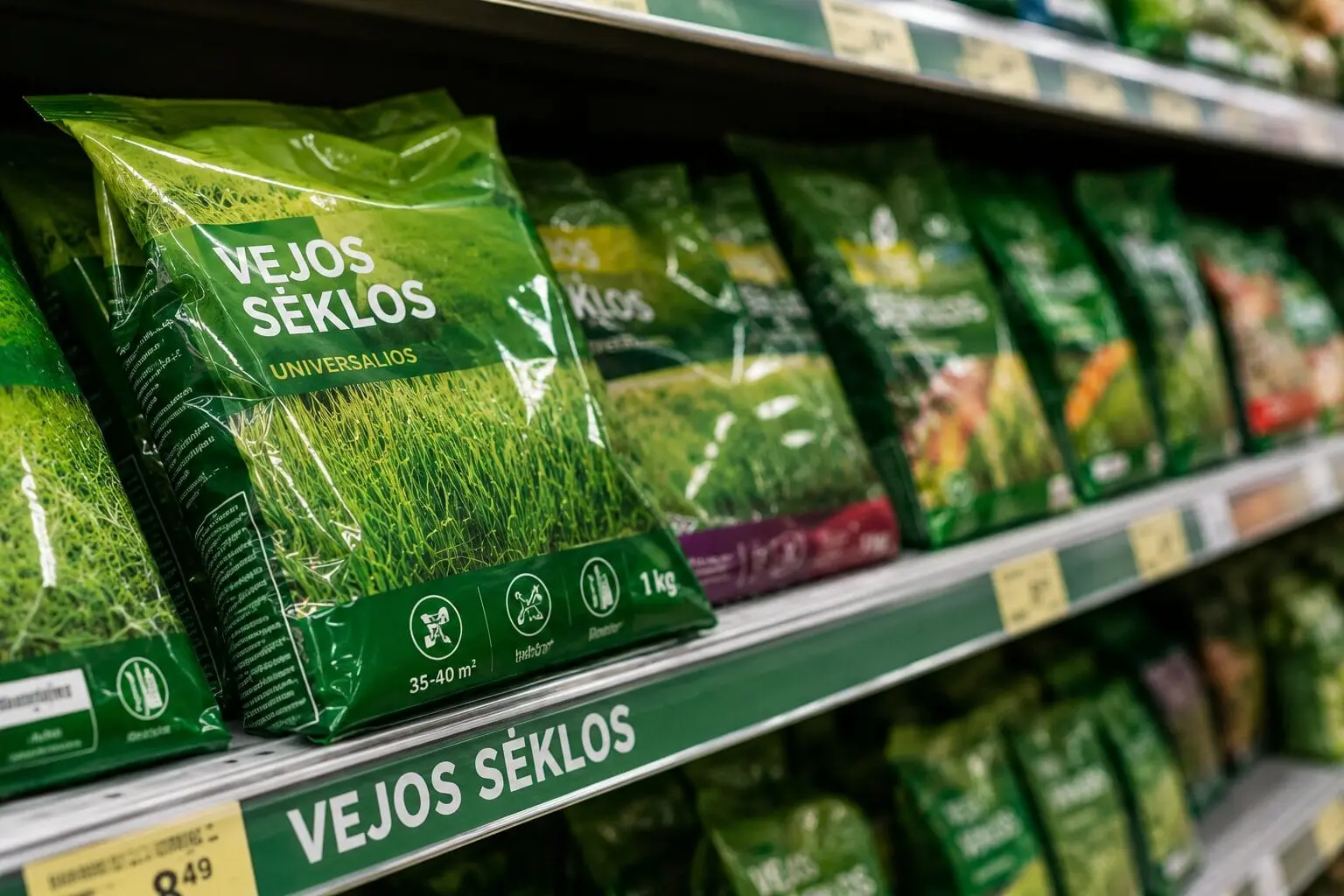
The Wrong Choice Can Cost You the Entire Lawn
Many people choose lawn seeds based on price or attractive packaging, but such a decision can be costly in the long run. According to landscape specialists and agronomists, improperly selected seeds often cause the lawn to thin out after its first winter, or in some cases, fail to survive altogether.
Before selecting grass seed, experts emphasize the importance of evaluating not just the desired look of the lawn, but the specific conditions of your yard. The market offers a wide variety of seeds designed for different purposes—decorative lawns, high-traffic areas, shady spots, or slow-growing turf. Because of this variety, there is no single universal solution [1].
Agronomists explain that lawn seeds are generally divided into pure seeds, consisting of a single plant variety, and mixtures, which combine several different species. Seed mixtures are currently among the most popular choices because they adapt much better to varying growing conditions and help prevent major turf losses after unfavorable winters.
"Their main advantage is that they are composed of various plants. A lawn grown from such mixtures overwinters much better: if one grass species cannot withstand the freezing temperatures, another will survive the cold, ensuring you still have a healthy lawn the following year," notes a landscaping expert.
Furthermore, these mixtures are much better equipped to handle uneven soil quality. If the soil is highly fertile in one part of the yard but poor in another, a combination of different grass species allows the lawn to grow more evenly and maintain a consistent, uniform appearance.
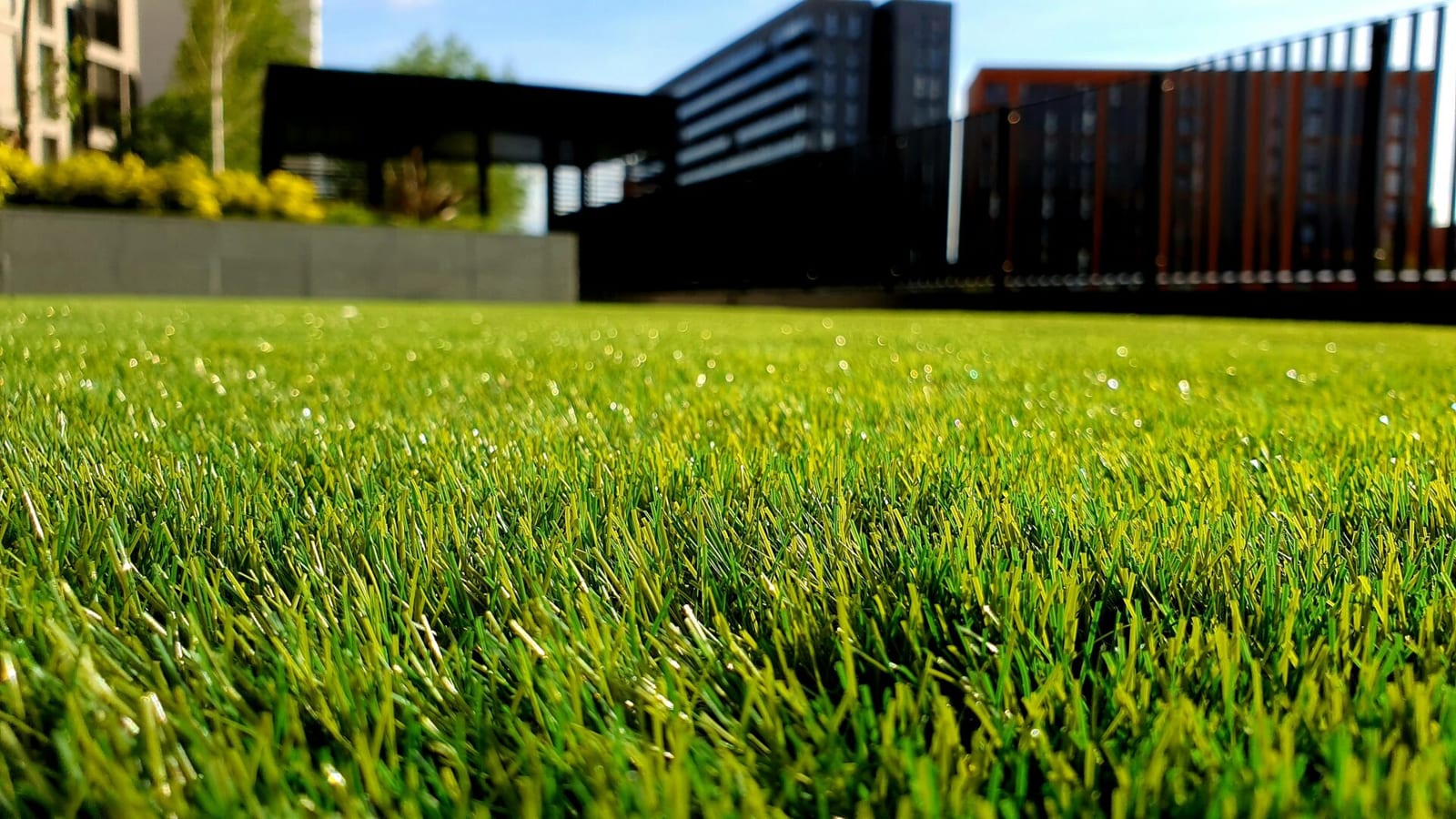
A Beautiful Lawn Requires More Maintenance
While a single-variety lawn is often highly prized for its aesthetic appeal and flawless uniformity, it is significantly more difficult to maintain. To keep it looking pristine, you must ensure optimal soil conditions, perfectly even sunlight across the entire yard, and a strict schedule for watering and fertilizing.
Because of these strict requirements, a single-species lawn is highly sensitive to external environmental factors. It is much more easily affected by poor soil quality, lack of moisture, diseases, pests, or sudden temperature fluctuations. Consequently, the risk of losing large patches of grass after a harsh winter is substantially higher.
Seed experts note that homeowners typically opt for medium-decorative lawns when planting around their houses. These are usually grown from carefully formulated mixtures that combine several grass species, providing a perfect balance between an attractive aesthetic and the durability needed for everyday use.
In temperate climates, these mixtures most commonly utilize perennial ryegrass, various fescues, and Kentucky bluegrass (smooth meadow-grass). Some of these plants are responsible for building the lawn's density and fine texture, while others provide essential resistance to foot traffic and help maintain the turf's vitality over the long term.
Experiment With Caution
Horticultural specialists observe that some buyers still believe they can create the ultimate universal lawn by mixing different specialized seed blends together—hoping to combine the best traits of a highly decorative lawn with the ruggedness of a sports turf. In practice, however, such experiments rarely yield good results.
"Some mixtures are purely decorative and intended for low-traffic areas, while others are designed for intensive use, such as sports fields. Because of these vastly different characteristics, mixing different seed blends together is highly discouraged," experts advise.
The specific varieties contained in different mixtures can vary significantly not only in their color but also in their growth rates and overall resistance to environmental stressors. As a result, a mixed-blend lawn will often look incredibly patchy, grow unevenly, and ultimately demand far more maintenance.
If you want to adapt your lawn to specific conditions in your yard, you do not need to mix entirely different commercial blends. Instead, experts suggest simply overseeding certain areas with specific plant species. For example, you can use shade-tolerant seed mixtures under large trees, or if you prefer a more natural, eco-friendly landscape, you might opt to mix in clover. Clover is highly drought-resistant and gives the yard a beautiful, natural meadow appearance.
When selecting seeds, professionals also urge buyers not to be overly swayed by the country of origin on the label. It is far more important that the specific grass varieties have been tested in your local climate conditions and are proven to thrive in your region's hardiness zones. Equally important is checking the seed production date and ensuring proper storage conditions. The fresher the seeds and the better they have been stored, the higher your chances of growing a dense, healthy, and long-lasting lawn.
Frequently asked questions
Why is a grass seed mixture better than a single variety?
Mixtures contain multiple grass species, meaning if one struggles with harsh weather, pests, or poor soil, the others can thrive, keeping your lawn full and green.
Can I mix a decorative grass seed with a sports lawn seed?
It is not recommended. Different blends have varying growth rates, colors, and maintenance needs, which can result in a patchy and uneven lawn.
What are the best grass types for a durable home lawn?
For temperate climates, a blend of perennial ryegrass, fescues, and Kentucky bluegrass (smooth meadow-grass) offers a great balance of aesthetic appeal and wear resistance.
Log in to comment
No comments yet. Be the first.