Keep Strawberries Fresh Longer: A Simple Trick to Stop Mold
- Strawberries are highly sensitive to moisture, which encourages rapid mold growth.
- A quick soak in a solution of vinegar and water eliminates spoilage-causing bacteria.
- Thoroughly drying the berries before refrigerating is critical to prevent rot.
- Store strawberries in a breathable container lined with paper towels to absorb excess dampness.
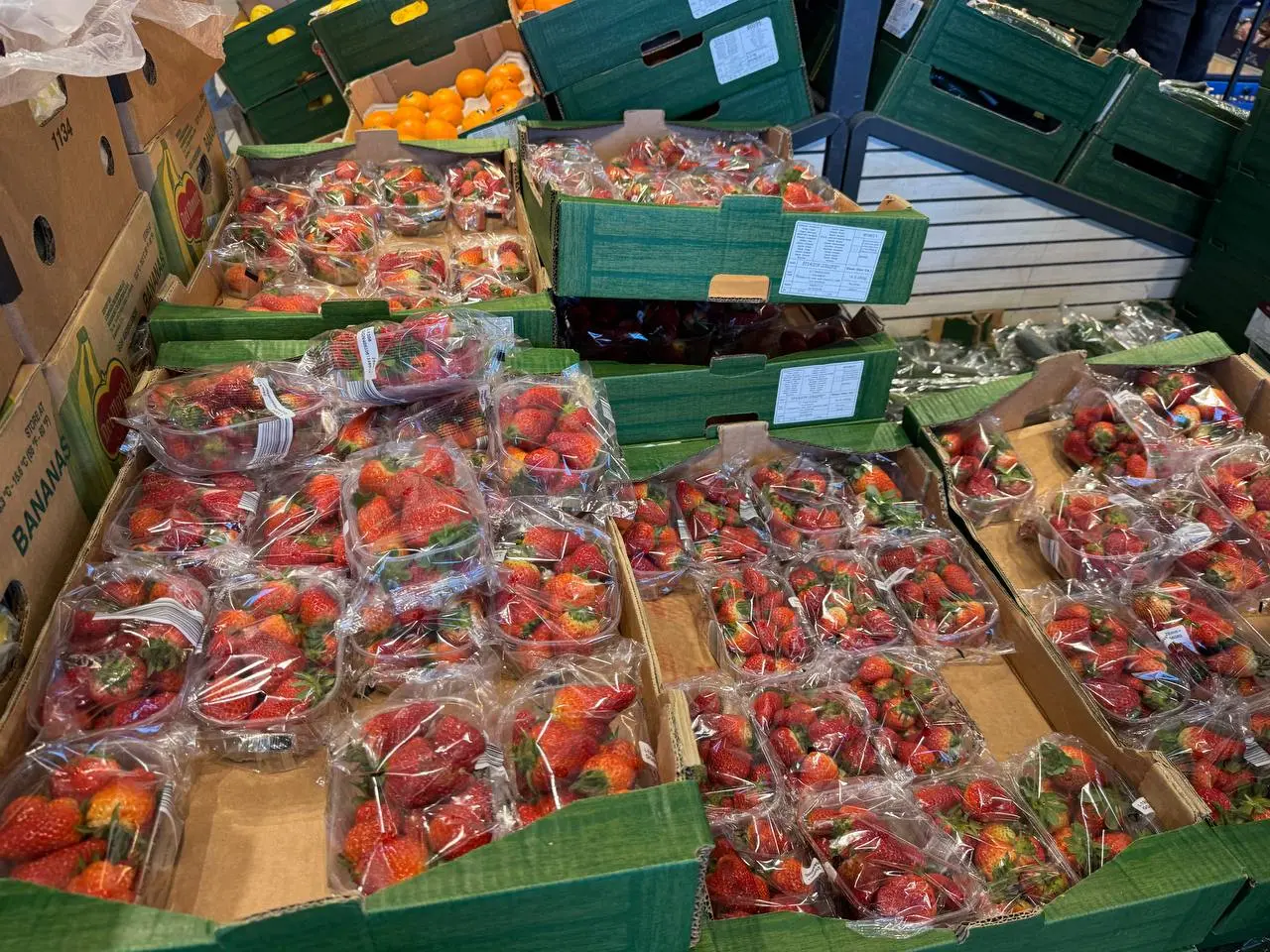
Why strawberries spoil so quickly even in the refrigerator
Many of us have experienced this frustration: you buy a beautiful, fragrant carton of strawberries, and by the very next day, some have turned mushy or started to mold. This is no accident—strawberries are inherently delicate and highly perishable.
Their skin is incredibly thin, making them easily susceptible to bruising and damage during transport or even while sitting on a refrigerator shelf. Furthermore, they contain a high amount of natural moisture, which creates the ideal conditions for mold spores and bacteria to multiply rapidly.
Another major issue is how quickly the rot spreads. If a single berry begins to spoil, the decay transfers to its neighbors almost immediately. Because of this chain reaction, even minor damage to one piece of fruit can quickly ruin an entire container.
It is crucial to understand that the primary enemy here is moisture. If strawberries are stored while wet or damp, their shelf life is drastically reduced.
A simple vinegar trick to stop mold in its tracks
One of the easiest and most effective ways to prolong the freshness of your strawberries is by using a quick vinegar and water bath. This simple method helps eliminate the surface microorganisms and mold spores that cause rapid spoilage.
To make the wash, mix one part white vinegar with three parts cold water. Submerge the strawberries in this solution and let them soak for just 1–2 minutes.
After soaking, it is absolutely essential to rinse the berries thoroughly under clean, running water. This step washes away any lingering vinegar smell or taste, ensuring your fruit remains perfectly sweet and natural.
This straightforward extra step can extend the storage life of your strawberries by several days. While it might not be magic, in practice, it is significantly more effective than simply tossing the unwashed plastic clamshell straight into the fridge.
Proper drying and storage are the keys to lasting freshness
Once the berries are washed, the most critical part of the process begins: drying. If you place damp strawberries into the refrigerator, mold will inevitably appear in record time.
The best approach is to spread the rinsed berries out in a single layer on a clean cloth or paper towel. Leave them to air dry completely. This might take a little time, but patience at this stage is vital for long-lasting fruit.
When it comes to storage, avoid tightly sealed, airtight containers. Instead, choose a breathable container that allows for adequate air circulation. Lining the bottom of the container with a fresh paper towel will help absorb any residual moisture.
It is also important to store the strawberries in a single layer, or at least avoid overpacking the container. Crushed or squeezed berries bruise easily, accelerating the spoiling process.
If you follow these three core principles—minimizing moisture, cleaning the berries thoroughly, and storing them properly—your strawberries will last considerably longer than usual, saving you from having to throw them away the very next day.
Frequently asked questions
Why do strawberries mold so quickly in the refrigerator?
Strawberries have thin skins and high moisture content, creating the perfect environment for mold and bacteria to thrive, especially if they are stored wet or tightly packed.
How do I wash strawberries with vinegar?
Mix one part white vinegar with three parts cold water. Soak the berries for 1–2 minutes, then rinse them thoroughly with clean water to remove any lingering vinegar taste.
What is the best way to store strawberries?
After washing and completely drying them, store strawberries in a single layer inside a well-ventilated container lined with paper towels to absorb any remaining moisture.
Log in to comment
No comments yet. Be the first.