Lithium Battery Fires: Prevention and Safety Tips
- Lithium battery fires spread rapidly and are notoriously difficult to extinguish due to their internal casing.
- Warning signs of an impending fire include a swollen battery, visible mechanical damage, extreme heat, or sparking.
- To prevent fires, use original chargers, avoid moisture, and never leave charging devices unattended.
- If a fire occurs, unplug the device, call emergency services, and avoid inhaling the highly toxic smoke.
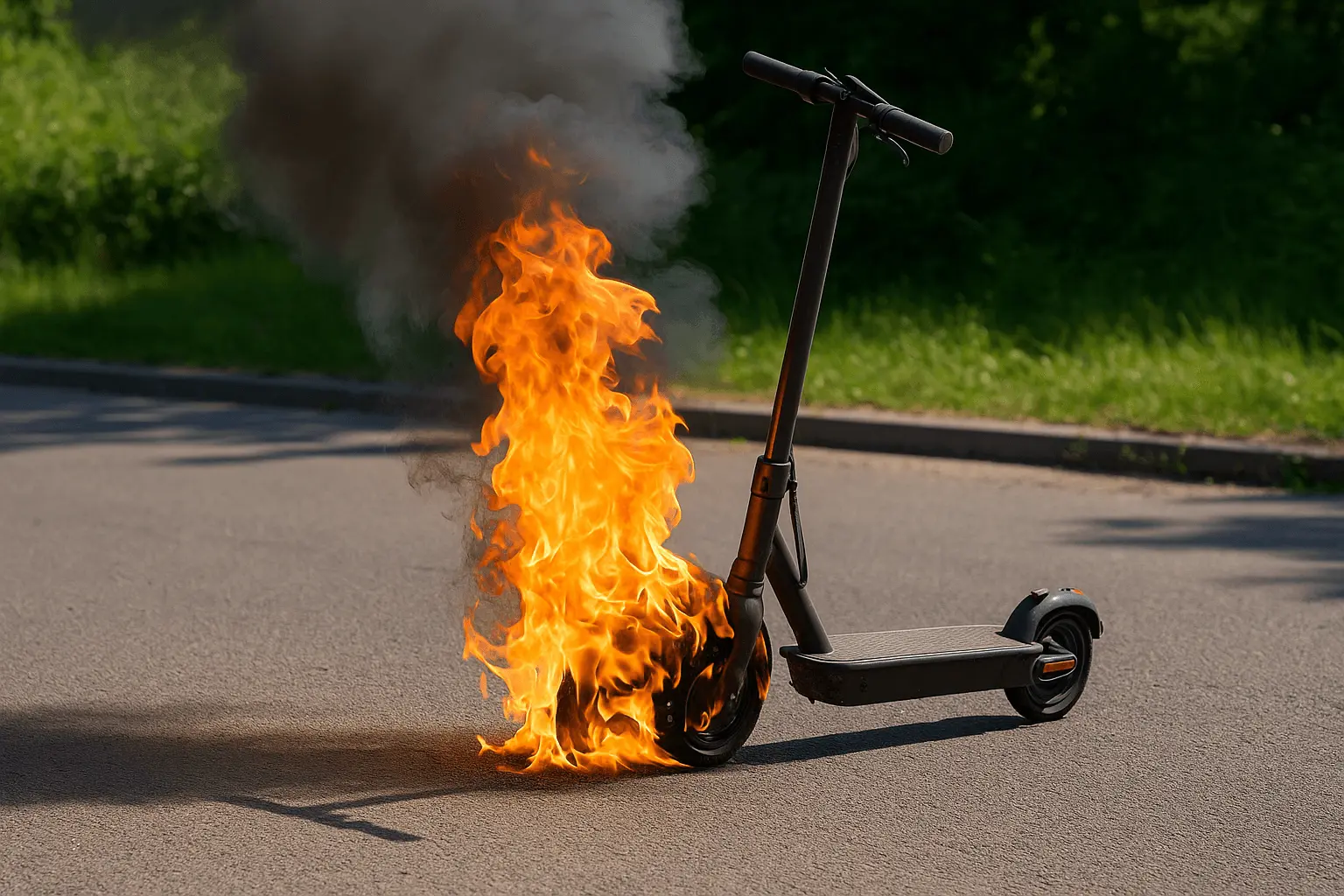
Lithium battery fires are extremely dangerous and hard to extinguish
Modern devices—from mobile phones to electric scooters—are unimaginable without lithium-ion batteries. However, while convenient, this technology can pose a serious threat if used improperly. Fire safety experts warn that lithium battery fires are exceptionally dangerous due to their rapid spread and the difficulty of putting them out. So, how can you avoid a disaster, and what should you do if a lithium battery catches fire?
According to fire safety specialists, the fires caused by lithium-ion batteries are unique and highly hazardous.
"The start of the fire can resemble an explosion. Once ignited, these batteries burn very intensely and are particularly difficult to extinguish. Because they are usually integrated inside the device and protected from the outside, it is hard to effectively deliver extinguishing agents into the burning battery," experts note.
The combustion of lithium batteries is similar to a flammable gas fire, which is why standard firefighting tools, such as a typical fire extinguisher, are often ineffective on the battery itself.
Lithium batteries power countless devices: mobile phones, laptops, electric scooters, e-bikes, and hoverboards. For instance, e-scooter batteries are often housed in a metal casing that protects them from mechanical damage but makes extinguishing a fire much harder.
"It is most effective when the extinguishing agent reaches the combustion zone directly, making an e-scooter battery fire a major challenge. Standard fire extinguishing solutions simply do not work here," specialists emphasize.
How to recognize danger and prevent a lithium battery fire at home
Lithium battery fires usually occur due to mechanical damage, improper charging, or overly intense use. The main warning signs that a battery might catch fire include:
- The battery is swollen;
- Visible mechanical damage, such as a cracked casing or deformations;
- Extreme heat generation during charging;
- Sparking.
"For example, a smartphone manufacturer once produced thin phones with a weak casing. When people kept them in their back pockets, the devices would often bend, damaging the battery and causing it to catch fire," experts recall. Similar dangers lurk when using electric scooters—impacts or moisture can damage the battery and trigger a fire.
To ensure proper safety and prevent a lithium battery fire at home, follow these essential lithium battery safety tips:
- Protect from mechanical damage. Use electric scooters, bikes, or hoverboards carefully, avoiding heavy impacts or falls.
- Follow charging recommendations. Use only original or manufacturer-approved chargers. Specialists warn that using incompatible, technically faulty chargers or improperly charging the devices frequently leads to disaster.
- Avoid moisture. It is not recommended to ride electric scooters or e-bikes in the rain, as moisture can damage the battery.
- Never leave charging unattended. It is especially dangerous to charge devices at night while you sleep. If e-scooters are charged indoors, they must never be left without supervision.
- Choose a safe charging location. Charge your scooter away from escape routes, doors, or combustible materials. Experts explain that charging scooters in stairwells or evacuation routes is a dangerous trend. If a scooter is charged near an exit or balcony door, a resulting fire will block the only safe escape route from the room.
Lithium battery fires: how to extinguish them and handle reignition
The onset of a lithium battery fire is often accompanied by a large amount of white smoke, which soon bursts into flames. The burning duration depends on the size of the battery and the effectiveness of the firefighting efforts. If you spot a fire, act quickly:
- Unplug the device from the electrical outlet, if it is safe to do so.
- Call emergency services immediately.
- If possible, move the burning device away from combustible materials to prevent the fire from spreading.
- Attempt to extinguish the fire only if safe. A mobile phone or laptop can sometimes be submerged in a container of water, but this method is not suitable for an electric scooter due to its large size.
"Any fire extinguisher can help to some extent here: it might not put out the battery itself, but it will extinguish other burning materials nearby," specialists advise. However, it is crucial to remember the severe health risks of a lithium battery fire. Toxic smoke is released during combustion, posing a serious danger to your respiratory system, so do not stay in the room for long.
Lithium batteries carry a high risk of reignition—even after being extinguished, they can catch fire again up to 12 hours later. Furthermore, the electrolyte inside the batteries is hazardous. If it gets on your skin, it must be washed off immediately with clean water. A burned scooter must be transported carefully, avoiding any contact with the leaked electrolyte.
Frequently asked questions
Can lithium batteries catch fire when not in use?
Yes, if a lithium battery has sustained prior mechanical damage from impacts or moisture, it can ignite later even when not actively charging.
Can you put out a lithium battery fire with water?
Small devices like mobile phones or laptops can sometimes be submerged in a container of water, but this method is not suitable for larger batteries like those in electric scooters.
What should I do if my electric scooter battery catches fire?
Unplug it if safe, move it away from flammable materials, call emergency services, and evacuate the area to avoid inhaling toxic smoke. Be aware that the battery can reignite up to 12 hours later.
Log in to comment
No comments yet. Be the first.