Neanderthal DNA in Modern Humans: Facts & Traits
- Neanderthals went extinct around 40,000 years ago, but their genetic legacy lives on in modern humans.
- Populations of European and Asian descent typically carry between 1% and 4% Neanderthal DNA.
- Neanderthal genes influence various modern traits, from hair color to immune system responses.
- Climate change, small population sizes, and competition with Homo sapiens likely caused their gradual extinction.
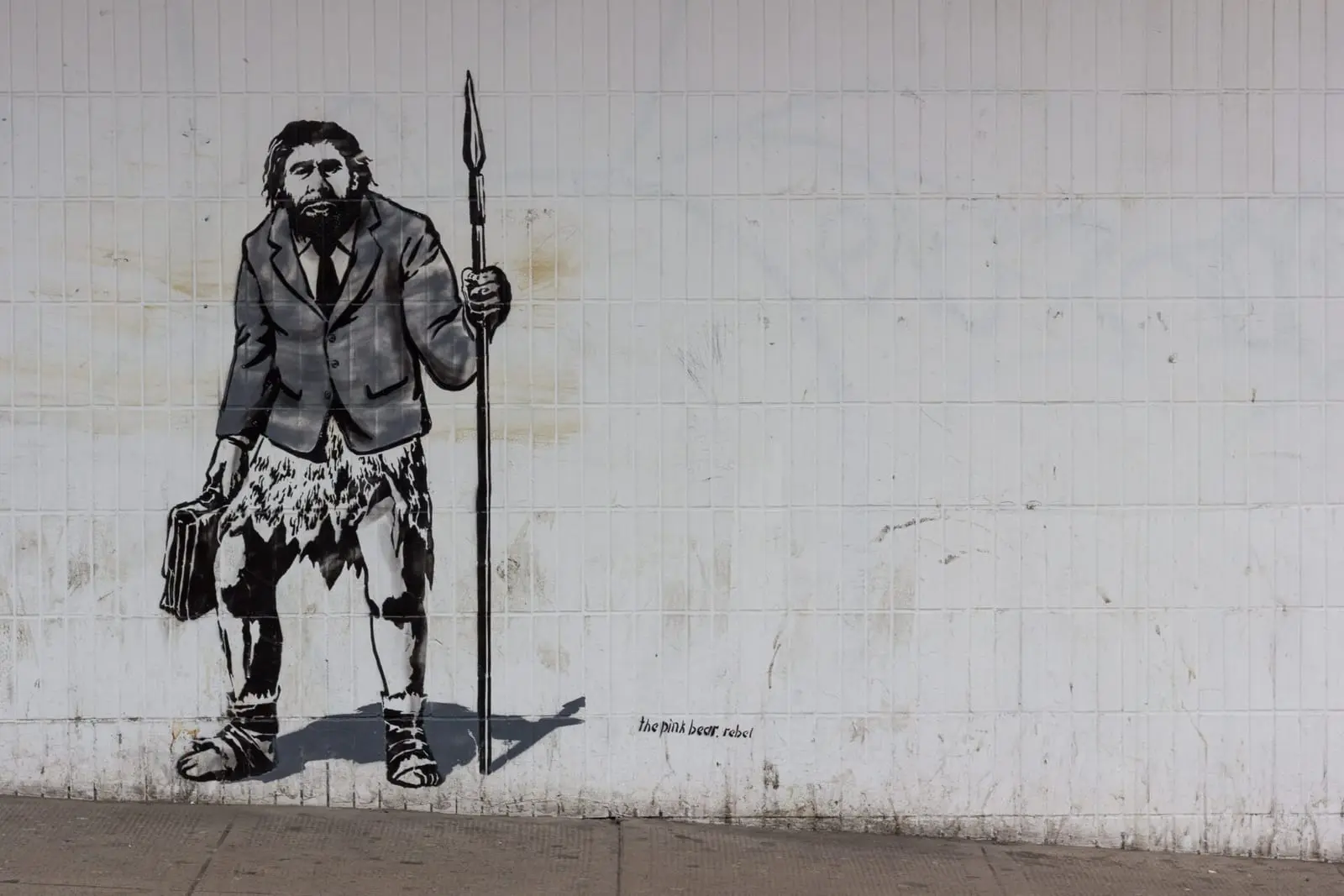
Mating Between Our Ancestors and Neanderthals
Neanderthals have been a reflection of our own humanity since they were first discovered back in 1856 [1]. It is clear that what we think we know about them is often shaped to fit our cultural trends, social norms, and prevailing scientific standards.
Nevertheless, we now know perfectly well that Neanderthals were very similar to us (modern humans). On the other hand, it is interesting to wonder why they eventually went extinct while we survived, thrived, and took over the planet.
Neanderthals evolved more than 400,000 years ago, most likely from an earlier ancestor, Homo heidelbergensis (an extinct species of the human genus that may have been the direct ancestor of both Neanderthals and modern humans) [2].
They were incredibly successful, spreading across a vast territory from the Mediterranean to Siberia. Their mental capacities were, on average, even greater than those of Homo sapiens. They hunted large game, gathered plants, fungi, and seafood, controlled fire for cooking, crafted composite tools and animal skin clothing, made shell beads, carved symbols on cave walls, cared for their young, old, and vulnerable, built shelters for protection, survived harsh winters and warm summers, and buried their dead.
Ultimately, Neanderthals encountered our ancestors multiple times over tens of thousands of years. As a result, these two species shared dominance over the European continent for at least 14,000 years, even mating with one another.
Neanderthals Are Our Closest Extinct Relatives
The most significant difference between Neanderthals and ourselves is that, as mentioned earlier, they went extinct many years ago. The exact cause of their demise remains unknown, but it was likely a combination of multiple factors.
First, the climate during the last Ice Age was highly volatile, shifting rapidly between cold and warm periods. This put immense pressure on animal and plant food sources, meaning Neanderthals had to constantly adapt to environmental changes.
Second, their population was never particularly large, with the total number of individuals never exceeding the tens of thousands. They typically lived in small groups of 5 to 15 individuals, compared to Homo sapiens, whose communities could include up to 150 people. Because of this, these small, isolated Neanderthal populations may have become increasingly genetically unsustainable.
Third, there was fierce competition with other predators, especially groups of modern humans who emerged from Africa around 60,000 years ago. This leads to the theory that many Neanderthals may have simply been assimilated into larger Homo sapiens groups. But where is the promised evidence of such a phenomenon?
Fortunately, Neanderthals left behind a wealth of traces that researchers have meticulously studied over the millennia (many of which can now be seen in special museum exhibitions).
For example, over the past 150 years, scientists have actively collected fossilized bones, stone and wooden tools, and discovered the trinkets and jewelry they left behind. Today, these discoveries help map their genome (the map of an organism's genetic material encoded in DNA).
Neanderthal DNA in Modern Humans: 99.7% Identical
People all over the world carry traces of Neanderthals in their genomes. The most surprising fact is the evidence of interbreeding, which left a genetic legacy we still carry today [3].
Interestingly, many people of European and Asian descent carry between 1% and 4% Neanderthal DNA, while Sub-Saharan African populations have almost none. Ironically, with a global population of around 8 billion people today, this means there has never been more Neanderthal DNA on Earth than there is right now.
The Neanderthal genome also helps us better understand what they looked like. There is evidence that pale skin and red hair appeared in some Neanderthals long before they did in Homo sapiens. Furthermore, many Neanderthal traits in modern humans are linked to shared genes that affect everything from the ability to taste bitter foods to the capacity for speech.
It has also become clear that while there were likely benefits of Neanderthal DNA tens of thousands of years ago, certain segments of these ancient genomes now seem to cause problems when combined with a modern Western lifestyle. For instance, there are genetic links to alcoholism, obesity, allergies, blood clotting, and depression.
Recently, scientists have proposed another theory: a specific ancient Neanderthal gene variant may increase the risk of severe complications when infected with COVID-19.
Of course, much like the dinosaurs, Neanderthals did not know what would come after them. The difference is that the dinosaurs suddenly disappeared after a massive meteorite strike from space, whereas Neanderthals faded away gradually. They lost the comfortable habitats where they had successfully lived for hundreds of thousands of years, until existence itself turned against them.
Today, Neanderthals serve another purpose: we see our own reflection in them, making us painfully aware of our precarious position and the impact we have on this planet.
Ultimately, the extinction of the Neanderthals serves as a stark reminder that we should never take our own existence for granted.
Frequently asked questions
How much Neanderthal DNA do humans have?
Most people of European and Asian descent carry between 1% and 4% Neanderthal DNA in their genomes, while Sub-Saharan African populations have almost none.
What ethnic group has the most Neanderthal DNA?
Populations of European and Asian descent carry the highest percentage of Neanderthal DNA due to ancient interbreeding that occurred after modern humans migrated out of Africa.
How does Neanderthal DNA affect modern humans?
Neanderthal DNA influences various traits, including skin and hair color, the ability to taste bitter foods, and susceptibility to certain health conditions like allergies, blood clotting, and even severe responses to respiratory viruses.
Log in to comment
No comments yet. Be the first.