New Megaraptor Species Found in Museum Drawer After 100 Years
- A new dinosaur species has been named Invictibellatrix amberina, meaning "unconquered female warrior."
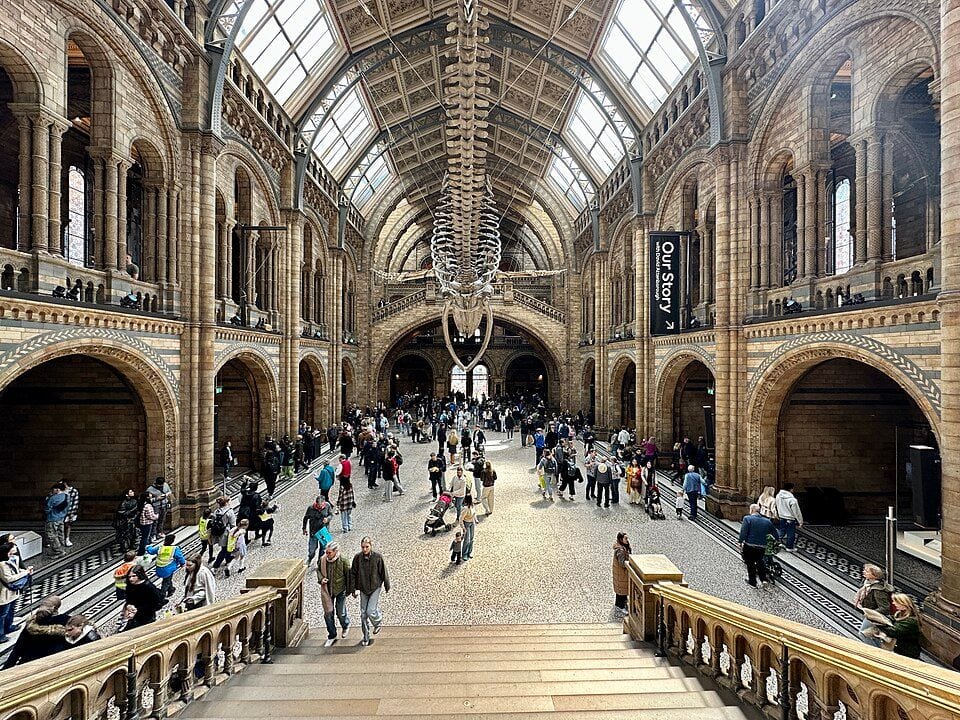
- The skull fragment was acquired by the Natural History Museum in London in 1924.
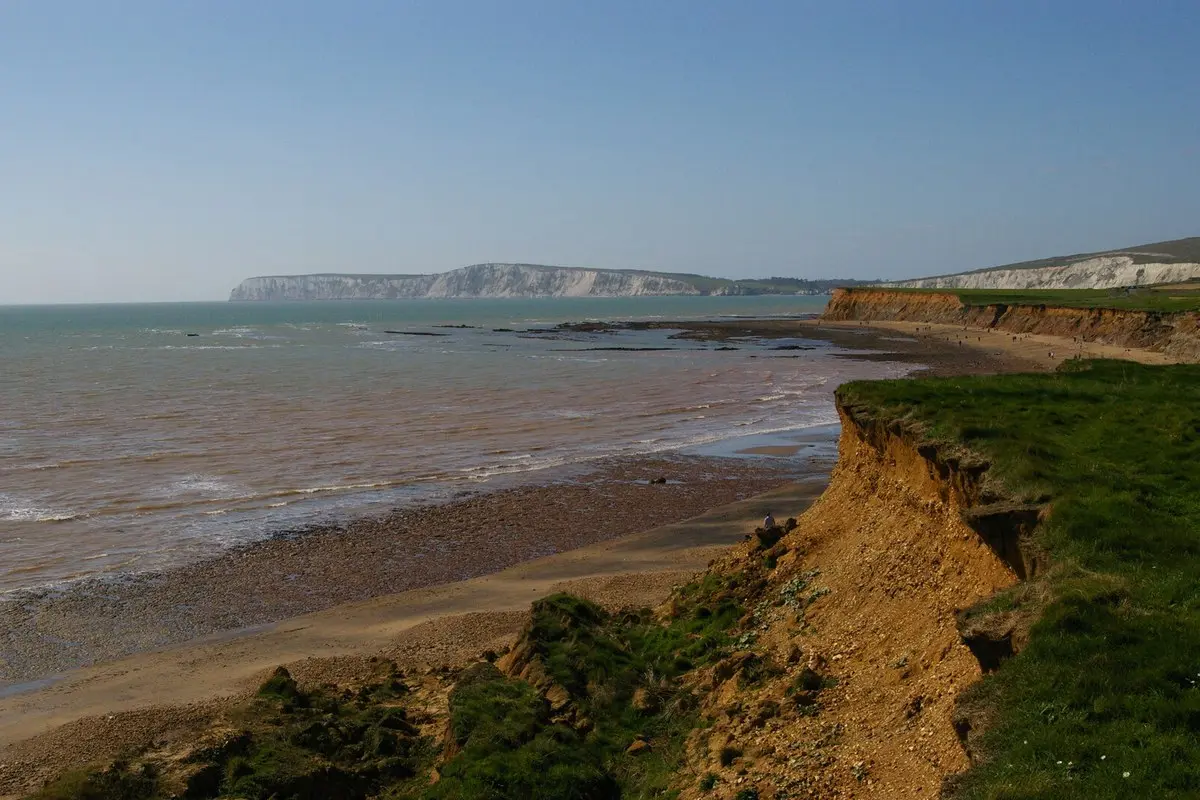
- The dinosaur lived about 120 million years ago on what is now the Isle of Wight.
- It was 10–13 feet (3–4 m) long, over 5 feet (1.5 m) tall, with claws up to 8 inches (20 cm) long.
- This discovery marks the first confirmed megaraptor in Europe.
A dinosaur skull fragment that sat in the collections of London's Natural History Museum for nearly a century has turned out to be the remains of a previously unknown predatory species. Scientists named the new dinosaur Invictibellatrix amberina. It lived about 120 million years ago in what is now the Isle of Wight in southern England and, according to researchers, is the first confirmed dinosaur of the megaraptor group in Europe. The study was published in the journal Royal Society Open Science.
New megaraptor species lay in a museum drawer since 1924
The megaraptor fossil was found at the base of a cliff on the southwest coast of the Isle of Wight by amateur paleontologist Reginald Walter Hooley. A statement from the Natural History Museum notes that after his death, the museum acquired more than a thousand of his collected specimens, including this fragment of the back of a skull in 1924. Sci.News quotes researchers stating the find was discovered at the base of a cliff at Sudmoor Point near the village of Brook. Some publications, including Euronews and the BBC, spell the collector's surname as Tooley.
Scientists knew the fragment belonged to a dinosaur, but exactly which one remained a mystery for decades. "It is a real mystery how this fossil went unnoticed for so long and sat in a drawer for almost 100 years. The Isle of Wight produces a lot of bones—who knows what else is waiting to be discovered," said lead researcher Dr. Cassius Morrison from the Department of Earth Sciences at University College London (UCL).
CT scanning helped identify the new dinosaur
Researchers examined the fossil using a CT scanner and created a 3D model of this part of the skull and its interior brain cavity. Euronews notes that this technology made it possible to study the internal structure of the fossil and create its three-dimensional model. The find was compared with the skulls of tyrannosaurs, spinosaurs, raptors, and other bipedal carnivorous dinosaurs. A unique combination of features, including an oval opening where the spinal cord connected to the brain and an hourglass-shaped crest, led to the conclusion that it was a new species. Computer algorithms analyzing how the skull features aligned with other species consistently assigned the specimen to the megaraptor family.
The name Invictibellatrix means "unconquered female warrior" and, according to the museum, honors the future role of megaraptors as large apex predators. Researchers stated that the name is also intended to "give hope and strength to anyone who faces bullying, discrimination, or oppression." The species epithet amberina refers to the amber found in the rocks where the fossil was discovered, while also serving as a female name.
The megaraptor Invictibellatrix would have been more dangerous to humans than a T. rex
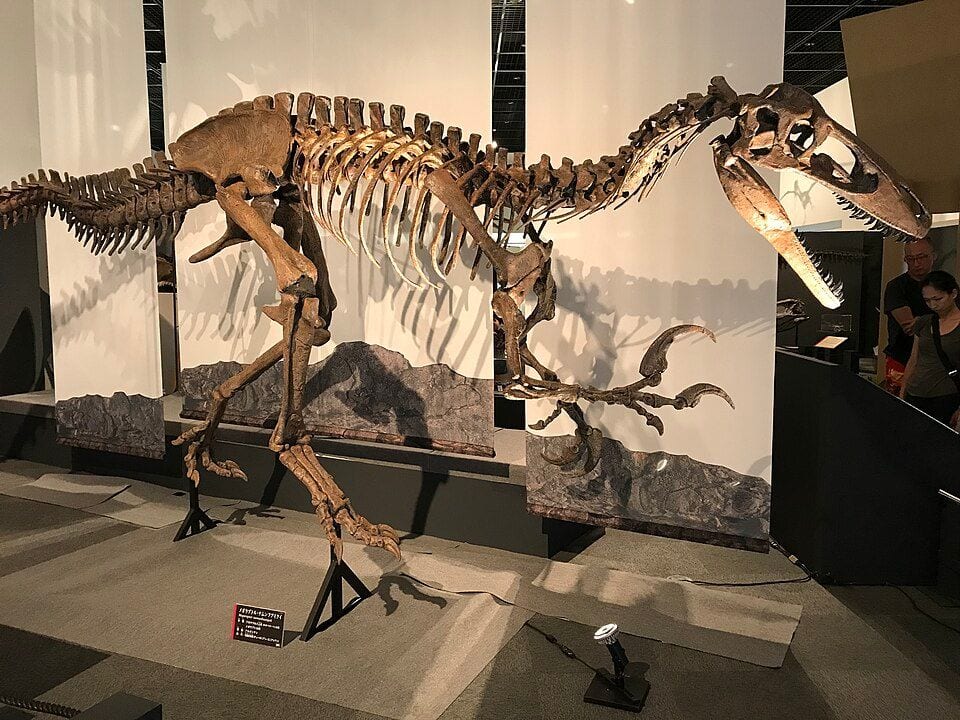
Megaraptors, despite their name, were not small, bird-like "raptors." They were larger predators more closely related to tyrannosaurs, featuring slender heads, large forelimbs, and massive curved claws. The BBC notes that they attacked their prey not with their jaws, but specifically with their limbs and claws.
When estimating megaraptor size, researchers looked at its closest relatives, concluding it was 10 to 13 feet (3 to 4 m) long and just over 5 feet (1.5 m) tall—roughly the height of a human. It likely had feathers, and its claws could reach 4 to 8 inches (10 to 20 cm). The dinosaur fed on smaller dinosaurs, lizards, and mammals, occupying a place in the food chain similar to modern hyenas.
Sci.News notes that the braincase of the new dinosaur is similar in size to that of a small tyrannosauroid, Timurlengia, which is thought to have weighed 440 to 660 lbs (200 to 300 kg) and measured no more than 13 feet (4 m) in length. Other megaraptors could reach 20 to 33 feet (6 to 10 m) and weigh over 4,400 lbs (2,000 kg), meaning Invictibellatrix amberina may be one of the smallest, if not the smallest, known members of this group. This supports the assumption that megaraptors developed large bodies relatively late. Furthermore, the earliest megaraptor fossils from the Southern Hemisphere are younger than the Isle of Wight find, and researchers believe the group arrived in Europe about 130 million years ago.
"It wasn't the apex predator of its time, but to humans, this dinosaur would have been more dangerous than a T. rex. We would have been the ideal size prey—about a third of their body mass. They definitely would have chased us. A T. rex wouldn't have bothered because we would have been too small," explained Dr. Morrison.
| Invictibellatrix amberina | Data |
|---|---|
| Age | About 120 million years (Early Cretaceous) |
| Discovery site | Southwest coast of the Isle of Wight, England |
| Length | 10–13 feet (3–4 m) |
| Height | Just over 5 feet (1.5 m) |
| Claws | Could reach 4–8 inches (10–20 cm) |
| Diet | Small dinosaurs, lizards, mammals |
| Acquired by museum | 1924 |
Sources: Natural History Museum, Euronews, BBC.
The find shows megaraptors reached southern continents via Europe
Until now, megaraptors had been found in Asia, Australia, and South America, but not in Europe. Scientists believe the group originated in Asia and later traveled through Europe to reach the southern supercontinent of Gondwana, which included modern-day Africa, South America, and Antarctica. "This new species is the first evidence that megaraptors also lived in Europe and that they entered Gondwana via this route, rather than island-hopping further south," said study co-author and UCL doctoral student Charlie Scherer.
Mathematical modeling showed that in the Early Cretaceous, megaraptors were distributed worldwide, but by the Late Cretaceous, they likely went extinct in the northern supercontinent of Laurasia, which included modern-day Europe. In the south, they became apex predators and grew to massive proportions, with claws reaching up to 14 inches (35 cm). For example, Maip macrothorax, found in what is now Argentina, was 30 to 33 feet (9 to 10 m) long and weighed as much as an elephant.
"Even though fossils have been collected for over 200 years, the Isle of Wight still surprises us with new dinosaur species, and finds of carnivorous dinosaurs are especially rare here," said senior study author Professor Paul Barrett of the Natural History Museum. He noted that such work demonstrates the exceptional value of historical museum collections, as many discoveries are still waiting to be made within them. The research was funded by the Palaeontographical Society, the Royal Society, and the UK Research and Innovation agency (UKRI).
Frequently asked questions
What new dinosaur species was discovered?
Invictibellatrix amberina is a carnivorous dinosaur from the megaraptor group that lived about 120 million years ago on what is now the Isle of Wight.
Why did the megaraptor fossil remain unstudied for so long?
The Natural History Museum in London acquired the fossil in 1924, but it was never studied in detail until now. Researchers describe it as a true mystery.
What are megaraptors?
They are predatory dinosaurs related to tyrannosaurs, characterized by slender heads, large forelimbs, and massive curved claws. They were previously found in Asia, Australia, and South America.
Why is it said to be more dangerous than a T. rex?
According to lead researcher Cassius Morrison, a human would have been the ideal prey size for this megaraptor, whereas a T. rex would have found humans too small to bother with.
How was it identified as a new megaraptor species?
Researchers examined the fossil using a CT scanner, created a 3D model, and compared its features with the skulls of other carnivorous dinosaurs.
Sources
- Euronews: Dinosaur fossil hidden in London's Natural History Museum for 100 years identified as new species, 2026-10-16
- Natural History Museum: UK dinosaur fossil identified as new long-clawed predator
- BBC News: Island fossil identified as new dinosaur species
- Sci.News: New Species of Predatory Dinosaur Identified in UK, 2026-10-14
- Wikimedia Commons: Roughland Cliff, Isle of Wight (Christopher Hilton, CC BY-SA 2.0)
- Wikimedia Commons: Hintze Hall, Natural History Museum, London (APK, CC BY 4.0)
- Wikimedia Commons: Megaraptor mount (ケラトプスユウタ, CC BY-SA 4.0)
Log in to comment
No comments yet. Be the first.