Operation Paperclip: How the US Recruited Nazi Scientists
- Following World War II, the US government launched Operation Paperclip to recruit over 1,600 German scientists and engineers.
- Intelligence agencies secretly scrubbed the dossiers of active Nazi party members to bypass presidential directives.
- Operation Paperclip scientists played pivotal roles in NASA and the US military, despite their ties to horrific war crimes.
Conspiracy Theories That Turned Out to Be True
Conspiracy theories have become incredibly popular in recent years, partly because some of them actually turn out to be true. This article is part of our series on proven conspiracies, which also covers the CIA's MKUltra mind-control experiments, the poisoning of industrial alcohol during Prohibition, the Tuskegee syphilis study and the decades in which tobacco-industry-funded doctors told the public that smoking was harmless.
In this article, we will explore how, following the end of World War II, American officials went to great lengths to execute Operation Paperclip, a secret program that brought Nazi scientists to the United States [1].
Given not only a new lease on life but also an escape from accountability for some of the most horrific war crimes, the most talented Nazi scientists contributed to major scientific breakthroughs and discoveries in America. However, when this history finally came to light, it sparked profound ethical dilemmas.
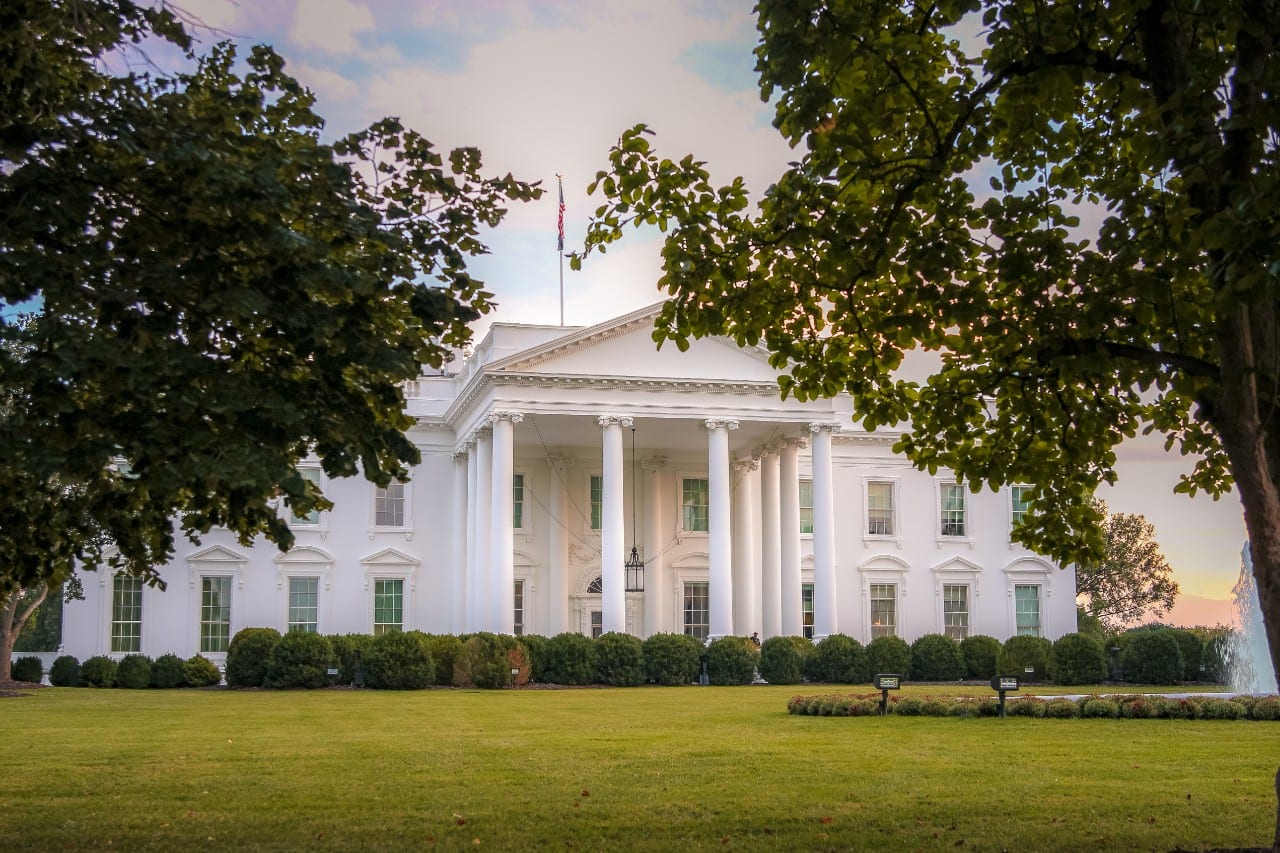
Operation Paperclip: The US Government Was Fascinated by the "Talents" of Nazi Scientists
As World War II drew to a close, American and British officials teamed up to gather as much military, scientific, and technological research as they could find in occupied, defeated Nazi Germany. When Allied forces seized German research facilities, the Combined Intelligence Objectives Subcommittee (CIOS) actively confiscated war-related documents and materials, and interrogated scientists [2].
This is exactly how the Osenberg list was discovered in a toilet at Bonn University: a roster of scientists and engineers who had been employed by the Third Reich. These were talented, promising specialists whose knowledge the Americans simply could not pass up.
As a result, approximately 1,600—and according to some records, significantly more—of these German scientists, along with their families, were brought to the United States to work for American interests during the Cold War.
The program was spearheaded by the newly established Joint Intelligence Objectives Agency (JIOA). Its goal was to harness German intellectual resources to help build America's arsenal of rockets, as well as biological and chemical weapons, ensuring this highly coveted information did not fall into the hands of the Soviet Union [3].
Although the US government officially initiated and sponsored this operation, then-President Harry S. Truman had explicitly forbidden the JIOA from recruiting active Nazi party members or ardent supporters. Nevertheless, officials from the JIOA and the Office of Strategic Services (OSS) bypassed this directive, scrubbing the scientists' dossiers of incriminating records and evidence of potential war crimes.
Operation Paperclip Scientists Drove Many US Cold War Achievements
One of the most famous Operation Paperclip scientists recruited by US officials was Wernher von Braun, the technical director of the German Army's research center. Von Braun and other researchers were relocated from Germany to Fort Bliss, Texas, as "Special Employees of the War Department" [4].
The objective was for him and other rocketry experts to help US forces advance in this field. And they did exactly that. Over the years, von Braun even became the director of NASA's Marshall Space Flight Center and the chief architect of the Saturn V launch vehicle, which ultimately propelled two dozen American astronauts to the moon.
This was not an isolated case. Physiologist and medical researcher Hubertus Strughold, who headed the German Air Force's Institute for Aviation Medicine—notorious for horrific medical experiments on Dachau concentration camp inmates—also built a comfortable life across the Atlantic. In the US, he served as the chief scientist at the Aerospace Medical Division at Brooks Air Force Base and was later even dubbed the "father of space medicine."
Meanwhile, Walter Schreiber, a former Nazi general who also oversaw inhumane medical experiments involving biological weapons, was captured by the Soviets after the war. He eventually managed to escape to the US, where he worked for various government agencies before settling in Texas at the Air Force School of Aviation Medicine.
Although Schreiber later served as a witness at the Nuremberg trials, he and his fellow Nazi scientists who were brought to the US after the war were never held accountable for their crimes.
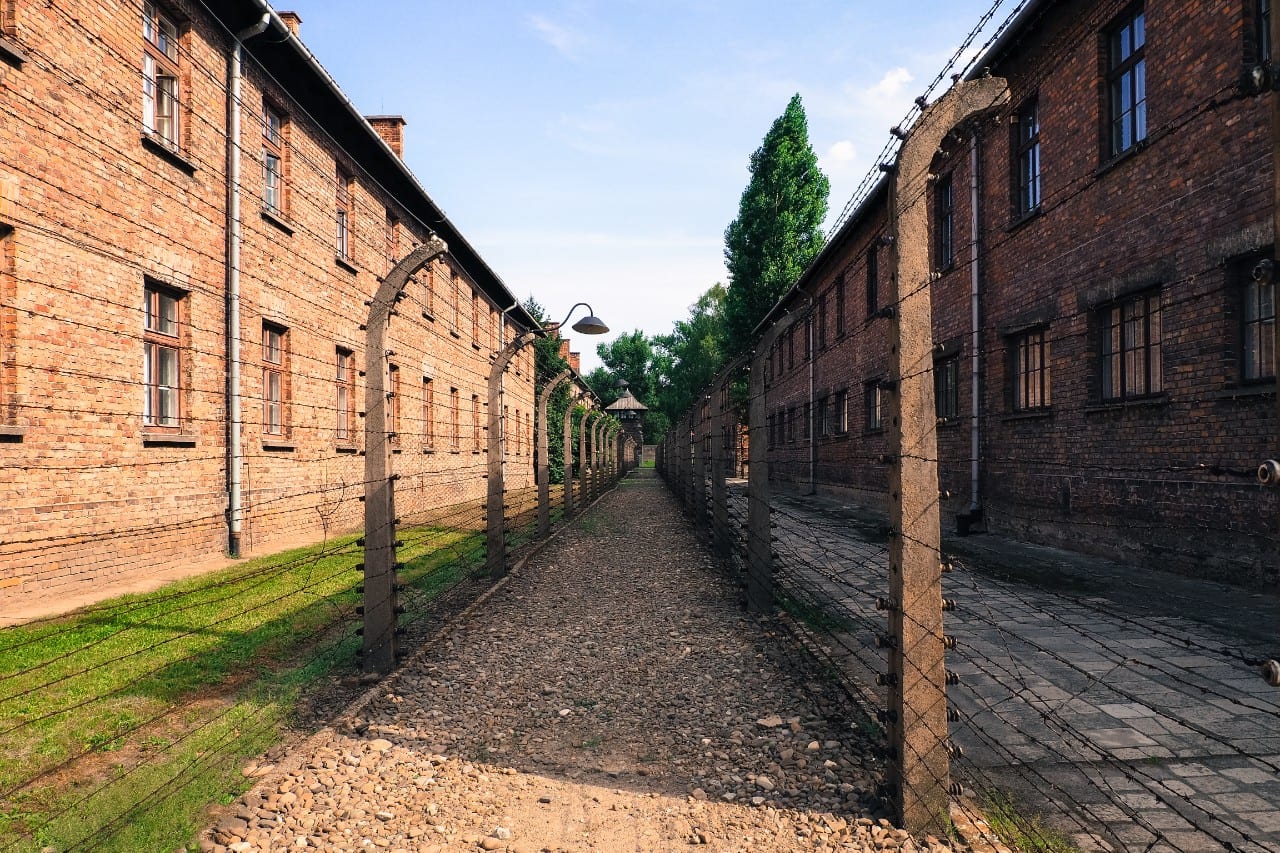
America Rushed to Exploit Nazi Knowledge to Thwart Soviet Plans
Supporters and defenders of this highly controversial and secret US operation argue that the balance of power during the Cold War was critical, and the scientists' knowledge could have been even more dangerous in Soviet hands. However, this justification fails to convince many historians, experts, and ordinary people.
Critics point to the ethical cost of this US government decision: horrific war crimes were hidden and glossed over. Indeed, the US government at the time went to great lengths to conceal the pasts of the scientists brought to America, even launching a propaganda campaign aimed at reinventing their histories [5].
These actions occurred at multiple levels, from military intelligence officers who were asked to rewrite the dossiers and biographies of Nazi scientists, to Pentagon generals who openly argued that the US needed these experts, lest they fall to the Soviets and put America in danger.
Eventually, the sheer scale of this manipulation was brought to light. In 1946, media outlets like The New York Times and Newsweek published stories about Operation Paperclip, forcing US government officials to address it publicly. At the time, they reassured the American public by claiming that the individuals recruited in this operation were "good Nazis," none of whom had ever participated in the atrocities committed by Hitler's regime.
Over the years, however, more information surfaced, confirming long-standing rumors that many of the scientists brought to the US and employed for state purposes were, in fact, war criminals who had conducted brutal human experiments, supported the Holocaust, and personally contributed to the systematic murder of human beings.
Frequently asked questions
What was Operation Paperclip?
Operation Paperclip was a secret US intelligence program after World War II that brought over 1,600 German scientists, engineers, and technicians—many of whom were former members of the Nazi party—to the United States for government employment.
Did Operation Paperclip scientists work for NASA?
Yes, several prominent Operation Paperclip scientists, most notably Wernher von Braun, became key figures at NASA, helping design the Saturn V rocket that took Apollo astronauts to the moon.
Who was on the Operation Paperclip list of names?
The Operation Paperclip list of names included aerospace engineer Wernher von Braun, aviation medicine researcher Hubertus Strughold, and former Nazi general Walter Schreiber, among many others.
Sources
- IFLScience: 8 Scientific Conspiracies That Turned Out To Be True
- Smithsonian Magazine: Why the U.S. Government Brought Nazi Scientists to America After World War II
- History: What Was Operation Paperclip?
- NPR: The Secret Operation To Bring Nazi Scientists To America
- Coffee or Die: Operation Paperclip: The Nazis Recruited to Win the Cold War
Log in to comment
No comments yet. Be the first.