Rh Null Blood: Facts About the Rare Golden Blood Type
- Rh null blood is the rarest blood type in the world, currently identified in only 43 individuals.
- Often called the golden blood type, it completely lacks all Rh antigens on the red blood cells.
- While it makes the person a universal donor for rare blood types, finding a compatible donor for themselves is extremely difficult.
- The condition is caused by a genetic mutation and can lead to health complications like hemolytic anemia.
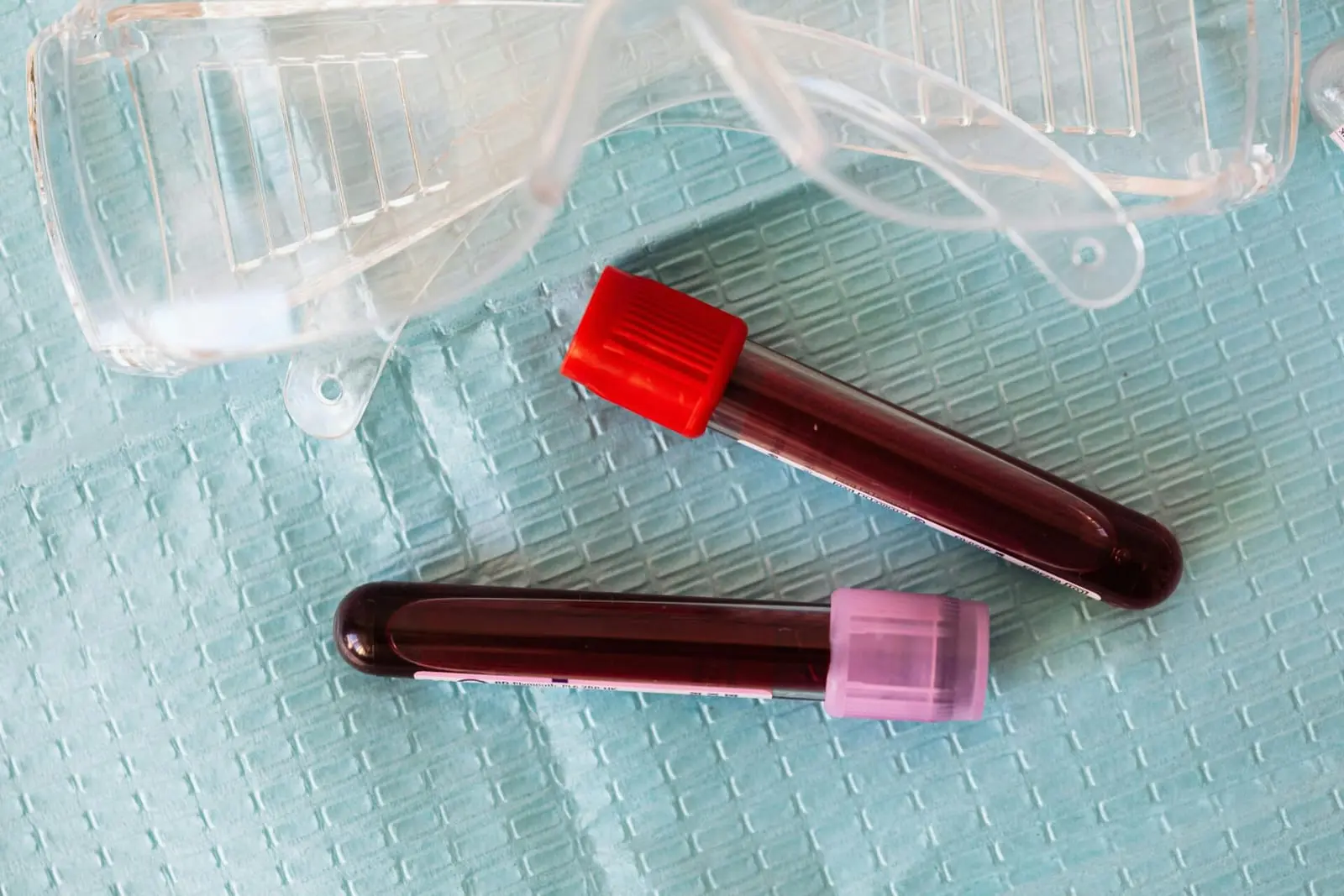
Rh null blood: The golden blood type held by fewer than 100 people
O Rh+ and A Rh+ are among the most common blood types. The rarest was previously considered to be AB Rh-, but the situation has changed. Currently, there are only 43 people in the world known to have Rh null blood. Why is it so exceptional?
Blood groups were discovered in 1901 by Karl Landsteiner, who noticed that red blood cells have two antigens that cause agglutination, or the clumping of individual blood cells. Together with scientists L. Hirszfeld and E. Dungern, he laid the foundation for the science of blood groups. Thanks to them, the symbols A, B, AB, and O have been used since 1928.
According to the MedicineNet website, the Rh null blood type was first discovered in 1961 in an Aboriginal Australian. Its uniqueness lies in the complete absence of Rh antigens in the red blood cells. What does this mean?
The surface of red blood cells contains proteins and sugars called antigens. Depending on the combination of antigens present, blood is divided into groups (A, B, O, or AB). In addition, each group is classified as Rh+ or Rh-, depending on the presence or absence of the Rh-D factor in the cells.

Rh null blood type facts: A genetic mutation
The main problem for those with the golden blood type is a severe lack of suitable donors for blood transfusions. These 43 individuals can essentially only rely on themselves when they need such medical help. With only nine active Rh null donors worldwide, this blood type is frequently referred to as "golden blood."
It is believed that the Rh null blood type originated from a genetic mutation in the RHAG gene, which encodes the Rh-associated glycoprotein. This mutation is often linked to hereditary stomatocytosis and hemolytic anemia. "Golden blood" has also been detected in people suffering from anemia.
According to medical experts, several factors can determine the appearance of this golden blood type:
- consanguinity (parents who are blood relatives),
- autosomal genes (a pattern of inheritance related to non-sex chromosomes).
Ethnicity does not influence having the golden blood type; it occurs worldwide. The probability of being born with Rh null is estimated at 1 in 6 million.
Why is Rh null dangerous for the people who have it? Holders of the golden blood type face more daily health challenges than people with common blood types. People with Rh null:
- frequently suffer from hemolytic anemia or hemolysis, which can lead to kidney failure and other complications,
- may experience unusual pregnancies, as the mother's body often produces antibodies, treating the fetus as a foreign body (a condition known as serological conflict).
On one hand, golden blood is extremely valuable for transfusions: it can be given to people with rare blood types within the Rh system, provided their other blood groups are compatible. On the other hand, people in this group can only receive the exact same blood, as all other types immediately trigger an adverse reaction in their bodies.
Is Rh null blood dangerous? The challenge of finding donors
The American Red Cross considers a blood type "rare" if it occurs in fewer than 1 in 1,000 people. Rh null is the rarest of them all. Researchers estimate that only 1 in 6 million people have Rh null blood.
Having a rare blood type can make it incredibly difficult or even impossible to receive a blood transfusion or an organ transplant. It can also cause other health problems. For example, if the blood is incompatible with a developing fetus, pregnant women with rare blood types may face severe complications.
Most people have blood belonging to one of the four main groups, depending on the presence of A or B antigens. In addition to the blood group, a person may have an Rh factor on their red blood cells. Someone without the Rh factor has Rh- blood, while someone with it has Rh+. For instance, a person with AB blood and a positive Rh factor has AB+ blood.
Some individuals, including those with Rh null blood, lack one or more common antigens. Currently, 47 other blood groups and more than 600 antigens are known.
The prevalence of blood groups varies slightly among different populations and regions.
A child can have a different blood type than both parents, depending on inherited genes
Each parent passes on one blood type allele. A parent with type O blood can only pass on the O allele. The A and B alleles are codominant. So, if a child inherits one of each, they will have AB blood. For example, a mother with type A blood passing on the A allele, and a father with type B blood passing on the B allele, will have a child with AB blood.
The Rh factor is inherited in the same way. Rh+ is dominant; if a child inherits one Rh+ and one Rh- allele, they will have Rh+ blood. To be Rh-, a child must inherit two Rh- alleles, as it is a recessive trait.
Blood can only be donated to someone whose antigens are compatible. People with Rh- blood can donate to both Rh- and Rh+ recipients, but those with Rh+ blood cannot donate to Rh- recipients. If a person receives blood from an incompatible group, it can trigger a dangerous immune reaction, and the transfusion will likely fail.
A person with type O blood can donate to anyone, provided the Rh factor is compatible. For example, those with O+ blood can donate to A+, AB+, B+, or O+ recipients, but not to O-, B-, AB-, or A-.
Type O- is the universal donor because a person with this group can donate blood to everyone. A person with AB blood is a universal recipient; if the Rh factor is compatible, they can receive blood from all groups. People with AB, A, or B blood can only donate to those who share the same blood type.
Frequently asked questions
Why is Rh null blood so special?
Rh null blood is incredibly special because it lacks all Rh antigens, making it a universal donor for anyone with rare blood types within the Rh system. However, only about 43 people in the world are known to have it.
Is Rh null blood actually gold?
No, the blood itself is red like any other. It is called the "golden blood type" because its extreme rarity and universal compatibility make it as precious as gold to the medical community.
Is Rh null blood type same as o negative?
No, they are different. Type O negative blood lacks A, B, and the Rh-D factor but still has other Rh antigens. Rh null blood completely lacks all Rh antigens.
Log in to comment
No comments yet. Be the first.