Are Sodium Ion Batteries the Future of Energy Storage?
- Scientists are developing sodium-ion batteries as a cheaper, eco-friendly alternative to lithium.
- Sodium is abundant in nature and does not require expensive or ethically problematic materials like cobalt.
- Adding manganese to the battery composition helps increase the energy density of sodium-ion batteries.
- While currently lagging behind lithium in performance, sodium batteries are ideal for stationary renewable energy storage.
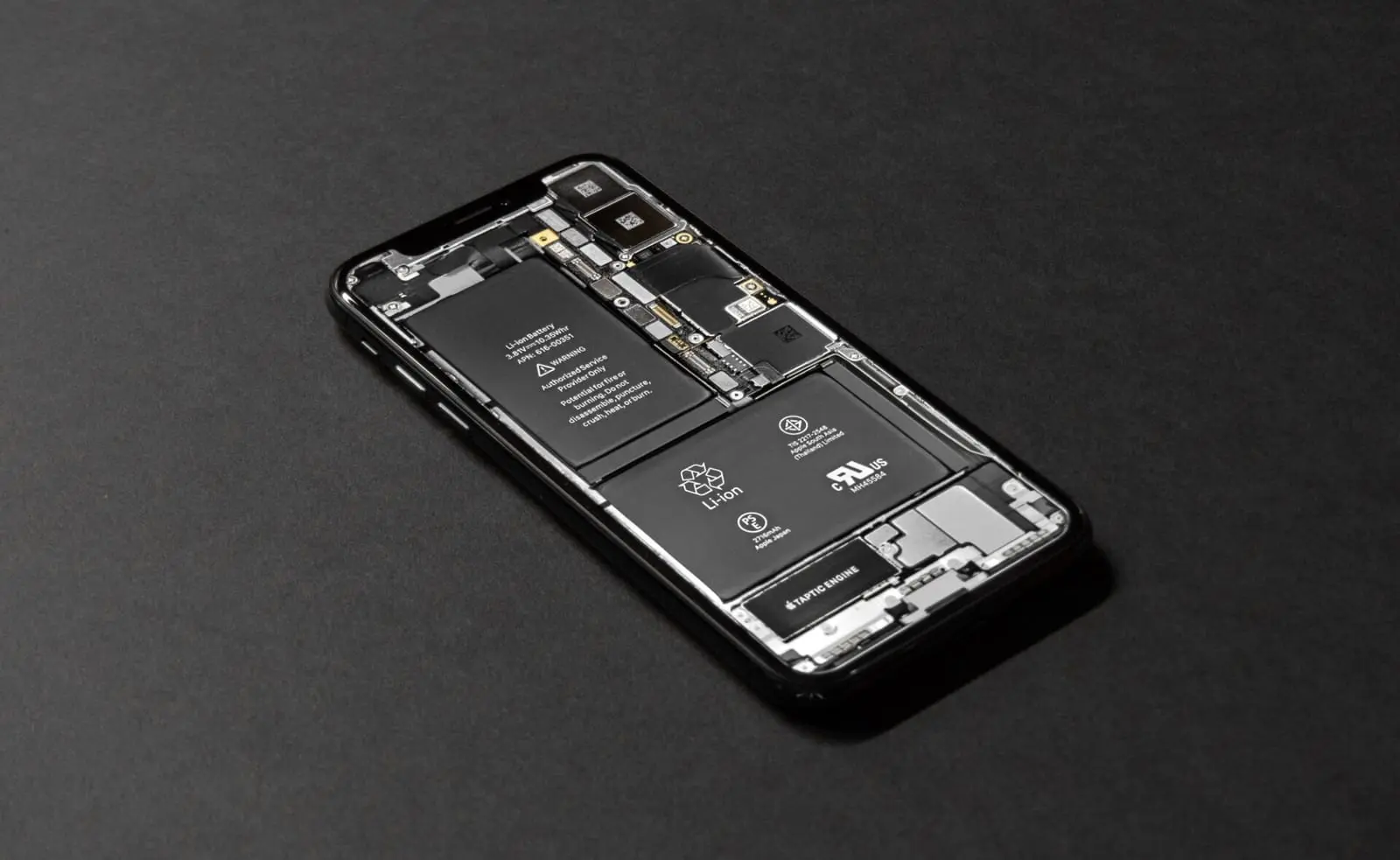
Sodium ion batteries are much cheaper, and the materials are abundant in the ocean
As lithium reserves deplete and the push for greener, less environmentally damaging battery manufacturing technologies grows, researchers have turned to an original solution that few would have considered. Instead of conventional lithium-ion batteries, scientists are working to develop batteries based on salt. [1] Yes, the very same salt we use almost daily for cooking and which is abundant in nature.
This modern solution has caught the attention of several industries, including electric vehicles and various other electronics sectors. This is not surprising – for years, the world has been trying to transition to more eco-friendly electric vehicles, but this process has been significantly slowed by the rare and expensive lithium used in rechargeable batteries. As a result, scientists have actively sought a cheaper, resource-saving alternative. Furthermore, for these innovations to succeed, the batteries must be even more powerful, longer-lasting, more durable, and more economical than those used previously.
While exploring alternative battery manufacturing methods, researchers from the University of Southern Denmark and the University of Copenhagen discovered a new way to increase the energy density and overall efficiency of sodium-ion batteries. They added manganese to the battery's composition. Manganese is a transition metal that is not only stable but can also have multiple oxidation states. In the context of batteries, it aids the charging process, allowing the battery to achieve a higher voltage or a longer lifespan, and potentially a greater capacity to store more energy.
Different materials can be used for batteries, but they have their drawbacks
This is a crucial discovery that could drastically change battery manufacturing and application. After all, lithium-ion batteries are used in almost all devices. These batteries came to light replacing the previously used lead-acid batteries, which were not only very heavy but also dangerous, raising significant concerns about battery toxicity and negative environmental impact. At the time, lithium-ion batteries seemed like a much safer and more efficient alternative.
However, in the attempt to find a different way to produce sufficiently good, less polluting, and less harmful batteries, other metals were also tested. Among them was sodium, which belongs to the same group as lithium and shares the same chemical properties, but differs in size. Due to this size difference, sodium travels more slowly from one electrode to another, which negatively affects the battery charging process. Because lithium is smaller, it moves faster, and this was perhaps the main reason why the industry transitioned to lithium rather than sodium batteries back then.
Unfortunately, in today's world, even lithium batteries no longer seem like the ideal choice, and better alternatives are being sought. With the ever-increasing number of electronic devices requiring lithium batteries, the mining process for this material has started to cause environmental and social problems. Furthermore, current battery production also uses cobalt, the mining of which raises ethical issues, and cobalt itself is quite expensive.
Table salt could trigger a real breakthrough in electronic device manufacturing
A sodium-ion battery solves both of these problems. First, such batteries do not require cobalt. In general, sodium-ion technology does not use any scarce resources. Second, sodium is highly accessible in ocean floor sediments. Manufacturing cathodes does not require rare lithium salts; simple table salt is sufficient. Powerful anodes can be made from lignite, wood, or other biomass. This abundance also means the overall sodium-ion battery price can be significantly lower.
Another advantage is that due to the similar chemistry of lithium and sodium, many materials that have been tested or used for lithium can also be used for sodium battery production. In terms of manufacturing, factories that were used to produce lithium-ion batteries will be easy to adapt for producing sodium-ion batteries. Of course, not everything is perfect, and potential drawbacks are still worth considering.
Lithium and sodium are inherently different elements, so no matter how similar they are, differences remain. Therefore, extensive research is necessary to figure out how to create an efficient sodium-ion battery. Additionally, due to their chemical properties, these materials are used differently. Because sodium is larger, the amount of energy that can be stored per unit of volume decreases, and the charging time is also affected.
As a result, sodium-ion batteries would perform better if the battery size were larger. This means they may be best suited for powering stationary applications and could be widely used in the alternative energy sector. Wind and solar power are excellent candidates in this case because the storage facilities are stationary. Furthermore, wind or solar power is not a constant energy source; it fluctuates, meaning the energy output is uneven, making it highly beneficial to have a battery that stores energy and supplies it more consistently.
In fact, this has already been successfully applied in China's Jiangsu province, where a sodium-ion battery was used as an energy storage facility to regulate power. That is, to store it during times of low electricity consumption and supply it during peak hours. [2]
Scientists continue to explore battery capabilities and view sodium highly optimistically. According to them, in the near future, sodium-ion batteries could replace lithium-ion batteries, which are still used not only in electric vehicles but also in other common electronic devices, such as smartphones or laptops. [3] Of course, we will have to wait a bit longer for this, as the current performance of sodium-ion batteries lags behind lithium-ion batteries by about 20 years. After all, for a long time, all research was focused solely on creating more powerful innovations using lithium rather than sodium.
Frequently asked questions
Will sodium-ion batteries replace lithium?
In the near future, sodium-ion batteries could replace lithium in many applications, especially for stationary energy storage and eventually in electric vehicles and everyday electronics, though the technology is still catching up.
Why are sodium-ion batteries not popular?
Historically, sodium-ion batteries were less popular because sodium ions are larger than lithium ions, which makes them travel slower between electrodes. This results in longer charging times and lower energy density compared to lithium.
What affects the sodium-ion battery price?
The sodium-ion battery price is expected to be significantly lower than lithium because sodium is highly abundant in ocean sediments and table salt, and the batteries do not require expensive metals like cobalt.
Sources
- New Scientist: We're running out of lithium for batteries – can we use salt instead?
- Forbes: Your Next Battery Could Be Made From Salt, Scientists Make Greener Advances
- Forbes: Your Next Battery Could Be Made From Salt, Scientists Make Greener Advances
- Euronews: 'Significant breakthrough': This new sea salt battery has 4 times the capacity of lithium
- DW: The batteries of the future: Sodium instead of lithium
- Scientific American: Rechargeable Molten Salt Battery Freezes Energy in Place for Long-Term Storage
Log in to comment
No comments yet. Be the first.