Stonehenge Altar Stone Origin: Transported from Scotland?
- A recent mineral analysis reveals that Stonehenge's stones likely originated in northeast Scotland, not Wales.
- The stones were transported over 435 miles (700 km), likely by sea, showcasing advanced Neolithic societal organization.
- Stonehenge remains a deeply mysterious site, older than the Pyramids of Giza, with theories ranging from an ancient observatory to a place of healing.
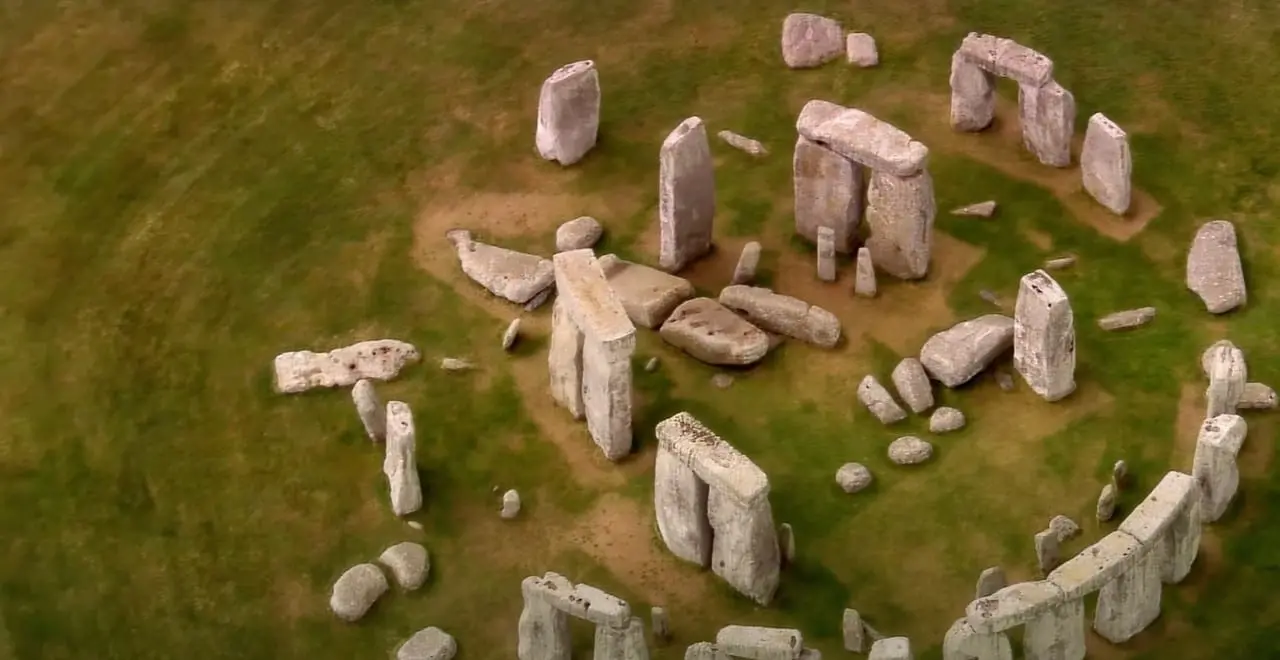
The Stonehenge Altar Stone Origin: Transported by Water?
The famous Stonehenge is still shrouded in mystery, but a recent study shows that the stones traveled a massive distance before finally ending up in England.
After a team of scientists recently conducted a mineral analysis of the stones, it was determined that they were likely brought from present-day northeast Scotland, about 435 miles (700 km) away, rather than from Wales as a century-old theory suggested.
"This is the longest recorded journey for a stone used in a monument of that period," says Nick Pearce, a professor of geography and earth sciences at Aberystwyth University in Wales [1].
Researchers believe the stone may have been transported over open water, suggesting that ancient Britain and its inhabitants were much more advanced than previously thought.
"The difficulty of transporting such a massive cargo overland over a long distance from Scotland, overcoming topographical barriers, suggests that it was transported by sea. Such a route indicates a high level of societal organization in transport within Britain during the Neolithic period," the study states.
In the study published in the journal Nature, researchers examined the chemical composition and mineral age of the Stonehenge stones. It was then revealed that the stones are not local rocks.
Based on the analysis, scientists now state that the stones were moved by water from northeast Scotland. According to the study, their place of origin is likely the vicinity of the Orkney Islands. The research assumes that the stones came from the Old Red Sandstone deposits in northeast Scotland [2].
Until now, the origin of the Stonehenge stones was associated with the Preseli Hills in Wales. The larger sarsen stones, those standing in the peripheral circle of Stonehenge, are from the west, near Marlborough.
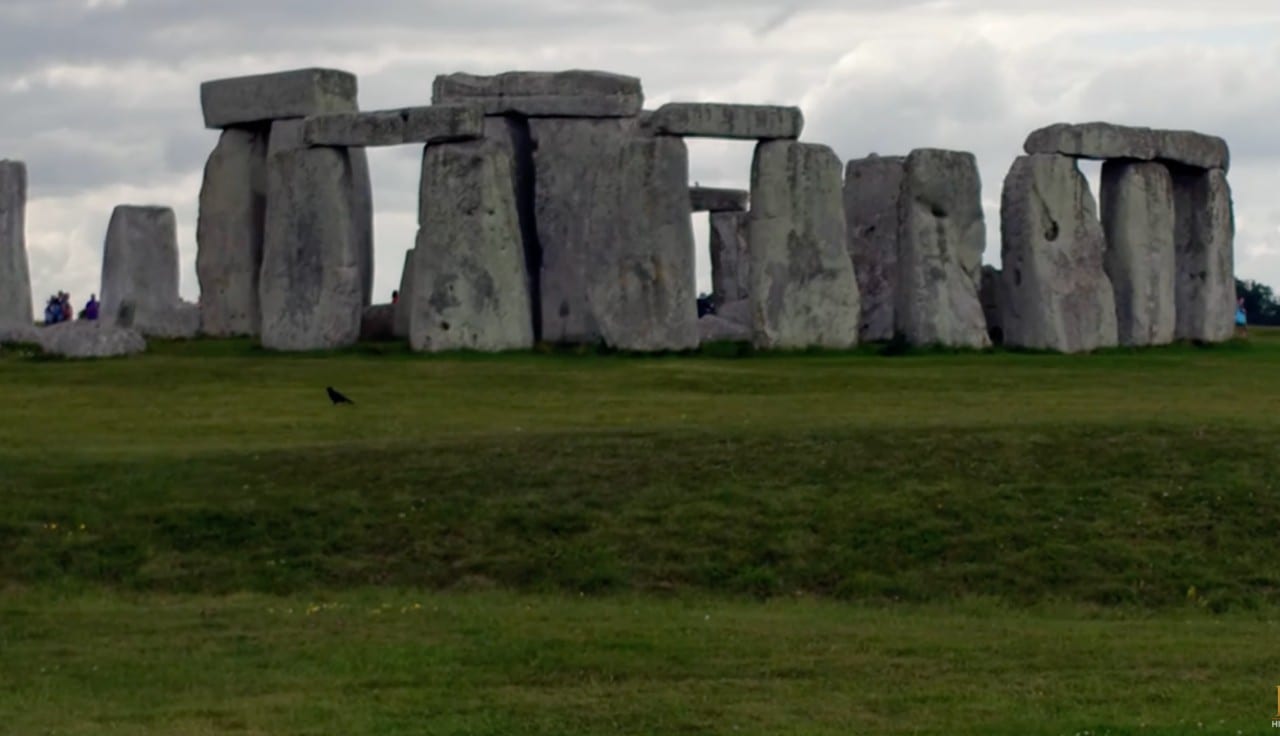
The Origins of the Prehistoric Monument Remain Unclear Today
Stonehenge is a prehistoric stone circle and monument in Wiltshire, England. While the new findings tie its materials to the north—prompting some to wonder whether to look for Stonehenge in Scotland or England—the monument itself remains firmly in Wiltshire. For a long time, it has been and remains shrouded in a veil of mystery, both due to its enigmatic construction and its purpose and significance.
Its mystery and even mystique are driven by several aspects. For example, many questions arise as to how prehistoric people, lacking advanced technology, moved these stones and erected them. There are various theories, ranging from rolling them on logs to complex engineering methods, but no definitive method has been confirmed.
Furthermore, it is known that Stonehenge is aligned with the solstices, particularly with the sunrise during the summer solstice and the sunset during the winter solstice. Such precise alignment suggests that the builders had a good understanding of astronomy, raising questions about their knowledge and capabilities.
Some archaeologists believe that Stonehenge was a temple for sun worship or a site for religious ceremonies, possibly related to ancestor worship. The alignment with the solstices indicates a connection to solar deities or rituals. Cremated human remains were discovered during excavations, suggesting that it may have been a burial site.
Some argue that because the site aligns with celestial events, it functioned as an ancient observatory used to predict seasons or eclipses, which would have been vital to the agricultural society of the time.
Another theory suggests that Stonehenge was a place of healing. It is believed that some stones may have possessed strong healing properties, prompting people to travel there in search of health and well-being.
Modern experiments have shown that Stonehenge has unusual acoustic properties. The stones can reflect and amplify sound, leading some to speculate that the site was designed with acoustic effects in mind, perhaps for ceremonies or rituals.
Speculation Surrounds the Druids' Connection to the Stones
However, even in the 21st century, the identity of the Stonehenge builders remains unknown. Some believe it was built by the Druids, a priestly class in ancient Celtic cultures, although evidence shows it was constructed thousands of years before the Druids existed.
Others speculate that various prehistoric peoples contributed to it, perhaps even with the help of foreign visitors or even beings from other planets.
Over the centuries, many myths have been created about Stonehenge. For example, one legend claims that the wizard Merlin magically moved the stones from Ireland. Another legend states that Stonehenge was originally built by giants in Ireland and was relocated to England by supernatural means.
Despite extensive research, many questions surrounding the stones remain unanswered today. These mysteries continue to excite archaeologists, historians, and the public, keeping Stonehenge one of the most famous and enigmatic sites in the world.
On the other hand, quite a lot is known about the stones. Stonehenge is over 4,500 years old, with construction beginning around 3000 BC. This means it is older than the Great Pyramids of Giza.
Stonehenge was built in several stages over approximately 1,500 years. In the earliest stage, a circular earthwork enclosure was built, and the symbolic stone circle was erected later.
The Stones Are Still Used Today
Stonehenge, along with the nearby Avebury stone circle, was added to the UNESCO World Heritage List in 1986 in recognition of its global cultural significance.
This site is part of a larger protected area that contains many other prehistoric monuments, mounds, and archaeological sites, making it one of the richest prehistoric landscapes in the world.
Stonehenge remains a place of cultural and spiritual importance today. Every year, thousands of people gather at Stonehenge to celebrate the summer and winter solstices, continuing a tradition that dates back thousands of years.
Frequently asked questions
What is the Stonehenge altar stone origin?
Recent studies indicate that the altar stone originated in northeast Scotland, likely near the Orkney Islands, rather than in Wales as previously believed.
Is Stonehenge in Scotland or England?
Stonehenge is located in Wiltshire, England, though recent discoveries show that some of its stones were transported from Scotland.
What is the Stonehenge altar stone weight?
While the exact weight varies by stone, the central altar stone is a massive block weighing approximately six metric tons, making its 435-mile (700 km) journey incredibly impressive.
Log in to comment
No comments yet. Be the first.