Tuskegee Syphilis Study: The Dark History of Medical Ethics
- The Tuskegee syphilis study began in 1932, enrolling 600 Black men from Alabama under the guise of free healthcare.
- Researchers deliberately withheld penicillin, the accepted cure for syphilis, to observe the long-term effects of the disease.
- The unethical experiment lasted for 40 years until whistleblower Peter Buxtun leaked the story to the press in 1972.
- A $10 million settlement was reached in 1974, and the US government established a health benefit program for survivors and their families.
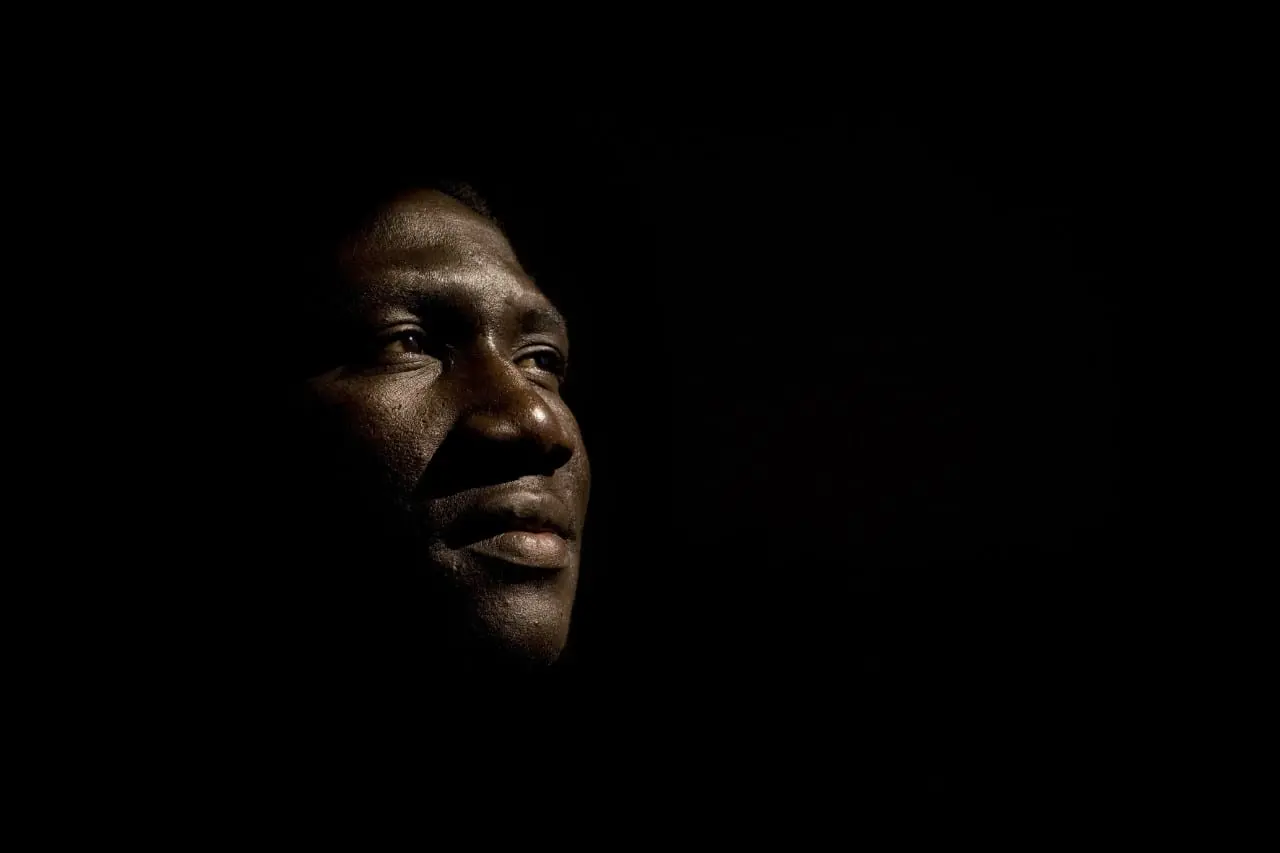
The Tuskegee syphilis study: Black men were tortured to find a cure
Conspiracy theories have become incredibly popular in recent years, and this popularity is partly fueled by the fact that some of them turn out to be true. This article, part of a series exploring historical conspiracies that became reality, examines a dark chapter in medical history.
We will discuss the history, once considered a mere rumor and conspiracy, of how the US Public Health Service watched Black men suffer and ultimately die from the effects of syphilis in the name of science.
Black men, mostly from extremely impoverished backgrounds, were specifically recruited to participate in the "Tuskegee Study of Untreated Syphilis in the Negro Male."
This experiment began in 1932. At its inception, 600 men from Macon County, Alabama, were invited to participate in the trials [1].
Although it was officially claimed that the experiment aimed to control a syphilis outbreak and find an effective treatment for the disease, the trial ultimately devolved into torture reminiscent of a horror movie script, the scale of which was only made public many years later.
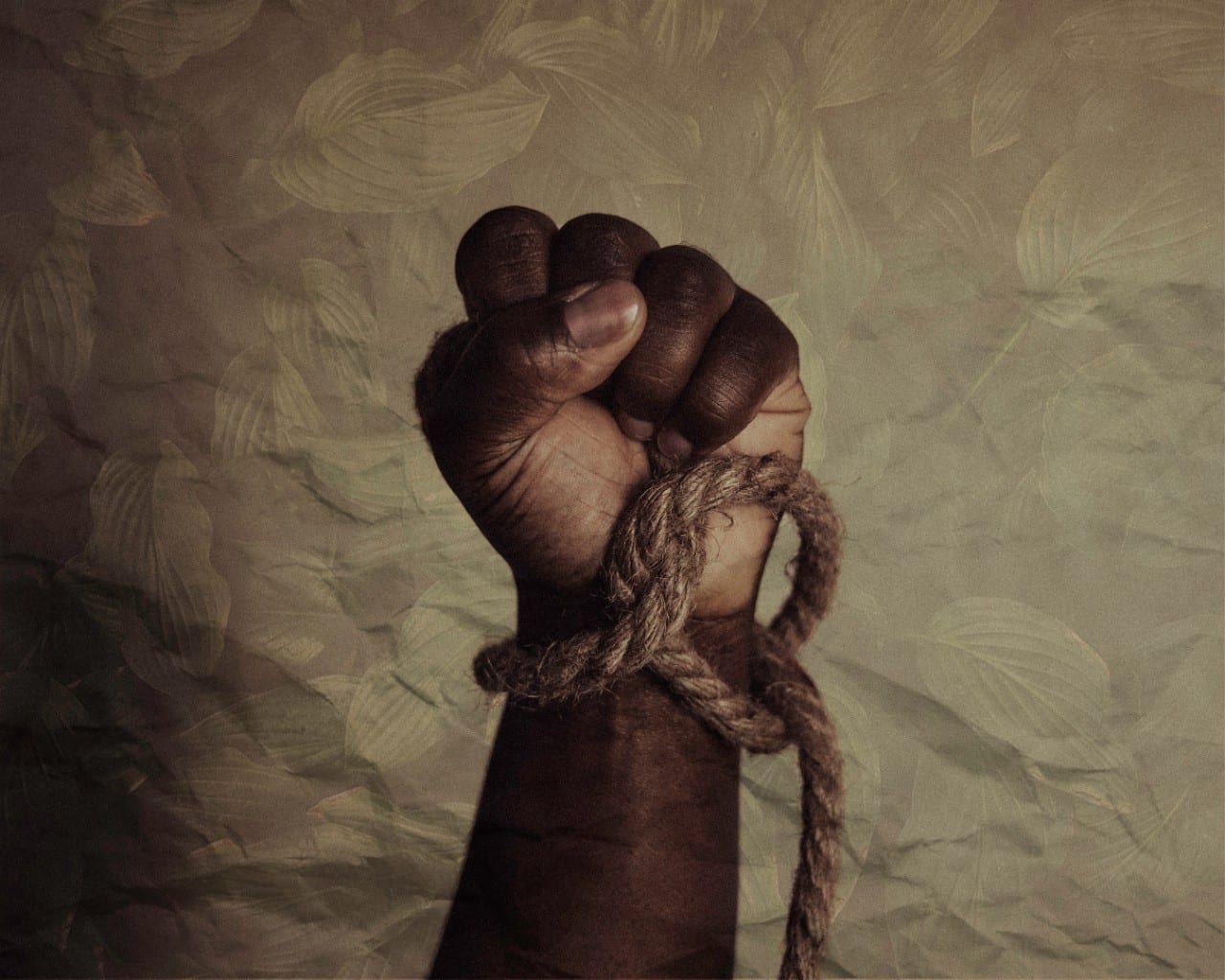
Tuskegee experiment ethics: People were lured into the trials with benefits
In 1932, the US Public Health Service and the Tuskegee Institute announced the start of the "Tuskegee Study of Untreated Syphilis in the Negro Male." The goal of these trials was to observe the symptoms of syphilis and ultimately develop an effective treatment for the disease.
At the time, syphilis was untreatable and uncontrolled. Due to the racist thinking of the era, it was falsely believed that the disease had a different effect on Black bodies than on white ones.
Today, it is known that syphilis is a sexually transmitted infection (STI) caused by the Treponema pallidum bacterium. The infection spreads through direct contact with a syphilis sore, which can appear on the genitals, anus, lips, or mouth. Syphilis can also be transmitted from mother to child during pregnancy or childbirth.
The infection develops in several stages. The first sign of syphilis is usually a sore appearing at the site of infection within three weeks to a few months after exposure. The sore later heals on its own, but the bacteria remain in the body.
Untreated syphilis progresses to a secondary stage characterized by a rash that can appear on the palms of the hands, soles of the feet, or other parts of the body. Other symptoms may include fever, swollen lymph nodes, sore throat, and fatigue. After this stage, syphilis can enter a latent period where there are no symptoms.
If syphilis is left untreated for many years, it can progress to a tertiary stage, which can cause severe health complications such as damage to the brain, nerves, eyes, heart, blood vessels, liver, bones, and joints [2].
Syphilis is diagnosed through blood tests and can be effectively treated with antibiotics, most commonly penicillin. To prevent the disease from progressing and to reduce the risk of severe complications, early detection and treatment are crucial, as is practicing safe sex.
However, all of this was not fully understood in 1932, and the medications needed to treat syphilis had not yet been developed. This perceived need led to the trial. In the 1940s, similar experiments took place in Guatemala, where hundreds of men and women were intentionally infected with syphilis.
Following a similar pattern, the "Tuskegee Study of Untreated Syphilis in the Negro Male" was conducted, initially enrolling 600 men. Of these, 399 had syphilis.
These men were misled and told they would be treated for "bad blood," a term used at the time to describe several ailments, including anemia or fatigue.
Furthermore, in exchange for participating in the study, the men received free medical exams, free meals, and burial insurance. However, they were not actually treated; researchers simply observed what was happening to their bodies.
Substances toxic to humans were used for the experiments, and some men with syphilis were subjected to the treatments available at the time, including arsenic and mercury, which were highly toxic.
During the study, 28 men died directly from syphilis, another 100 died from related complications, and 40 of their spouses also contracted the disease. However, it is believed that the actual number of victims may be even higher.

Tuskegee syphilis study timeline: Horrors exposed by a whistleblower
By 1945, penicillin had become the accepted treatment for syphilis, yet the cruel experiments continued. It is unknown how many more decades this torture under the guise of science would have lasted if not for the actions of a whistleblower within the US Public Health Service.
In the mid-1960s, this unethical study was uncovered by whistleblower Peter Buxtun, who filed official complaints with the government. Although his complaints were ignored, in 1972, Buxtun finally leaked documents to an Associated Press reporter who dared to publish the story about the syphilis "treatment" trials [3].
A massive scandal ensued. The Assistant Secretary for Health and Scientific Affairs appointed an advisory panel to review and evaluate the research study.
Ultimately, the advisory panel concluded that the study was "ethically unjustified" and that its results were "disproportionately meager compared with known risks to human subjects involved." As a result, in late 1972, the panel advised terminating the study, which was officially done a month later.
In 1973, the expert panel also advised the Secretary of the Department of Health, Education, and Welfare to instruct the US Public Health Service to provide all necessary medical care to the Tuskegee syphilis study survivors.
The Tuskegee Health Benefit Program (THBP) was established to provide these services. Furthermore, in that same year, 1973, a class-action lawsuit was filed on behalf of the study participants and their families, leading to a $10 million out-of-court settlement in 1974.
In 1975, the participants' wives and children were added to the program. In 1995, the program was expanded to include not only medical but also broader health care benefits.
Finally, on May 16, 1997, then-US President Bill Clinton issued a formal presidential apology for the study [4].
The last study participant passed away in 2004, and the last widow receiving government benefits died in 2009. The children of the participants in this horrific study continue to receive medical and health care benefits today.
Frequently asked questions
What was the Tuskegee syphilis study?
It was an unethical medical experiment conducted by the US Public Health Service from 1932 to 1972, where Black men with syphilis were left untreated to observe the disease's progression.
What were the ethical issues in the Tuskegee experiment?
The Tuskegee experiment ethics were severely compromised because participants were misled, never gave informed consent, and were denied life-saving penicillin even after it became the standard treatment.
Are there any Tuskegee syphilis study survivors today?
The last direct participant of the study passed away in 2004, and the last widow receiving benefits died in 2009. However, some children of the participants still receive health benefits today.
Log in to comment
No comments yet. Be the first.