When Did the Roman Empire Fall? The True Timeline
- The fall of the Western Roman Empire was a gradual process spanning centuries, rather than a single event.
- August 24, 410, is widely considered a pivotal date when the Visigoths successfully sacked the city of Rome.
- Many historians point to September 4, 476, as the formal end of the Western empire, when Emperor Romulus Augustulus abdicated.
- The Eastern Roman Empire survived much longer, though its power was severely reduced by Arab conquests in the seventh century before finally falling in 1453.
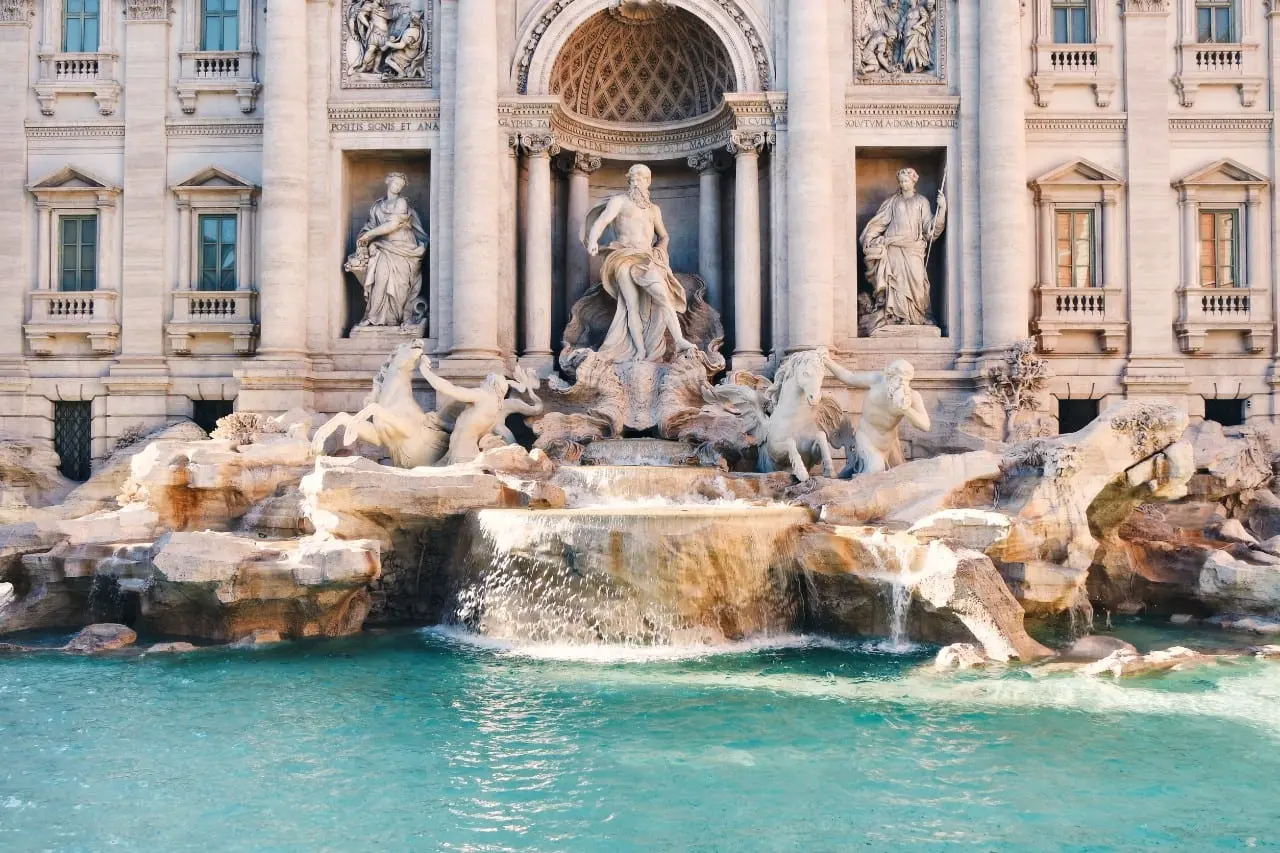
When did the Roman Empire fall? A collapse spanning centuries
Many historians believe that the fall of the Western Roman Empire occurred when Emperor Romulus Augustulus abdicated the throne, but not everyone agrees [1].
Indeed, the "fall of Rome" generally refers to the collapse of the Western Roman Empire in the fifth century. However, there is no universal agreement on the exact date or the causes of such an event. Some historians even argue that the empire survived until the East collapsed centuries later, which makes even the question of what century the Roman Empire fell in hard to answer.
Interestingly, the Holy Roman Empire is not the same entity whose iron legions conquered almost the entire world known to ancient Europe. The Holy Roman Empire was not even based in Italy, but rather in the territories of modern-day Germany, Austria, the Netherlands, Czechia, and parts of Italy. The unification of these lands occurred in 962, and the new empire was intended to be a continuation of the Western Roman Empire.
The Holy Roman Empire endured for about eight and a half centuries. Eventually, its complex system of governance degraded and weakened central authority, which ultimately led to its end.
Earlier, emperors had divided Rome into more manageable pieces, leading to the creation of the Western and Eastern Roman Empires. Nevertheless, by the end of the fifth century AD, the Western Roman Empire—stretching from Britain to Italy—collapsed and was replaced by a patchwork of "barbarian" kingdoms.
"Some of it was taken over by invaders, and some of it fell apart," stated Bryan Ward-Perkins, a historian at Oxford University and author of "The Fall of Rome and the End of Civilization."
On the other hand, exactly how this affected the people living through it remains highly debated.

August 24, 410: The most widely cited fall of Rome date
On August 24, 410, a Visigoth army sacked the city of Rome—the first time it had fallen to an enemy since the Gauls captured it during the early Roman Republic, nearly 800 years prior.
The Visigoths had fled Hunnic invasions in Eastern Europe during the fourth century. However, in 378, after defeating the Roman army at the Battle of Adrianople (now Edirne, Turkey), they were granted land on the empire's northern border to help control and protect against other invaders.
A few decades later, they turned on the empire, invading Italy in 408 before ultimately besieging and sacking Rome itself in 410.
By that time, the center of the Roman Empire was in Constantinople, and the Western emperors lived in Milan or Ravenna in northern Italy. Yet, Rome remained the "eternal city" and the sacred heart of the empire, leading many of its inhabitants to view this event as the ultimate end.
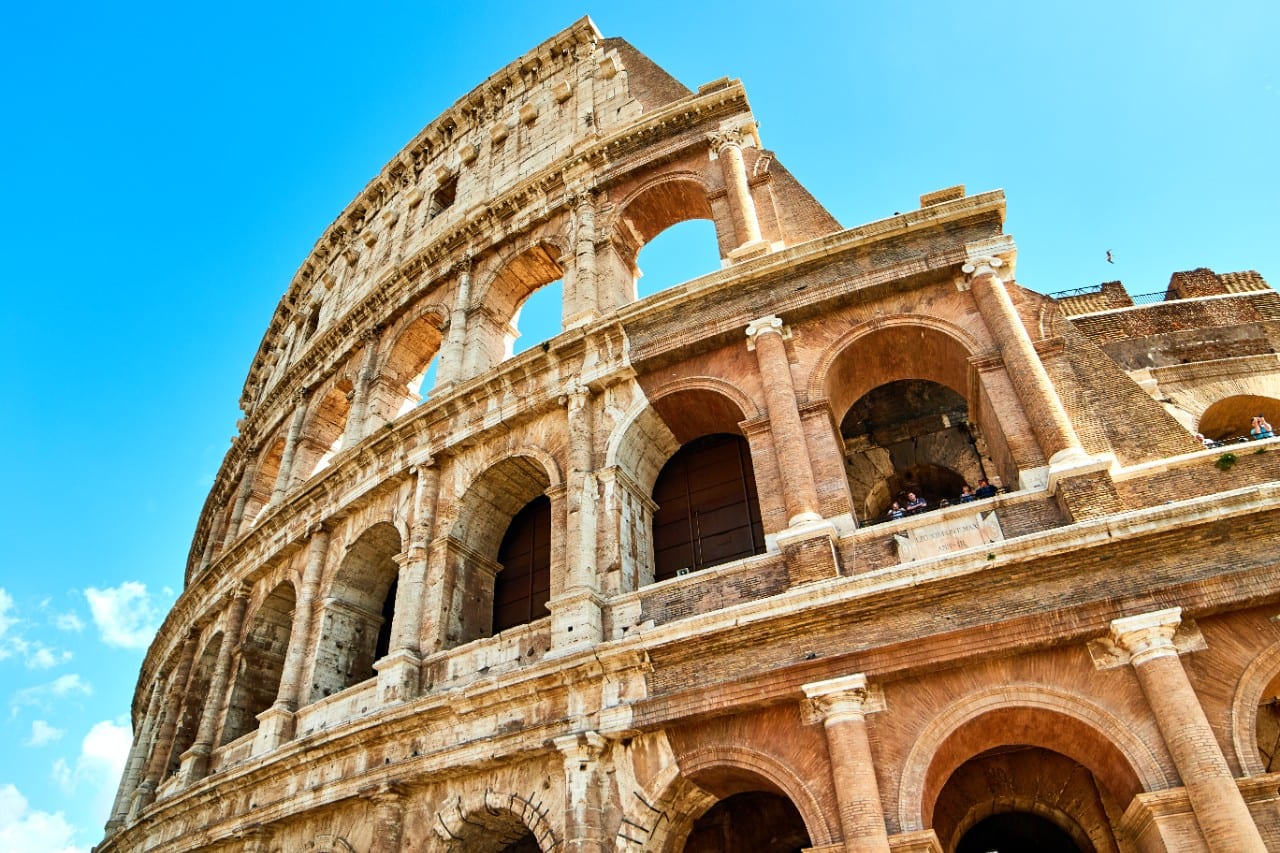
What happened after the fall of Rome? Strong cultural shock, but limited practical impact
In terms of the city's architecture, many famous monuments and buildings were left untouched. Because the Visigoths were Christians, they allowed people to take shelter in churches. Furthermore, the invaders withdrew from Italy after only a few years.
Still, some historians believe the formal end of the Western Roman Empire occurred decades later. Specifically, September 4, 476, is highlighted as a key moment when Odoacer, the first barbarian king of Italy, forced the young Emperor Romulus Augustulus to abdicate.
To detail the timeline, Odoacer was a Germanic Roman general who professed loyalty to the Eastern Roman Emperor and captured Romulus in Ravenna. Odoacer did not kill Romulus; instead, the deposed emperor was sent to live with relatives. (Odoacer ruled from Ravenna until 493, when he was killed by an invading Ostrogoth army led by Theodoric the Great, who established a powerful new kingdom in Italy.)
"It was a sort of important moment," asserted Peter Heather, a historian at King's College London and author of "The Fall of the Roman Empire: A New History of Rome and the Barbarians" [2].
By that time, many regions of the Western empire were already essentially independent kingdoms. In other words, if you are looking for a symbolic moment to mark the end, this is it.
When did the Eastern Roman Empire fall? Arab conquests and the final decline
By the fifth century AD, the empire's focus had shifted east to Constantinople (modern-day Istanbul). Back in 330 AD, the city was rebuilt by Emperor Constantine the Great, who moved the imperial capital to his "New Rome."
Some experts argue that the eastern half was still the Roman Empire—certainly not unchanging, but representing a continuity of the state rather than a sharp break. While Constantinople officially fell to the Turks in 1453, Heather sees its true decline beginning during the Arab invasions from 632 to 661, when they seized Egypt, the Levant, and parts of Anatolia from the Eastern Roman Empire.
"The Arabs took about three-quarters of the empire's revenue and about three-quarters of its territory," Heather said. "It's a completely different entity after the Arab conquest, because it reduced the empire, turning a global power into a regional one."
Frequently asked questions
When did the Roman Empire fall?
The fall of the Roman Empire was a gradual collapse. The Western Roman Empire is generally considered to have fallen in the fifth century, with key dates being the sack of Rome in 410 AD and the abdication of Romulus Augustulus in 476 AD.
When did the Eastern Roman Empire fall?
The Eastern Roman Empire survived for nearly a millennium longer than the West. It officially fell when Constantinople was captured by the Ottoman Turks in 1453.
What happened after the fall of Rome?
After the fall of the Western Roman Empire, its former territories from Britain to Italy were replaced by a patchwork of independent Germanic kingdoms. However, much of the Roman culture, architecture, and religious structures remained intact.
Log in to comment
No comments yet. Be the first.