Why Did People Eat Mummies? The Macabre Medical History
- For nearly 500 years, ground Egyptian mummies were prescribed as medicine across Europe to cure ailments ranging from headaches to the plague.
- The massive demand for corpse medicine led to a booming trade in fake mummies made from the remains of executed criminals and peasants.
- By the 19th century, the medical use of mummies declined, but Victorian elites began hosting theatrical mummy unwrapping parties.
- The macabre fascination with mummies eventually faded in the early 20th century due to shifting ethical views and the myth of the mummy's curse.
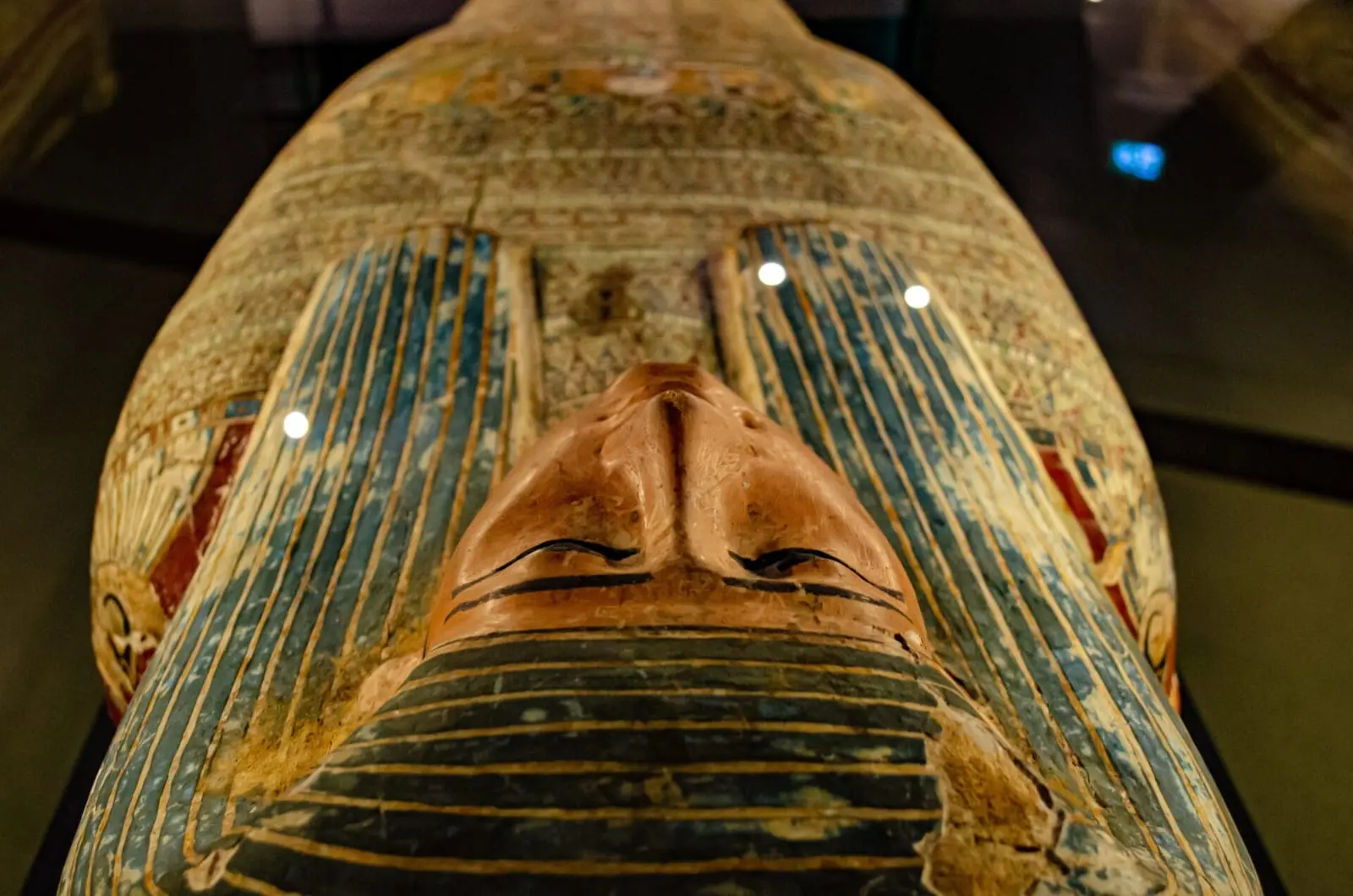
Why did people eat mummies as a prescription medicine in Europe for 500 years?
Many of us might wonder why people once believed that cannibalism was beneficial to their health. The answer offers a glimpse into the most macabre gaps of European history during a time when Europeans were obsessed with Egyptian mummies (and especially with eating them).
Initially, they were driven by the belief that ground and tinctured human remains could cure just about anything, from nearly all forms of the plague to simple headaches. Later, they were influenced by the macabre ideas of the Victorian era regarding after-dinner entertainment. In other words, the remains of ancient Egyptians thoroughly fascinated the public right up until the 19th century [1].
It is worth noting that "mummy," a product created from mummified bodies, was a medicinal substance consumed by both the rich and the poor for centuries. It was readily available in pharmacies, which stocked the preparation made from mummy remains brought over from Egyptian tombs.
Ultimately, mummies became a widely accepted prescription drug that remained in use for the next 500 years.
Did eating mummies actually work, or were pharmacists just selling ground bones?
While today we have a vast array of chemical supplements and medications, in the pre-antibiotic world, doctors routinely prescribed ground skulls, bones, and flesh to treat various diseases, relieve pain, and reduce bodily swelling.
Nevertheless, not everyone was convinced of this recipe's effectiveness, leaving many to wonder: did eating mummies actually work? Physician Guy de la Fontaine doubted that mummy was a genuinely useful medicine, especially after he traveled to Alexandria in 1564 and witnessed fake mummies being manufactured from the corpses of deceased peasants [2].
In short, people could be easily fooled into trusting and consuming substances of highly questionable efficacy. Historical records focus more on the supposed cures than on side effects, but patients were clearly relying on substances of unclear effect.
However, the prevalence of fakes illustrates one crucial point: the demand for dead flesh in a medical context was absolutely massive, and the supply of genuine Egyptian mummies simply could not keep up. There were, unfortunately, not enough real mummies to go around.
Napoleon's 1798 expedition to Egypt sparked curiosity and brought hordes of mummies back to Europe
Of course, not all doctors believed that ancient mummies were the best medicine [3]. Some argued that fresh meat and blood contained significantly more vitality and beneficial properties.
The claim that "fresh cures best" convinced even the highest nobility. King Charles II of England famously took a medicine made from human skulls after suffering a seizure, and doctors continued to use human skulls to treat neurological diseases as late as 1909.
For the royal elite, eating mummies seemed like a highly effective and perfectly normal practice because doctors insisted the medicine was made from ancient pharaohs. By the Victorian era, people had largely stopped consuming mummies to cure diseases. However, the fascination evolved. Instead of eating them, Victorian citizens began hosting "unwrapping parties," where Egyptian corpses were opened up as entertainment at private gatherings.
As early as 1834, surgeon Thomas Pettigrew unwrapped a mummy at the Royal College of Surgeons, capitalizing on an era when autopsies and surgeries were often public spectacles. Such processions were soon mimicked by private party hosts, provided they were wealthy enough to have a real mummy delivered right to their doorstep.
The thrill of seeing dried flesh and bones, and watching ancient bandages being torn away, was considered a sign that society was educated and refined enough to appreciate this kind of theatricality.
When did people stop eating mummies and unwrapping them? While consumption faded in the 19th century, the unwrapping parties finally came to an end at the start of the 20th century, as the macabre motives began to be viewed as poor taste, and the inevitable destruction of archaeological remains was recognized as deeply regrettable.
The shift in attitude was undoubtedly accelerated by the discovery of Tutankhamun's tomb and the sudden death of Lord Carnarvon, the expedition's financial backer, in 1923, an event that quickly popularized the myth of the mummy's curse.
As for modern mummy spectacles, in 2016, Egyptologist John J. Johnston hosted the first public mummy unwrapping since 1908. Naturally, the "mummy" was simply an actor wrapped in bandages, but the event was still described as an intoxicating experience.
The fact that this performance took place in a London hospital served as a reminder that mummies cross multiple boundaries of human experience, from early medicine to unprecedented macabre entertainment. On the other hand, it was not just a show; it was a blend of art and science (at least according to Johnston, who organized the captivating spectacle to mirror those held in the Victorian era).
Interestingly, the modern black market for smuggled antiquities, which still includes mummies, is estimated to be worth around $3 billion today.
The crucial difference now is that no serious archaeologist or medical professional would ever unwrap a real mummy for entertainment, nor would they ever suggest eating one, even if the allure of these ancient bodies still holds a powerful grip on adrenaline fanatics and history enthusiasts alike.
Frequently asked questions
Why did people eat mummies in the past?
For about 500 years, Europeans believed that ground human remains, specifically Egyptian mummies, had incredible healing properties. Doctors prescribed "mummy" powder to treat everything from headaches to the plague.
Did people get sick from eating mummies?
While historical texts focus heavily on the supposed cures, people were easily fooled into consuming substances of highly questionable efficacy, including fake mummies made from the remains of peasants.
When did people stop eating mummies?
The medical consumption of mummies declined by the 19th century. However, the fascination continued through the Victorian era with theatrical unwrapping parties, which finally ended in the early 20th century as ethical views shifted.
Log in to comment
No comments yet. Be the first.