Who Invented Sudoku? Howard Garns, Maki Kaji and the Puzzle's History
- Howard Garns created the modern puzzle as "Number Place" for Dell Pencil Puzzles and Word Games in May 1979.
- Maki Kaji, founder of Japan's Nikoli puzzle magazine, found it in 1984 and shortened "suuji wa dokushin ni kagiru" (the numbers must be single) to sudoku.
- New Zealander Wayne Gould sold computer-generated sudoku to The Times of London, which ran its first on Nov. 12, 2004 and set off the worldwide boom.
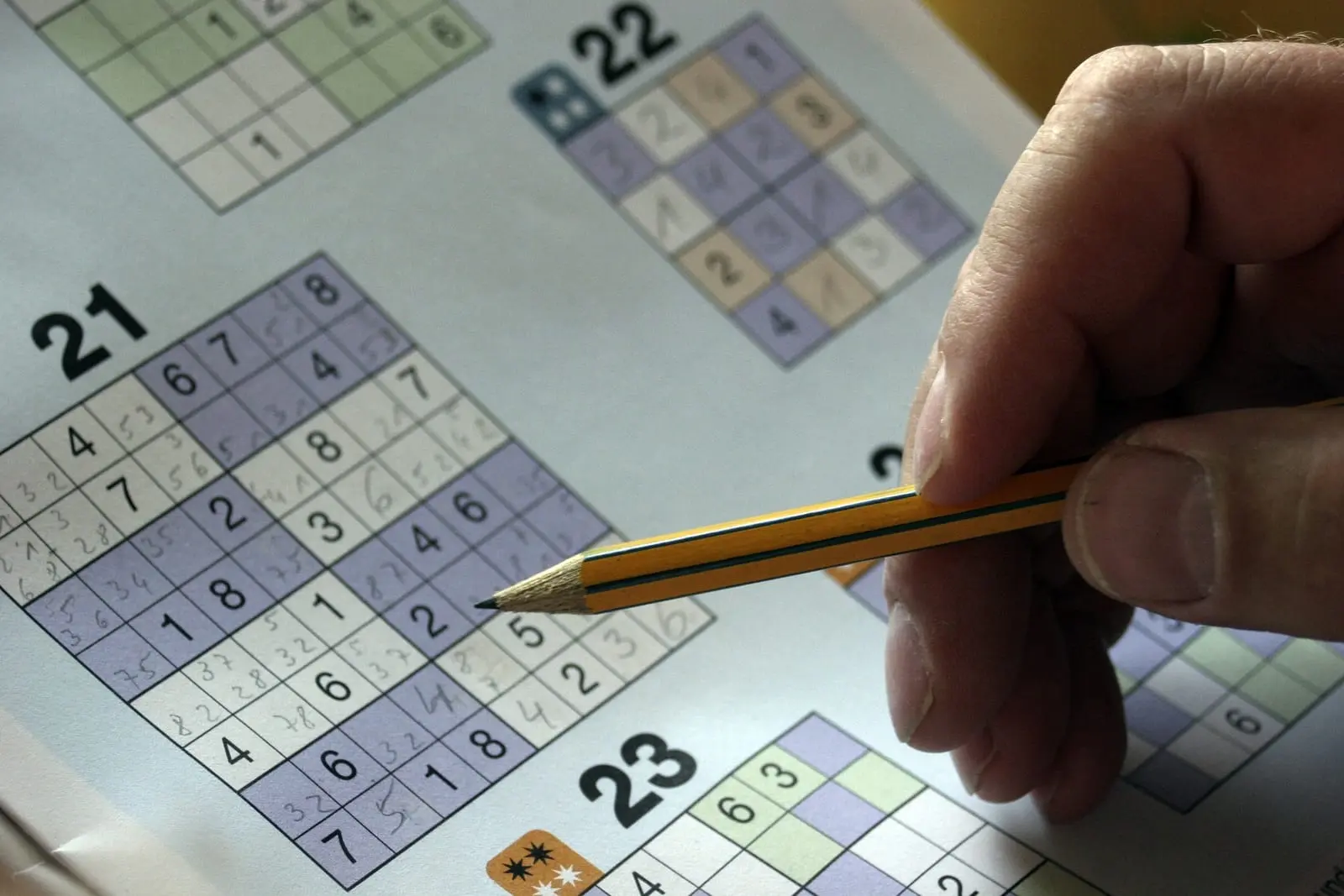
Sudoku looks Japanese, sounds Japanese and is sold under a Japanese name, so most people assume it was invented in Japan. It wasn't, at least not the modern version. The puzzle as we know it was created by an American architect, Howard Garns, and first printed in a US puzzle magazine in 1979 under the plain name "Number Place." A Japanese publisher, Maki Kaji, discovered it a few years later, gave it the name sudoku and helped turn it into one of the most popular puzzles on the planet.
Here is the full story: the 19th-century French forerunners, the American who designed the grid, the man known as the "Godfather of Sudoku," the New Zealander who wrote a computer program and sold it to a London newspaper, and how the craze reached American breakfast tables.
Who invented sudoku? The short answer
If you want one name, it's Howard Garns. PuzzCulture, the puzzle history blog of PuzzleNation, credits Garns with creating Number Place for Dell Pencil Puzzles and Word Games in May 1979. His puzzles used the same rules sudoku uses today: fill a 9 by 9 grid so that each row, each column and each of the nine 3 by 3 boxes contains the digits 1 to 9 exactly once.
The name, however, belongs to Maki Kaji, the founder of the Japanese puzzle publisher Nikoli. And the worldwide boom came from Wayne Gould, a puzzle fan from New Zealand who sold computer-generated sudoku to The Times of London in 2004. PuzzCulture calls those three the most important people in the puzzle's history.
| Person | Role | When |
|---|---|---|
| Howard Garns (US) | Created the modern puzzle as "Number Place" for Dell | May 1979 |
| Maki Kaji (Japan) | Introduced it in Nikoli, named it sudoku | 1984 |
| Wayne Gould (New Zealand) | Wrote a puzzle-generating program, sold sudoku to The Times | Nov. 12, 2004 |
Before sudoku: Latin squares and French magic squares
The idea of placing numbers so that none repeats in a row or column is old. The BBC notes that some people credit the 18th-century Swiss mathematician Leonhard Euler, whose work on so-called Latin squares follows the same row-and-column principle, and others trace number-placement puzzles back through the Arab world, India and China centuries earlier. Those claims are about the general idea, not the puzzle on your phone.
The closest early relatives appeared in France. In the late 19th century, French newspapers ran number puzzles built on similar grids. According to the BBC, one of them, called "le carré magique diabolique" (the diabolical magic square), was published by the newspaper La France in July 1895. Those puzzles faded away in the early 20th century and had no direct line to the version that took over the world a century later.
Howard Garns and Dell's "Number Place"
The modern puzzle starts in the United States. Howard Garns, an architect and puzzle enthusiast, designed Number Place for Dell, the American publisher of puzzle magazines. It first ran in Dell Pencil Puzzles and Word Games in May 1979.
Compared with a Latin square, which only asks that numbers not repeat in rows and columns, Number Place adds the nine 3 by 3 boxes, and that is what gives sudoku its familiar look and its particular logic. In American puzzle magazines, the puzzle kept running under names such as Number Place or To the Nines, according to PuzzCulture.
Not everyone was impressed at first. Goto Yoshibumi, who later worked at Nikoli and now chairs the Japan Sudoku Association, told Nippon.com that the early puzzles he tried were "so easy as to be boring." The puzzle needed a new home and a new audience to take off.
Maki Kaji, Nikoli and the name "sudoku"
Maki Kaji was born in Sapporo, Japan, in 1951. After dropping out of Keio University in Tokyo, he set up the puzzle magazine Nikoli, whose first issue came out in August 1980, according to the BBC. It was Japan's first puzzle magazine, and Kaji founded it with two school friends.
In 1984, Kaji came across Number Place in an American magazine. "It was a very interesting puzzle, fun to solve," he said in a 2008 speech quoted by the BBC. "But the name, Number Place, did not hit me. I wanted to create a Japanese name." He landed on suuji wa dokushin ni kagiru, which translates roughly as "the numbers must be single." Colleagues pushed him for something catchier, and the long phrase was shortened to sudoku. Kaji later said he came up with it in about 25 seconds while rushing off to a horse race.
Kaji always insisted he hadn't invented the game. "No, I just found it and gave it a new name," he would explain, according to Goto. What Nikoli did add was a community. The magazine asked readers to submit their own puzzles, and that reader pipeline produced better and better sudoku, along with many other logic puzzles such as kakuro. Japanese puzzle fans embraced it, and sudoku became one of the country's most popular puzzles over the next two decades.
Kaji never trademarked sudoku outside Japan. When Nikoli tried to register the name in Britain in 2005, it had already become such a common word that it was treated as an ordinary noun, Goto told Nippon.com. Kaji said in the end it was best that as many people as possible could enjoy the puzzle.
Wayne Gould and the 2004 London boom
The jump from Japan to the rest of the world came through a puzzle fan from New Zealand. Wayne Gould picked up a book of sudoku in a Tokyo bookstore during a 1997 trip, got hooked, and wrote a computer program that could generate new puzzles automatically. He then sold the puzzle to The Times of London, which ran its first sudoku on Nov. 12, 2004, according to Nippon.com.
The effect was immediate. Within months, nearly every British newspaper was printing a daily sudoku. When Kaji and Goto went to London to see it for themselves, they found commuters greeting each other with "Did you solve the sudoku this morning?" Gould didn't have the resources to supply everyone, so many newspapers and publishers went to Nikoli for puzzles instead.
How sudoku took over America
From London, the craze spread to the United States, India, Australia, South Africa and beyond, Nippon.com reports. American newspapers began running a daily sudoku next to the crossword, and Nikoli's puzzles sold very well in the US, Goto told Nippon.com. So the puzzle that started in a Dell magazine in 1979 came home to the US a quarter century later under its Japanese name.
Today sudoku is played in tournaments around the world. The BBC estimated in 2021 that millions of people play some version of it every day. You don't need a newspaper anymore: you can play today's sudoku online for free, pick an easy sudoku to learn the moves, or try a hard sudoku when you are ready for advanced techniques.
Maki Kaji's death in 2021
Maki Kaji died of bile duct cancer at his home in Tokyo on Aug. 10, 2021. He was 69. Nikoli announced his death on its website, and he had stepped down as the company's president only the month before. Tributes came from puzzle fans and constructors around the world. Kaji had traveled widely to sudoku events, including Brazil's first national sudoku tournament in São Paulo in 2012, and was routinely stopped on the street for autographs.
He also wanted to be remembered for more than one puzzle. "I don't want to just be the godfather of Sudoku," he once said, as quoted by PuzzCulture. "I'd like to spread the fun of puzzles until I'm known as the person who established the puzzle genre in Japan."
Why sudoku became so popular
Part of the appeal is that sudoku needs no math. The digits are just symbols; the puzzle would work the same with letters, colors or pictures, which is why our sudoku for kids uses pictures instead of numbers. It also needs no language, which matched Nikoli's goal of "culture independent" puzzles that anyone in any country could solve. And every puzzle has a clear ending: when the grid is full and nothing repeats, you're done.
Is it good for you? Studies link regular word and number puzzles with better scores on thinking tests, though they can't prove puzzles prevent memory loss. We look at that research in detail in are crosswords good for your brain. If you prefer words to numbers, try our daily crossword, or share crosswords for kids with a young solver.
Frequently asked questions
Who invented sudoku?
The modern puzzle was created by American architect Howard Garns, published as "Number Place" by Dell in May 1979. Maki Kaji of the Japanese publisher Nikoli later named it sudoku.
Is sudoku Japanese?
The name is Japanese and Japan's Nikoli magazine made the puzzle popular from 1984, but the modern puzzle first appeared in a US magazine in 1979.
What does sudoku mean?
Sudoku is a shortening of the Japanese phrase suuji wa dokushin ni kagiru, roughly "the numbers must be single," meaning each digit appears only once in a row, column and box.
Who was Maki Kaji?
Maki Kaji (1951–2021) founded the puzzle magazine Nikoli in 1980, introduced Number Place to Japan in 1984 and named it sudoku. He was known as the Godfather of Sudoku and died of bile duct cancer in Tokyo on Aug. 10, 2021, at 69.
When did sudoku become popular in the US?
After The Times of London began printing sudoku on Nov. 12, 2004, the craze spread from Britain to the United States and many other countries.
Log in to comment
No comments yet. Be the first.