Crossword Puzzles for Kids: A Free Kids' Crossword Every Day
Here is today's crossword for kids: 12 short words, friendly clues and a grid that fits on a phone screen. Kids can tap a square and type, check their letters and reveal a letter when they get stuck. A new kids' crossword arrives every day, and every past puzzle stays in the list below. Parents and teachers can print any puzzle with one tap.
Today's crossword Kids' Crossword No. 31 · October 16, 2026
Across
Down
Previous crosswords
- Kids' Crossword No. 30October 15, 2026 · 12 words
- Kids' Crossword No. 29October 14, 2026 · 12 words
- Kids' Crossword No. 28October 13, 2026 · 12 words
- Kids' Crossword No. 27October 12, 2026 · 12 words
- Kids' Crossword No. 26October 11, 2026 · 12 words
- Kids' Crossword No. 25October 10, 2026 · 12 words
- Kids' Crossword No. 24October 9, 2026 · 12 words
- Kids' Crossword No. 23October 8, 2026 · 12 words
- Kids' Crossword No. 22October 7, 2026 · 12 words
- Kids' Crossword No. 21October 6, 2026 · 12 words
- Kids' Crossword No. 20October 5, 2026 · 12 words
- Kids' Crossword No. 19October 4, 2026 · 12 words
- Kids' Crossword No. 18October 3, 2026 · 12 words
- Kids' Crossword No. 17October 2, 2026 · 12 words
- Kids' Crossword No. 16October 1, 2026 · 12 words
- Kids' Crossword No. 15September 30, 2026 · 12 words
- Kids' Crossword No. 14September 29, 2026 · 12 words
- Kids' Crossword No. 13September 28, 2026 · 12 words
- Kids' Crossword No. 12September 27, 2026 · 12 words
- Kids' Crossword No. 11September 26, 2026 · 12 words
- Kids' Crossword No. 10September 25, 2026 · 12 words
- Kids' Crossword No. 9September 24, 2026 · 12 words
- Kids' Crossword No. 8September 23, 2026 · 12 words
- Kids' Crossword No. 7September 22, 2026 · 12 words
- Kids' Crossword No. 6September 21, 2026 · 12 words
- Kids' Crossword No. 5September 20, 2026 · 12 words
- Kids' Crossword No. 4September 19, 2026 · 12 words
- Kids' Crossword No. 3September 18, 2026 · 12 words
- Kids' Crossword No. 2September 17, 2026 · 12 words
- Kids' Crossword No. 1September 16, 2026 · 12 words
What makes these crosswords right for kids
Our crossword puzzles for kids are built for readers from about first to fourth grade. Every puzzle has 12 words, and most answers are three to six letters long: animals, colors, numbers, body parts, food, toys, school things, weather and seasons. The clues are short and concrete, written the way you would explain a word to a child: "A cat says ___", "Opposite of up", "You wear it on your head".
The grid is a free-form crossword, so the words cross where they share a letter. That keeps the puzzle small and open, with no maze of black squares, and every solved word gives a letter to the next one. A typical puzzle takes a child 5 to 15 minutes, depending on age and reading level.
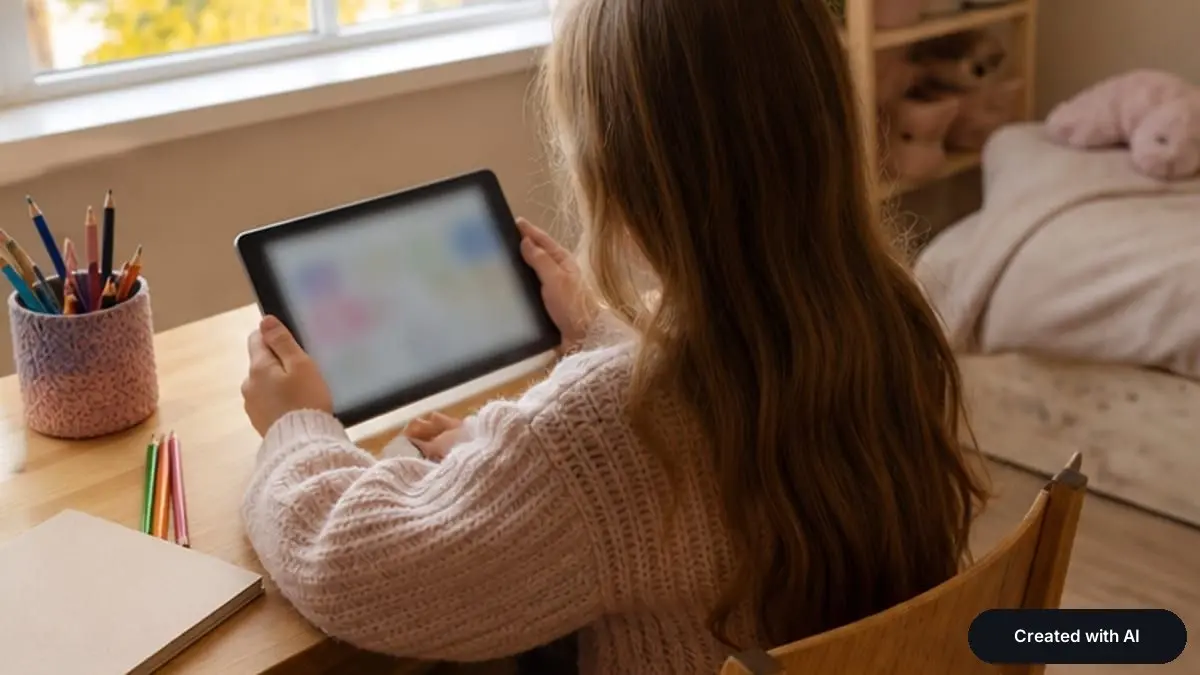
How kids play the crossword
- Tap a white square. The word lights up and its clue appears in the bar above the grid.
- Type the letters. The keyboard opens on a phone or tablet. Each letter moves to the next square by itself.
- Tap again to turn. Where two words cross, tapping the same square again switches between the Across word and the Down word.
- Check. The Check button shows any wrong letters in red, so kids can fix them on their own.
- Get a little help. Reveal letter fills in one square, and Reveal word fills in the whole word.
- Finish! When every square is right, a message shows the time it took.
Progress is saved in the browser on that device, so a puzzle started before dinner can be finished after.
Tips for parents
- Read the clues together. Younger kids often know the answer but need help reading the clue. Reading aloud turns the puzzle into a shared game.
- Count the squares first. The number after each clue shows how many letters the word has. Counting helps kids rule out answers that are too long or too short.
- Start with the easiest clue. Let your child pick the clue they are sure about. Every finished word gives them free letters for the next one.
- Let them use Check. Seeing which letters are red and fixing them is good spelling practice, and kids like being able to correct their own work.
- Keep it short and fun. One puzzle a day is plenty. If a word is too hard, reveal it and talk about what it means.
Why crosswords are good for kids
Crosswords mix reading, spelling and thinking in one small game. To fill a word, a child reads a clue, thinks of possible answers, counts letters and spells the answer correctly, because one wrong letter breaks the crossing word. Clues teach new words and new ways to describe familiar things, like learning that the opposite of "cold" is "hot" or that a bird's home is a "nest". And because the puzzle is finished when the last square is filled, kids get a clear, satisfying sense of having done something.
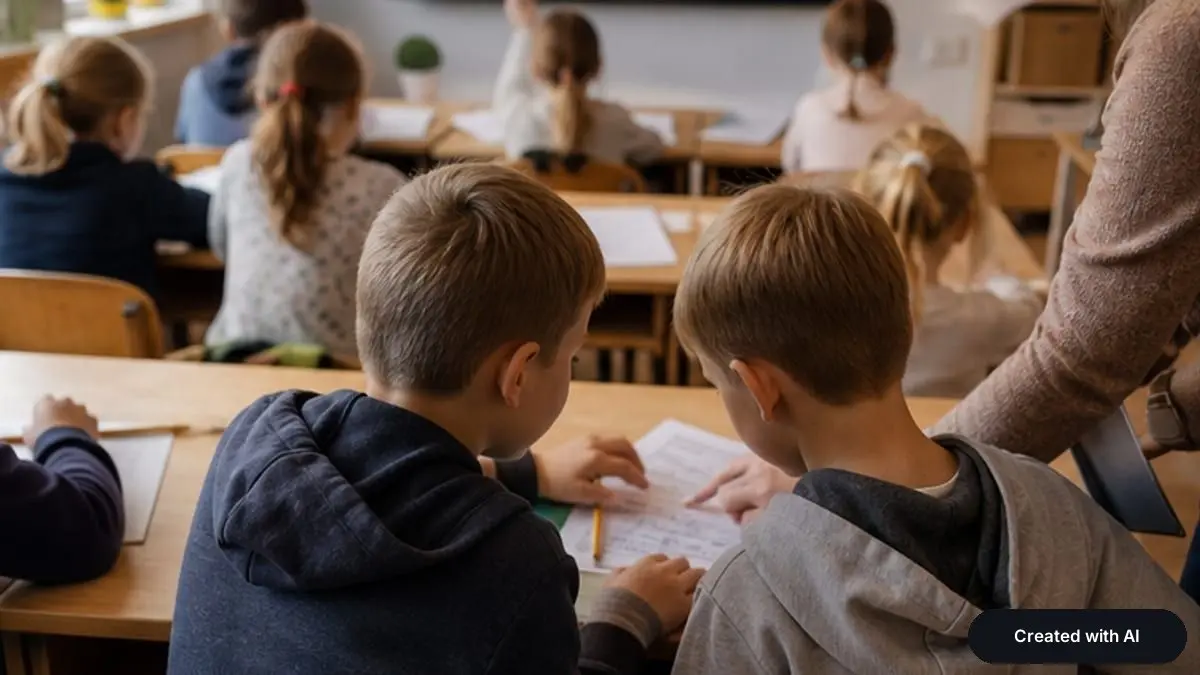
Printable crosswords for kids
Every kids' crossword is also printable. Press Print under the grid, and you get a clean page with the grid and the Across and Down clues, ready for a pencil. Printed puzzles work well for road trips, rainy afternoons, waiting rooms and classroom warm-ups. If your child has already started on screen, the typed letters print too, so use Start over first for a blank copy.
What the words are about
Every kids' puzzle mixes topics so that no grid feels like a vocabulary test. A typical crossword might ask for a farm animal, a color, a number word, something from the kitchen, a piece of clothing and a word about the weather. Kids who love animals will meet the hippo, the owl and the octopus; kids who love school will meet the ruler, the crayon and the school bus. Number words such as SEVEN and TWELVE are great spelling practice because children say them every day but rarely write them out. We avoid brand names, scary topics and tricky spellings, and every clue has one clear answer, so a child who knows the word can always get it right.
For teachers
Teachers can use the daily kids' crossword as a quick morning activity, a spelling review or a reward for finishing early. The clues stick to everyday vocabulary, so the puzzles fit a wide range of reading levels. Pick any puzzle from the list, print enough copies for the class and solve the first word together on the board. Each puzzle has its own page and date, so it is easy to find the same one again.
When kids are ready for more
Once the kids' puzzles start to feel easy, older children can try the main daily crossword, which has 22 words and some harder clues. Kids who like logic games can also try the sudoku for kids with pictures instead of numbers, on boards of 4 × 4 and 6 × 6 squares.
Frequently asked questions
What age are these crosswords for?
They are written for kids from about 6 to 10, roughly first to fourth grade. Younger children can solve them with a parent reading the clues.
How many words are in a kids' crossword?
Each puzzle has 12 words, mostly three to six letters long, with short and friendly clues.
Are the kids' crosswords free and printable?
Yes. Every puzzle is free to solve online and to print, with no sign-up.
How often is there a new kids' crossword?
Every day. A new puzzle is published at midnight Eastern Time, and older puzzles stay in the list below.
Can kids check their answers?
Yes. The Check button marks wrong letters in red, and Reveal letter or Reveal word gives a little help when a word is too hard.