Easter Bunny Origins: The History of Eggs, Hares, and Lambs
- The Easter bunny origins trace back to ancient symbols of fertility and new life, brought to America by German immigrants in the 1700s.
- Decorating eggs is a tradition older than Christianity, originally tied to pagan spring festivals and the rebirth of nature.
- The White House egg roll, a famous American tradition, officially began in 1878 during the presidency of Rutherford B. Hayes.
- Lamb is a traditional Easter food with roots in the early Passover celebrations and the biblical Exodus story.
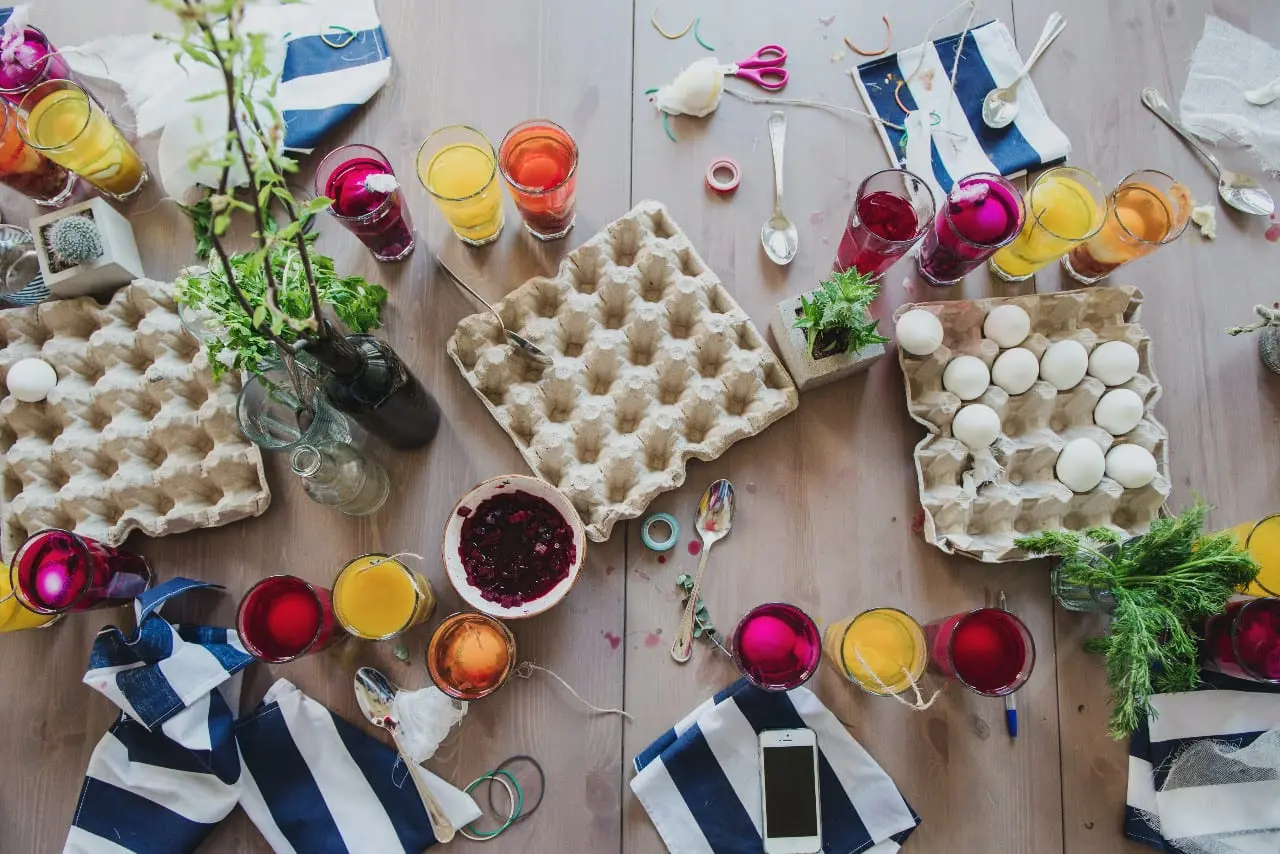
- Some Easter symbols date back to the Middle Ages
- Why do we dye Easter eggs? A pagan symbol adapted by Christianity
- Archaeological finds reveal the deep roots of decorated eggs
- Many Easter traditions are tied to the cycle of nature
- Easter bunny origins: A symbol of fertility and new life
- The lamb: Another animal that became an Easter symbol
- People around the world remain faithful to deep Easter traditions
Some Easter symbols date back to the Middle Ages
Easter traditions and symbols have changed and evolved over time, with some surviving for centuries. Although Easter is a Christian holiday celebrating the resurrection of Christ, many Easter traditions are not found in the Bible. For example, it is said that the most prominent secular symbol of the Christian holiday—the Easter bunny—was brought to America by German immigrants, who brought with them their stories of an egg-laying hare. Egg decorating is believed to date back to at least the 13th century, while the rites of the Easter parade held in some parts of the world have even older roots. Other traditions, such as Easter candy, are just one of the more modern additions to this early spring holiday.
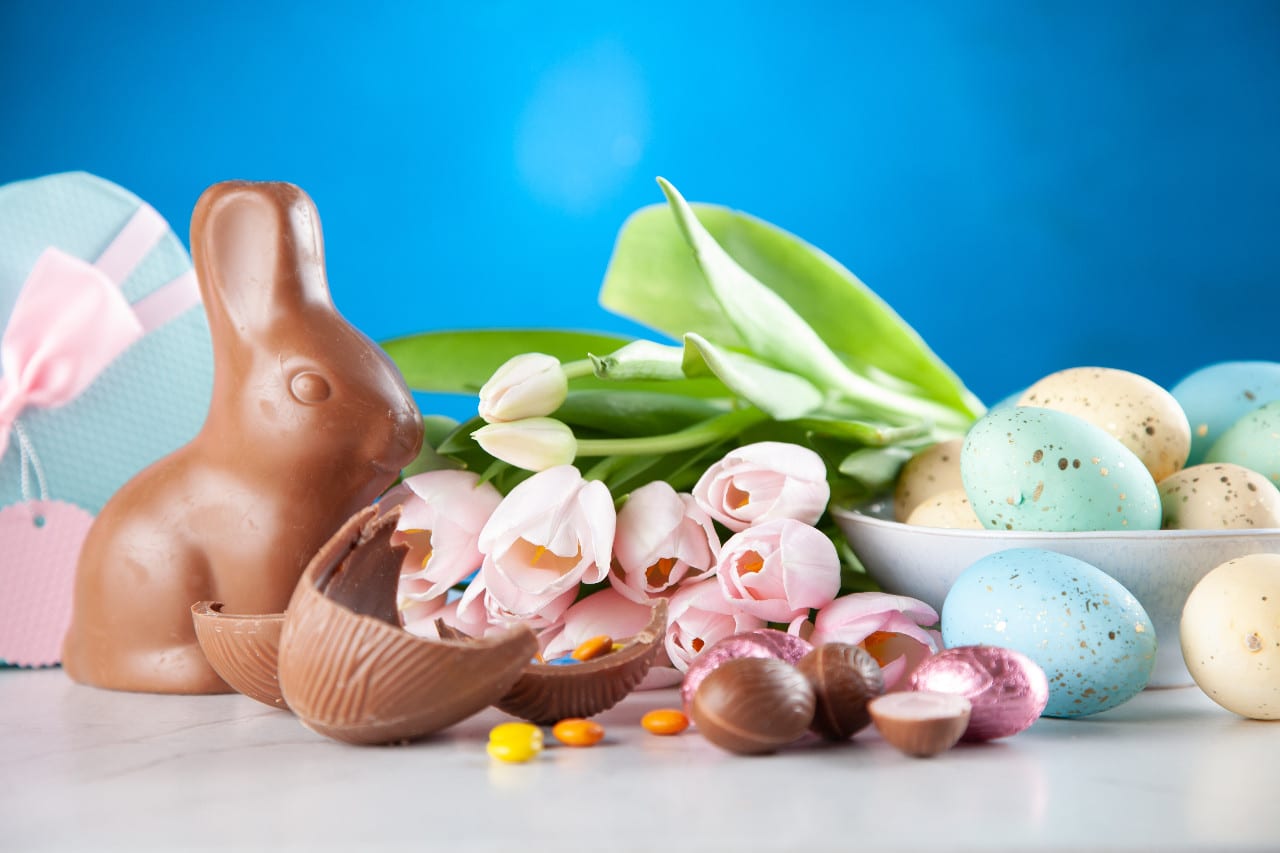
Why do we dye Easter eggs? A pagan symbol adapted by Christianity
When it comes to why the egg is considered an Easter symbol in the first place, it is highly likely tied to pagan traditions. The egg, an ancient symbol of new life, was heavily associated with pagan spring festivals.
However, the exact origins of decorated eggs are difficult to pin down. Today, decorating them is closely associated with Easter celebrations in many cultures. But the custom of dyeing and exchanging eggs is much older than Christianity. Almost all ancient cultures of the Old World knew this custom. Even before the birth of Christ, the egg was considered not only a symbol of nature's spring rebirth but also a symbol of the origin of all living things. Ancient Egyptians, Jews, and Romans all viewed the egg as a powerful symbol of life. This tradition of decorating eggs in spring has survived in many parts of the world, often extending beyond Easter to other spring festivals.
From a Christian perspective, Easter eggs represent Jesus emerging from the tomb and his resurrection. According to some sources, decorating eggs for Easter is a tradition that dates back to at least the 13th century.
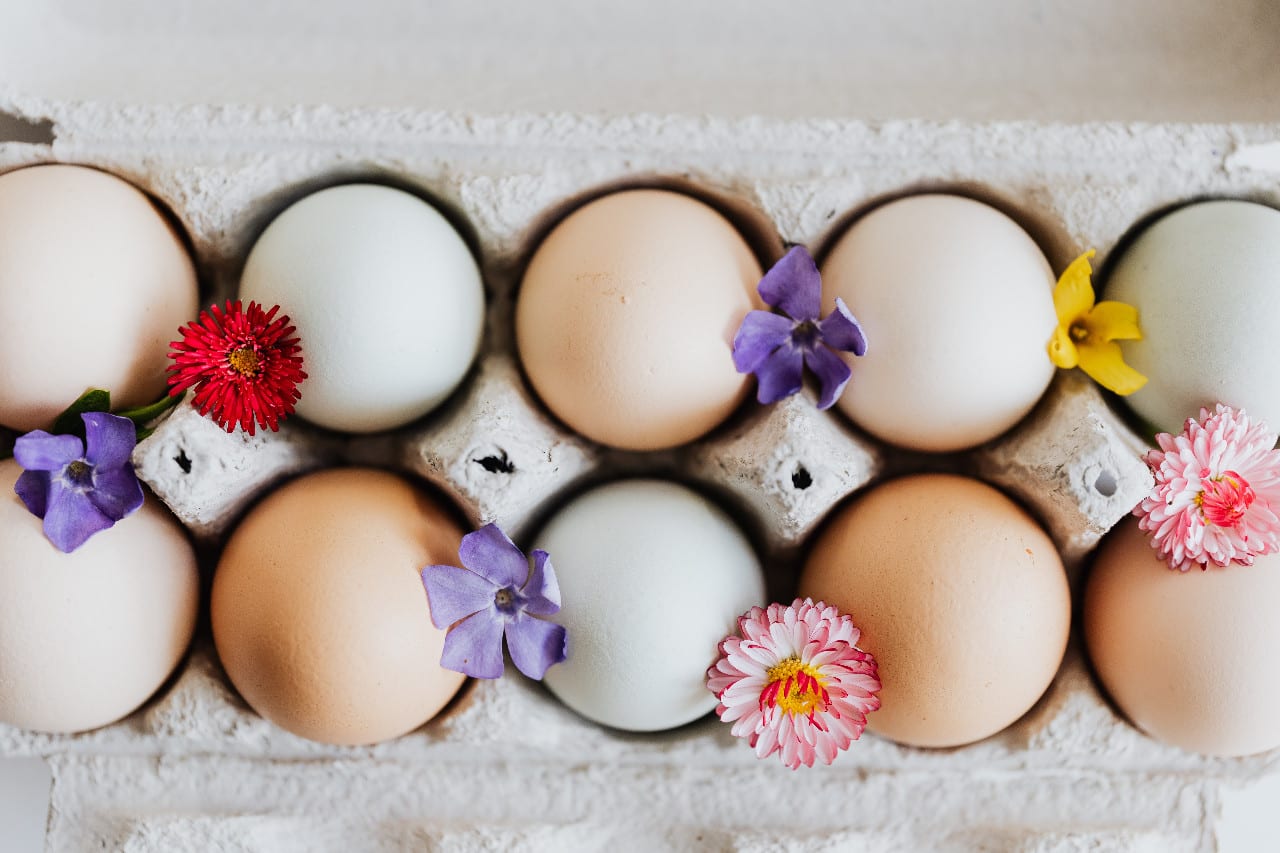
One explanation for this custom is that the church forbade eating eggs during Holy Week, but hens continued to lay them during this period. Therefore, the eggs laid during Holy Week were the ones that got decorated.
This is how people marked the end of the period of penance and fasting, later eating the eggs on Easter as a festive meal.
In the Orthodox tradition, red-dyed eggs symbolize the blood shed by Jesus on the cross, but many cultures dye eggs in various colors with different meanings, painting them with designs depicting the sun and other celestial bodies, plant motifs, and traditional folk ornaments.
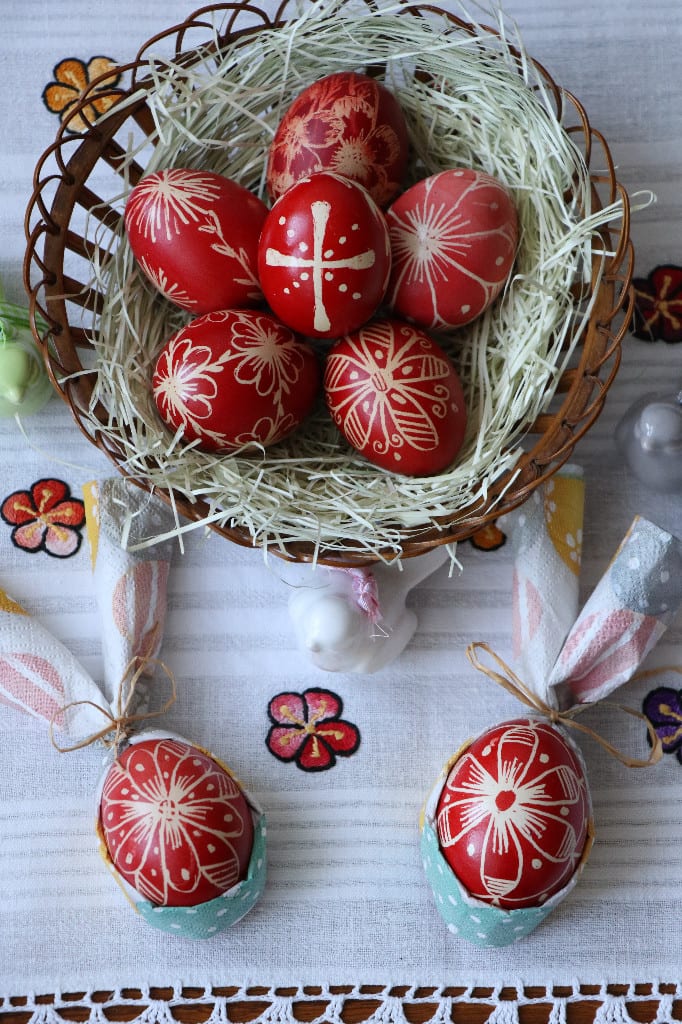
Archaeological finds reveal the deep roots of decorated eggs
Historians and archaeologists note that the exact century egg decorating began can be traced through ancient artifacts.
During archaeological excavations around the world, fragments resembling decorated eggs are frequently found. For example, stone, bone, and glazed clay eggs dating back to the 11th to 13th centuries have been discovered in Eastern Europe. Meanwhile, the oldest ornamented ostrich eggshell fragments, dating back to 3000 BC, were found in the Arabian Peninsula, experts note.
Decorated eggs are widely known across many Eastern European and Slavic nations, including Poland, Ukraine, Belarus, and the Czech Republic. While Western European nations have different customs today, it is believed that some also shared this practice in the past.
Many ancient cultures share myths about a cosmic bird or goddess who laid a cosmic egg, which shattered to create life. In these myths, the egg white formed the waters, the yolk became the earth, and the broken shell became all living things. Archaeologists studying ancient Europe have unearthed bird goddess figurines from 5000 to 6000 BC, which may mark the origin of this myth.
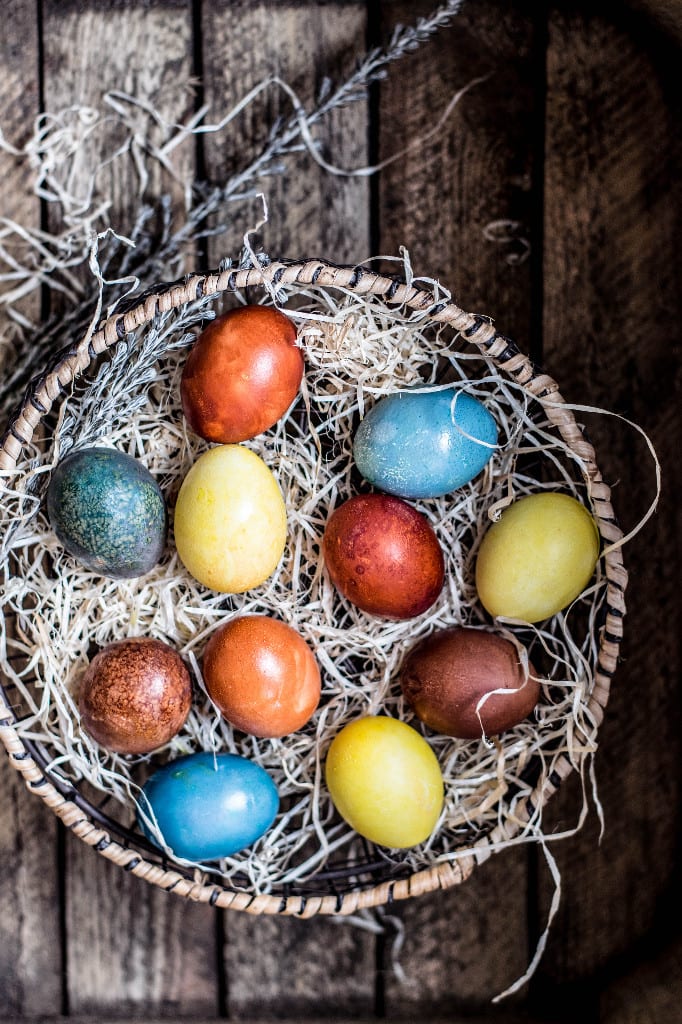
By cracking eggs today, people unknowingly echo these ancient myths of creation. Traditionally, tapping eggs together was believed to "release" life, ensuring vitality, health, and a fruitful year as nature awakened after winter.
Many Easter traditions are tied to the cycle of nature
Although the first eggs were decorated long before Christian values took shape, sacred Easter traditions are now closely associated with them. The first cracked egg is usually peeled and divided among everyone sitting at the Easter table, much like the sharing of communion wafers.
There are many other traditions related to decorated eggs. For example, rolling eggs to see whose will go the furthest, visiting neighbors on Easter day, waiting for gifts from mythical Easter figures, or burying a decorated egg in the corner of the yard in hopes of a fertile and prosperous year.
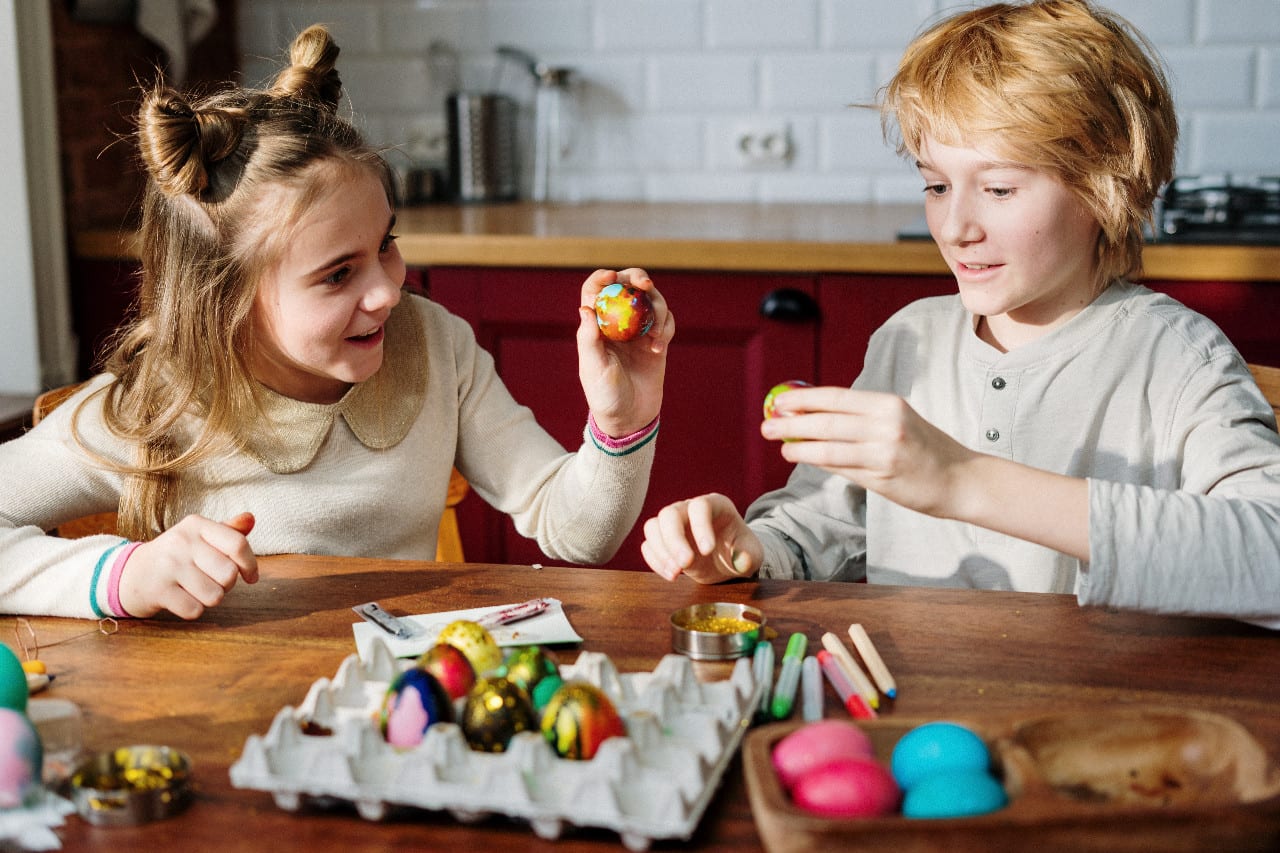
The origins of many Easter traditions can be found in the significance of the natural cycle. In spring, light and warmth return to the earth, new plants sprout, and birds nest. For ancient humans, spring meant a diet supplemented with bird eggs, providing much-needed nourishment after a depleting winter. Furthermore, wild bird eggs are often speckled and spotted, resembling modern decorated eggs.
Egg rolling is a well-established tradition, famously hosted at the US White House. In this annual race on the Monday after Easter, children push decorated, hard-boiled eggs across the White House lawn. The first official White House egg roll took place in 1878, during the presidency of Rutherford B. Hayes. This event has no religious significance, though some people have compared egg rolling to the stone blocking Jesus' tomb being rolled away, leading to his resurrection.
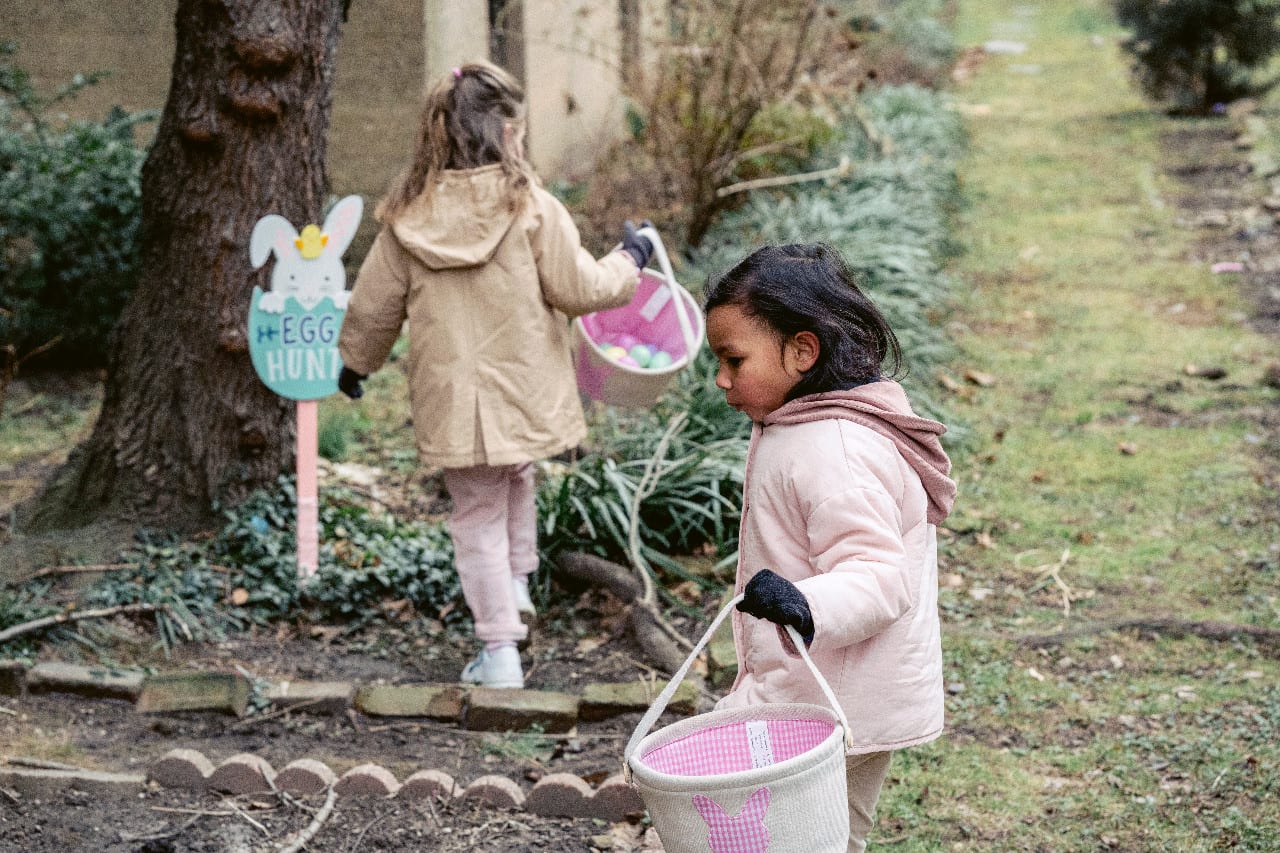
Also popular among children in the United States and around the world is the Easter egg hunt: eggs are hidden, and children compete to see who can collect the most.
First Lady Lucy Hayes, wife of the 19th US President Rutherford B. Hayes, is often credited as the pioneer of the traditional egg roll at the White House. In 1878, she invited children and their parents to come and roll their eggs on the White House lawn, and since then, the event has taken place there annually on the Monday after Easter.
Before that, Washington residents liked to roll eggs down Capitol Hill. Each year, more and more children gathered there to play, and members of Congress began to worry that the huge, trampling crowd would damage the hill.
Therefore, in 1876, Congress and President Ulysses S. Grant passed a law banning egg rolling on Capitol Hill.
According to some historical sources, the Hayes family opened the White House lawn for egg rolling the following year, in 1877, after a young boy asked the president himself.
Easter bunny origins: A symbol of fertility and new life
Besides decorating and rolling eggs, there are other Easter traditions, customs, and symbols. For example, the Easter bunny. What is the Easter bunny story and where did it come from?
The Bible does not mention a long-eared, short-tailed creature that delivers decorated eggs to well-behaved children on Easter Sunday. So, what does the Easter bunny have to do with Jesus? Nothing directly. Despite this, the Easter bunny has become a prominent symbol of Christianity's most important holiday. The exact origin of this mythical mammal is unclear, but the rabbit is an ancient symbol of fertility and new life.
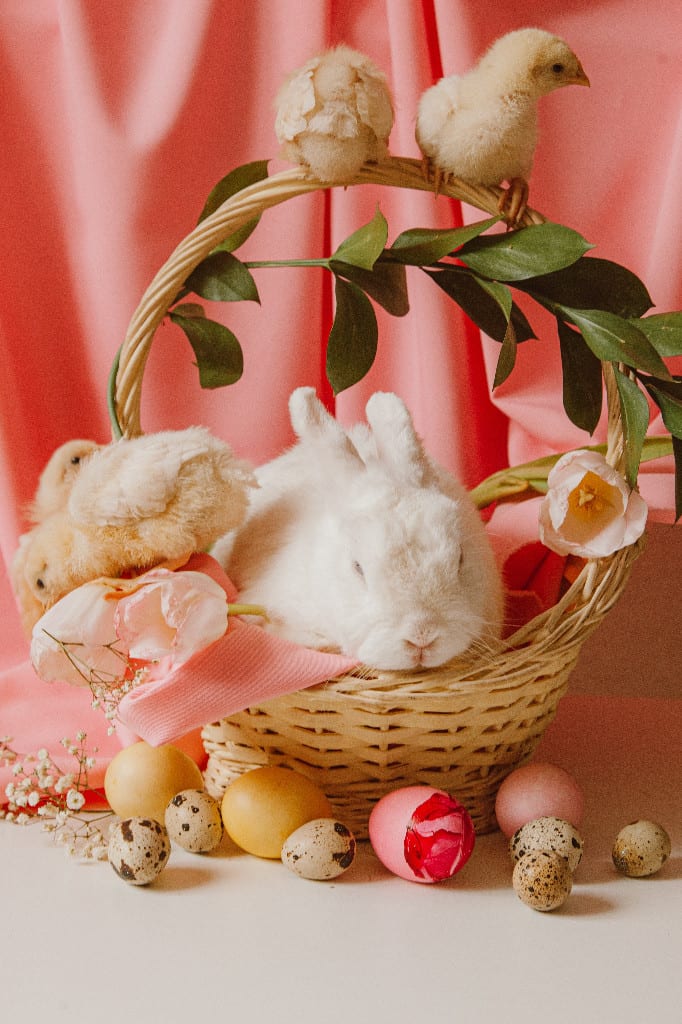
It is believed that in Christian Europe, the custom of associating a hare or rabbit with Easter originated in Protestant territories around the 17th century and became widespread in the 19th century. The Easter bunny is said to not only lay eggs but also color and hide them. In the United States, it also leaves baskets of gifts—toys and candy—for children on Easter morning. But in some European countries, other animals bring eggs to children. In Switzerland, it is traditionally a cuckoo, and in parts of Germany, a fox.
According to some sources, the Easter bunny first arrived in America in the 1700s with German immigrants who settled in Pennsylvania and brought over their egg-laying hare, called "Osterhase" or "Oschter Haws."
German children made nests in which this creature could lay its colored eggs.
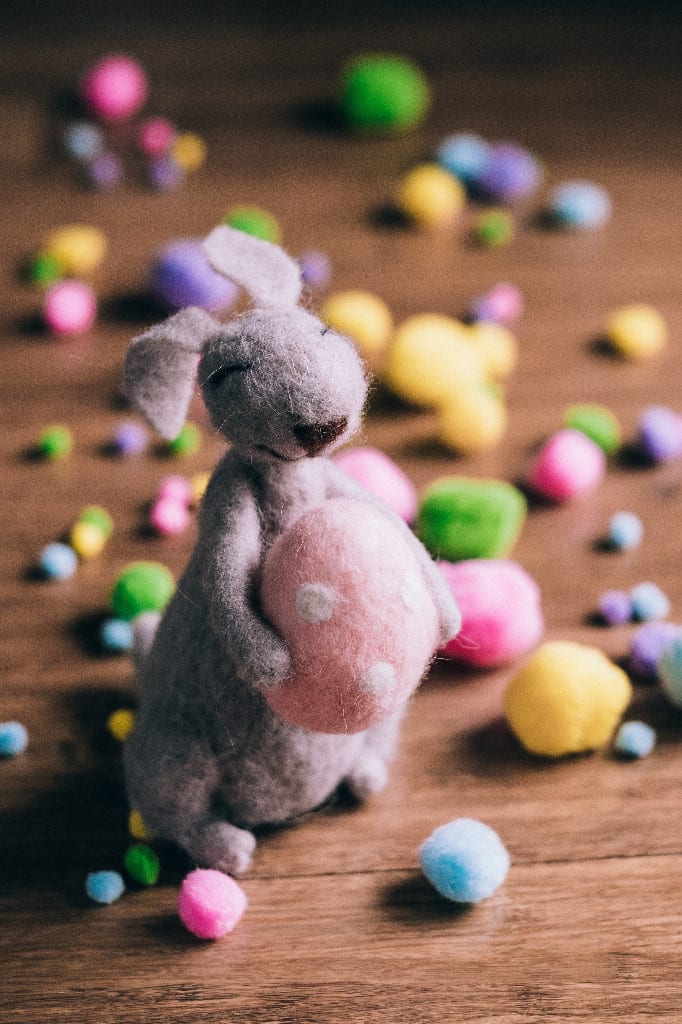
Eventually, the custom spread across the United States, and the gifts delivered by the fabled rabbit on Easter morning grew to include not only colored eggs but also chocolate, other candies, and gifts, while decorated baskets replaced nests. Additionally, children would often leave out carrots for the bunny in case it got hungry from all the hopping.
The lamb: Another animal that became an Easter symbol
Another animal closely associated with Easter is the lamb. Lamb is a traditional Easter food. Christians refer to Jesus as the "Lamb of God," though the lamb at Easter also has its roots in early Passover celebrations.
In the Exodus story, the people of Egypt suffered terrible plagues, including the death of all firstborn sons. The Israelites painted their doorposts with the blood of a sacrificed lamb so that God would "pass over" their homes. Jews who converted to Christianity continued the tradition of eating lamb at Easter. Historically, lamb was one of the first fresh meats available after a long winter with no livestock to slaughter.
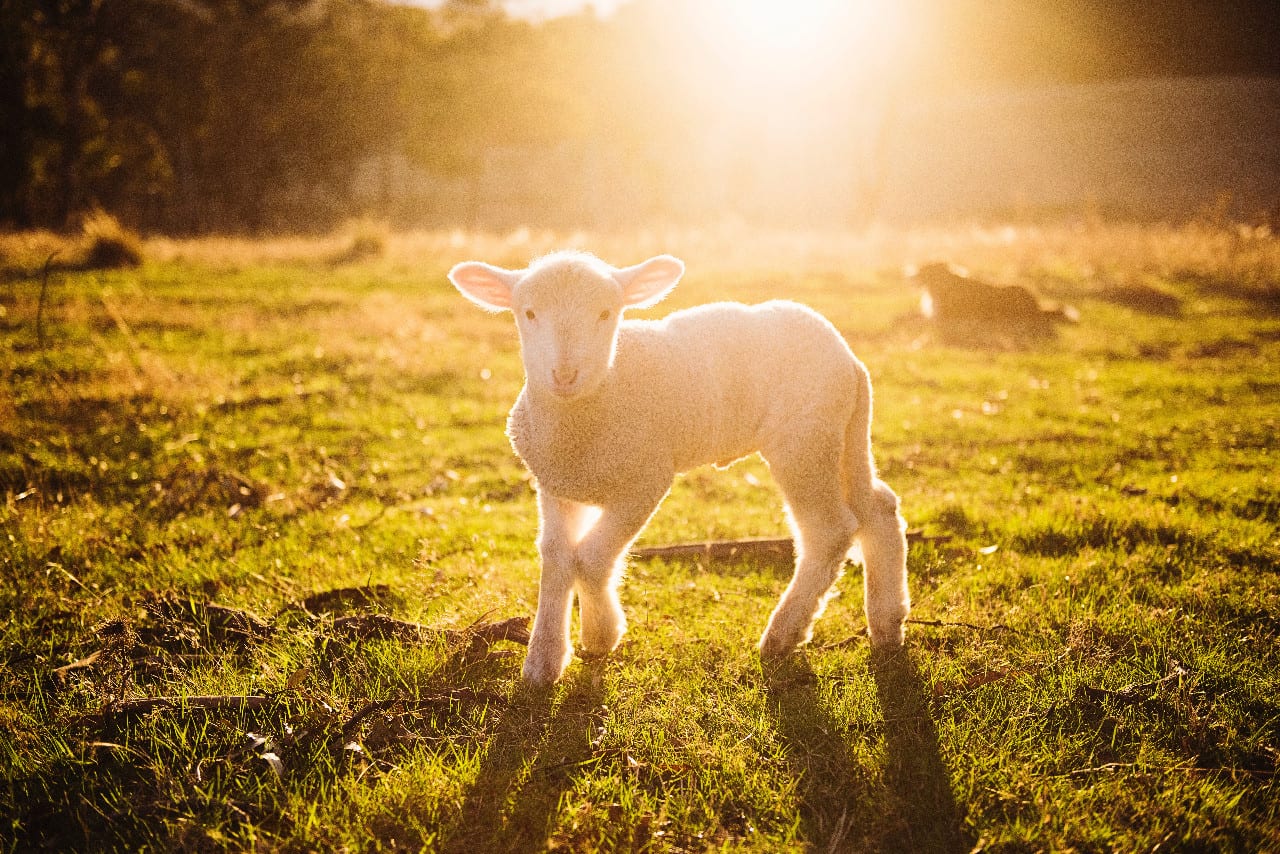
The Easter lamb is also associated with Scripture ("Behold the Lamb of God, who takes away the sin of the world!" John 1:29) and with animal sacrifice in ancient Israel.
Early Christians would place lamb meat under the altar, have it blessed, and then eat it to celebrate Easter. Since the 12th century, the Lenten fast has ended with Easter, and foods specially blessed for the occasion—such as eggs, ham, cheeses, cakes, and sweets—are eaten.
In countries like Poland, the main centerpiece of the Easter table is an Easter lamb made of butter. If a priest blesses the Easter table, such a lamb must be present and is meant to be eaten entirely. The tradition of making a butter lamb has spread from Poland to other countries as well.
People around the world remain faithful to deep Easter traditions
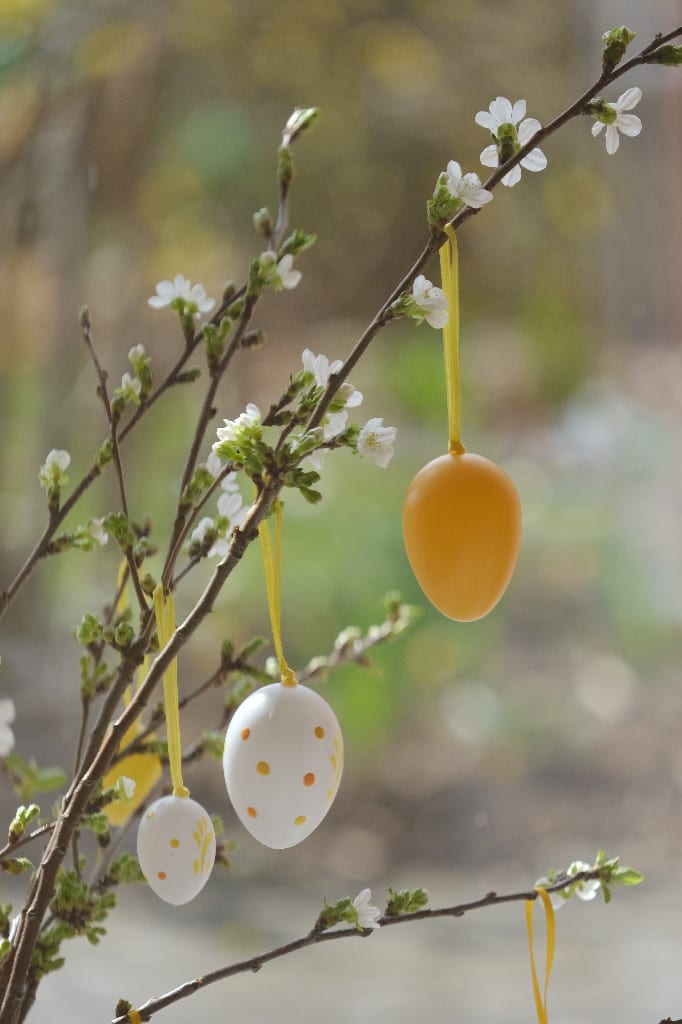
Despite modern additions, the vast majority of people who celebrate Easter do not forget the old traditions. Decorating homes, dyeing eggs, and sharing festive meals remain the core customs of this major spring holiday, providing a special festive mood.
Many families decorate their homes and festive tables with chick or bunny figurines. Fresh and potted flowers are also popular choices for decoration, while some people create an Easter tree each year, hanging decorated eggs or other ornaments on its branches.
Interestingly, many families do not just sit at the table during Easter but engage in activities with their loved ones. Organizing egg-tapping competitions, rolling eggs, and holding contests for the most beautifully decorated eggs are common practices. The outdoor chocolate egg hunt remains one of the most widely anticipated games for children globally.
Frequently asked questions
What does the Easter bunny have to do with Jesus?
The short answer is nothing directly. The Bible does not mention a long-eared creature delivering eggs on Easter Sunday. However, the Easter bunny became a prominent symbol of the holiday because rabbits are ancient symbols of fertility and new life, which aligns with the springtime theme of resurrection.
Why is it the Easter bunny and not a chicken?
While chickens lay the eggs that are decorated for the holiday, the rabbit was adopted as a symbol because of its ancient association with fertility and spring rebirth. German immigrants brought the story of an egg-laying hare to America in the 1700s, blending the two concepts together into the modern Easter bunny story.
Are Easter bunny origins pagan?
Yes, many historians believe the origins of the Easter bunny and colored eggs are tied to pagan traditions. The egg and the hare were both ancient pagan symbols of new life and were associated with spring festivals long before they were adapted by Christianity.


Log in to comment
No comments yet. Be the first.