Fentanyl Vaccine: How It Works and What Research Shows
- Researchers at the University of Houston have developed a fentanyl vaccine that blocks the synthetic opioid from reaching the brain.
- The vaccine stimulates the body to produce antibodies that bind to fentanyl, preventing the drug from triggering euphoria or fatal overdoses.
- Currently tested on animals with dramatic success, researchers said in early 2023 that human trials were the next step.
- Experts note the treatment is designed to prevent relapse in individuals who have already detoxed and are actively trying to overcome addiction.
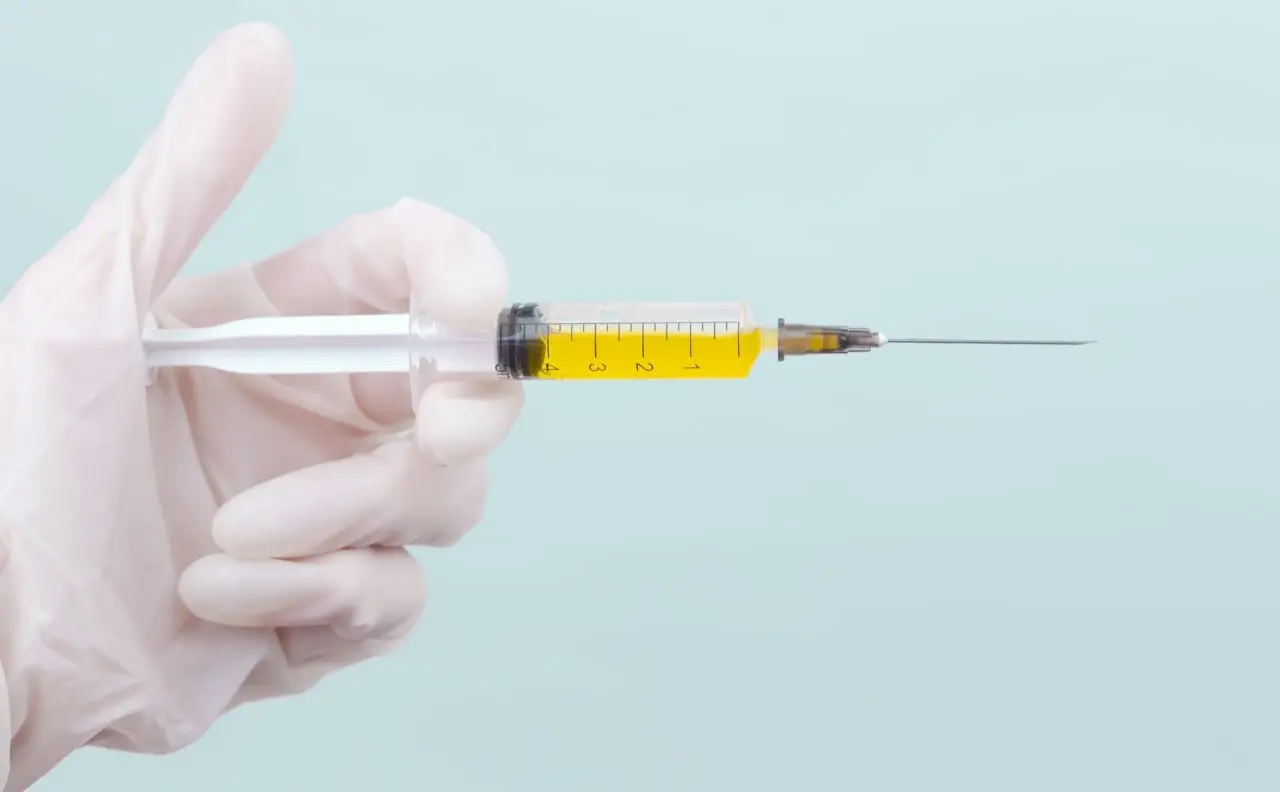
The fentanyl vaccine is designed to prevent users from experiencing euphoria
Fentanyl is an exceptionally powerful synthetic opioid, estimated to be 50 to 100 times stronger than morphine. For years, fentanyl has been a critical issue, particularly visible in the US, where it claims more lives annually than any other drug. However, researchers at the University of Houston say they have developed a fentanyl vaccine that could fundamentally change the current landscape by helping to treat addiction.
The research team at the Texas-based University of Houston is convinced that the fentanyl vaccine could drastically alter the ongoing fight against drugs. According to the scientists, this vaccine blocks the synthetic opioid from entering the brain, which helps treat addiction because the user no longer experiences a euphoric high. Dr. Colin Haile, a psychology professor at the University of Houston and the Texas Institute for Measurement, Evaluation, and Statistics (TIMES), stated [1]:
"This is a completely different strategy to treat an individual with opioid use disorder."
According to the researcher, their vaccine operates completely differently from other treatments used for drug addiction or to prevent fatal opioid overdoses. This vaccine prompts the body to produce antibodies, much like vaccines against viruses or bacteria. The key difference is that this shot blocks fentanyl from entering the vaccinated person's brain. With the help of specific proteins, the drug remains in the bloodstream without ever reaching the brain, and is eventually flushed out through the kidneys. Dr. Haile explained:
"It's similar to the hepatitis B vaccine. The vaccine stimulates the body to produce antibodies against fentanyl. And if a person consumes fentanyl, those antibodies will bind to the drug and prevent it from entering the brain. Without the vaccine, fentanyl penetrates the brain quite easily, stimulates the euphoria centers, and can also stimulate parts of the brain that control breathing, which causes overdose and death."
Researchers hope for expedited FDA approval for human use
So far, the vaccine has only been tested on laboratory rats and mice, meaning human clinical trials were still pending at the time of the early 2023 report. However, Dr. Haile is confident that subsequent human experiments will yield the same positive results. He noted:
"We did extensive studies in mice and rats and the effects of the vaccine were quite dramatic. We proved that yes, the vaccine prevents fentanyl from penetrating the brain. It keeps it in the blood. Then fentanyl is eliminated from the body."
In early 2023, Dr. Haile said he hoped the vaccine could be available to the general public by 2025; such timelines depend on successful human trials and regulatory approval. Because the vaccine is formulated from components that are already on the market and have previously been tested on humans, researchers hope this will be enough to fast-track the approval process once an application is submitted to the US Food and Drug Administration (FDA).
Naturally, the shot will not be a universal fix for everyone. According to the researcher, the vaccine is best suited for individuals who have already undergone detoxification, as it will help prevent relapse. The vaccine will aid people who genuinely want to quit drugs, but it is unlikely to be effective for those who do not. If a vaccinated person does not want to overcome their opioid addiction, they might simply switch to other drugs for which the vaccine does not produce antibodies. Nevertheless, the University of Houston team has already received requests from volunteers wanting to participate in future trials, highlighting a strong demand for this innovative treatment.
Dr. Haile and his team began working on the fentanyl vaccine around 2017 when drug overdose deaths began spiking at unprecedented rates. The vaccine was developed using two protein strains already utilized in other vaccines. The development of this shot was funded by the US Department of Defense, which was seeking a way to address the prevalence of addiction among the family members of many personnel.
Fentanyl has become a widely used but extremely dangerous drug

Fentanyl is not solely an illicit, deadly drug. It is also a legal, highly effective painkiller that can be used safely when prescribed and monitored by medical professionals under specific circumstances. However, street-level fentanyl is incredibly easy to overdose on, and individuals struggling with addiction risk their lives daily to a much greater extent than with other narcotics.
In the US alone, a record number of people die from overdoses—roughly 100,000 per year. Fentanyl is being mixed not only with traditional opioids like oxycodone and heroin but is increasingly being pressed into non-opioids like cocaine. Consequently, fentanyl consumption, along with the risk of a fatal overdose, continues to surge.
Drug dealers favor fentanyl because it is highly addictive, ensuring a steady stream of repeat customers. Furthermore, the drug is cheap to produce, and a much smaller dose is required to mimic the effects of other opioids.
With 2.2 lbs (1 kg) of fentanyl, you can manufacture ten times more counterfeit opioid pills than with 2.2 lbs (1 kg) of traditional components. As a result, drug dealers earn higher profits, and smuggling the contraband becomes significantly easier [2].
Frequently asked questions
How does the fentanyl vaccine work?
The vaccine stimulates the immune system to produce antibodies that bind to fentanyl in the bloodstream, preventing it from entering the brain and causing euphoria or an overdose.
When will the fentanyl vaccine be available to the public?
In early 2023, researchers said they hoped it could be available by 2025, but any public use depends on successful human trials and FDA approval.
Is fentanyl used for legitimate medical purposes?
Yes, fentanyl is a legal and highly effective painkiller when prescribed and carefully monitored by medical professionals, though illicitly manufactured versions are extremely dangerous.



Log in to comment
No comments yet. Be the first.