Iron Supplement for Low Hemoglobin: Dose, Timeline, Tests
- The NHLBI lists normal adult hemoglobin as 14 to 17 g/dL for men and 12 to 15 g/dL for women; lab ranges vary.
- In a 2020 trial, hemoglobin rose about 1.8 to 2.0 g/dL after two weeks of oral iron in adults with iron-deficiency anemia.
- Adding vitamin C to oral iron did not improve hemoglobin recovery in that 440-patient randomized trial.
- What Low Hemoglobin Means
- Is Iron the Right Treatment? The Tests That Decide
- Iron Supplement Dosage for Anemia
- What to Expect: Timeline of Recovery
- A Worked Example
- Managing Side Effects So You Can Finish the Course
- When Pills Are Not Enough: IV Iron and Transfusion
- Food and Lifestyle While You Treat Low Hemoglobin
- Safety Reminders
An iron supplement raises low hemoglobin only when the cause is iron deficiency, which is the most common cause of anemia but not the only one. If blood tests confirm iron-deficiency anemia, oral iron such as ferrous sulfate is the usual first treatment; in clinical trials, hemoglobin started climbing within two weeks, and the NHLBI says restoring iron levels often takes three to six months. If your low hemoglobin comes from vitamin B12 deficiency, thalassemia, kidney disease or another condition, iron will not fix it and may cause harm. So the first step is not a supplement aisle but a conversation with your doctor and a few more blood tests.
This guide explains what counts as low hemoglobin, how to tell whether iron is the answer, how much iron is typically used, what results to expect and when, and when IV iron or a transfusion is needed instead. For the basics on forms, side effects and interactions, see the main iron supplements guide.
What Low Hemoglobin Means
Hemoglobin is the iron-rich protein in red blood cells that carries oxygen from the lungs to the rest of the body. It is usually measured as part of a complete blood count (CBC). When hemoglobin is below the normal range, you have anemia, and your tissues may not get all the oxygen they need, MedlinePlus explains.
Normal hemoglobin levels
The NHLBI gives these typical adult ranges. Your lab's reference range may differ slightly, and altitude, smoking, dehydration, pregnancy and other factors can shift results.
| Test | Adult men | Adult women |
|---|---|---|
| Hemoglobin | 14 to 17 g/dL | 12 to 15 g/dL |
| Hematocrit | 41% to 50% | 36% to 44% |
| Red blood cells | 5 to 6 million cells/mcL | 4 to 5 million cells/mcL |
| Mean corpuscular volume (MCV) | 80 to 95 femtoliters | |
Pregnancy uses different cutoffs, covered in our pregnancy iron guide. Children's ranges vary by age.
Common causes of low hemoglobin
MedlinePlus lists these possible reasons for a low hemoglobin result:
- Iron deficiency
- Lack of other nutrients, such as vitamin B12
- Blood loss from injury, a heavy menstrual period or other problems
- Thalassemia and other types of anemia
- Liver disease
- Cancer and other diseases
The NHLBI adds kidney disease, in which the body does not make enough erythropoietin, the hormone that signals the bone marrow to make red cells, and long-lasting inflammatory conditions such as heart failure or obesity, which make it hard for the body to regulate and use its iron.
Symptoms of low hemoglobin
Mild anemia often causes no symptoms. As hemoglobin falls further, the NHLBI and MedlinePlus list tiredness and fatigue, weakness, shortness of breath, dizziness or lightheadedness, cold hands and feet, pale skin and, in more serious cases, chest pain. Low iron can also bring headaches, irritability and restless legs. Because these symptoms are so common, they are a reason to get tested, not a reason to start iron on your own.
Is Iron the Right Treatment? The Tests That Decide
To diagnose iron-deficiency anemia, the NHLBI says your doctor will check a CBC, hemoglobin, blood iron levels and ferritin. Here is how the results usually fit together:
| Result pattern | What it suggests | Does iron help? |
|---|---|---|
| Low hemoglobin, low ferritin, low MCV (small red cells) | Classic iron-deficiency anemia | Yes, once the cause is identified |
| Normal hemoglobin, low ferritin | Iron deficiency without anemia (depleted stores) | Often; see the low ferritin guide |
| Low hemoglobin, high MCV (large red cells) | Possible B12 or folate deficiency, liver disease or other causes | Usually not, unless iron is also low |
| Low hemoglobin with normal or high ferritin | Possible anemia of inflammation, kidney disease, thalassemia trait or another cause | Not by itself; needs evaluation |
Ferritin can be misleading during inflammation because it rises with infection, surgery, autoimmune disease, liver disease, obesity and other conditions, according to MedlinePlus. Your doctor may order transferrin saturation or other tests in that case.
Finding the reason you are low
Iron-deficiency anemia always has a reason. The NHLBI lists blood loss (from the gut, heavy periods or childbirth, or regular use of aspirin and NSAIDs that can cause GI bleeding), poor absorption (celiac disease, inflammatory bowel disease, H. pylori infection, stomach or weight loss surgery), endurance sports, pregnancy and low dietary intake. In men and in women after menopause, a doctor will usually look for a source of bleeding in the digestive tract, because treating the anemia without finding the cause can delay the diagnosis of an ulcer or colon cancer.
Iron Supplement Dosage for Anemia
There is no one-size dose; your clinician will set it based on how low your hemoglobin is, your size, your other conditions and how well you tolerate iron. To give you a sense of the ranges used:
| Source | Iron regimen |
|---|---|
| Typical OTC ferrous sulfate label | One 325 mg tablet (65 mg elemental iron) daily after a meal, or as directed by a doctor |
| 2017 alternate-day absorption trial (iron-depleted women) | 60 mg elemental iron at 8 a.m., daily versus every other day |
| 2020 absorption trial (women with iron-deficiency anemia) | 100 mg or 200 mg elemental iron as ferrous sulfate |
| 2020 vitamin C trial (adults with iron-deficiency anemia) | 100 mg elemental iron every 8 hours for 3 months |
The over-the-counter label also states that treatment of any anemic condition should be under the advice and supervision of a doctor. That is not boilerplate: the right dose depends on the cause, and long-term iron without monitoring can overshoot.
Daily versus every-other-day
In women with iron-deficiency anemia, Stoffel and colleagues found that iron absorbed from a dose taken the day after another dose was 40% to 50% lower than from a dose taken after a day off, because each dose raises hepcidin, a hormone that blocks iron uptake for about 24 hours. Giving 200 mg every other day delivered about twice the absorbed iron of 100 mg on consecutive days. Alternate-day dosing may also be easier on the stomach because you take fewer doses. It has not been proven to correct anemia faster in all patients, so discuss it with your doctor rather than switching on your own.
With vitamin C or without?
A 2020 randomized trial of 440 adults with iron-deficiency anemia found that adding 200 mg of vitamin C to each iron dose did not improve hemoglobin recovery or ferritin gain compared with iron alone. Vitamin C-rich foods still help you absorb iron from meals, so pairing your dose with fruit or juice is fine, but a separate vitamin C pill is not required.
Choosing a product
- Ferrous sulfate is inexpensive and the most studied. Each 325 mg tablet has 65 mg of iron.
- Ferrous gluconate carries less iron per tablet; check the label.
- Ferrous fumarate carries more iron per tablet.
- Ferrous bisglycinate caused fewer stomach complaints than other irons in pregnancy trials and may be worth trying if salts upset you.
- Liquid iron helps if you cannot swallow pills; mix elixirs with water or juice, not milk, and expect possible teeth staining.
Whatever you choose, read the elemental iron line on the Supplement Facts panel and match it to the dose your doctor recommends.
What to Expect: Timeline of Recovery
| Time on oral iron | What usually happens |
|---|---|
| First days | Possible stomach upset, constipation or dark stools; no change in how you feel yet |
| About 2 weeks | Hemoglobin begins to rise; in the 2020 trial, average gains were about 1.8 to 2.0 g/dL at two weeks on a high-dose regimen |
| 4 to 8 weeks | Hemoglobin continues upward; ferritin rose about 35 ng/mL by eight weeks in the same trial |
| 3 to 6 months | Iron stores rebuilt in many people, per the NHLBI; your doctor decides when to stop |
Your doctor will likely repeat your CBC and ferritin after a few weeks. If hemoglobin has not moved, the usual reasons are not taking the iron consistently, ongoing blood loss, poor absorption, or a cause of anemia that is not iron deficiency.
A Worked Example
To see how the pieces fit, here is a hypothetical case using the NHLBI reference ranges. A 34-year-old woman with heavy periods feels tired and short of breath on stairs. Her CBC shows hemoglobin of 10.4 g/dL (normal for women: 12 to 15), an MCV of 74 femtoliters (normal: 80 to 95) and a ferritin well below her lab's range. That combination of low hemoglobin, small red cells and low ferritin points to iron-deficiency anemia, and heavy menstrual bleeding is a likely cause.
- Treat the cause: her clinician addresses the heavy bleeding.
- Start iron: for example, one 325 mg ferrous sulfate tablet (65 mg iron) daily or every other day, as her doctor directs.
- Plan follow-up: a repeat CBC in a few weeks to confirm hemoglobin is rising, then ferritin later to confirm stores are refilling.
- Adjust if needed: if side effects stop her from taking doses or hemoglobin barely moves, her doctor considers another form, alternate-day dosing or IV iron.
Contrast this with a 70-year-old man whose hemoglobin is 11.8 g/dL with normal ferritin and large red cells. Iron is unlikely to help him; his doctor will look at vitamin B12, folate, liver function and other causes instead.
Managing Side Effects So You Can Finish the Course
The biggest reason oral iron fails is that people stop taking it. A 2015 meta-analysis of 43 trials found ferrous sulfate more than doubled the odds of gastrointestinal side effects compared with placebo. The NHLBI suggests taking iron with food, lowering the dose or trying a different type if you have a metallic taste, nausea, vomiting, diarrhea, constipation or an upset stomach. Tell your doctor rather than quietly quitting; a slower, gentler plan you stick with beats an aggressive one you abandon.
When Pills Are Not Enough: IV Iron and Transfusion
The NHLBI says IV iron is more likely for people with serious iron-deficiency anemia or long-term conditions, and that it often restores iron in one or a few sessions. FDA-approved IV iron products such as ferric carboxymaltose (Injectafer), ferric derisomaltose (Monoferric) and ferumoxytol (Feraheme) are labeled for adults with iron-deficiency anemia who could not tolerate oral iron or did not respond well to it, as well as for certain patients with chronic kidney disease. Iron sucrose (Venofer) is labeled for iron-deficiency anemia in chronic kidney disease. Learn what an infusion involves on our iron infusion page.
For serious iron-deficiency anemia, a blood transfusion can quickly raise red cells and iron, the NHLBI notes. People with kidney disease may also receive medicines that stimulate red blood cell production along with iron.
Warning signs that need prompt care
- Chest pain, a racing or irregular heartbeat, or shortness of breath at rest: call 911
- Fainting or severe dizziness
- Black, tarry stools or vomiting blood
- Very heavy menstrual bleeding that soaks through pads or tampons quickly
- Symptoms getting worse despite treatment
Food and Lifestyle While You Treat Low Hemoglobin
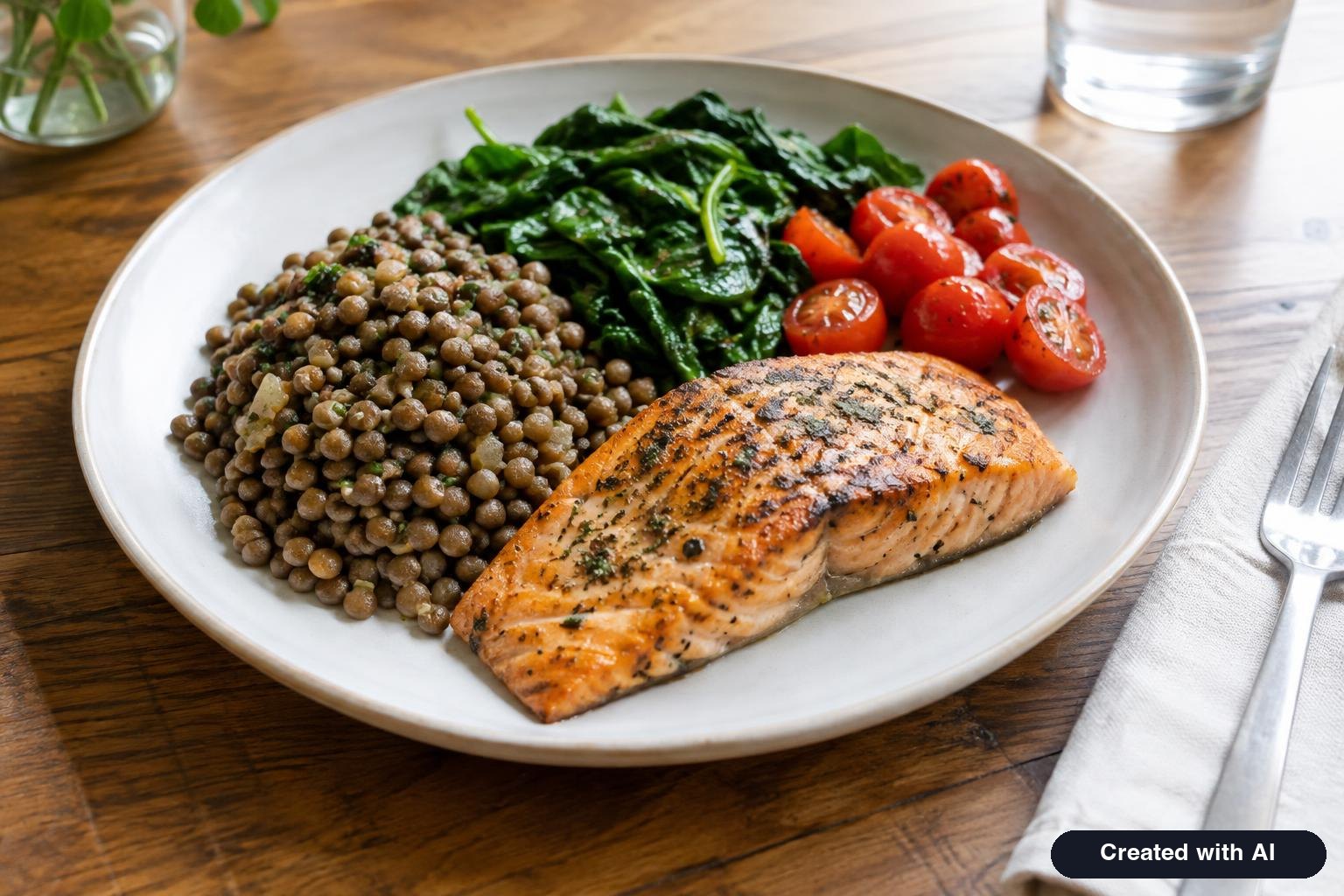
Diet alone seldom corrects established iron-deficiency anemia, but it helps maintain levels after treatment. The NHLBI's list of good iron sources includes beans, dried fruits, eggs, lean red meat, salmon, iron-fortified breads and cereals, peas, tofu and dark green leafy vegetables. Iron from meat, fish and poultry is easier to absorb than iron from plants, and MedlinePlus says mixing some lean meat, fish or poultry with beans or dark leafy greens can improve absorption of the plant iron up to three times. Vitamin C-rich foods such as oranges, strawberries and tomatoes also help. Black tea reduces iron absorption, so drink it between meals.
Safety Reminders
- Do not take iron if you have hemochromatosis or another form of iron overload.
- Tell your doctor about ulcers, GI bleeding or blood disorders such as hemolytic anemia before starting.
- Space iron at least 4 hours from levothyroxine and 2 hours from tetracycline antibiotics.
- Store iron out of reach of children. If a child swallows iron, call Poison Control at 1-800-222-1222 right away.
Frequently asked questions
Will an iron supplement raise my hemoglobin?
Yes, if your anemia is caused by iron deficiency. If it is caused by B12 deficiency, kidney disease, thalassemia or chronic inflammation, iron alone will not correct it.
How fast can I raise my hemoglobin with iron pills?
Hemoglobin usually starts rising within about two weeks. Full recovery of hemoglobin and iron stores takes months, and IV iron is faster when pills fail.
What is the best iron supplement for anemia?
Ferrous sulfate is the standard, best-studied choice. If it causes side effects, your doctor may suggest a lower dose, every-other-day dosing, another ferrous salt or ferrous bisglycinate.
How much iron should I take for anemia?
Your doctor will set the dose. Common regimens range from 60 to 200 mg of elemental iron per dose, given daily or on alternate days; one 325 mg ferrous sulfate tablet supplies 65 mg.
What hemoglobin level is dangerously low?
There is no single number for everyone; it depends on how fast it dropped and your symptoms. Chest pain, shortness of breath at rest or fainting need emergency care regardless of the number.
Can I raise hemoglobin with food alone?
Food helps maintain iron, but established iron-deficiency anemia usually needs supplements or IV iron, plus treatment of the cause.
Why is my hemoglobin still low after taking iron?
Common reasons are missed doses, ongoing bleeding, poor absorption, interacting medicines or a non-iron cause of anemia. Ask your doctor to retest and reassess.
Is low hemoglobin the same as low iron?
No. Low hemoglobin means anemia. Low iron or low ferritin means depleted iron. You can have low ferritin with normal hemoglobin, or low hemoglobin for reasons unrelated to iron.
Sources
- MedlinePlus: Hemoglobin Test
- NHLBI: Anemia - Diagnosis
- NHLBI: Iron-Deficiency Anemia
- MedlinePlus: Ferritin Blood Test
- MedlinePlus: Iron in diet
- MedlinePlus: Iron Supplements (drug information)
- DailyMed: Ferrous Sulfate 325 mg tablets label (Richmond Pharmaceuticals)
- Stoffel et al., Iron absorption on consecutive vs alternate days and single vs split doses, Lancet Haematology (2017)
- Stoffel et al., Alternate vs consecutive day dosing in iron-deficient anemic women, Haematologica (2020)
- Li et al., Vitamin C with oral iron in iron deficiency anemia: randomized trial, JAMA Network Open (2020)
- Fischer et al., Ferrous bisglycinate supplementation: systematic review and meta-analysis, Nutrition Reviews (2023)
- DailyMed: Injectafer (ferric carboxymaltose) label
- DailyMed: Monoferric (ferric derisomaltose) label
- DailyMed: Feraheme (ferumoxytol) label
- DailyMed: Venofer (iron sucrose) label
- DailyMed: Synthroid (levothyroxine) label
- MedlinePlus: Iron overdose
Log in to comment
No comments yet. Be the first.