Iron Supplements: Types, Dosage, Side Effects and Safety
- One 325 mg ferrous sulfate tablet supplies 65 mg of elemental iron, 360% of the 18 mg Daily Value used on supplement labels.
- In absorption trials, iron taken every other day was absorbed better than the same dose taken on consecutive days.
- Accidental iron overdose is a leading cause of fatal poisoning in children under 6; call Poison Control at 1-800-222-1222.
- Who Actually Needs an Iron Supplement
- How Much Iron You Need Each Day
- Types of Iron Supplements
- Reading the Label: Elemental Iron and % Daily Value
- How to Take Iron Supplements
- Drug Interactions and Spacing
- Side Effects of Iron Supplements
- How Long Iron Supplements Take to Work
- Who Should Not Take Iron Supplements Without Medical Advice
- Iron Overdose in Children: An Emergency
- Iron for Babies and Young Children
- Before You Buy: A Quick Checklist
An iron supplement replaces iron your body is missing, and it works best when a blood test has shown you actually need it. The standard over-the-counter choice is ferrous sulfate 325 mg, which supplies 65 mg of elemental iron per tablet. Most people take one tablet a day or every other day, with or right after food if their stomach is sensitive, and keep going for about three to six months to rebuild iron stores, according to the National Heart, Lung, and Blood Institute (NHLBI). Expect side effects such as constipation, nausea or stomach pain, and keep every iron product locked away from children: accidental iron overdose is a leading cause of fatal poisoning in kids under 6.
Talk to your doctor before starting iron, and ask for blood work first. Iron is a treatment for a measured problem, not a general energy booster, and extra iron is harmful for people with iron overload. This guide explains the types of iron on store shelves, how much elemental iron you are really getting, how and when to take it, what the newer research says about every-other-day dosing, which foods and drugs interfere, and when a supplement is not the right tool. Companion pages cover specific situations: iron supplements for low ferritin, iron supplements for low hemoglobin and anemia, iron for restless legs syndrome, iron and prenatal vitamins in pregnancy, and IV iron infusions.
Who Actually Needs an Iron Supplement
Iron is needed to make hemoglobin, the protein in red blood cells that carries oxygen, and myoglobin in muscle. Your body cannot make iron, so it has to come from food or supplements. When intake or absorption falls behind losses for long enough, iron stores (measured as ferritin) run down first; if the shortfall continues, hemoglobin drops and you develop iron-deficiency anemia, the most common type of anemia, per the NHLBI.
The groups most likely to need extra iron, based on MedlinePlus and NHLBI guidance, include:
- Women with heavy menstrual periods, and anyone who has lost blood in childbirth
- People who are pregnant (see the pregnancy guide)
- People with bleeding in the digestive tract, for example from an ulcer, inflammatory bowel disease or colon cancer, or from regular use of aspirin or NSAIDs such as ibuprofen and naproxen
- People with conditions that block absorption, such as celiac disease, Crohn's disease, ulcerative colitis, H. pylori infection, or stomach and weight loss surgery
- People with chronic kidney disease or long-lasting inflammatory conditions such as heart failure
- Endurance athletes, who can lose iron through the gut and through red blood cell breakdown
- Babies and toddlers who are not getting iron-rich foods, especially between about 9 months and 1 year
Symptoms of low iron overlap with many other problems: fatigue, weakness, shortness of breath, dizziness, cold hands and feet, pale skin, headache and irritability. Many people with mild iron-deficiency anemia have no symptoms at all. That is why a blood test, not a hunch, should decide whether you take iron. A typical workup includes a complete blood count with hemoglobin, serum iron and ferritin. If your ferritin is low but hemoglobin is normal, read the low ferritin guide; if hemoglobin is low, start with the low hemoglobin guide.
One more reason to test first: iron deficiency is a finding, not a diagnosis. In adults, especially men and women past menopause, a doctor will usually want to know where the iron is going, because slow bleeding in the gut is a common and sometimes serious cause.
How Much Iron You Need Each Day
The Recommended Dietary Allowances (RDAs) below come from the National Academies' Dietary Reference Intakes, as summarized by MedlinePlus. They describe total daily intake from food and supplements for healthy people. Treatment doses for deficiency are much higher and should be set by your clinician.
| Group | Iron per day |
|---|---|
| Infants under 6 months | 0.27 mg (adequate intake) |
| 7 to 12 months | 11 mg |
| 1 to 3 years | 7 mg |
| 4 to 8 years | 10 mg |
| 9 to 13 years (boys and girls) | 8 mg |
| Boys 14 to 18 | 11 mg |
| Girls 14 to 18 | 15 mg |
| Men 19 and older | 8 mg |
| Women 19 to 50 | 18 mg |
| Women 51 and older | 8 mg |
| Pregnancy, all ages | 27 mg |
| Breastfeeding, 19 to 50 | 9 mg (10 mg at ages 14 to 18) |
Notice the gap: a single 325 mg ferrous sulfate tablet delivers 65 mg of iron, more than three times what a premenopausal woman needs from all sources in a day. That is intentional when you are treating a deficiency, because only a fraction of a dose is absorbed. It is also why a healthy adult man or postmenopausal woman with normal blood counts has no reason to take a stand-alone iron pill.
Types of Iron Supplements
Iron supplements differ in the iron compound used, how much elemental iron each tablet carries, and how they are formulated. The table compares the forms you are most likely to see in a US pharmacy.
| Form | Typical tablet | Approx. elemental iron | What to know |
|---|---|---|---|
| Ferrous sulfate | 325 mg | 65 mg | The cheapest and most studied option; used in most clinical trials. Also sold as slow-release tablets. |
| Ferrous gluconate | 324 mg | About 38 mg (roughly 12% iron) | Less iron per tablet, so you may need more tablets for the same dose. |
| Ferrous fumarate | 324 mg | About 106 mg (roughly 33% iron) | The most iron per milligram of salt; the form used in many prenatal vitamins. |
| Ferrous bisglycinate (iron chelate) | Varies | Stated on label | Iron bound to the amino acid glycine. A 2023 meta-analysis found fewer stomach side effects in pregnant women. |
| Polysaccharide-iron complex | Varies | Stated on label | A non-salt ferric form, sometimes combined with other irons in prescription products. |
| Heme iron polypeptide | Varies | Stated on label | Made from animal hemoglobin; more expensive, and not suitable for vegans. |
| Liquid drops and elixirs | Per mL | Stated on label | Used for infants, children and people who cannot swallow pills; can stain teeth. |
The elemental figures for gluconate and fumarate above are calculated from the iron share of each compound and rounded; always go by the "Iron" line in the Supplement Facts panel of the product you buy.
Is ferrous sulfate the best iron supplement?
For most adults it is the reasonable first choice: it is inexpensive, widely available, and it is the form behind most of the evidence, including the alternate-day dosing trials described below and the American Academy of Sleep Medicine's 2025 recommendation for restless legs syndrome. Its downside is the stomach. A 2015 meta-analysis of 43 randomized trials with 6,831 adults found that ferrous sulfate more than doubled the odds of gastrointestinal side effects compared with placebo (odds ratio 2.32), and the effect did not clearly depend on dose.
Is iron bisglycinate gentler?
The best evidence so far is a 2023 systematic review in Nutrition Reviews covering 17 randomized trials. In pregnant women, ferrous bisglycinate taken for 4 to 20 weeks produced higher hemoglobin and about 64% fewer reported gastrointestinal adverse events than other iron supplements. In children, there was no significant difference, and the authors said more trials are needed in men and nonpregnant women. Bisglycinate is a fair option to try if a ferrous salt upsets your stomach, but it usually costs more per milligram of iron.
Slow-release and "non-constipating" iron
Extended-release tablets are made to dissolve gradually. Swallow them whole; MedlinePlus advises not to split, chew or crush regular, film-coated or extended-release iron tablets. Marketing terms such as "gentle" or "non-constipating" are not standardized, so judge a product by its elemental iron and your own tolerance.
Vegan and vegetarian iron supplements
Ferrous salts and bisglycinate are typically made without animal ingredients, while heme iron polypeptide is animal-derived and capsule shells may be gelatin. Check the "other ingredients" line. Iron from plant foods is harder to absorb than iron from meat, fish and poultry, so people on plant-based diets should have their iron checked and discuss supplementation with a clinician.
Reading the Label: Elemental Iron and % Daily Value
Labels can be confusing because they list two different numbers. "Ferrous sulfate 325 mg" is the weight of the whole compound. The number that matters for dosing is elemental iron, the actual iron your body can use. A typical over-the-counter ferrous sulfate label reads "Iron (as ferrous sulfate) 65 mg, 360% Daily Value." The Daily Value used on supplement labels for adults is 18 mg, which is why 65 mg works out to 360%.
Prenatal vitamins use a pregnancy Daily Value of 27 mg. Many prescription and over-the-counter prenatals list 27 to 29 mg of iron as ferrous fumarate. A regular adult multivitamin with iron usually carries far less than a dedicated iron tablet. If your doctor prescribes iron, avoid stacking it with other iron-containing products unless told to; MedlinePlus specifically warns against taking other supplements or medications that also contain iron.
To compare products quickly, divide the price by the total milligrams of elemental iron in the bottle. A cheaper tablet with less iron is not a bargain if you need two of them.
How to Take Iron Supplements
MedlinePlus says iron is usually taken once daily with food or right after a meal, at about the same time each day, exactly as directed. Over-the-counter labels add that occasional stomach discomfort may be reduced by taking iron with meals. If you miss a dose, take it when you remember unless it is almost time for the next one, and never double up.
Best time of day to take iron
The two isotope-labeled trials by Stoffel and colleagues gave iron at 8 a.m., and a single morning dose is a sensible default. Twice-daily split dosing did not increase absorption in the 2017 trial: total iron absorbed over three days was not significantly different between one 120 mg morning dose and two 60 mg doses, while splitting raised hepcidin, the hormone that blocks iron uptake. If a morning dose makes you nauseous, taking it with food or later in the day is better than skipping it. Taking iron at night is fine if that is when you remember, as long as you keep the spacing from interacting medicines described below.
Every-other-day dosing: what the trials show
For decades, standard advice was daily iron, often split into two or three doses. Research on hepcidin has challenged that. After an iron dose, hepcidin rises and stays up for about 24 hours, which reduces absorption of the next day's dose.
- 2017, Lancet Haematology: In 40 iron-depleted young women (ferritin 25 ng/mL or less), 60 mg of iron as ferrous sulfate given on alternate days for 28 days led to higher total absorption (175 mg) than the same dose given daily for 14 days (131 mg), with the same number of pills.
- 2020, Haematologica: In 19 women with iron-deficiency anemia, absorption from a dose given the day after another dose was 40% to 50% lower than from a dose given after a day off. Total iron absorbed from 200 mg on alternate days was about twice that from 100 mg on consecutive days.
These were short absorption studies in women, not long-term outcome trials, so they do not prove that alternate-day dosing raises hemoglobin faster in everyone. Still, many clinicians now offer it, especially to people who struggle with side effects. Ask your doctor before switching your schedule.
Do you need vitamin C with iron?
Vitamin C-rich foods such as citrus, strawberries, tomatoes and potatoes help the body absorb iron from meals, according to MedlinePlus and the NHLBI. Whether a vitamin C pill boosts an iron tablet is less clear. In a 2020 randomized trial of 440 adults with iron-deficiency anemia, oral iron plus 200 mg of vitamin C was equivalent to oral iron alone for hemoglobin recovery and ferritin gain, with similar side effect rates. The authors concluded vitamin C supplements are not essential with oral iron. Taking your iron with a glass of orange juice is harmless and may help a little; buying a separate vitamin C supplement for this purpose is optional.
Foods and drinks that reduce absorption
Black tea contains substances that bind iron and keep the body from using it, MedlinePlus and the NHLBI note, so drink tea between meals rather than with your iron. Milk is a poor source of iron, and MedlinePlus advises against mixing iron elixir with milk.
Drug Interactions and Spacing
Iron binds to several common medicines in the gut. The spacing rules below come from MedlinePlus and current FDA drug labels.
| Medicine | What happens | How to space it |
|---|---|---|
| Tetracycline antibiotics (doxycycline, minocycline, tetracycline) | Iron blocks antibiotic absorption | Take the antibiotic 2 hours before or 2 hours after iron |
| Levothyroxine (Synthroid and generics) | Iron can bind levothyroxine and reduce its effect | Keep at least 4 hours apart |
| Ciprofloxacin (Cipro) | Iron and other minerals lower antibiotic levels | Take Cipro at least 2 hours before or 6 hours after iron |
| Antacids and acid-lowering drugs | Can decrease iron absorption | Ask your pharmacist about timing |
Bring a complete list of your prescriptions, over-the-counter drugs and supplements to your doctor or pharmacist before starting iron.
Side Effects of Iron Supplements
MedlinePlus lists constipation, stomach pain, diarrhea, nausea and teeth staining (from liquids) as the main side effects of iron supplements; the NHLBI adds a bad metallic taste and vomiting. Tell your doctor if any of these are severe or do not go away.
Does iron cause constipation or diarrhea?
It can cause either. Constipation is the complaint people mention most, and the ferrous sulfate meta-analysis above confirms that gastrointestinal effects are common. Practical steps the NHLBI suggests include taking iron with food, lowering the dose, or trying a different type of iron. Alternate-day dosing is another option to discuss. If constipation persists, ask your pharmacist what is safe to add.
Black or dark stools
Iron supplements often turn stool dark green or black, which is expected and harmless. Black, sticky, tar-like stool together with stomach pain, weakness or vomiting blood can be a sign of bleeding and needs prompt medical attention. In a child who may have swallowed iron pills, black or bloody stools are one of the warning signs of overdose.
When to call a doctor
- Side effects stop you from taking your doses
- You see blood in your stool or vomit, or you have black tarry stools with abdominal pain
- You still feel unwell after several weeks, or a follow-up blood test shows little improvement
- You become pregnant while taking iron (MedlinePlus advises calling your doctor)
How Long Iron Supplements Take to Work
The NHLBI says it often takes three to six months of oral iron to restore iron levels. Hemoglobin usually responds earlier than ferritin. In the 2020 vitamin C trial, adults with iron-deficiency anemia taking 100 mg of iron three times a day raised their hemoglobin by roughly 1.8 to 2.0 g/dL after two weeks, and ferritin rose by about 35 ng/mL over eight weeks. Feeling better can lag behind the numbers. Your doctor will usually repeat blood tests after a few weeks to confirm you are responding and keep you on iron for a while after hemoglobin normalizes to refill stores.
If oral iron is not working or you cannot tolerate it, intravenous iron can restore levels in one or a few sessions. See iron infusion: who needs it, products and side effects.
Who Should Not Take Iron Supplements Without Medical Advice
- People with hemochromatosis or other iron overload. This genetic disorder causes the body to absorb too much iron. Treatment includes a low-iron diet, no iron supplements and regular blood removal, per MedlinePlus.
- People with hemolytic anemia and certain other blood disorders, whose anemia is not caused by iron shortage. MedlinePlus says your doctor will probably tell you not to take iron.
- Anyone with ulcers or a history of gastrointestinal bleeding should tell their doctor first.
- Adults with normal iron levels. High ferritin can come from iron overload but also from inflammation, liver disease, obesity, alcohol use disorder and other conditions, so a high or unexplained result needs evaluation, not more iron.
- Children, unless a pediatrician recommends a specific product and dose. Never give adult iron products to children.
Iron Overdose in Children: An Emergency
Federal rules (21 CFR 101.17) require every iron supplement sold as tablets or capsules to carry this boxed warning: "Accidental overdose of iron-containing products is a leading cause of fatal poisoning in children under 6. Keep this product out of reach of children. In case of accidental overdose, call a doctor or poison control center immediately."
MedlinePlus explains that a severe overdose can happen when a child eats adult multivitamins, including prenatal vitamins; eating too many children's multivitamins usually causes a milder problem. Children may swallow iron pills because they look like candy.
If you think a child has swallowed iron, call Poison Control at 1-800-222-1222 right away, even if the child seems fine. The line is free, confidential and open 24 hours a day from anywhere in the US. Call 911 if the child has collapsed, had a seizure, is having trouble breathing or cannot be woken up. Have the bottle, the child's age and weight, and your best estimate of how much was swallowed and when.
Symptoms in the first 6 hours often include vomiting (sometimes with blood), diarrhea, stomach pain, and black or bloody stools. Drowsiness, low blood pressure, a fast weak pulse and shock can follow. A dangerous feature of iron poisoning is that symptoms may fade for a few hours and then return a day or more later, and severe liver damage can occur 2 to 5 days after the overdose. Hospital treatment can include IV fluids, X-rays to find tablets, whole bowel irrigation and chelation medicine to remove iron.
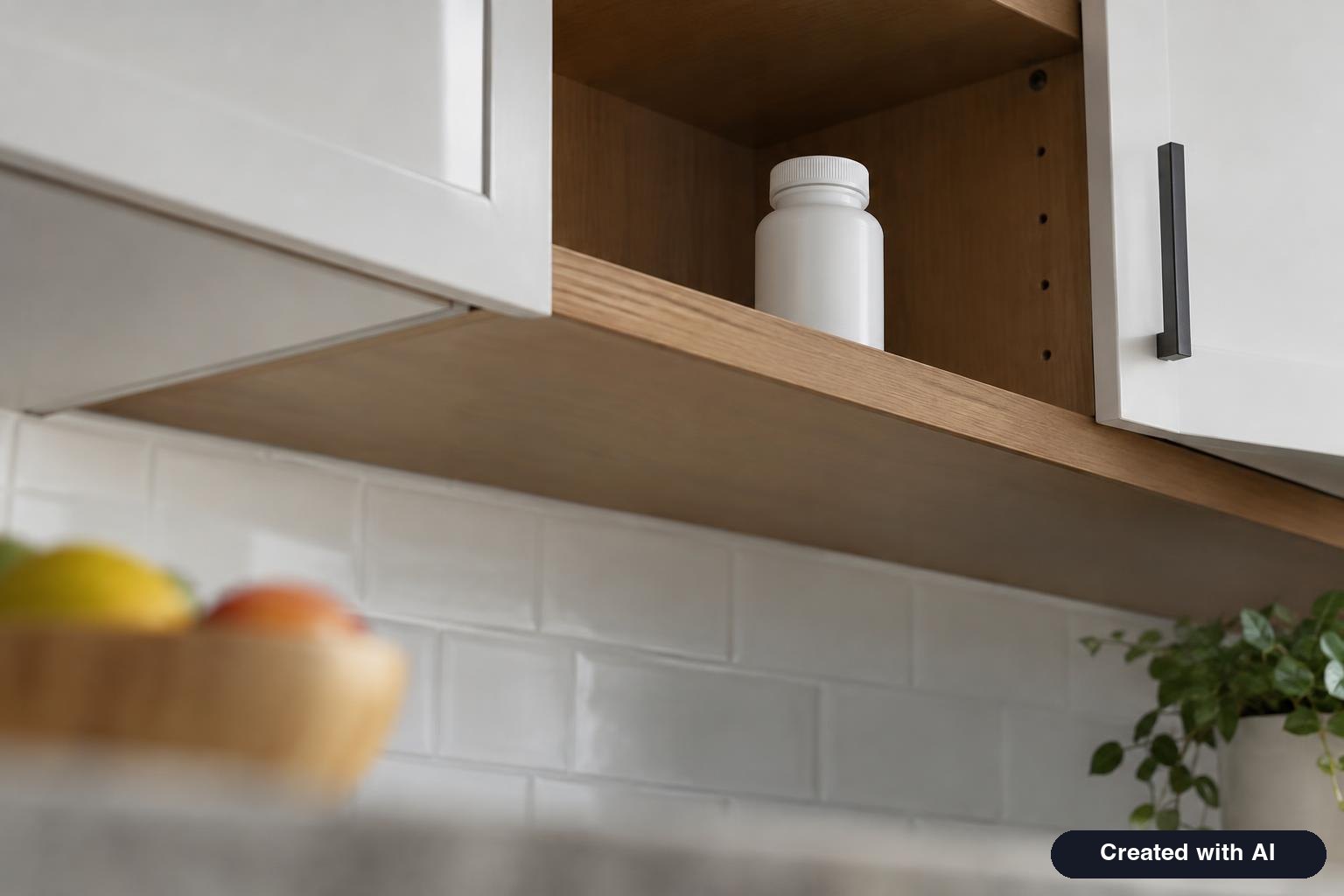
Prevention is simple: keep all iron products in their original child-resistant containers, lock the caps, and store them up high and out of sight.
Iron for Babies and Young Children
Healthy full-term babies are born with enough iron to last about six months, and breast milk covers their extra needs early on, according to MedlinePlus. Babies who are not breastfed should get iron-fortified infant formula or an iron supplement, and babies moving to solid foods need iron-rich foods. Toddlers who drink large amounts of milk and eat little else can develop "milk anemia"; MedlinePlus suggests 2 to 3 cups of milk a day for toddlers.
If your pediatrician recommends iron drops, use the dropper that comes with the product, aim it gently toward the inside of the cheek, and check that the product is labeled for your child's age. Drops can also be mixed with water, breast milk, cereal, formula or juice. Do not use adult iron products for children.
Before You Buy: A Quick Checklist
- Get a blood test that includes hemoglobin and ferritin, and ask your doctor what is causing any deficiency.
- Agree on a dose in milligrams of elemental iron and a schedule (daily or every other day).
- Choose a form: ferrous sulfate is the inexpensive default; bisglycinate or a different salt if your stomach rebels.
- Check your other medicines for timing conflicts, especially thyroid medicine and certain antibiotics.
- Store iron where children cannot reach it, and save Poison Control's number: 1-800-222-1222.
- Plan a follow-up blood test, typically after several weeks.
Frequently asked questions
What is the best iron supplement?
There is no single best product. Ferrous sulfate is the most studied and least expensive option and works for most people. If it upsets your stomach, a lower dose, alternate-day schedule or ferrous bisglycinate are reasonable alternatives to discuss with your doctor.
Can I take an iron supplement every day?
Yes, if your clinician recommends it. Daily dosing is still common. Absorption studies show alternate-day dosing can absorb more iron per tablet, so ask whether that schedule suits you.
Should I take iron on an empty stomach or with food?
MedlinePlus says iron is usually taken with food or right after a meal. Taking it with food reduces nausea. Avoid taking it with black tea or milk.
How long does it take for iron pills to raise iron levels?
Hemoglobin often starts rising within a few weeks, but rebuilding iron stores usually takes three to six months of treatment.
Why does iron make my stool black?
Unabsorbed iron darkens stool and this is usually harmless. Black, tarry stool with pain, dizziness or vomiting blood needs urgent medical care.
Can iron supplements cause constipation?
Yes. Constipation is one of the most common side effects. Taking iron with food, lowering the dose or changing the form often helps.
Can I take iron with my thyroid medicine?
Not at the same time. The Synthroid label says to keep levothyroxine and iron at least 4 hours apart.
What should I do if my child swallowed iron pills?
Call Poison Control at 1-800-222-1222 immediately, or 911 if the child is unconscious, having a seizure or struggling to breathe. Do not wait for symptoms.
All parts of the guide
 Iron for Restless LegsFor RLS, the AASM supports iron when ferritin is 75 ng/mL or less or transferrin saturation is under 20%, and IV iron at ferritin 75 to 100.
 Iron for Low HemoglobinIron raises low hemoglobin only when iron deficiency is the cause. Hemoglobin often starts rising in 2 weeks; refilling stores takes 3 to 6 months.
 Iron for Low FerritinLow ferritin means depleted iron stores. Iron supplements raise it slowly, about 25 to 35 ng/mL over 8 to 12 weeks in trials; IV iron is faster.
 Iron in PregnancyPregnancy needs 27 mg of iron a day. ACOG advises low-dose iron and anemia screening; prenatal vitamins usually carry about 27 mg.
 Iron InfusionAn iron infusion replaces iron in one or a few IV visits for people who cannot take or do not respond to pills. Serious reactions are rare.
Sources
- MedlinePlus: Iron Supplements (drug information)
- MedlinePlus: Iron in diet
- MedlinePlus: Iron overdose
- NHLBI: Iron-Deficiency Anemia
- eCFR: 21 CFR 101.17(e), warning for dietary supplements containing iron
- DailyMed: Ferrous Sulfate 325 mg tablets label (Richmond Pharmaceuticals)
- DailyMed: Prenatal Plus Vitamins label (27 mg iron as ferrous fumarate)
- DailyMed: Integra F label (polysaccharide iron complex)
- DailyMed: Synthroid (levothyroxine) label
- DailyMed: Cipro (ciprofloxacin) label
- Stoffel et al., Iron absorption on consecutive vs alternate days and single vs split doses, Lancet Haematology (2017)
- Stoffel et al., Alternate vs consecutive day dosing in iron-deficient anemic women, Haematologica (2020)
- Li et al., Vitamin C with oral iron in iron deficiency anemia: randomized trial, JAMA Network Open (2020)
- Tolkien et al., Ferrous sulfate and gastrointestinal side effects: meta-analysis, PLoS One (2015)
- Fischer et al., Ferrous bisglycinate supplementation: systematic review and meta-analysis, Nutrition Reviews (2023)
- MedlinePlus: Ferritin Blood Test
- USPSTF: Iron Deficiency and Iron Deficiency Anemia During Pregnancy: Screening and Supplementation (2024)
- Winkelman et al., Treatment of RLS and PLMD: an AASM clinical practice guideline, J Clin Sleep Med (2025)
Log in to comment
No comments yet. Be the first.