Iron Supplements for Pregnancy: Doses, Prenatals, Safety
- The recommended iron intake in pregnancy is 27 mg a day, versus 18 mg for women 19 to 50 who are not pregnant.
- The CDC recommends a 30 mg low-dose iron supplement for all pregnant people; ACOG recommends universal low-dose iron.
- In pregnancy trials, ferrous bisglycinate caused about 64% fewer gastrointestinal complaints than other iron forms.
- Why Pregnancy Raises Your Iron Needs
- How Much Iron You Need in Pregnancy and After
- What US Health Authorities Recommend
- Prenatal Vitamins With Iron: What to Look For
- Who Is at Higher Risk of Iron Deficiency in Pregnancy
- Questions to Bring to Your Prenatal Visit
- Choosing an Iron Supplement if You Are Anemic
- Managing Side Effects While Pregnant
- IV Iron During Pregnancy
- Restless Legs in Pregnancy
- Food Sources of Iron for Pregnancy
- Keep Prenatal Vitamins Away From Children
- After Delivery
During pregnancy you need 27 mg of iron a day, up from 18 mg for most women of childbearing age, and most prenatal vitamins with iron supply about that amount, usually as ferrous fumarate. The American College of Obstetricians and Gynecologists (ACOG) recommends low-dose iron supplementation for pregnant patients (except in conditions such as hemochromatosis), and the CDC recommends a low-dose oral iron supplement of 30 mg a day for all pregnant people. Both also call for an anemia screening blood test early in pregnancy. If that test shows iron-deficiency anemia, your provider will add a higher treatment dose of iron on top of your prenatal vitamin, and may consider IV iron later in pregnancy if pills do not work.
Check with your obstetric provider before adding any iron beyond your prenatal vitamin. This guide covers how much iron pregnancy requires, what the major US recommendations say (and where they disagree), how to choose a prenatal vitamin with iron, how to manage side effects, when IV iron is used, and how to keep iron pills away from children at home. For general iron information, see the main iron supplements guide.
Why Pregnancy Raises Your Iron Needs
Iron requirements increase during pregnancy, and failing to maintain enough iron can lead to adverse outcomes for both mother and baby, ACOG notes in its practice bulletin on anemia in pregnancy. Iron deficiency is the leading cause of anemia during pregnancy. US survey data from 1999 to 2006, cited by the US Preventive Services Task Force (USPSTF), estimated that about 18% of pregnant people had iron deficiency, rising from 6.9% in the first trimester to 14.3% in the second and 28.4% in the third, and that about 5% had iron-deficiency anemia.
FDA labels for IV iron products summarize the risks of leaving it untreated: iron-deficiency anemia in pregnancy is associated with postpartum anemia in the mother and with a higher risk of preterm delivery and low birth weight.
How Much Iron You Need in Pregnancy and After
| Stage | Recommended iron per day |
|---|---|
| Women 19 to 50, not pregnant | 18 mg |
| Pregnancy, any age | 27 mg |
| Breastfeeding, 19 to 50 | 9 mg |
| Breastfeeding, 14 to 18 | 10 mg |
These Recommended Dietary Allowances, summarized by MedlinePlus, cover iron from food and supplements combined. They are for prevention. If you are diagnosed with iron-deficiency anemia, your provider will prescribe a treatment dose that is higher.
What US Health Authorities Recommend
| Organization | Screening | Supplementation |
|---|---|---|
| ACOG (Practice Bulletin 233, 2021) | Screen all pregnant patients for anemia at the first prenatal visit, preferably in the first trimester, and again at 24 to 28 weeks | Universal low-dose iron supplementation except in conditions such as hemochromatosis; evaluate anemia to find the cause and treat iron-deficiency anemia with supplemental iron in addition to prenatal vitamins |
| CDC (1998 recommendations, still cited) | Screen at the first prenatal visit | Universal oral low-dose iron, 30 mg per day |
| American Academy of Family Physicians | Screen at the first prenatal visit | Not summarized here |
| Dietary Guidelines for Americans, 2020-2025 | Not applicable | Take a supplement containing iron when recommended by a clinician; people on vegetarian or vegan diets should discuss supplements with a clinician |
| USPSTF (2024) | Evidence insufficient to recommend for or against routine screening in people without symptoms (I statement) | Evidence insufficient to recommend for or against routine supplementation (I statement) |
These positions are summarized from the USPSTF's 2024 recommendation statement, which reviews other groups' guidance.
How to read the USPSTF "I statement"
The USPSTF's 2024 finding is sometimes misread as advice against iron in pregnancy. It is not. The task force said it is making no recommendation for or against screening or supplementation and called its I statements a call for more research. Its review of 16 supplementation trials found that iron improved maternal hemoglobin and ferritin and lowered the risk of maternal iron deficiency and iron-deficiency anemia, but evidence on harder outcomes such as preterm birth, low birth weight or maternal quality of life was limited or inconsistent. ACOG and the CDC continue to recommend universal low-dose iron and early anemia screening.
Prenatal Vitamins With Iron: What to Look For
For most pregnant people, a prenatal vitamin with iron is the low-dose supplement ACOG and the CDC have in mind. When you compare labels:
- Iron amount. Look for about 27 mg of elemental iron. The Daily Value for pregnant and breastfeeding people is 27 mg, so 27 mg shows as 100%. Several prescription prenatals on DailyMed list 27 to 29 mg as ferrous fumarate.
- Iron form. Ferrous fumarate is most common. Some prenatals use ferrous bisglycinate or other chelates, which may be gentler on the stomach.
- Other nutrients. Prenatals also provide folic acid and other vitamins; your provider may recommend a specific product.
- Check every format. Iron content varies widely between tablets, capsules, chewables and gummies. Read the iron line on the Supplement Facts panel and ask whether you need a separate iron tablet.
- Calcium in the same pill. Many prenatals include calcium. If you take a separate calcium supplement or antacid, ask your pharmacist how to time it with iron.
Do you need an iron pill in addition to your prenatal?
Usually not if your blood counts are normal. If screening shows iron-deficiency anemia, ACOG advises treatment with supplemental iron along with your prenatal vitamin. Your provider will set the dose and schedule, often with a recheck of hemoglobin and ferritin in a few weeks. Do not stack extra iron products on your own; MedlinePlus warns against combining iron-containing products unless directed.
Who Is at Higher Risk of Iron Deficiency in Pregnancy
The USPSTF found no validated tool to predict who will become iron deficient, but it lists commonly cited risk factors:
- A diet low in iron-rich foods, for example a vegan diet without adequate iron sources
- Gastrointestinal conditions or medications that reduce iron absorption, such as antacids
- A short interval between pregnancies
The USPSTF also notes that tobacco use and living at high altitude raise hemoglobin and hematocrit values, which can make test results harder to interpret, and that survey data show Black and Mexican American pregnant people are disproportionately affected by iron-deficiency anemia. If you follow a vegetarian or vegan diet, the Dietary Guidelines for Americans advise discussing supplements with your clinician.
How anemia is defined in pregnancy
Hemoglobin naturally runs lower in pregnancy, so anemia cutoffs differ from those for nonpregnant adults and vary by trimester. The USPSTF notes that professional groups use variable cutoffs. Ask your provider what your number means at your stage of pregnancy rather than comparing it with standard adult ranges.
Questions to Bring to Your Prenatal Visit
- What were my hemoglobin and ferritin results, and are they normal for this trimester?
- Is the iron in my prenatal vitamin enough, or do I need a separate iron supplement?
- What dose and schedule should I follow, and should I take it with food?
- Which of my other medicines or supplements should I separate from iron?
- When will you recheck my blood count?
- If pills do not work or I cannot tolerate them, would IV iron be an option for me, and when?
Choosing an Iron Supplement if You Are Anemic
| Option | What the evidence says in pregnancy |
|---|---|
| Ferrous sulfate | Inexpensive and widely used, but a meta-analysis of 7 trials in 1,028 pregnant women found it raised the odds of gastrointestinal side effects (odds ratio 3.33) |
| Ferrous fumarate | The usual form in prenatal vitamins; more iron per milligram of salt |
| Ferrous bisglycinate | In 9 trials in pregnant women, it produced higher hemoglobin and about 64% fewer reported gastrointestinal adverse events than other iron supplements over 4 to 20 weeks (Nutrition Reviews, 2023) |
| IV iron | Used when oral iron fails or is not tolerated; see below |
Every-other-day dosing in pregnancy
Absorption trials in nonpregnant women showed that iron is absorbed better when doses are spaced 48 hours apart, because each dose raises hepcidin for about a day. Those trials did not include pregnant women, so ask your provider before switching schedules.
Managing Side Effects While Pregnant
Common side effects of iron in pregnancy include nausea, constipation, abdominal pain and vomiting, the USPSTF notes, and they can pile onto the nausea and constipation many people already have in pregnancy. Options the NHLBI suggests for anyone on iron include taking supplements with food, lowering the dose or trying a different type of iron. Other practical steps:
- Take your prenatal or iron tablet with a meal or at bedtime if morning nausea is worse.
- Ask whether an every-other-day schedule or a bisglycinate product is reasonable for you.
- Drink black tea between meals rather than with iron, since it reduces absorption.
- Tell your provider if side effects keep you from taking your doses; there are alternatives, including IV iron.
Iron often darkens stools. Black, tarry stools with pain or vomiting blood are different and need urgent care.
IV Iron During Pregnancy
Intravenous iron can replace iron stores in one or a few visits and is considered when oral iron is not working or not tolerated. Searches for "IV iron infusion in pregnancy" are common, and FDA labels give the clearest picture of what is known:
- Iron sucrose (Venofer): published studies of use after the first trimester have not shown adverse maternal or fetal outcomes; data from the first trimester are insufficient to assess risk.
- Ferric carboxymaltose (Injectafer): published data have not reported an association with major birth defects.
- All IV irons: serious allergic reactions in the mother, including severe low blood pressure or shock, can cause a dangerously slow fetal heart rate, especially in the second and third trimesters. That is why infusions are given where staff can treat reactions, and patients are watched for at least 30 minutes afterward.
Your provider will weigh the benefits of correcting anemia before delivery against these risks. See our iron infusion guide for products and side effects.
Restless Legs in Pregnancy
Restless legs syndrome is common in pregnancy, according to the American Academy of Sleep Medicine, which reminds prescribers to consider each treatment's pregnancy-specific safety. Because low iron is linked to restless legs, ask for iron studies if you develop symptoms. Our iron for RLS guide explains the ferritin thresholds used outside pregnancy.
Food Sources of Iron for Pregnancy
A prenatal vitamin does not replace an iron-rich diet. Good sources include lean red meat, poultry, salmon, eggs, beans, peas, tofu, iron-fortified cereals and breads, dried fruits and dark green leafy vegetables, according to the NHLBI and MedlinePlus. Follow your provider's advice on which fish and how much to eat during pregnancy. Pair plant sources with vitamin C-rich foods such as oranges, strawberries and tomatoes, or with a small amount of meat or fish, to absorb more iron.
Keep Prenatal Vitamins Away From Children
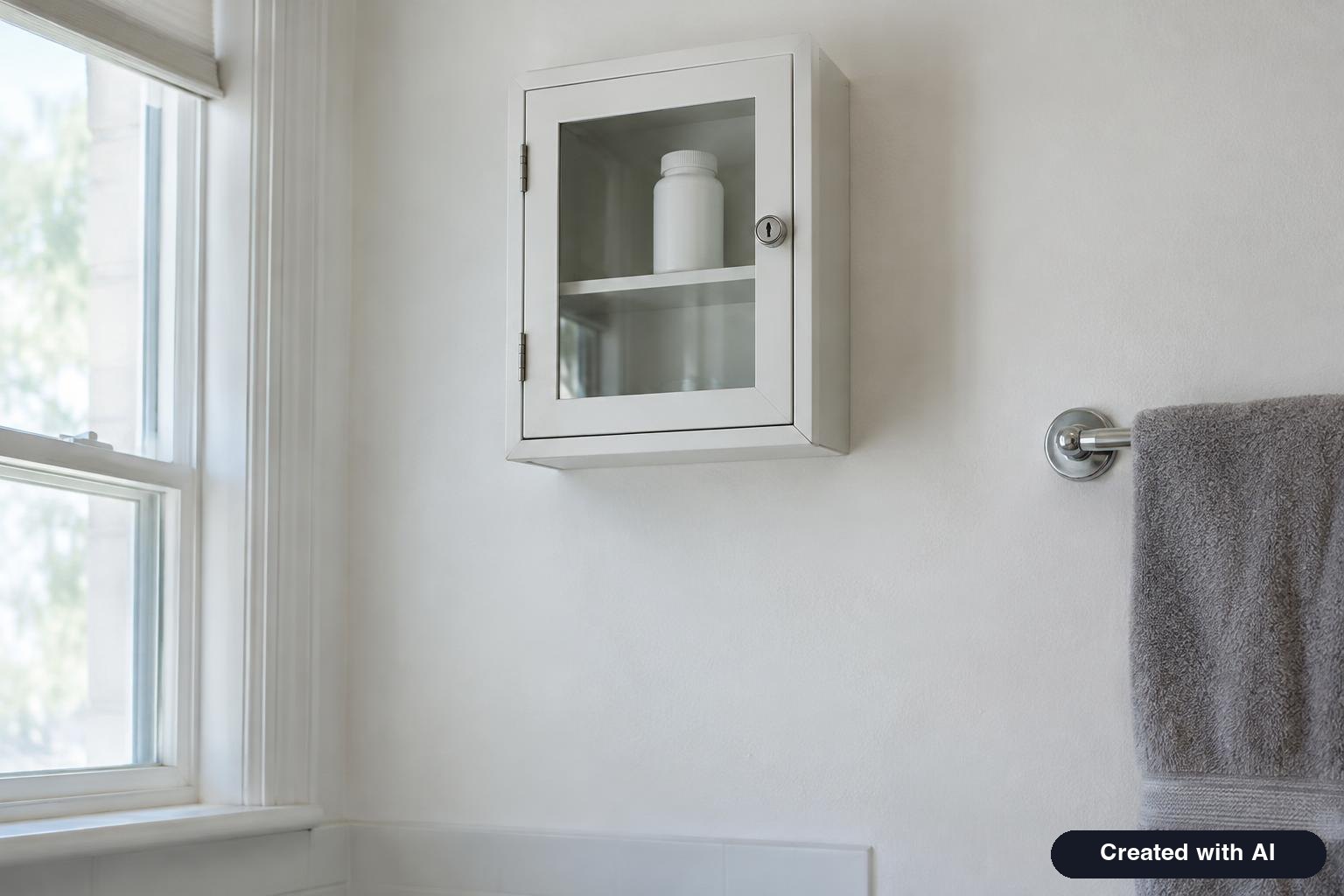
If you have toddlers or older children at home, this matters as much as any dosing advice. MedlinePlus warns that a severe iron overdose can happen if a child eats adult multivitamins such as prenatal vitamins, and accidental overdose of iron-containing products is a leading cause of fatal poisoning in children under 6. Store prenatal vitamins and iron pills in child-resistant containers, up high and out of sight, and never leave a pill organizer on a nightstand or counter.
If you think a child swallowed any, call Poison Control at 1-800-222-1222 immediately, even if the child seems fine; symptoms can improve for a few hours and then return. Call 911 if the child is unconscious, having a seizure or struggling to breathe.
After Delivery
Blood loss during childbirth is a common cause of iron-deficiency anemia, according to the NHLBI. Your provider may check your blood count after delivery and recommend continuing iron. While breastfeeding, the daily requirement drops to 9 mg (10 mg if you are 14 to 18), but if you are still anemic, you may need treatment-level iron for a while. Ask your provider whether to continue your prenatal vitamin while nursing.
Frequently asked questions
How much iron should a pregnant woman take a day?
The recommended intake is 27 mg a day from food and supplements. The CDC recommends a 30 mg low-dose iron supplement for all pregnant people. If you have iron-deficiency anemia, your provider will prescribe a higher treatment dose.
Is the iron in my prenatal vitamin enough?
For most people with normal blood counts, a prenatal vitamin with about 27 mg of iron covers the recommended amount. If screening shows anemia, you will likely need additional iron.
Can I take an iron supplement while pregnant?
Yes, iron supplementation in pregnancy is standard care, but follow your provider's dose. Over-the-counter labels advise pregnant people to ask a health professional before use.
When should I start taking iron in pregnancy?
Ask your provider when to start; many people are already on a prenatal vitamin with iron at their first prenatal visit. Under ACOG guidance, anemia screening happens at the first visit and again at 24 to 28 weeks.
What is the best iron supplement for pregnancy?
The best one is the one you can take consistently at the dose your provider recommends. In pregnancy trials, ferrous bisglycinate caused fewer stomach side effects than other irons.
Is an iron infusion safe during pregnancy?
IV iron is used in pregnancy when oral iron fails, mostly after the first trimester. Studies of iron sucrose after the first trimester have not shown harm, but allergic reactions, though rare, can affect the baby, so infusions are given with monitoring.
Can iron supplements cause constipation in pregnancy?
Yes. Constipation, nausea and stomach pain are common. Taking iron with food, adjusting the dose or changing the form can help; talk to your provider before stopping.
Do I need iron after giving birth?
Possibly. Blood loss at delivery can cause anemia. Your provider may recommend continuing iron or your prenatal vitamin while you recover and breastfeed.
Sources
- MedlinePlus: Iron in diet
- USPSTF: Iron Deficiency and Iron Deficiency Anemia During Pregnancy: Screening and Supplementation (2024)
- USPSTF recommendation statement, JAMA (2024)
- ACOG Practice Bulletin No. 233: Anemia in Pregnancy, Obstet Gynecol (2021)
- DailyMed: Prenatal Plus Vitamins label (27 mg iron as ferrous fumarate)
- Fischer et al., Ferrous bisglycinate supplementation: systematic review and meta-analysis, Nutrition Reviews (2023)
- Tolkien et al., Ferrous sulfate and gastrointestinal side effects: meta-analysis, PLoS One (2015)
- Stoffel et al., Iron absorption on consecutive vs alternate days and single vs split doses, Lancet Haematology (2017)
- NHLBI: Iron-Deficiency Anemia
- DailyMed: Venofer (iron sucrose) label
- DailyMed: Injectafer (ferric carboxymaltose) label
- DailyMed: Feraheme (ferumoxytol) label
- Winkelman et al., Treatment of RLS and PLMD: an AASM clinical practice guideline, J Clin Sleep Med (2025)
- MedlinePlus: Iron overdose
- MedlinePlus: Iron Supplements (drug information)
- DailyMed: Ferrous Sulfate 325 mg tablets label (Richmond Pharmaceuticals)
- eCFR: 21 CFR 101.17(e), warning for dietary supplements containing iron
Log in to comment
No comments yet. Be the first.