Mounjaro vs Zepbound: Same Drug, Different Uses and Prices
- Both brands contain tirzepatide in the same six strengths, 2.5 mg to 15 mg, injected once a week.
- Mounjaro is approved for type 2 diabetes from age 10 and cardiovascular risk in diabetes; Zepbound for adult weight management and obstructive sleep apnea.
- As of October 14, 2026, Lilly's self-pay prices are $299 to $449 a month for Zepbound vials or KwikPen and from $499 a month for Mounjaro pens.
- Mounjaro vs Zepbound: side-by-side
- Is Zepbound the same as Mounjaro?
- What each one is approved for
- Mounjaro vs Zepbound for weight loss: why the numbers differ
- Dosing: identical schedule, different goal
- Side effects: same drug, slightly different tables
- Zepbound vs Mounjaro cost
- How insurance treats the two
- Switching between Mounjaro and Zepbound
- Which one should you ask about?
Mounjaro and Zepbound are the same medicine sold under two names. Both contain tirzepatide, both are made by Eli Lilly, both are injected once a week, and both come in the same six strengths from 2.5 mg to 15 mg. The difference is what the FDA approved each brand to treat. Mounjaro is approved for type 2 diabetes. Zepbound is approved for chronic weight management and for obstructive sleep apnea in adults with obesity. That labeling difference decides which one your insurance will pay for, what it costs out of pocket, and which savings programs you can use.
So the useful question is rarely "which works better?" and almost always "which one fits my diagnosis and my coverage?" This guide walks through the label differences, the weight-loss numbers people quote for each, cost as of October 2026, and what happens if you move from one to the other.
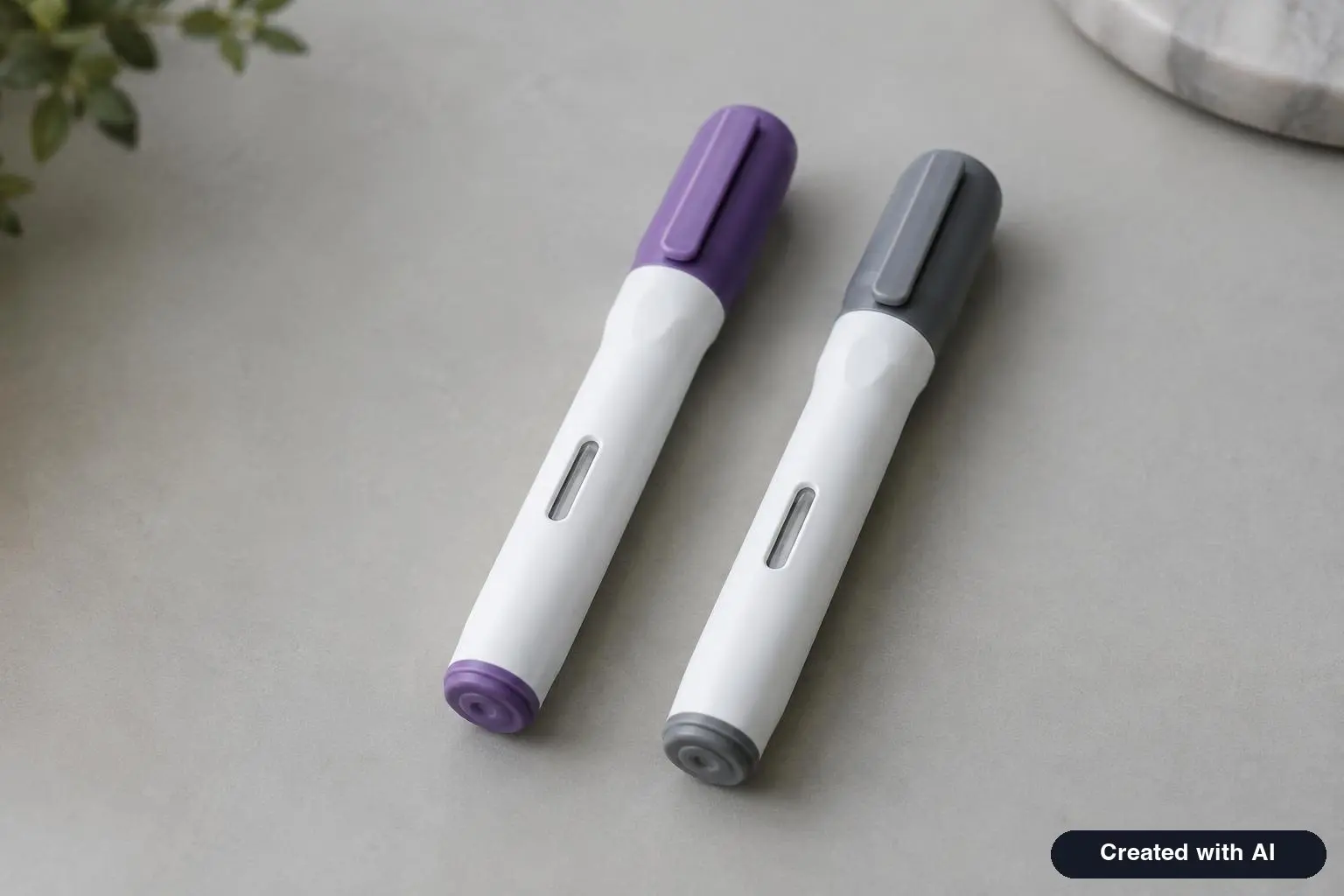
Mounjaro vs Zepbound: side-by-side
| Mounjaro | Zepbound | |
|---|---|---|
| Active ingredient | Tirzepatide | Tirzepatide |
| Drug class | GIP and GLP-1 receptor agonist | GIP and GLP-1 receptor agonist |
| Maker | Eli Lilly | Eli Lilly |
| FDA-approved uses | Improving blood sugar in adults and children 10 and older with type 2 diabetes; reducing risk of major cardiovascular events in adults with type 2 diabetes at high risk | Reducing excess body weight and maintaining the reduction in adults with obesity, or overweight plus a weight-related condition; treating moderate to severe obstructive sleep apnea in adults with obesity |
| Approved for children? | Yes, 10 and older with type 2 diabetes (maximum 10 mg) | No |
| Strengths | 2.5, 5, 7.5, 10, 12.5, 15 mg | 2.5, 5, 7.5, 10, 12.5, 15 mg |
| Starting dose | 2.5 mg weekly for 4 weeks | 2.5 mg weekly for 4 weeks |
| Maintenance | Increase in 2.5 mg steps as needed for blood sugar control | 5, 10 or 15 mg for weight; 10 or 15 mg for sleep apnea |
| Presentations in the label | Single-dose pen, vials, four-dose KwikPen | Single-dose pen, vials, four-dose KwikPen |
| List price | $1,112.16 per month | $1,086.37 per month for pens |
| Lowest manufacturer self-pay price | From $499 a month | From $299 a month |
| Medicare GLP-1 Bridge | Not included | Included (KwikPen only) |
Is Zepbound the same as Mounjaro?
In the syringe, yes. The descriptions in the two FDA labels match: the same tirzepatide molecule, in a clear solution, at the same strengths. The single-dose pens and single-dose vials of both brands list the same inactive ingredients, sodium chloride, sodium phosphate dibasic heptahydrate and water for injection. The multi-dose vials and KwikPens of both add benzyl alcohol, glycerin and phenol as preservatives, because they are entered more than once.
On paper, no. They are separate FDA approvals with separate labels, separate National Drug Codes and separate savings programs. A pharmacist cannot hand you Zepbound on a Mounjaro prescription or the reverse. If you change brands, your prescriber writes a new prescription.
Why two names? When a company wins approval for a second, different use of a drug, it often launches a second brand. Novo Nordisk did the same with semaglutide, sold as Ozempic for diabetes and Wegovy for weight; see Ozempic vs Wegovy. Separate brands let insurers cover the diabetes use while excluding or restricting the weight-management use, which is exactly what many plans do.
What each one is approved for
Mounjaro
- As an add-on to diet and exercise to improve blood sugar control in adults and in children 10 years and older with type 2 diabetes.
- To reduce the risk of cardiovascular death, heart attack or stroke in adults with type 2 diabetes who are at high risk for those events. This indication was added in August 2026 after the SURPASS-CVOT trial, in which Mounjaro was non-inferior to dulaglutide (hazard ratio 0.92) in 13,299 adults with diabetes and cardiovascular disease.
Zepbound
- Together with a reduced-calorie diet and more physical activity, to reduce excess body weight and keep it off long term in adults with obesity (BMI of 30 or higher), or with overweight (BMI of 27 or higher) and at least one weight-related condition such as high blood pressure, high cholesterol, type 2 diabetes, sleep apnea or cardiovascular disease.
- To treat moderate to severe obstructive sleep apnea in adults with obesity. In the SURMOUNT-OSA trials, people on tirzepatide had about 25 to 29 fewer breathing interruptions per hour of sleep after a year, compared with about 5 fewer on placebo.
Mounjaro is not approved for weight loss, even though weight loss is a well-documented effect. Zepbound is not approved to treat diabetes, even though it lowers blood sugar. Prescribers may use a drug off-label when they judge it appropriate, but insurers usually pay only for the labeled use.
Mounjaro vs Zepbound for weight loss: why the numbers differ
You will often see two sets of figures: roughly 15 to 25 pounds for Mounjaro and 15% to 21% of body weight for Zepbound. That is not because Zepbound is stronger. It is because the trials enrolled different people for different lengths of time.
| Trial (label) | Who was studied | Length | 5 mg | 10 mg | 15 mg |
|---|---|---|---|---|---|
| SURPASS-2 (Mounjaro) | Adults with type 2 diabetes on metformin, average starting weight about 207 lb | 40 weeks | -7.6 kg (16.8 lb) | -9.3 kg (20.5 lb) | -11.2 kg (24.7 lb) |
| SURMOUNT-2 (Zepbound) | Adults with type 2 diabetes and a BMI of 27 or higher | 72 weeks | not studied | -12.8% | -14.7% |
| SURMOUNT-1 (Zepbound) | Adults with obesity or overweight, no diabetes | 72 weeks | -15.0% | -19.5% | -20.9% |
Read down the table and the pattern is clear. People with type 2 diabetes lose less weight on tirzepatide than people without it, at the same dose, and longer trials show more loss than shorter ones. The drug in the pen is identical. If you have type 2 diabetes, expect results closer to the middle row whichever brand name is on your box; if you do not, the bottom row is the relevant one. In every row these are averages, and individual results range widely.
How tirzepatide stacks up against semaglutide for weight is covered in Wegovy vs Zepbound and semaglutide vs tirzepatide.
Dosing: identical schedule, different goal
Both brands start at 2.5 mg once a week for four weeks. That starting dose is for getting used to the drug, not for treatment. After that, the dose goes to 5 mg, and can be raised in 2.5 mg steps no sooner than every four weeks, to a maximum of 15 mg.
| Mounjaro | Zepbound | |
|---|---|---|
| What guides increases | Whether more blood sugar control is needed | Treatment response and tolerability |
| Recommended maintenance doses | Not limited to specific steps; any dose from 5 to 15 mg | 5, 10 or 15 mg for weight; 10 or 15 mg for sleep apnea |
| Maximum | 15 mg (10 mg for ages 10 to 17) | 15 mg |
| Missed dose | Take within 4 days (96 hours), otherwise skip | Take within 4 days (96 hours), otherwise skip |
| Changing the injection day | At least 3 days (72 hours) between doses | At least 3 days (72 hours) between doses |
| Injection sites | Abdomen, thigh, or back of the upper arm if someone else injects | Same |
Storage rules match as well: refrigerate at 36°F to 46°F, never freeze, and single-dose pens or vials may be kept unrefrigerated at up to 86°F for a total of 21 days.
The devices deserve a note because they affect price. Single-dose pens are auto-injectors with a hidden needle; a carton holds four, one per week. Vials require drawing up the dose with a separate syringe and needle. The KwikPen, added in 2026, holds four weekly doses in one pen and uses a fresh pen needle each week; the labels say it is not recommended for self-injection by people who are visually impaired, or by children in Mounjaro's case. Lilly's lower self-pay prices for Zepbound apply to the vial and KwikPen, not to the single-dose pens.
Side effects: same drug, slightly different tables
Because the molecule is the same, the side effects are the same. The percentages printed in the two labels differ because the trials enrolled different populations and, for weight management, kept people on treatment longer.
| Side effect | Mounjaro label, 5 / 10 / 15 mg (type 2 diabetes) | Zepbound label, 5 / 10 / 15 mg (weight management) |
|---|---|---|
| Nausea | 12% / 15% / 18% | 25% / 29% / 28% |
| Diarrhea | 12% / 13% / 17% | 19% / 21% / 23% |
| Vomiting | 5% / 5% / 9% | 8% / 11% / 13% |
| Constipation | 6% / 6% / 7% | 17% / 14% / 11% |
| Indigestion | 8% / 8% / 5% | 9% / 9% / 10% |
| Abdominal pain | 6% / 5% / 5% | 9% / 9% / 10% |
| Decreased appetite | 5% / 10% / 11% | not listed as a side effect |
| Hair loss | not in the common list | 5% / 4% / 5% |
Both labels carry the same boxed warning for thyroid C-cell tumors, based on rodent studies, and the same contraindications: a personal or family history of medullary thyroid carcinoma, MEN 2, or a serious allergic reaction to tirzepatide. Both warn about pancreatitis, gallbladder disease, low blood sugar when used with insulin or a sulfonylurea, kidney injury from dehydration, severe stomach problems, worsening of diabetic eye disease, and aspiration during anesthesia. Both advise people taking birth control pills to use a non-oral or backup barrier method for four weeks after starting and for four weeks after each dose increase.
Zepbound's label adds a pregnancy point that reflects its use: weight loss offers no benefit during pregnancy and may harm the fetus, so the drug should be stopped when pregnancy is recognized.
Call your prescriber for persistent vomiting or diarrhea, or vision changes. Get emergency help for severe abdominal pain that will not go away, trouble breathing, or swelling of the face or throat.
Zepbound vs Mounjaro cost
Here the two brands part ways. Prices were checked on Lilly's pages on October 14, 2026.
| Your situation | Mounjaro | Zepbound |
|---|---|---|
| List price | $1,112.16 per month (four pens) | $1,086.37 per month for single-dose pens |
| Commercial insurance covers it | As little as $25 for a 1-, 2- or 3-month fill with the savings card; savings capped at $150 a month and $1,950 a year | As little as $25 for a 1-, 2- or 3-month fill of single-dose pens; savings capped at $100 a month and $1,300 a year |
| Commercial insurance does not cover it | As low as $499 a month with the savings card | $499 a month for single-dose pens with the savings card, or the self-pay prices below |
| No insurance (self-pay) | LillyDirect single-dose pens from $499 a month, all strengths | Vial or KwikPen: $299 (2.5 mg), $399 (5 mg), $449 for 7.5 to 15 mg when refilled within 45 days; otherwise $499 (7.5 mg) and $699 (10, 12.5 and 15 mg) |
| Medicare | Part D plans generally cover it for type 2 diabetes; cost depends on the plan. Savings card not allowed. | $50 copay for the KwikPen through the Medicare GLP-1 Bridge if you meet the weight-management criteria; Part D may cover it for sleep apnea. Savings card not allowed. |
Both savings cards expire on December 31, 2026 unless Lilly renews them, and neither can be used by people on Medicare, Medicaid, TRICARE, VA or other government coverage.
For a cash payer, Zepbound is the cheaper route to tirzepatide: $299 to $449 a month versus $499 for Mounjaro. Over 12 fills at 10 mg, that is $5,388 for Zepbound with on-time refills and $5,988 for Mounjaro at the starting self-pay price. Lilly's self-pay terms require a valid prescription for an approved use, so the brand still has to match your diagnosis. A fuller price comparison across all the brands is in GLP-1 cost without insurance.
How insurance treats the two
- Mounjaro is on most commercial and Medicare Part D formularies for type 2 diabetes. Expect prior authorization that asks for a diabetes diagnosis, and sometimes proof that you tried metformin first.
- Zepbound coverage is patchier. Many employer plans exclude weight-management drugs altogether; others require a documented BMI, a weight-related condition and participation in a lifestyle program, with a check for a minimum amount of weight loss before renewing. Some pharmacy benefit managers prefer Wegovy over Zepbound or the reverse.
- Sleep apnea. A Zepbound prescription written for moderate to severe obstructive sleep apnea, with a sleep study on file, can open coverage under plans that exclude weight-loss drugs, including Medicare Part D.
- Medicare GLP-1 Bridge. From July 1, 2026 through December 31, 2027, eligible Part D enrollees can get the Zepbound KwikPen for a $50 monthly copay for weight management. Mounjaro is not part of the program, and neither are Zepbound vials or single-dose pens. People with type 2 diabetes are routed to their regular Part D coverage instead.
If you have both type 2 diabetes and obesity, you could qualify for either brand on medical grounds. In that case the practical tie-breaker is usually which one your plan covers at the lower copay.
Switching between Mounjaro and Zepbound
Because it is the same drug at the same strengths, a switch between these two is the simplest in this whole class. Typically you continue at the dose you were already taking, on your usual injection day, with no restart at 2.5 mg, as long as you have not had a gap in treatment. Your prescriber writes a new prescription for the other brand and, if insurance is involved, submits a new prior authorization.
Things to check before you switch:
- Diagnosis on the prescription. The new brand's approved use has to fit: type 2 diabetes for Mounjaro; obesity, overweight with a related condition, or sleep apnea for Zepbound.
- Device. If you are moving from an auto-injector pen to vials or a KwikPen, ask for training. The technique is different, and the labels call for it.
- Timing. Line up the new supply before your last dose so you do not miss weeks. After a gap of several weeks, your prescriber may step the dose back to limit nausea.
- Savings programs. A Mounjaro savings card does not work for Zepbound, and the reverse.
Never use both at once. Zepbound's label says plainly that it should not be combined with other tirzepatide-containing products or with any GLP-1 receptor agonist. Moving between tirzepatide and semaglutide is a different matter and needs a dose plan; see switching from Ozempic to Mounjaro.
Which one should you ask about?
- Type 2 diabetes, with insurance: Mounjaro is the labeled product and the one most plans cover.
- Type 2 diabetes plus cardiovascular risk: Mounjaro now carries a cardiovascular indication. Compare it with semaglutide's evidence in Ozempic vs Mounjaro.
- Obesity or overweight without diabetes: Zepbound.
- Moderate to severe sleep apnea with obesity: Zepbound.
- A child 10 or older with type 2 diabetes: Mounjaro. Zepbound is not approved for anyone under 18.
- Paying cash: Zepbound vials or KwikPen cost less than Mounjaro pens, provided the prescription is for a Zepbound-approved use.
- Medicare, for weight management: Zepbound KwikPen through the Bridge, if you meet the criteria.
If neither brand is covered, the semaglutide products and the new pills may be. Start with Zepbound vs Ozempic or the best GLP-1 for weight loss. And be cautious with products that only sound similar: supplements and GLP-1 patches sold without a prescription do not contain tirzepatide.
Frequently asked questions
Is Zepbound the same as Mounjaro?
They contain the same active ingredient, tirzepatide, in the same strengths, made by the same company. They are separate FDA-approved brands with different approved uses: Mounjaro for type 2 diabetes and Zepbound for weight management and obstructive sleep apnea. A pharmacy cannot substitute one for the other without a new prescription.
Which is better for weight loss, Zepbound or Mounjaro?
Neither is stronger, because the drug and doses are identical. Zepbound's trial results look larger because they come from longer studies in people without diabetes. Zepbound is the brand FDA-approved for weight management, which also matters for insurance coverage.
Is Zepbound cheaper than Mounjaro?
For cash payers, yes. As of October 14, 2026, Zepbound vials or KwikPen cost $299 to $449 a month through Lilly's self-pay program with timely refills, while Mounjaro pens start at $499 a month. With commercial coverage and a savings card, either can cost as little as $25.
Can I switch from Mounjaro to Zepbound at the same dose?
Usually yes. Since both are tirzepatide, prescribers typically continue the same dose and schedule if there has been no gap in treatment. You need a new prescription, a diagnosis that fits the new brand's approved use, and possibly a new prior authorization.
Can you take Mounjaro and Zepbound together?
No. They are the same drug. Zepbound's label says it should not be used with other tirzepatide-containing products or with any GLP-1 receptor agonist.
Are the side effects of Zepbound and Mounjaro different?
No. The side effects are those of tirzepatide: mainly nausea, diarrhea, vomiting, constipation and indigestion. Zepbound's label shows higher percentages because its trials studied a different population for longer. Both carry the same boxed warning about thyroid C-cell tumors.
Will insurance cover Mounjaro for weight loss?
Generally not. Most plans approve Mounjaro only for type 2 diabetes and require documentation of that diagnosis. Weight management is the labeled use of Zepbound, which plans cover or exclude under their own rules.
Does Medicare cover Zepbound or Mounjaro?
Part D plans generally cover Mounjaro for type 2 diabetes. For weight management, eligible Part D enrollees can get the Zepbound KwikPen for a $50 copay through the Medicare GLP-1 Bridge from July 1, 2026 through December 31, 2027. Part D may also cover Zepbound for obstructive sleep apnea.
Sources
- Mounjaro (tirzepatide) prescribing information – DailyMed
- Zepbound (tirzepatide) prescribing information – DailyMed
- Frías JP et al. Tirzepatide versus Semaglutide Once Weekly in Patients with Type 2 Diabetes (SURPASS-2). N Engl J Med 2021;385:503-515
- Jastreboff AM et al. Tirzepatide Once Weekly for the Treatment of Obesity (SURMOUNT-1). N Engl J Med 2022;387:205-216
- Nicholls SJ et al. Cardiovascular Outcomes with Tirzepatide versus Dulaglutide in Type 2 Diabetes (SURPASS-CVOT). N Engl J Med 2025;393:2409-2420
- Malhotra A et al. Tirzepatide for the Treatment of Obstructive Sleep Apnea and Obesity (SURMOUNT-OSA). N Engl J Med 2024;391:1193-1205
- Eli Lilly news release: FDA approves Mounjaro to reduce cardiovascular risk in adults with type 2 diabetes
- Lilly pricing information – Mounjaro
- Mounjaro savings and coverage – Eli Lilly
- LillyDirect – Mounjaro self-pay
- Lilly pricing information – Zepbound
- Zepbound savings and insurance options – Eli Lilly
- Medicare.gov – Weight loss drugs (Medicare GLP-1 Bridge)
- CMS – Medicare GLP-1 Bridge
Log in to comment
No comments yet. Be the first.