Ozempic vs Mounjaro: Differences, Results, Side Effects, Cost
- In SURPASS-2 (1,879 adults, 40 weeks), Mounjaro 15 mg cut A1C by 2.3 points and weight by 11.2 kg versus 1.9 points and 5.7 kg for Ozempic 1 mg.
- Ozempic is FDA-approved to lower cardiovascular and kidney risk in type 2 diabetes; Mounjaro gained a cardiovascular indication in August 2026 and is approved from age 10.
- As of October 14, 2026, manufacturer self-pay prices run $199 to $499 a month for Ozempic and from $499 a month for Mounjaro; list prices are about $1,028 and $1,112.
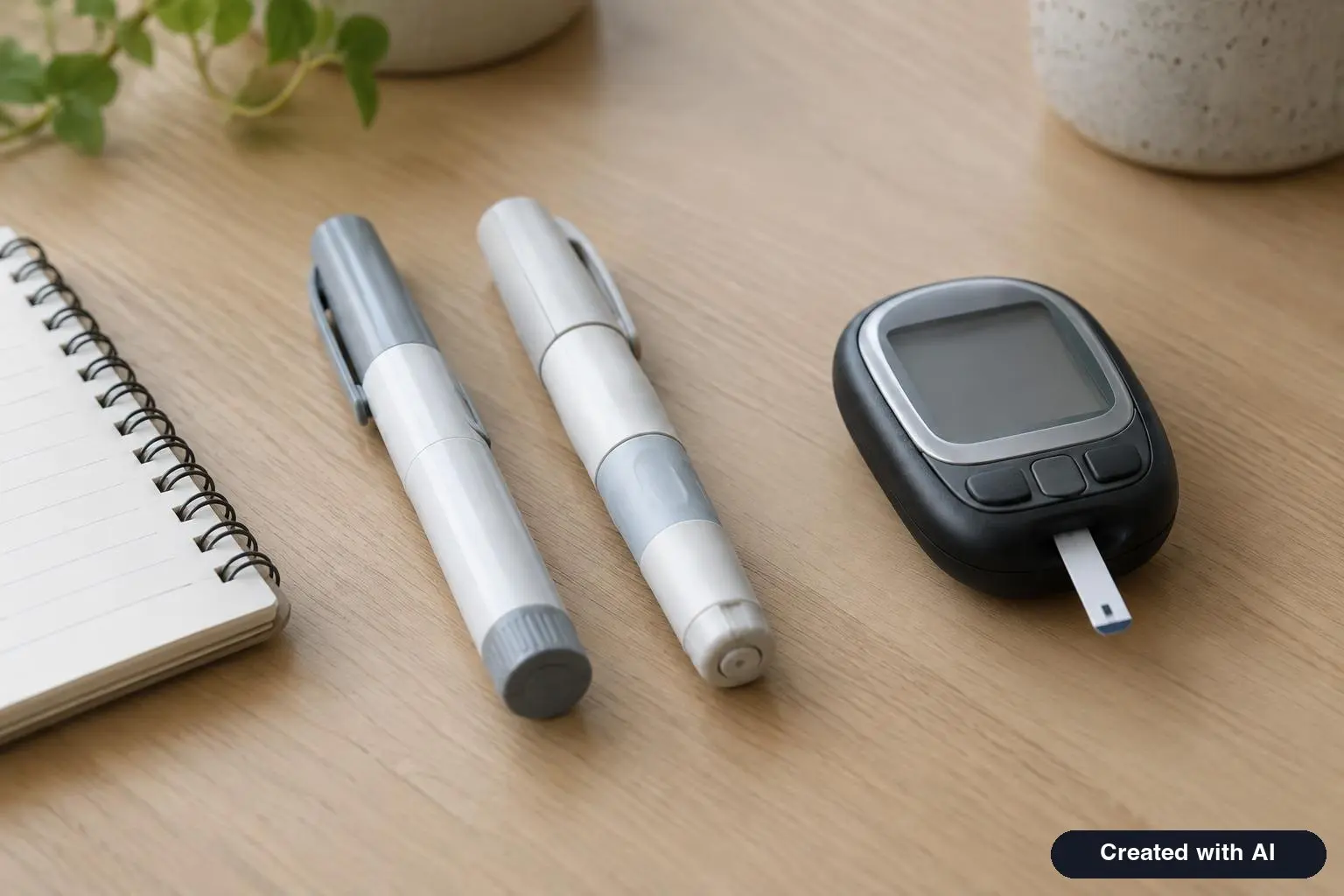
- Ozempic vs Mounjaro at a glance
- How they work: one hormone target or two
- Which works better for blood sugar and weight
- Heart and kidney protection: where Ozempic has the longer record
- Side effects compared
- Dosing schedules side by side
- Cost with and without insurance
- Who should not take Ozempic or Mounjaro
- Ozempic or Mounjaro: how prescribers tend to choose
- The same drugs under other names
- What happens if you stop
Ozempic and Mounjaro are both once-weekly injections approved by the FDA for adults with type 2 diabetes, but they are not the same drug. Ozempic is semaglutide, which acts on one gut-hormone receptor (GLP-1). Mounjaro is tirzepatide, which acts on two (GIP and GLP-1). In the one large trial that compared them directly, SURPASS-2, every Mounjaro dose lowered A1C and body weight more than Ozempic 1 mg. Ozempic, in turn, has something Mounjaro does not: proof against placebo that it cuts heart attacks, strokes and kidney failure in people with diabetes, and FDA-approved uses that reflect it. Neither drug is approved for weight loss; their weight-management twins are Wegovy and Zepbound.
This guide compares the two on the points that decide a prescription in real life: what they are approved for, how well they work, side effects, dosing, cost as of October 2026, and who should not take either one. It is information, not medical advice. The choice between them belongs to you and your prescriber.
Ozempic vs Mounjaro at a glance
| Ozempic | Mounjaro | |
|---|---|---|
| Active ingredient | Semaglutide | Tirzepatide |
| How it works | GLP-1 receptor agonist | GIP and GLP-1 receptor agonist |
| Maker | Novo Nordisk | Eli Lilly |
| FDA-approved uses | Blood sugar control in adults with type 2 diabetes; lowering the risk of major cardiovascular events in adults with type 2 diabetes and established cardiovascular disease; lowering the risk of kidney function decline, kidney failure and cardiovascular death in adults with type 2 diabetes and chronic kidney disease | Blood sugar control in adults and children 10 and older with type 2 diabetes; lowering the risk of major cardiovascular events in adults with type 2 diabetes at high risk for them |
| Approved for weight loss? | No (same ingredient as Wegovy) | No (same ingredient as Zepbound) |
| How often | Once a week | Once a week |
| Starting dose | 0.25 mg for 4 weeks | 2.5 mg for 4 weeks |
| Maintenance doses | 0.5 mg, 1 mg or 2 mg | 5 mg, 7.5 mg, 10 mg, 12.5 mg or 15 mg |
| Maximum dose | 2 mg weekly | 15 mg weekly (10 mg for ages 10 to 17) |
| Also sold as a pill? | Yes, Ozempic tablets (1.5, 4 and 9 mg, once daily) | No |
| Boxed warning | Thyroid C-cell tumors | Thyroid C-cell tumors |
| List price | About $1,028 per pen (one month) | $1,112.16 per month (four pens) |
Sources: current FDA prescribing information for both drugs and the manufacturers' pricing pages, checked October 14, 2026.
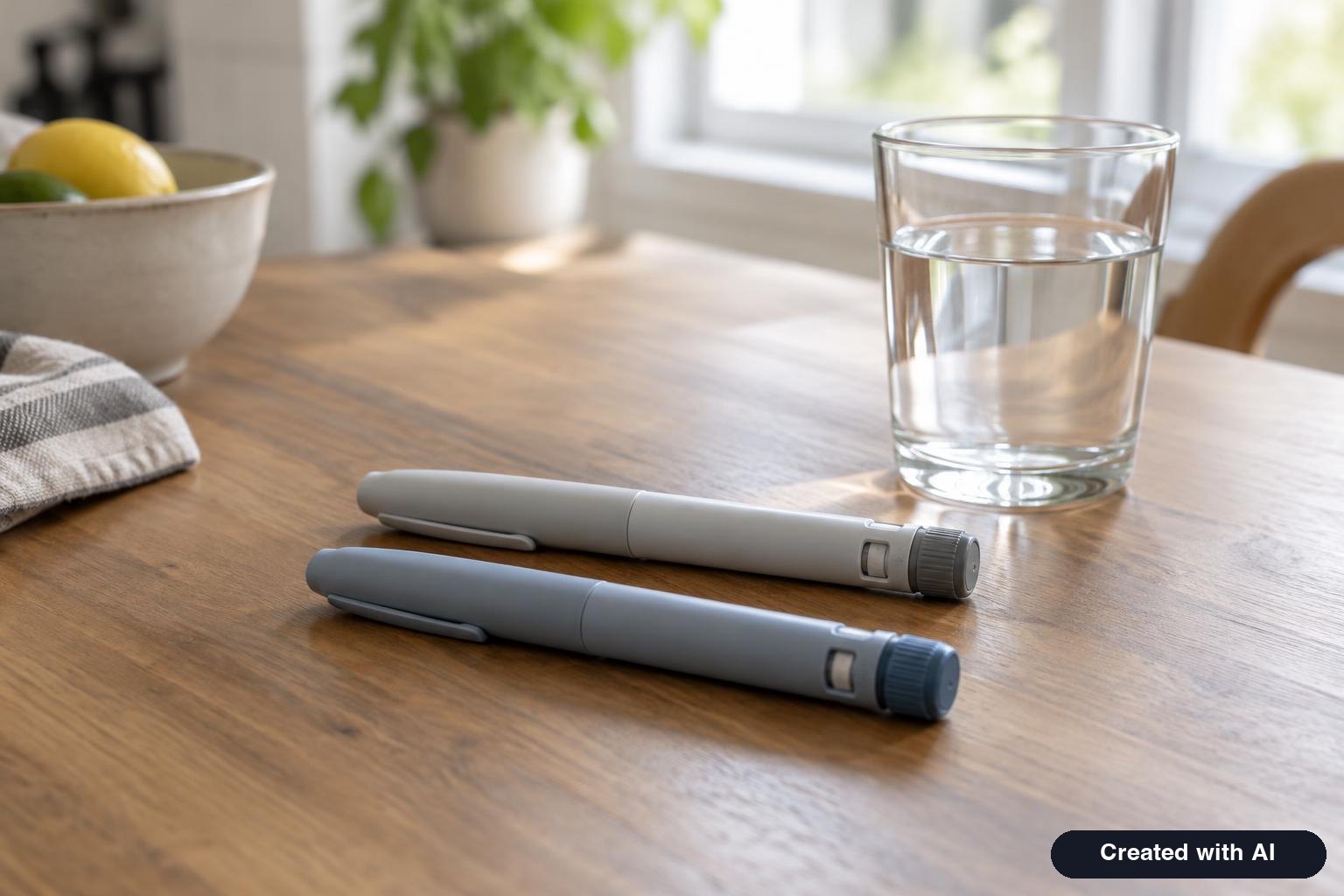
How they work: one hormone target or two
After you eat, your gut releases hormones called incretins. Two of them matter here. GLP-1 tells the pancreas to release insulin when blood sugar is high, lowers glucagon, slows how fast the stomach empties and acts on appetite centers in the brain. GIP also boosts insulin release after meals and appears to play a part in how the body handles fat and appetite.
Semaglutide, the ingredient in Ozempic, is built to copy GLP-1 and nothing else. Tirzepatide, the ingredient in Mounjaro, is a single molecule that activates both the GIP and the GLP-1 receptors. That is why you will see Mounjaro described as a "dual agonist" or "twincretin." Strictly speaking, it is not just a GLP-1 drug, although pharmacies, insurers and most headlines group it with them.
Whether the second target explains Mounjaro's stronger numbers is still debated among researchers. What is settled is the result of the head-to-head comparison, not the mechanism behind it. For a deeper look at the two molecules themselves, see semaglutide vs tirzepatide.
Which works better for blood sugar and weight
The cleanest answer comes from SURPASS-2, published in the New England Journal of Medicine in 2021. It enrolled 1,879 adults with type 2 diabetes who were already taking metformin and assigned them to Mounjaro 5 mg, 10 mg or 15 mg, or to Ozempic 1 mg, for 40 weeks. The figures below are the ones printed in Mounjaro's FDA label.
| Result at 40 weeks | Ozempic 1 mg | Mounjaro 5 mg | Mounjaro 10 mg | Mounjaro 15 mg |
|---|---|---|---|---|
| Starting A1C | 8.3% | 8.3% | 8.3% | 8.3% |
| Change in A1C (points) | -1.9 | -2.0 | -2.2 | -2.3 |
| Reached A1C below 7% | 79% | 82% | 86% | 86% |
| Change in body weight | -5.7 kg (about 12.6 lb) | -7.6 kg (about 16.8 lb) | -9.3 kg (about 20.5 lb) | -11.2 kg (about 24.7 lb) |
Three things are worth knowing before you read too much into that table.
- The comparison stopped at Ozempic 1 mg. The 2 mg dose was approved later. In a separate trial, SUSTAIN FORTE, Ozempic 2 mg lowered A1C by 2.2 points and weight by 6.9 kg over 40 weeks, compared with 1.9 points and 6.0 kg on 1 mg. That narrows the gap with the lowest Mounjaro doses, but no trial has put Ozempic 2 mg against Mounjaro directly.
- Both drugs worked well. Nearly eight in ten people on Ozempic reached an A1C under 7%. The difference between the drugs is real, but it is a difference between two effective medicines.
- Averages hide individuals. Some people respond better to semaglutide, some tolerate one drug and not the other, and your own result cannot be predicted from a trial mean.
For weight specifically, the evidence in people without diabetes points the same way. In SURMOUNT-5, a 72-week trial of 751 adults with obesity, tirzepatide produced an average weight loss of 20.2% compared with 13.7% for semaglutide at their weight-management doses. That trial used the Zepbound and Wegovy versions, covered in Wegovy vs Zepbound. A large study of U.S. health records published in JAMA Internal Medicine in 2024 found the same pattern in everyday practice.
Heart and kidney protection: where Ozempic has the longer record
Lowering A1C is one goal of diabetes treatment. Preventing heart attacks, strokes and dialysis is the bigger one, and here the two drugs have different kinds of evidence.
- Ozempic and the heart. In SUSTAIN-6, a trial of 3,297 people with type 2 diabetes at high cardiovascular risk, major cardiovascular events occurred in 6.6% of those on semaglutide and 8.9% on placebo (hazard ratio 0.74). The label carries a cardiovascular indication for adults with type 2 diabetes and established cardiovascular disease.
- Ozempic and the kidneys. In FLOW, a trial of 3,533 people with type 2 diabetes and chronic kidney disease, semaglutide 1 mg lowered the risk of major kidney outcomes and cardiovascular death by 24% compared with placebo. Ozempic is the only one of the two with a kidney indication.
- Mounjaro and the heart. Mounjaro gained its cardiovascular indication in August 2026 on the strength of SURPASS-CVOT, which followed 13,299 people with type 2 diabetes and cardiovascular disease for a median of about four years. It was compared with another proven drug, dulaglutide (Trulicity), not placebo. Mounjaro was non-inferior, with a hazard ratio of 0.92; the label states plainly that superiority to dulaglutide was not established.
In practice, that means both medicines now have FDA-approved cardiovascular uses, Ozempic's evidence is against placebo and older, and Ozempic alone is labeled for diabetic kidney disease. If you have kidney disease or have already had a heart attack or stroke, raise that directly with your prescriber, because it can tip the choice.
Side effects compared
The two drugs share a side-effect profile because they share a mechanism. Stomach and bowel symptoms lead the list for both, appear mostly while the dose is being raised, and tend to settle. These are the rates from the placebo-controlled trials summarized in each label; they come from different studies, so read them as a guide rather than a scoreboard.
| Side effect | Ozempic 0.5 mg | Ozempic 1 mg | Mounjaro 5 mg | Mounjaro 10 mg | Mounjaro 15 mg |
|---|---|---|---|---|---|
| Nausea | 15.8% | 20.3% | 12% | 15% | 18% |
| Diarrhea | 8.5% | 8.8% | 12% | 13% | 17% |
| Vomiting | 5% | 9.2% | 5% | 5% | 9% |
| Constipation | 5% | 3.1% | 6% | 6% | 7% |
| Abdominal pain | 7.3% | 5.7% | 6% | 5% | 5% |
| Decreased appetite | not listed | not listed | 5% | 10% | 11% |
When the drugs were tested against each other in SURPASS-2, the picture was similar across arms: nausea in 17% to 22% of people on Mounjaro and 18% on Ozempic, diarrhea in 13% to 16% versus 12%, and vomiting in 6% to 10% versus 8%. Serious adverse events were reported in 5% to 7% of the Mounjaro groups and 3% of the Ozempic group.
The serious warnings in the two labels overlap almost entirely: pancreatitis, gallbladder problems, low blood sugar when combined with insulin or a sulfonylurea, kidney injury from dehydration, severe gastrointestinal reactions, serious allergic reactions, worsening of diabetic eye disease in people who already have it, and a risk of inhaling stomach contents during anesthesia or deep sedation.
Call your prescriber promptly for vomiting or diarrhea that will not stop, signs of dehydration, or changes in vision. Get emergency care or call 911 for severe abdominal pain that does not go away (with or without vomiting), swelling of the face, lips or throat, or trouble breathing.
Dosing schedules side by side
Both drugs are stepped up slowly to give the gut time to adjust. Neither starting dose is meant to control blood sugar; it is there for tolerability.
| Step | Ozempic | Mounjaro |
|---|---|---|
| Weeks 1 to 4 | 0.25 mg | 2.5 mg |
| Weeks 5 to 8 | 0.5 mg | 5 mg |
| If more control is needed | 1 mg after at least 4 weeks on 0.5 mg | Increase by 2.5 mg after at least 4 weeks on the current dose |
| Further steps | 2 mg after at least 4 weeks on 1 mg | 7.5, 10, 12.5 and 15 mg |
| Fastest route to the top dose | About 13 weeks | About 21 weeks |
| Missed dose | Take within 5 days; otherwise skip | Take within 4 days (96 hours); otherwise skip |
| Changing your injection day | Allowed if doses are at least 2 days apart | Allowed if doses are at least 3 days apart |
| Where to inject | Abdomen, thigh or upper arm | Abdomen or thigh; back of the upper arm if someone else injects |
The devices differ too. The usual Ozempic pen holds several weekly doses; you attach a new needle each time and dial the dose. Mounjaro most often comes as a carton of four single-dose auto-injector pens with a hidden needle, one pen per week. Mounjaro's current label also covers vials and a four-dose KwikPen.
One practical difference that surprises people: Mounjaro's label advises anyone using birth control pills to switch to a non-oral method or add a barrier method for four weeks after starting and for four weeks after each dose increase, because tirzepatide can reduce how well oral contraceptives are absorbed. Ozempic's label has no equivalent instruction.
There is no official conversion between the two. If you are moving from one to the other, your prescriber sets the starting dose; the reasoning and the published guidance are in switching from Ozempic to Mounjaro.
Cost with and without insurance
Prices below were checked on the manufacturers' own pages on October 14, 2026. They change often, and the introductory offers have end dates.
| Ozempic | Mounjaro | |
|---|---|---|
| List price | $1,027.51 per pen | $1,112.16 per month |
| Commercial insurance that covers it, with the savings card | As little as $25 a month (maximum savings $100 a month) | As little as $25 for a 1-, 2- or 3-month fill (maximum savings $150 a month, $1,950 a year) |
| Commercial insurance that does not cover it | Self-pay price applies | As low as $499 a month with the savings card |
| Self-pay, direct from the manufacturer | NovoCare Pharmacy: $199 a month for the first two fills of 0.25 mg or 0.5 mg (new patients, offer runs through December 31, 2026), then $349 a month for 0.25, 0.5 or 1 mg and $499 a month for 2 mg | LillyDirect: single-dose pens starting at $499 a month, all strengths |
| Medicare, Medicaid, TRICARE, VA | Not eligible for the savings card; coverage for type 2 diabetes depends on the plan | Not eligible for the savings card; coverage for type 2 diabetes depends on the plan |
For someone paying cash, Ozempic is currently the cheaper of the two at most doses. With commercial coverage and a savings card, both can come down to $25. Medicare Part D plans generally cover both for type 2 diabetes, with your cost set by the plan's formulary tier and deductible; they are not part of the $50-a-month Medicare GLP-1 Bridge, which is limited to weight-management drugs. Both Mounjaro's savings card and the Ozempic introductory offer are scheduled to end on December 31, 2026 unless the companies extend them. The full breakdown, including Wegovy, Zepbound and the pills, is in GLP-1 cost without insurance.
Who should not take Ozempic or Mounjaro
Both labels open with the same boxed warning, the FDA's strongest. In rodents, semaglutide and tirzepatide caused thyroid C-cell tumors. It is not known whether they cause these tumors, including medullary thyroid carcinoma (MTC), in humans.
Neither drug should be used by anyone who has:
- a personal or family history of medullary thyroid carcinoma
- Multiple Endocrine Neoplasia syndrome type 2 (MEN 2)
- a previous serious allergic reaction to the drug or its ingredients
Tell your prescriber before starting either one if you have had pancreatitis, have diabetic retinopathy, kidney problems, gastroparesis or other severe stomach problems, or if you are pregnant, planning a pregnancy or breastfeeding. Ozempic's label says to stop the drug at least two months before a planned pregnancy. Both labels say to tell your surgical team you take the medicine before any procedure involving anesthesia or deep sedation. Neither drug is for type 1 diabetes, and neither should be combined with another GLP-1 medicine.
Report a lump or swelling in the neck, hoarseness, trouble swallowing or shortness of breath to your doctor; these can be symptoms of a thyroid tumor.
Ozempic or Mounjaro: how prescribers tend to choose
There is no universal winner, and you should be wary of any article that names one. These are the considerations that usually drive the decision.
- You need the largest drop in A1C or weight: the head-to-head data favor Mounjaro.
- You have chronic kidney disease with type 2 diabetes: Ozempic is the one with an FDA-approved kidney indication.
- You have established cardiovascular disease: both are now labeled to lower cardiovascular risk; Ozempic's evidence against placebo is longer-standing.
- You would rather not inject: Ozempic now comes as a daily tablet for type 2 diabetes. Mounjaro has no pill form. See GLP-1 pills compared.
- You take birth control pills: Mounjaro requires backup contraception around each dose change.
- Your child has type 2 diabetes: Mounjaro is approved from age 10; Ozempic is approved for adults only.
- Your insurance prefers one: many formularies do, and that often settles it. Prior authorization usually requires a type 2 diabetes diagnosis for either drug.
- Your goal is weight loss without diabetes: the on-label options are Wegovy, Zepbound and the newer pills, not Ozempic or Mounjaro. Start with the best GLP-1 for weight loss.
The same drugs under other names
Much of the confusion around this comparison comes from branding. Two molecules are sold under five injectable and pill brand names, each with its own approved use.
| Brand | Ingredient | Main approved use | Compared in |
|---|---|---|---|
| Ozempic | Semaglutide | Type 2 diabetes | Ozempic vs Wegovy |
| Wegovy | Semaglutide | Weight management, cardiovascular risk, MASH | Wegovy vs Zepbound |
| Mounjaro | Tirzepatide | Type 2 diabetes | Mounjaro vs Zepbound |
| Zepbound | Tirzepatide | Weight management, obstructive sleep apnea | Zepbound vs Ozempic |
| Rybelsus / Ozempic tablets | Semaglutide (oral) | Type 2 diabetes | GLP-1 pills compared |
You may also see skin patches marketed with "GLP-1" on the label. Those are supplements, not semaglutide or tirzepatide; our guide to GLP-1 patches explains what they are and what they are not.
What happens if you stop
Type 2 diabetes is a long-term condition, and both medicines work only while you take them. Blood sugar generally rises again after stopping. The weight data tell the same story: in the STEP 1 extension, people who stopped semaglutide 2.4 mg regained about two-thirds of the weight they had lost within a year, and in SURMOUNT-4, people switched from tirzepatide to placebo regained a substantial share while those who continued kept losing. Do not stop or skip doses to stretch a supply without talking to your prescriber, and ask about a plan if cost or a shortage at your pharmacy interrupts treatment.
Frequently asked questions
Is Mounjaro the same as Ozempic?
No. Ozempic contains semaglutide, a GLP-1 receptor agonist made by Novo Nordisk. Mounjaro contains tirzepatide, which activates both GIP and GLP-1 receptors and is made by Eli Lilly. Both are weekly injections for type 2 diabetes, but they are different molecules with different doses and they are not interchangeable.
Why is Mounjaro better than Ozempic for some people?
In the SURPASS-2 trial, all three Mounjaro doses lowered A1C and body weight more than Ozempic 1 mg over 40 weeks. That does not make it better for everyone: Ozempic has an FDA-approved kidney indication, placebo-controlled cardiovascular data, a tablet form and often a lower cash price. Individual response and tolerability also vary.
Which causes more weight loss, Ozempic or Mounjaro?
Mounjaro, on average. In SURPASS-2, weight fell by 7.6 to 11.2 kg on Mounjaro 5 to 15 mg compared with 5.7 kg on Ozempic 1 mg. Neither drug is FDA-approved for weight loss; Wegovy and Zepbound are the versions approved for chronic weight management.
Is Mounjaro cheaper than Ozempic?
Usually not for cash payers. As of October 14, 2026, NovoCare Pharmacy sells Ozempic at $199 a month for the first two starter fills for new patients, then $349 for doses up to 1 mg and $499 for 2 mg. LillyDirect lists Mounjaro pens starting at $499 a month. With commercial insurance and a savings card, either can cost as little as $25.
Can you take Ozempic and Mounjaro together?
No. Both act on the GLP-1 receptor, and using them together has not been studied and is not recommended. Combining them would raise the risk of side effects without proven benefit.
Can I switch from Ozempic to Mounjaro?
Yes, with a new prescription. There is no FDA dose-conversion chart, so your prescriber chooses the starting dose, often 2.5 mg or 5 mg of Mounjaro taken one week after your last Ozempic dose, and then adjusts it. Do not switch on your own.
Are Ozempic and Mounjaro approved for weight loss?
No. Both are approved for type 2 diabetes. Their active ingredients are approved for weight management under different brand names: semaglutide as Wegovy and tirzepatide as Zepbound.
Who should not take Ozempic or Mounjaro?
Anyone with a personal or family history of medullary thyroid carcinoma, anyone with Multiple Endocrine Neoplasia syndrome type 2, and anyone who has had a serious allergic reaction to the drug. People with a history of pancreatitis, diabetic retinopathy, severe stomach problems, or who are pregnant or planning pregnancy should discuss the risks with their prescriber first.
All parts of the guide
 Semaglutide vs TirzepatideTirzepatide beat semaglutide on weight and A1C in head-to-head trials; semaglutide has more approved uses and the only pill forms.
 Wegovy vs ZepboundZepbound produced more weight loss than Wegovy head to head (20.2% vs 13.7%); Wegovy has heart, liver and teen approvals, a pill and lower cash prices.
 Mounjaro vs ZepboundMounjaro and Zepbound are both tirzepatide at identical doses. Mounjaro is approved for type 2 diabetes, Zepbound for weight management and sleep apnea.
 Ozempic vs WegovyOzempic and Wegovy are both semaglutide. Ozempic treats type 2 diabetes up to 2 mg; Wegovy treats weight, heart risk and MASH at 2.4 mg, up to 7.2 mg.
 Zepbound vs OzempicZepbound (tirzepatide) is approved for weight management and sleep apnea; Ozempic (semaglutide) for type 2 diabetes. They are not interchangeable.
 Switching and Dose ConversionNo official semaglutide-to-tirzepatide conversion exists. Tirzepatide usually starts at 2.5 or 5 mg, seven days after the last semaglutide dose.
 Cost Without InsuranceManufacturer self-pay prices for brand-name GLP-1 drugs run $149 to $699 a month as of October 14, 2026, far below list prices of $1,000 or more.
 Best GLP-1 for Weight LossZepbound produces the most average weight loss among approved GLP-1 medicines, but the best choice depends on your conditions, coverage and cost.
 GLP-1 Pills ComparedThe Wegovy pill averaged 13.6% weight loss and Foundayo 11.1% in separate trials; Foundayo has no food or water restrictions.
Sources
- Ozempic (semaglutide) injection prescribing information – DailyMed
- Mounjaro (tirzepatide) prescribing information – DailyMed
- Rybelsus and Ozempic (semaglutide) tablets prescribing information – DailyMed
- Frías JP et al. Tirzepatide versus Semaglutide Once Weekly in Patients with Type 2 Diabetes (SURPASS-2). N Engl J Med 2021;385:503-515
- Frías JP et al. Once-weekly semaglutide 2.0 mg versus 1.0 mg in type 2 diabetes (SUSTAIN FORTE). Lancet Diabetes Endocrinol 2021;9:563-574
- Marso SP et al. Semaglutide and Cardiovascular Outcomes in Patients with Type 2 Diabetes (SUSTAIN-6). N Engl J Med 2016;375:1834-1844
- Perkovic V et al. Effects of Semaglutide on Chronic Kidney Disease in Patients with Type 2 Diabetes (FLOW). N Engl J Med 2024;391:109-121
- Nicholls SJ et al. Cardiovascular Outcomes with Tirzepatide versus Dulaglutide in Type 2 Diabetes (SURPASS-CVOT). N Engl J Med 2025;393:2409-2420
- Aronne LJ et al. Tirzepatide as Compared with Semaglutide for the Treatment of Obesity (SURMOUNT-5). N Engl J Med 2025;393:26-36
- Rodriguez PJ et al. Semaglutide vs Tirzepatide for Weight Loss in Adults With Overweight or Obesity. JAMA Intern Med 2024;184:1056-1064
- Wilding JPH et al. Weight regain and cardiometabolic effects after withdrawal of semaglutide: the STEP 1 trial extension. Diabetes Obes Metab 2022;24:1553-1564
- Aronne LJ et al. Continued Treatment With Tirzepatide for Maintenance of Weight Reduction (SURMOUNT-4). JAMA 2024;331:38-48
- NovoCare – Ozempic list price and coverage
- NovoCare Pharmacy – self-pay prices for Ozempic and Wegovy
- Lilly pricing information – Mounjaro
- Mounjaro savings and coverage – Eli Lilly
- LillyDirect – Mounjaro self-pay
- Eli Lilly news release: FDA approves Mounjaro to reduce cardiovascular risk in adults with type 2 diabetes
- Medicare.gov – Weight loss drugs (Medicare GLP-1 Bridge)
Log in to comment
No comments yet. Be the first.