Semi vs Demi-Permanent Hair Color: Differences and Which to Use
- Semi: no peroxide, coats the hair, fades over a few weeks, little gray coverage.
- Demi: low-volume developer, blends grays, fades softly; cannot lighten.
- FDA: patch test before every use and never dye eyebrows or eyelashes.
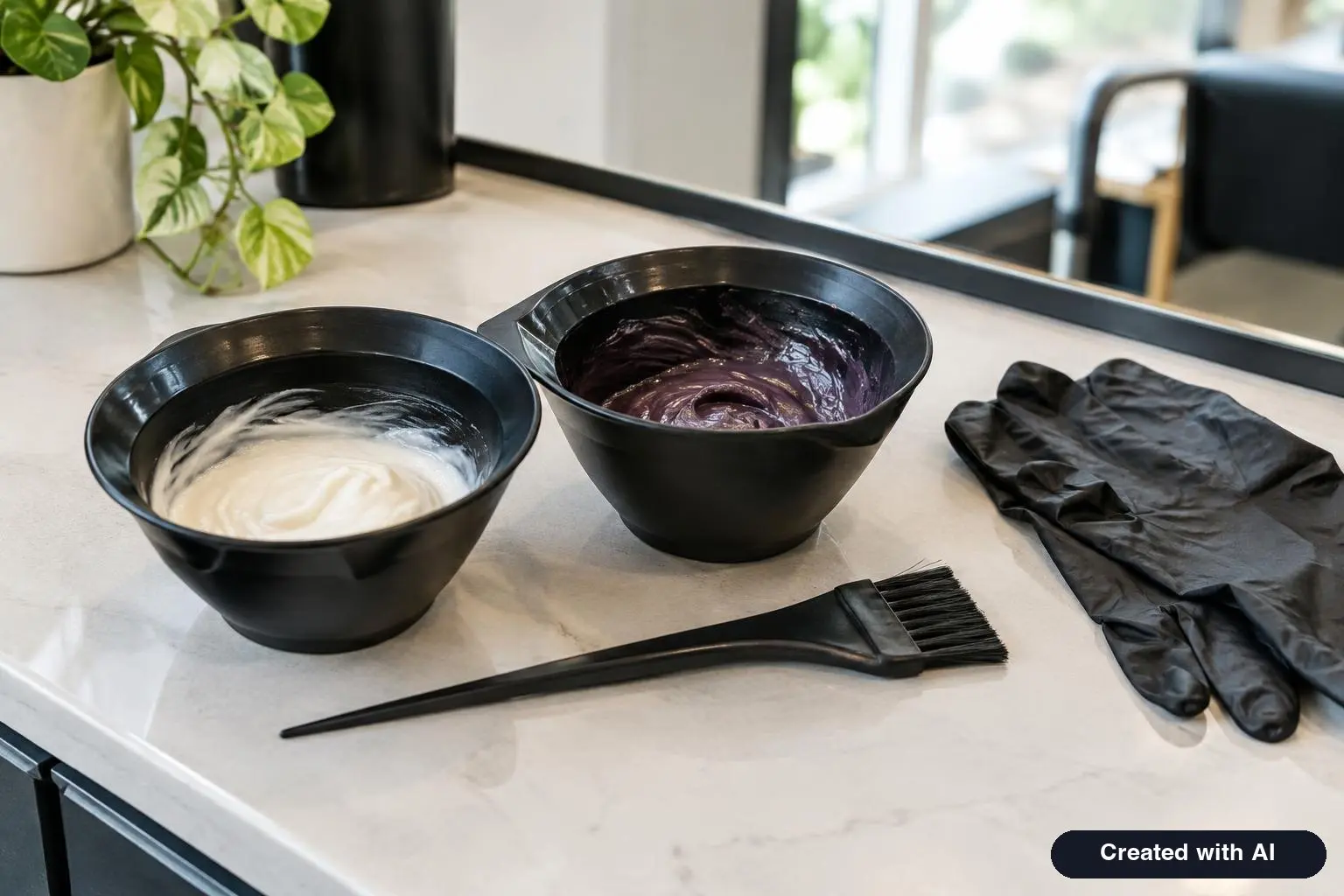
- Semi vs demi vs permanent hair color at a glance
- How semi-permanent hair color works
- How demi-permanent hair color works
- How permanent hair color works
- Which one should you choose?
- Gray hair: semi vs demi vs permanent
- Semi-permanent vs demi-permanent: frequently confused points
- Doing it at home: step by step
- Hair dye safety: what the FDA says
- Choosing a shade: levels and tones
- Fixing or fading semi and demi color
- Hair color and hair type
- Making color last longer
- Cost and time compared
- Salon or at home?
Semi-permanent hair color deposits color on the hair without a developer (peroxide) and without lightening, so it fades gradually over a few weeks of shampoos. Demi-permanent hair color is mixed with a low-strength developer, which lets the color penetrate a little further and last longer, but it still cannot lighten your hair. Permanent color uses a stronger developer and an alkaline agent such as ammonia to open the cuticle, lighten your natural pigment and lock new color inside the strand until it grows out.
The short version: choose semi-permanent for a temporary tint, a fashion color on already-light hair, or a gloss with no commitment; choose demi-permanent to blend early grays, deepen or tone your shade, or refresh faded color with less damage than permanent dye; choose permanent when you want to go lighter or need full gray coverage. This guide compares all three, explains how long each lasts, what happens with gray hair, and how to use hair dye safely according to the FDA.
Semi vs demi vs permanent hair color at a glance
| Semi-permanent | Demi-permanent | Permanent | |
|---|---|---|---|
| Developer (peroxide) | None | Low-volume developer | Higher-volume developer |
| Ammonia | None | Usually none; some use a gentler alkaline agent | Usually yes (or an ammonia substitute) |
| Can it lighten? | No | No | Yes |
| Gray coverage | Little to none; tints or stains grays | Blends grays | Full coverage |
| How long it lasts | Shortest; fades over a few weeks | Longer; fades gradually over several weeks | Until it grows out (roots show) |
| How it fades | Washes out gradually | Fades softly, no harsh line | Does not wash out; regrowth line |
| Commitment and damage | Lowest | Low to moderate | Highest |
| Best for | Fashion colors on light hair, trying a shade, glossing | Toning, blending grays, refreshing color, going darker | Going lighter, full gray coverage, a lasting change |
How long color lasts depends on your hair's porosity, the shade, how often you wash and with what, sun and swimming. Exact wash counts vary by brand, so check the box.
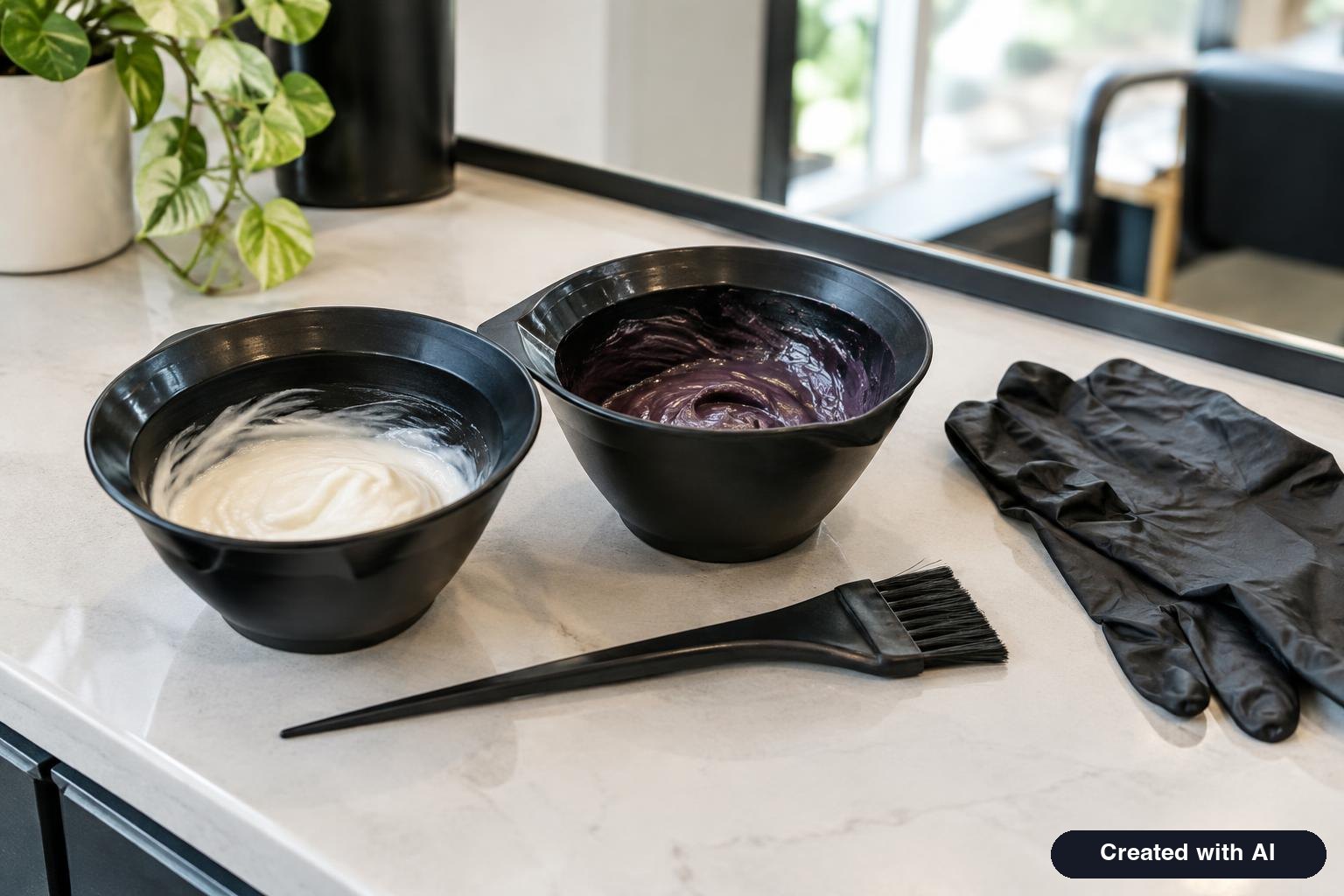
How semi-permanent hair color works
Semi-permanent dyes are ready to use straight from the tube or jar. They contain larger color molecules that coat the hair and slip just under the outer layer (the cuticle) without chemically changing your natural pigment. Because nothing opens the cuticle, the color sits mostly near the surface and washes away a little with every shampoo.
- Pros: no mixing, no developer, the gentlest option, easy to change your mind.
- Cons: cannot lighten, shows strongly only on light or bleached hair, little gray coverage, can stain light hair and porous ends unevenly.
- Typical uses: pastel and vivid fashion colors over bleached hair, adding a tint to blonde hair, a temporary darker or warmer tone, color-depositing conditioners and glosses.
How demi-permanent hair color works
Demi-permanent color is mixed with a low-volume developer. The mild peroxide helps smaller color molecules move a little further into the strand, so the color lasts longer than semi-permanent, but there is too little lift to lighten your natural color. Many demi formulas skip ammonia or use a gentler alkaline agent.
- Pros: longer-lasting than semi, fades softly without a harsh regrowth line, blends gray, adds shine, gentler than permanent.
- Cons: still involves peroxide, cannot lighten, gray hair looks blended rather than fully covered.
- Typical uses: toning brassy blonde after bleaching, glazes and glosses, going a shade or two darker, refreshing faded ends between permanent appointments, softening early grays.
How permanent hair color works
Permanent dye combines an alkaline agent, often ammonia, with a stronger developer. The alkaline agent swells the cuticle; the peroxide lightens your natural pigment and triggers small dye precursors to form larger color molecules inside the hair, where they are trapped. The color does not wash out; it grows out, leaving a regrowth line at the roots.
- Pros: can lighten, covers gray fully, lasts until cut off.
- Cons: most damaging, raises porosity, regrowth needs touch-ups every several weeks, harder to undo.
Which one should you choose?
| Your goal | Usually the best fit |
|---|---|
| Try a new shade without commitment | Semi-permanent |
| Pink, blue, purple or other vivid color on bleached hair | Semi-permanent |
| Tone brassy or yellow blonde | Demi-permanent toner or gloss |
| Go one or two shades darker | Demi-permanent |
| Blend a few early grays | Demi-permanent |
| Cover gray completely | Permanent |
| Go lighter | Permanent (or lightener/bleach, ideally by a professional) |
| Add shine and refresh faded color | Demi-permanent gloss or semi-permanent color-depositing conditioner |
| Sensitive scalp, want the gentlest option | Semi-permanent, after a patch test |
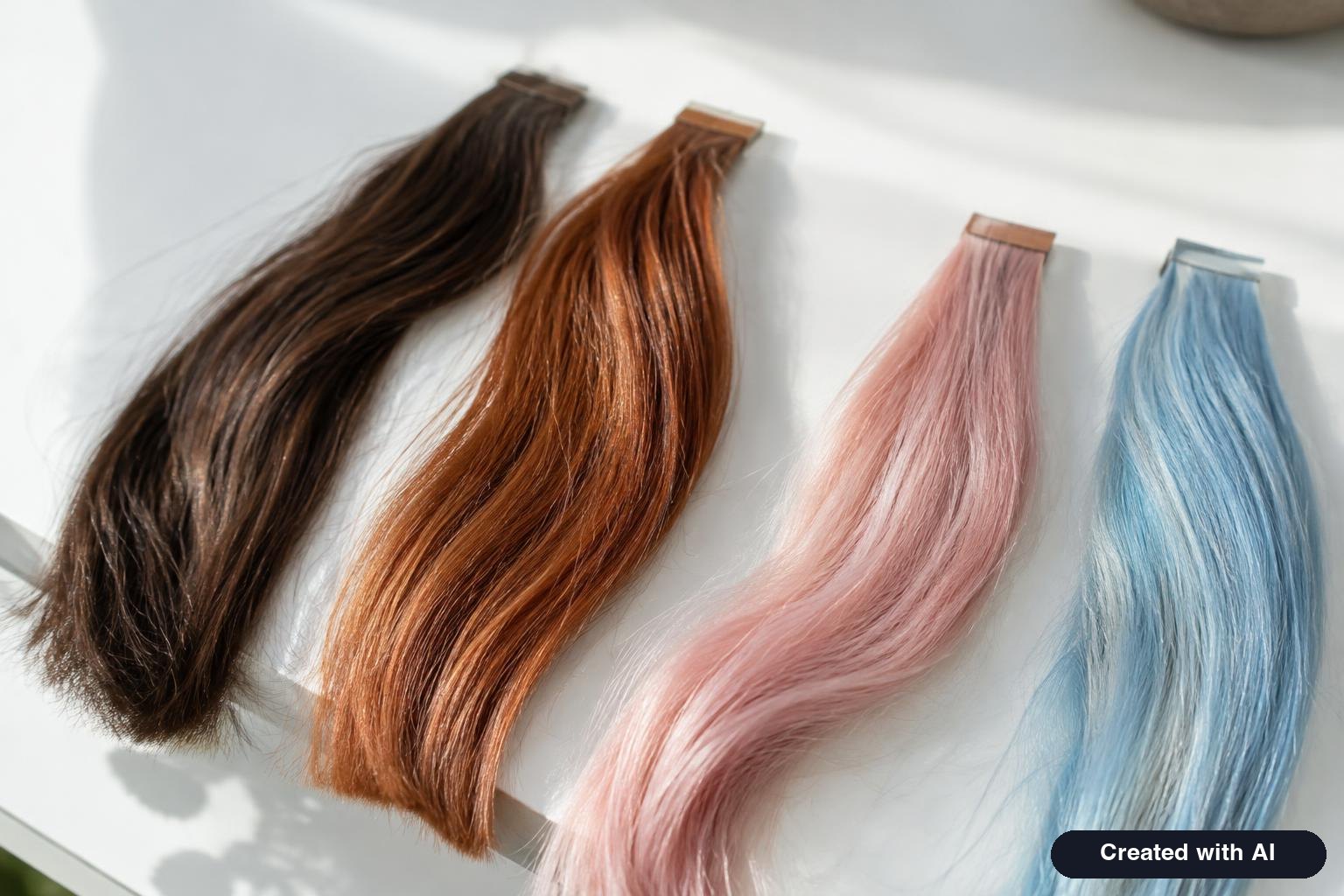
Gray hair: semi vs demi vs permanent
Gray and white hair has lost its natural pigment and is often coarser, so it can resist color. Semi-permanent dye usually tints grays rather than covering them, which some people like as a soft blend. Demi-permanent color blends grays so they look like highlights and fades without a stark line, a popular choice when grays first appear. When more than about half of the hair is gray, or you want no gray to show, permanent color is the usual choice. Some brands sell demi formulas made specifically for gray blending; follow their directions.
Semi-permanent vs demi-permanent: frequently confused points
- "Semi-permanent means half permanent." No: it means no developer and no lasting change; it washes out.
- "Demi-permanent is ammonia-free so it's damage-free." It is gentler, but it still uses peroxide.
- "Either one can make my dark hair lighter." Neither can lighten. On dark hair, a semi-permanent red may show only as a tint in sunlight.
- "Demi washes out completely." It fades gradually, but on porous or light hair some tone can linger.
Doing it at home: step by step
- Read the whole instruction leaflet before you open anything.
- Do a skin patch test as the label directs, before every use (see safety below).
- Do a strand test on a hidden section to check the color and timing on your hair.
- Prepare: old towel, gloves, a clip or two, petroleum jelly along the hairline, a timer.
- Apply as directed: semi-permanent often goes on clean, towel-dried hair; demi-permanent is mixed with its developer and applied to dry or damp hair depending on the brand.
- Time it exactly. Leaving color on longer than directed does not make it safer or better, and the FDA advises against it.
- Rinse until the water runs clear, then condition. Many brands include an aftercare conditioner.
Hair dye safety: what the FDA says
Most hair dyes sold in the United States are "coal-tar" hair dyes (today mostly made from petroleum), which the FDA says include permanent, semi-permanent and temporary dyes. They do not need FDA approval before sale, but their labels must carry a caution statement that begins: "This product contains ingredients which may cause skin irritation on certain individuals," with directions for a preliminary skin test. The FDA's advice:
- Do a patch test before every use, even if you have used the product before without a problem. Formulas change, and allergies can develop over time.
- Never dye eyebrows or eyelashes. The FDA says no color additives are approved for that use and that doing so "may cause blindness."
- Wear gloves, don't leave dye on longer than directed and rinse your scalp well.
- Don't dye if your scalp is irritated, sunburned or damaged.
- Wait at least 14 days after bleaching, relaxing or perming before dyeing.
- Check ingredients for anything that has caused you problems before. The FDA notes that PPD (p-phenylenediamine) "has been implicated more prominently" in allergic reactions, and that some people become sensitized to it through other products such as certain temporary tattoo inks.
- If you react, see a health care provider and report the reaction to the FDA.
Some coal-tar dyes can cause allergic reactions or sensitization that may lead to skin irritation and hair loss, the FDA says. Signs of a reaction include itching, redness, swelling or blistering of the scalp, face or eyes; severe swelling or trouble breathing is an emergency.
Choosing a shade: levels and tones
Most hair color brands describe shades with a level, a number from 1 (black) to 10 (lightest blonde), and a tone, the undertone of the color, such as ash or cool, neutral, golden or warm, copper and red. To pick a shade with semi- or demi-permanent color:
- Find your current level in daylight by comparing your hair at mid-length with the shade chart on the box or the brand's website.
- Stay at your level or go darker. Because semi and demi colors cannot lighten, choosing a lighter shade than your hair usually does nothing visible.
- Pick the tone for your goal: ash or violet-based tones counter brassy yellow or orange; golden and copper tones add warmth; neutral shades give the most natural result.
- Expect the shade on the box to be a guide. The result depends on your starting color, porosity and how much gray you have, which is why a strand test matters.
On previously colored hair, color tends to grab more on porous ends than on healthier roots. Applying to the roots first and the ends for the last part of the processing time, if the directions allow, can give a more even result.
Fixing or fading semi and demi color
- Too dark or too bright after semi-permanent: a few washes with a clarifying shampoo usually speed fading. Hot water fades it faster too, though it is harsher on hair.
- Uneven result: wait a few days for the color to settle, then a professional can even it out; repeated home applications on porous ends can make them darker each time.
- Wrong tone after demi-permanent: a stylist can apply a correcting toner; avoid bleaching at home to remove it, which is the riskiest option.
- Staining on skin: petroleum jelly along the hairline before coloring prevents most of it; color-removing wipes or a little soap and water usually lift it afterward.
Hair color and hair type
Curly and coily hair is often more porous at the ends, so it absorbs color quickly and can turn darker at the tips. It also tends to be drier, and color can add to that, so deep conditioning before and after coloring helps. Fine hair processes faster than coarse hair, and gray hair can resist color. If you have a strong curl pattern, choose gentler options where possible and see Type 3 and Type 4 care guides for moisture routines after color.
Making color last longer
- Wash less often and with cooler water; hot water speeds fading.
- Use a gentle shampoo made for color-treated hair, and condition every time.
- Protect from sun and chlorine: a hat outdoors, rinse and condition after swimming.
- Limit heat and use a heat protectant, as the American Academy of Dermatology advises for all hair; heat fades color and damages the cuticle.
- Refresh between colorings with a color-depositing conditioner or gloss in your shade.
Color raises porosity over time, especially bleach and permanent dye; see our guide to hair porosity for how to care for color-treated hair, and hair types for routines by texture.
Cost and time compared
- Semi-permanent: usually the cheapest and quickest at home; no mixing, and many formulas go on clean, towel-dried hair. The trade-off is reapplying more often.
- Demi-permanent: a little more involved because it is mixed with developer and timed, but still simple at home. Salon glosses and toners are short appointments compared with full color.
- Permanent: lasts longest per application, but root touch-ups every several weeks add up, and lightening services are the longest and most expensive salon visits.
Whichever you choose, budget for a gentle color-safe shampoo and a conditioner; they do more to keep color looking good than any single dye.
Salon or at home?
Semi-permanent color and simple demi-permanent glosses are easy to do at home. A professional colorist is the safer choice for going lighter, correcting uneven or box-dye buildup, covering lots of gray evenly, or moving from dark to vivid colors, which requires lightening first. If you have had a reaction to hair dye before, talk to a doctor or dermatologist before coloring again.
Frequently asked questions
What is the difference between semi-permanent and demi-permanent hair color?
Semi-permanent color has no developer and coats the hair, fading over a few weeks. Demi-permanent is mixed with a low-volume developer, penetrates a little more and lasts longer. Neither can lighten hair.
Does demi-permanent hair color damage hair?
It is gentler than permanent color because it uses a low-strength developer and usually no ammonia, but it does contain peroxide, so it is not damage-free.
Does semi-permanent hair dye cover gray?
Not well. It usually tints or stains gray hair rather than covering it. Demi-permanent blends grays; permanent color covers them fully.
How long does semi-permanent hair color last?
It fades gradually over a few weeks of shampoos. Light, porous hair holds it longer; frequent washing, hot water and sun fade it faster. Check the brand's guidance.
Can demi-permanent color lighten hair?
No. Demi-permanent color can deposit tone, darken or match your shade, but it does not have enough lift to lighten. Going lighter requires permanent color or lightener.
Do I need a patch test for semi-permanent dye?
Follow the label: the FDA advises doing the skin test in the directions before every use of hair dye, even products you have used before.
Can I use hair dye on my eyebrows or eyelashes?
No. The FDA says no color additives are approved for dyeing eyebrows or eyelashes and that doing so may cause blindness.
How long should I wait to dye hair after bleaching or a perm?
The FDA advises waiting at least 14 days after bleaching, relaxing or perming before dyeing.
Log in to comment
No comments yet. Be the first.