Hair Porosity: Low, Medium and High Porosity Hair Explained
- Low porosity: tight cuticle, slow to wet and dry, prone to buildup.
- High porosity is usually caused by bleach, heat and chemical damage.
- The float test is unreliable; judge by how hair behaves.
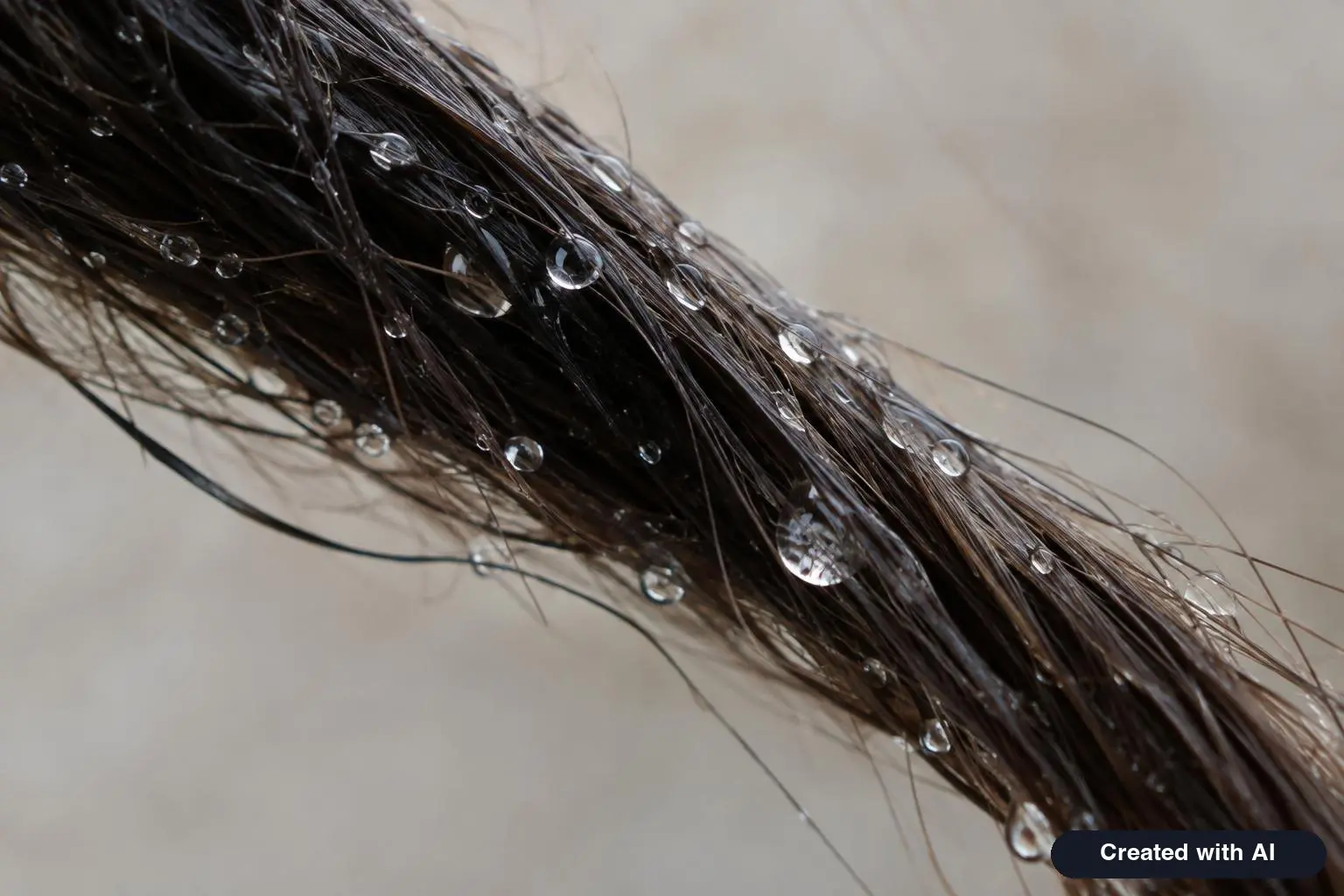
- Low, medium and high porosity at a glance
- How to tell your hair porosity
- Low porosity hair: routine and products
- High porosity hair: routine and products
- Medium porosity hair
- Porosity and hair type
- Can you change your hair porosity?
- Hair porosity product cheat sheet
- A low porosity hair routine, step by step
- A high porosity hair routine, step by step
- Signs of moisture and protein imbalance
- Porosity and hair color, bleach and heat
- Hair porosity myths
- Testing a new product for your porosity
- Porosity quick guide by hair type
- Hard water and porosity
- When porosity changes
- When hair changes are a medical issue
Hair porosity is how easily your hair absorbs water and products and how well it holds on to them. It depends on the outer layer of the strand, the cuticle: when the cuticle scales lie flat and tight, water has a hard time getting in (low porosity); when they are raised or damaged, water rushes in and escapes just as fast (high porosity); medium (normal) porosity sits in between. Porosity can explain why a product that works for a friend with the same curl type does nothing for you.
This guide explains the three porosity levels, how to estimate yours (and why the popular float test is unreliable), and routines and product types for each, with extra detail on low-porosity hair, the most searched type.
Low, medium and high porosity at a glance
| Low porosity | Medium porosity | High porosity | |
|---|---|---|---|
| Cuticle | Tightly closed | Slightly open | Raised, gapped or damaged |
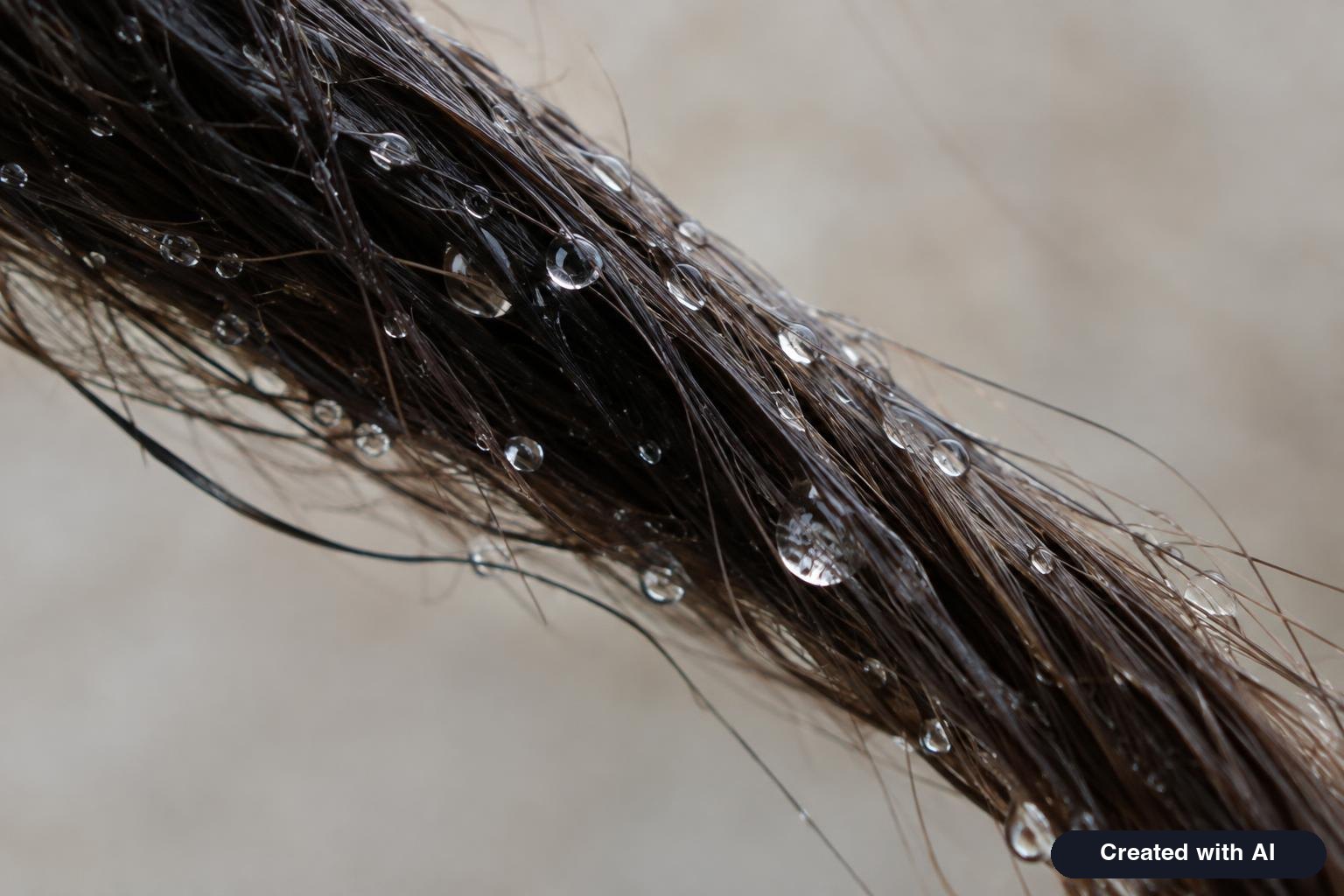
| Getting wet | Water beads up; takes a while to saturate | Absorbs at a normal rate | Soaks up water immediately |
| Drying | Slow; can stay damp for hours | Moderate | Fast |
| Products | Sit on top, cause buildup | Absorb well | Absorb fast, effects fade fast |
| Typical feel | Smooth, shiny, resists color and chemicals | Holds styles well | Dry, frizzy, rough, tangles, breaks |
| Common cause | Mostly natural | Natural | Bleach, color, heat, chemical straightening, sun, rough handling; sometimes natural |
How to tell your hair porosity
There is no simple home test that measures porosity precisely. Use several clues together:
- The wetting test: in the shower, notice how long it takes for your hair to get fully wet. Low porosity resists water; high porosity is soaked instantly.
- The drying test: low-porosity hair takes a long time to air-dry; high-porosity hair dries quickly.
- The product test: if creams sit on the surface and leave a film, porosity is probably low; if hair drinks product and feels dry again within hours, porosity is probably high.
- The history test: repeated bleaching, coloring, relaxers or frequent hot tools almost always raise porosity in the treated lengths.
- The slide test: slide your fingers up a strand from end to root; bumps and roughness suggest raised cuticles and higher porosity.
Why the float test is unreliable
The popular test drops a clean strand into a glass of water: if it floats, porosity is "low"; if it sinks quickly, "high." Whether a single hair floats depends heavily on surface tension, leftover product or oil, the strand's thickness and how long you wait, so results vary from glass to glass. Treat it as a curiosity, not a diagnosis, and rely on how your hair behaves day to day.
Porosity can also differ along one strand: the newer hair near the scalp is often lower porosity than older, more weathered ends.
Low porosity hair: routine and products
Low-porosity hair is usually healthy and strong, but it resists moisture and is prone to buildup.
- Use warmth. Apply conditioners and deep conditioners with gentle heat (a warm towel, a thermal cap or a hooded dryer) to help them work into the hair.
- Apply to wet hair. Products absorb better on damp-to-wet hair than on dry hair.
- Choose lighter products. Water-based leave-ins, lotions, milks and light gels; light oils such as grapeseed, argan or jojoba rather than heavy butters.
- Use less product. More product does not mean more moisture; it means more buildup.
- Clarify regularly. A clarifying shampoo every few weeks removes buildup that blocks moisture.
- Go easy on protein. Many people with low-porosity hair find frequent protein treatments make hair stiff; use them only if hair feels mushy or overly stretchy.
High porosity hair: routine and products
High-porosity hair absorbs moisture easily but loses it fast, so the goal is to seal it in and to strengthen the damaged cuticle.
- Layer and seal. Leave-in, then cream, then a heavier oil or butter (LOC or LCO) to slow moisture loss.
- Use richer products. Creams, butters and thicker leave-ins generally work better than light sprays.
- Balance moisture and protein. Damaged hair often benefits from occasional protein or bond-building treatments; stop if hair becomes stiff or brittle.
- Rinse with cool water after conditioning; many people find it leaves hair smoother.
- Cut down on damage. Less heat, lower temperatures with a heat protectant, fewer bleach sessions, and protection from sun and chlorine.
- Trim damaged ends. High porosity concentrated at the ends usually means damage you can cut away over time.
Medium porosity hair
Medium porosity is the easiest to manage: it takes in moisture and holds it reasonably well, accepts color and styles predictably, and does well with most products. The main goal is to keep it that way by limiting heat and chemical damage and conditioning regularly.
Porosity and hair type
Porosity and curl type are separate traits. Straight, wavy, curly and coily hair can each be low, medium or high porosity. That said, coily and curly hair often show higher porosity at the ends because the bends make the cuticle more exposed to wear. Combining both, for example "3B, low porosity, fine, high density," gives the most useful picture when choosing products. See the overview in hair types and the routines for Type 2, Type 3 and Type 4.
Can you change your hair porosity?
- Low porosity is mostly natural and cannot be permanently opened up, and you would not want to: lifting the cuticle is what damage does. Work with it using warmth, lighter products and clarifying.
- High porosity from damage cannot be fully repaired in the damaged lengths, but conditioning, protein and bond-building treatments can make it behave better, and new growth will be healthier if you avoid the damage that caused it.
Hair porosity product cheat sheet
| Product | Low porosity | High porosity |
|---|---|---|
| Shampoo | Gentle, plus clarifying every few weeks | Gentle, moisturizing |
| Conditioner | Light, with warmth for deep conditioning | Rich; regular deep conditioning |
| Leave-in | Water-based lotion or milk | Creamy leave-in |
| Styler | Light gel or mousse | Curl cream plus gel |
| Oil | Light (grapeseed, argan, jojoba), a few drops | Heavier oils or butters to seal |
| Protein | Occasional, only if needed | Regular but balanced |
A low porosity hair routine, step by step
- Clarify first if products have been sitting on top of your hair; buildup makes low porosity worse.
- Wet thoroughly. Low-porosity hair can take a minute or more under warm water to fully saturate. Warm water helps.
- Shampoo the scalp with a gentle shampoo.
- Condition with warmth. Apply conditioner or a deep conditioner, cover with a plastic cap and a warm towel or thermal cap for 15 to 20 minutes.
- Rinse and apply styling products to soaking-wet hair, in thin layers: a water-based leave-in, then a light gel or mousse.
- Use oil sparingly, a few drops on the ends only.
- Allow extra drying time, or diffuse on low to medium heat.
A high porosity hair routine, step by step
- Use a gentle, moisturizing shampoo on the scalp only.
- Condition generously and detangle while the conditioner is in.
- Deep condition weekly; alternate a moisturizing mask with an occasional protein or bond-building treatment if hair feels weak or mushy.
- Finish with a cool rinse.
- Layer and seal: a creamy leave-in, a cream, then an oil or butter (LOC or LCO).
- Protect: heat protectant before any hot tool, a satin pillowcase or bonnet at night, and a hat in strong sun.
Signs of moisture and protein imbalance
| What you notice | Likely cause | What to try |
|---|---|---|
| Hair feels mushy, limp, overly stretchy when wet | Too much moisture, not enough protein | A protein treatment, then lighter moisturizers |
| Hair feels stiff, straw-like, snaps easily | Too much protein or not enough moisture | Skip protein, deep condition with a moisturizing mask |
| Products sit on top, hair feels coated | Buildup (common with low porosity) | Clarifying shampoo, lighter products, less product |
| Hair dries quickly and frizzes within hours | High porosity losing moisture | Richer leave-in and a sealing oil or cream |
Porosity and hair color, bleach and heat
- Coloring low-porosity hair can take longer to process because the cuticle resists the dye; professionals may adjust processing times.
- Bleach raises porosity in the lightened sections every time, which is why lightened ends often feel drier than the roots.
- Heat from flat irons and blow-dryers, especially at high temperatures without a protectant, damages the cuticle over time.
- Sun and chlorine also weather the cuticle; rinse after swimming and condition.
Hair porosity myths
- "Low porosity hair can't hold moisture." Once moisture gets in, low-porosity hair holds it well; the challenge is getting it in.
- "High porosity always means damage." Usually, but some people have naturally higher porosity.
- "Apple cider vinegar fixes porosity." Acidic rinses can make the cuticle feel smoother, but they do not change your porosity permanently.
- "Steam opens the cuticle permanently." Warmth helps products work during a treatment; it does not change the hair's structure for good.
Testing a new product for your porosity
- Start from clean hair after a clarifying wash, so old buildup does not confuse the result.
- Use the product alone or with your usual basics, without changing anything else.
- Apply a small amount to soaking-wet hair, then add more only if hair still feels dry.
- Watch day two and three, not only day one: low-porosity hair shows buildup over time, while high-porosity hair shows whether moisture lasts.
- Give it two or three washes before deciding.
Porosity quick guide by hair type
| Hair type | If low porosity | If high porosity |
|---|---|---|
| Straight (Type 1) | Light conditioner on the ends, clarify regularly, avoid oils at the roots | Leave-in on the lengths, heat protectant, trims for damaged ends |
| Wavy (Type 2) | Mousse and light gel, warmth when conditioning | Light leave-in plus gel, occasional protein |
| Curly (Type 3) | Water-based leave-in, light cream, gel; LCO with light oil | Creamy leave-in, cream and gel, oil to seal (LOC) |
| Coily (Type 4) | Warm deep conditioning, light butters, clarify | Rich creams and butters, regular deep conditioning, protein balance |
If your ends and roots behave differently, treat them differently: lighter products near the scalp and richer ones on older, more porous ends.
Hard water and porosity
Water itself affects how porosity shows up, and many people never think to check it.
Hard water contains dissolved minerals such as calcium and magnesium that can deposit on hair over time. On low-porosity hair the film adds to product buildup and makes hair feel coated and dull; on high-porosity hair minerals can add to dryness and roughness. If your home has hard water, a clarifying or chelating shampoo every few weeks and a shower filter are common fixes. You can usually find your water hardness in your local water utility's annual water quality report.
When porosity changes
Porosity is not fixed for life. It rises with bleaching, coloring, chemical straightening and frequent heat, and with simple wear on long hair. It can differ between your roots and ends, and between the top layer and the underneath. Re-check how your hair behaves after a big change, such as going blonde, growing out a relaxer or moving to a much drier or more humid climate, and adjust products to match. A routine that worked for years can stop working after a color change or a move. That is usually a sign to revisit porosity rather than to add more product.
When hair changes are a medical issue
Changes in texture are common, but some signs point to a scalp or health problem rather than a hair-type problem: sudden heavy shedding, round bald patches, a widening part, hair breaking at the same length all over, or a scalp that is itchy, scaly, painful or inflamed. Thyroid problems, iron deficiency, hormonal changes, tight hairstyles and some medications can all affect hair. A board-certified dermatologist can examine the scalp and order tests if needed; for low iron, see our guide to iron supplements for low ferritin.
Back to the overview: hair types chart. Other types: Type 2 wavy, Type 3 curly, Type 4 coily.
Frequently asked questions
What is low porosity hair?
Hair whose cuticle is tightly closed, so water and products have trouble getting in. It takes a long time to get wet and to dry, and products tend to sit on top.
How do I know if I have low or high porosity hair?
Watch how your hair gets wet, dries and handles products. Low porosity resists water and dries slowly; high porosity soaks up water instantly, dries fast and feels dry soon after styling.
Is the hair porosity float test accurate?
Not really. Whether a strand floats depends on surface tension, product residue, thickness and timing, so results vary. Use it only as a rough clue.
What products are good for low porosity hair?
Lightweight, water-based leave-ins, lotions and light gels, light oils such as grapeseed or argan, gentle heat during deep conditioning and a clarifying shampoo every few weeks.
What causes high porosity hair?
Usually damage from bleach, color, heat, chemical straightening, sun and rough handling, though some people have naturally higher porosity.
Can low porosity hair be curly?
Yes. Porosity and curl type are separate; straight, wavy, curly and coily hair can all be low, medium or high porosity.
Does low porosity hair need protein?
Usually less than high-porosity hair. Frequent protein can make low-porosity hair feel stiff; use it only if hair feels overly soft or stretchy.
Can you change your hair porosity?
Natural low porosity cannot be permanently changed. Damaged high-porosity hair can be improved with conditioning and protein treatments, and new growth will be healthier if the damage stops.
Log in to comment
No comments yet. Be the first.