Type 3 Hair: 3A, 3B and 3C Curly Hair Routine and Products
- 3A curls are chalk-width spirals, 3B marker-width, 3C pencil-width.
- Style on soaking-wet hair and let curls dry without touching.
- Many curl specialists cut curly hair dry because of shrinkage.
- 3A vs 3B vs 3C
- A curly hair routine
- Products for curly hair
- Haircuts for curly hair
- Common curly hair problems and fixes
- Heat and color with curly hair
- Routines by subtype
- A sample week for curly hair
- Styling ideas for curly hair
- Ingredients many curly routines avoid
- Curly hair mistakes to avoid
- Seasonal care for curly hair
- Heat styling curly hair safely
- A starter kit: what to buy first
- Questions to ask a stylist about curly hair
- How long until you see results
- When hair changes are a medical issue
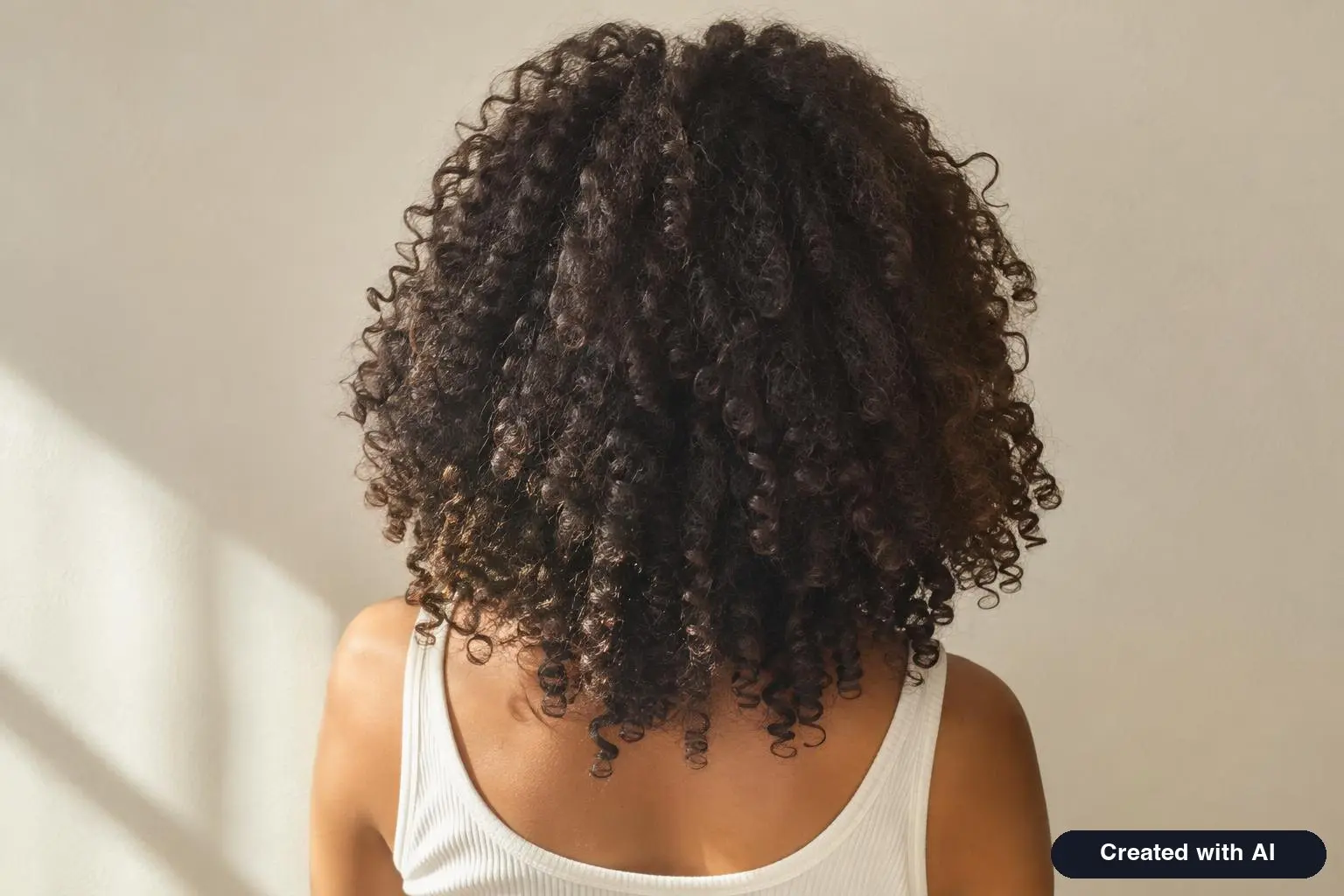
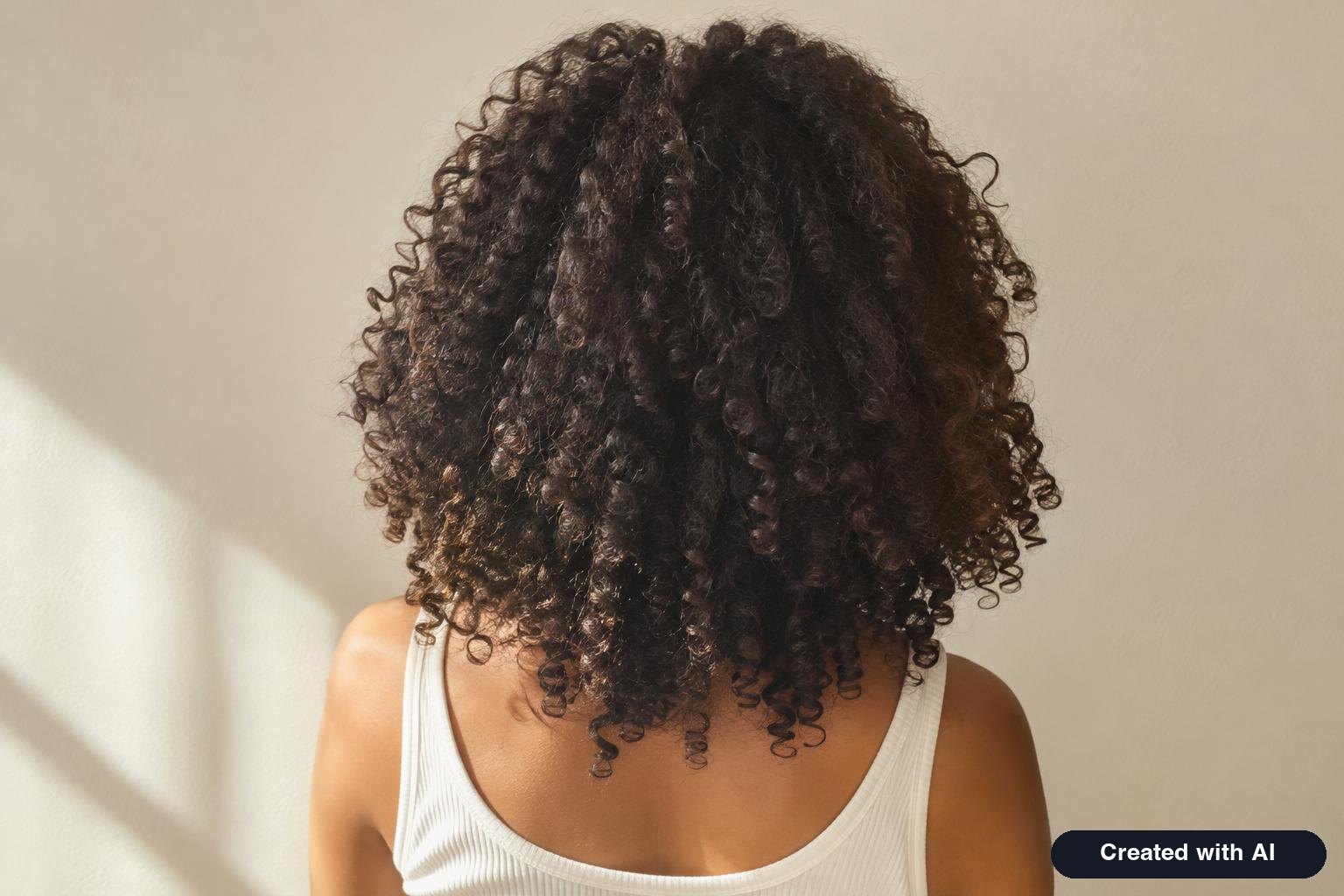
Type 3 hair is curly hair: strands form loops, spirals or ringlets. It ranges from 3A (large, loose spirals about the width of sidewalk chalk) to 3B (springy ringlets about the width of a marker) and 3C (tight corkscrews about the width of a pencil or drinking straw, densely packed).
Curly hair is usually drier than straight hair because the scalp's natural oil does not travel easily down a spiral, and each bend is a spot where the cuticle can lift. That is why curly routines focus on moisture, gentle detangling and holding the curl pattern while it dries. This guide explains the three subtypes and gives a full routine, product types, cuts and fixes for common curly-hair problems.
3A vs 3B vs 3C
| 3A | 3B | 3C | |
|---|---|---|---|
| Curl size | Large, loose spirals (sidewalk chalk) | Springy ringlets (marker) | Tight corkscrews (pencil or straw) |
| Shine | Most shine of Type 3 | Moderate | Less, because tight curls reflect less light |
| Frizz | Moderate | Higher | High, especially in humidity |
| Shrinkage | Some | Noticeable | Significant |
| Moisture needs | Moderate | Higher | High |
| Products | Leave-in plus gel or light cream | Leave-in, curl cream and gel | Rich leave-in, cream, gel; occasional deep conditioning |
A curly hair routine
Wash day
- Cleanse gently. Use a gentle or sulfate-free shampoo on the scalp. Many people with curls shampoo once or twice a week and use a cleansing conditioner ("co-wash") in between; the American Academy of Dermatology says dry, curly or thick hair can be shampooed as needed, at least once every two to three weeks.
- Condition generously. Apply conditioner along the full length, as the AAD recommends for curly hair.
- Detangle in the shower. With conditioner in, use fingers or a wide-tooth comb, working from the ends up.
- Style soaking wet. Rake or smooth in a leave-in, then curl cream and/or gel, section by section.
- Encourage clumps. Scrunch upward or twist small sections around a finger for more definition.
- Blot, don't rub. Squeeze out water with a T-shirt or microfiber towel, or "plop" by wrapping hair on top of the head for 10 to 20 minutes.
- Dry hands-off. Air-dry or diffuse on low speed. Don't touch until fully dry.
- Break the cast. When dry, scrunch out the gel's stiffness with a drop of oil on your palms.
Between wash days
- Mist with water or a diluted leave-in and scrunch.
- Re-define frizzy curls by twisting them around a finger with a little cream.
- Sleep on a satin or silk pillowcase with hair in a loose "pineapple" ponytail on top of the head.
Products for curly hair
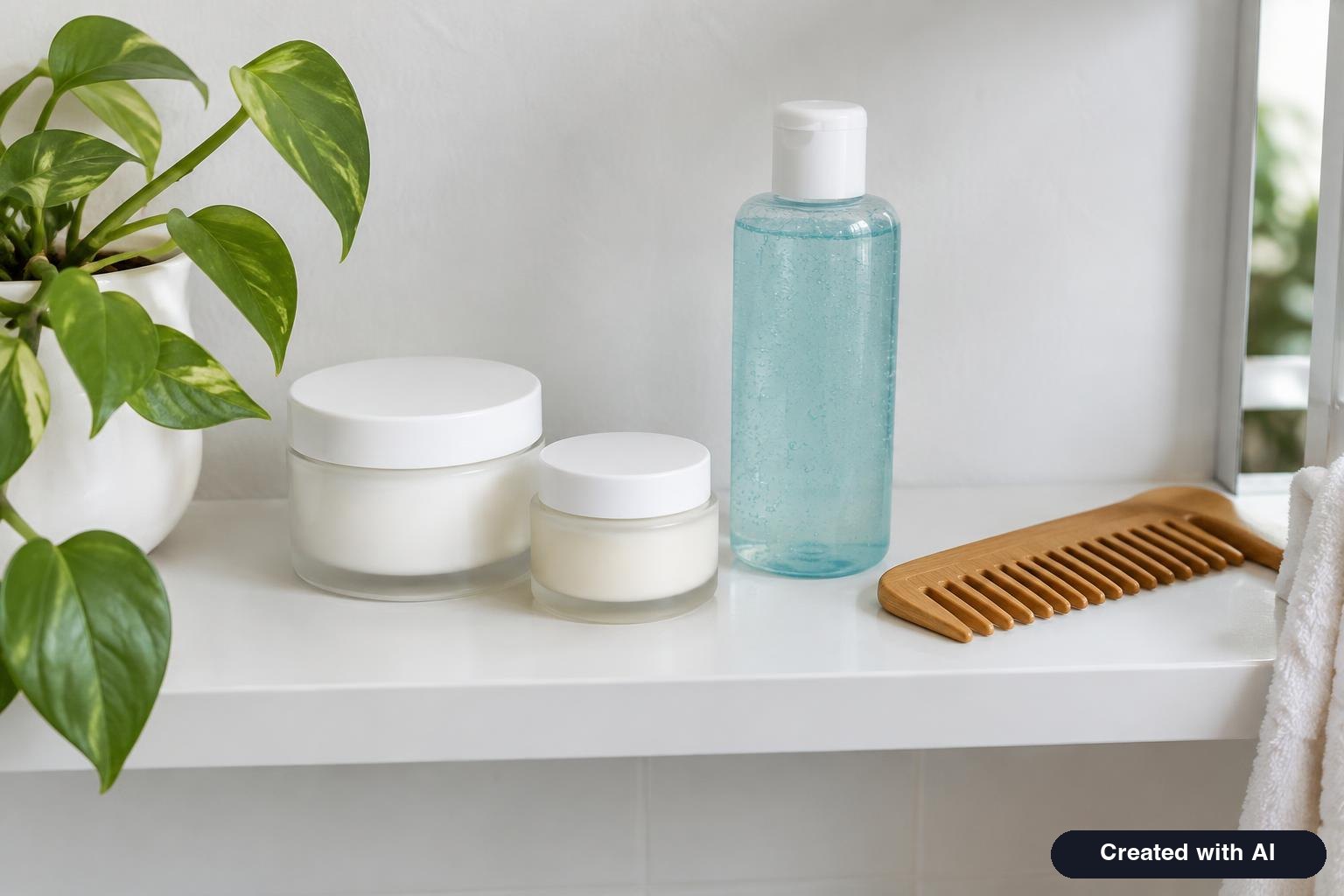
| Product | Role | Tip |
|---|---|---|
| Gentle or sulfate-free shampoo | Cleans without stripping | Use a clarifying shampoo every few weeks if products build up |
| Rinse-out conditioner | Slip for detangling and moisture | Apply generously to the full length |
| Leave-in conditioner | Base layer of moisture | Use on soaking-wet hair |
| Curl cream | Softness and definition | More for 3B and 3C; less for 3A |
| Gel | Hold and frizz control | The "cast" is normal; scrunch it out when dry |
| Oil or serum | Seals in moisture, adds shine | A few drops on the ends or to break the cast |
| Deep conditioner or mask | Extra moisture | Every week or two, especially for 3C or color-treated hair |
Haircuts for curly hair
- Curls shrink when they dry, often by a lot, so many curl specialists cut hair dry, curl by curl, to see where each one falls.
- Layers prevent the "triangle" shape that happens when long, one-length curls are heavy at the bottom.
- Ask for less length off than you think; a cut that looks right on wet hair can spring up several inches.
- Regular trims remove split ends, which travel up the strand and cause frizz.
Common curly hair problems and fixes
- Frizz: more moisture (leave-in and cream), apply products to soaking-wet hair, use gel for hold, and avoid touching while drying. A satin pillowcase reduces friction overnight.
- Dry, crunchy curls: that is usually the gel cast; scrunch it out once fully dry.
- Undefined curls: more gel, finger coiling or smaller sections when styling.
- Limp curls: too much heavy product; switch to lighter cream, use a clarifying wash, and clip roots while drying.
- Tangles and knots: detangle only when wet and conditioned, starting from the ends.
- Curls loosening over time: heat damage, bleach and product buildup are common causes; reduce heat, clarify, and trim damaged ends.
Heat and color with curly hair
Straightening curly hair with high heat can permanently loosen the pattern in damaged sections. If you blow-dry or flat-iron, use a heat protectant, the lowest effective temperature and less frequent sessions, as the American Academy of Dermatology advises for all hair. Bleach and lightening raise porosity, so color-treated curls usually need more moisture and protein care; see hair porosity.
Routines by subtype
3A: definition without weight
3A curls are large and shiny but can loosen into waves if overloaded. After a moisturizing conditioner, apply a light leave-in and a medium-hold gel to soaking-wet hair. A small amount of curl cream is enough; too much can stretch the curl. Diffuse or air-dry and scrunch out the cast once dry. On day two, a mist of water and a few scrunches usually bring curls back.
3B: moisture plus hold
3B ringlets need more moisture than 3A and more hold than wavy hair. Layer a leave-in, a curl cream and a gel, working in four to six sections so every curl is coated. Rake the product through with fingers and then scrunch, or use a brush designed for curls to form clumps. Plop for 10 to 20 minutes before air-drying or diffusing. A weekly deep conditioner helps with frizz and dryness.
3C: dense, tight curls
3C curls are tight and densely packed, with more shrinkage and frizz. Detangle carefully in sections while the conditioner is in. Use a richer leave-in and cream, then a strong-hold gel; some people with 3C hair seal the ends with a little oil. Finger coiling individual curls gives the most definition. Drying takes longer, so diffusing on low heat or sitting under a hooded dryer saves time. Protective styles such as twists can help on busy weeks.
A sample week for curly hair
| Day | What to do |
|---|---|
| Day 1 (wash day) | Gentle shampoo on the scalp, conditioner and detangling, leave-in, cream and gel on soaking-wet hair, plop, dry hands-off |
| Days 2–3 | Pineapple at night; mist with water or diluted leave-in in the morning, scrunch, re-define frizzy curls with cream |
| Day 4 | Co-wash or rinse and re-style if curls are flat or the scalp is itchy |
| Days 5–7 | Refresh as needed, or wear a puff, bun or twist-out before the next wash day |
| Every 1–2 weeks | Deep conditioning mask |
| Every 3–4 weeks | Clarifying shampoo to remove buildup |
Styling ideas for curly hair
- Wash-and-go: leave-in plus gel, defined clumps, hands-off drying.
- Twist-out: two-strand twists on damp hair, untwisted when fully dry for stretched, uniform curls.
- Pineapple updo: a loose high ponytail that protects curls overnight and doubles as a day style.
- Half-up bun: keeps curls off the face on day three or four.
- Diffused volume: diffuse with your head tilted for root lift.
Ingredients many curly routines avoid
Popular curly-hair methods often avoid harsh sulfate shampoos, which can feel stripping on dry curls, and heavy non-water-soluble silicones, which can build up without a clarifying wash. Neither is harmful in itself; the issue is dryness and buildup. If a product with these ingredients works for your curls, there is no need to drop it. Drying alcohols high on the ingredient list can make some curls feel dry; fatty alcohols such as cetyl and cetearyl alcohol are moisturizing.
Curly hair mistakes to avoid
- Detangling dry hair or with a fine-tooth comb.
- Styling on damp rather than soaking-wet hair.
- Touching curls while they dry.
- Skipping gel because of the "crunch"; the cast is what holds definition until you scrunch it out.
- Getting a standard wet cut from a stylist who does not work with curls.
- Using high heat often; heat damage can permanently loosen curls.
Seasonal care for curly hair
Humid summer days
Humidity lets water from the air into the hair shaft, which swells it unevenly and causes frizz. A stronger-hold gel applied to soaking-wet hair, and less handling during the day, keep the pattern intact. Rinse out chlorine and salt water after swimming and condition, since both leave hair drier. A hat or scarf in strong sun protects color and the cuticle.
Dry winter air
Indoor heating and cold, dry air pull moisture out of hair. Many people switch to a richer leave-in or add a cream layer in winter, deep condition more often and wash a little less. Hats rub against hair and cause frizz and breakage, so a satin-lined hat or a silk scarf underneath helps. Avoid going outside with wet hair in freezing weather, which can make strands brittle.
Heat styling curly hair safely
Air-drying is gentlest, but if you blow-dry, diffuse or straighten, follow the American Academy of Dermatology's advice for all hair: use hot tools less often, on low or medium heat, with a heat protectant. Let hair dry partly before using heat, keep a flat iron moving rather than clamping one section repeatedly, and give hair heat-free days in between. If a section stops returning to its natural pattern after washing, that is heat damage; trimming it off is the only real fix.
A starter kit: what to buy first
You do not need ten products to start. A gentle shampoo, a conditioner suited to your type, one styler (mousse or gel for waves, a leave-in plus gel for curls and coils), a wide-tooth comb and a microfiber towel or cotton T-shirt cover most routines. Add a clarifying shampoo, a deep conditioner and a satin pillowcase or bonnet once you know what your hair likes. Buy travel sizes or samples where you can, and change one product at a time so you can see what actually makes a difference.
Questions to ask a stylist about curly hair
- Do you cut curly hair regularly, and can I see photos of your work on hair like mine?
- Do you cut it dry, wet or both, and why for my hair?
- How much length will I lose once it dries and shrinks?
- What shape will it grow into over the next three months?
- Which products are you using today, and how much should I use at home?
- How often should I come back for a trim to keep the shape and avoid split ends?
A good consultation takes a few minutes before any cutting starts. If a stylist wants to blow-dry and flat-iron your hair straight to cut it without discussing the result on your natural texture, it is fine to ask for another approach.
How long until you see results
Changing to a routine built for curly hair rarely shows its full effect on the first wash. Hair that has been brushed, heat-styled or coated with heavy products for years often needs several weeks to show its natural pattern consistently. Keep a simple log of what you used and how your hair looked on days one to three after each wash; after three or four wash days, patterns usually become obvious. Damaged ends will not change, but as new growth comes in and you trim, the difference between old and new hair becomes clear.
If nothing improves after a couple of months of consistent care, or your hair is thinning, shedding heavily or breaking much more than before, the cause may not be your routine; see a dermatologist.
When hair changes are a medical issue
Changes in texture are common, but some signs point to a scalp or health problem rather than a hair-type problem: sudden heavy shedding, round bald patches, a widening part, hair breaking at the same length all over, or a scalp that is itchy, scaly, painful or inflamed. Thyroid problems, iron deficiency, hormonal changes, tight hairstyles and some medications can all affect hair. A board-certified dermatologist can examine the scalp and order tests if needed; for low iron, see our guide to iron supplements for low ferritin.
Back to the overview: hair types chart. Other types: Type 2 wavy, Type 4 coily, hair porosity.
Frequently asked questions
What is 3A hair?
3A is the loosest curly type: large, shiny spirals about the width of sidewalk chalk. It usually needs a leave-in and a gel or light cream.
What is the difference between 3B and 3C hair?
3B forms springy ringlets about the width of a marker; 3C forms tight corkscrews about the width of a pencil or straw, with more density, frizz and shrinkage.
How often should I wash curly hair?
Many people with curls shampoo once or twice a week and co-wash in between. The AAD says dry, curly or thick hair can be shampooed as needed, at least once every two to three weeks.
What products do I need for curly hair?
A gentle shampoo, a rinse-out conditioner, a leave-in, a curl cream and/or gel for hold, and a little oil for the ends or to scrunch out the gel cast.
How do I stop frizz in curly hair?
Apply products to soaking-wet hair, use gel for hold, don't touch curls while they dry, scrunch out the cast when dry and sleep on satin.
Should curly hair be cut wet or dry?
Many curl specialists cut dry, curl by curl, because curly hair shrinks as it dries and a wet cut can end up shorter than expected.
What does plopping mean?
Wrapping wet, styled curls on top of your head in a cotton T-shirt or microfiber towel for 10 to 20 minutes to absorb water without disturbing the curl pattern.
Why are my curls getting looser?
Heat damage, bleach, product buildup and the weight of longer hair are common reasons. Hormonal changes can also change texture.
Log in to comment
No comments yet. Be the first.