Type 2 Hair: 2A, 2B and 2C Wavy Hair Routine and Products
- 2A waves are loose and fine, 2B defined, 2C deep and frizz-prone.
- Apply mousse or gel to soaking-wet hair and avoid brushing it dry.
- Heavy creams and butters are the main reason waves fall flat.
- 2A vs 2B vs 2C
- How to tell if you have wavy hair
- A wavy hair routine
- Products for wavy hair
- Haircuts for wavy hair
- Common wavy hair problems
- Wavy hair myths
- Routines by subtype
- A sample week for wavy hair
- Styling ideas for wavy hair
- Mistakes that hide waves
- Seasonal care for wavy hair
- Heat styling wavy hair safely
- A starter kit: what to buy first
- Questions to ask a stylist about wavy hair
- How long until you see results
- When hair changes are a medical issue
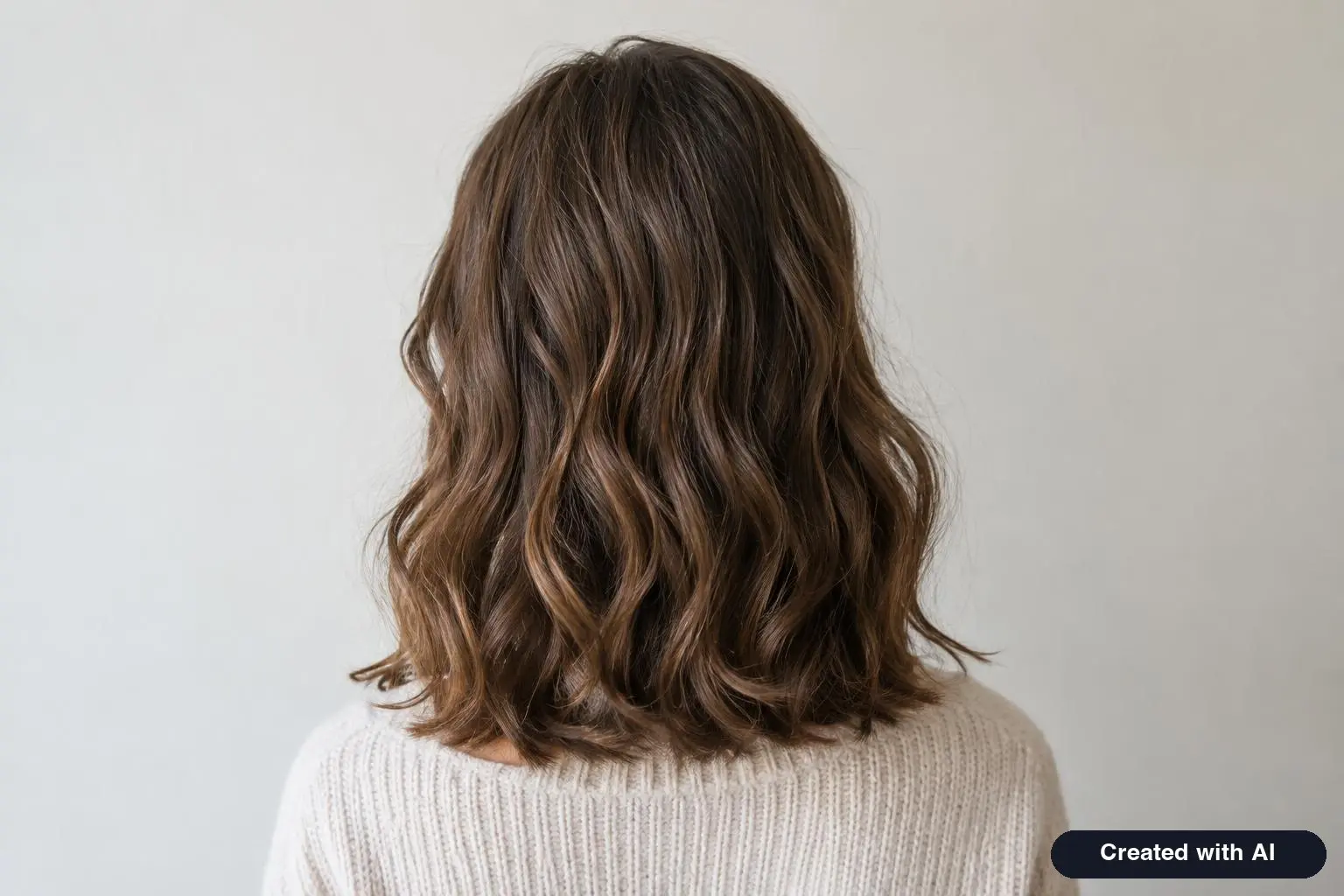
Type 2 hair is wavy hair: it forms an "S" shape rather than lying straight or forming full loops. It is split into 2A (loose, stretched waves, fine and easily weighed down), 2B (defined S-waves from the mid-lengths, some frizz) and 2C (deep waves that start near the root, thicker and more frizz-prone, sometimes with a few loose ringlets).
Wavy hair is the type most often misread. Brushed when dry or loaded with heavy conditioner, it looks like frizzy straight hair; treated as curly hair with rich creams, it falls flat. The trick is light moisture and light hold. This guide explains how to tell 2A, 2B and 2C apart and gives a routine, product types and styling tips for each.
2A vs 2B vs 2C
| 2A | 2B | 2C | |
|---|---|---|---|
| Pattern | Loose, barely-there S-waves | Clear S-waves from mid-length | Strong S-waves from near the root, some ringlets |
| Texture | Usually fine | Fine to medium | Medium to coarse |
| Volume at the roots | Flat | Some | More |
| Frizz | Low | Moderate, especially at the crown | High in humidity |
| Biggest risk | Products weighing it down | Frizz hiding the wave | Dryness and frizz |
| Products | Mousse, light sprays, light gel | Light leave-in plus mousse or gel | Leave-in, light curl cream plus gel |
How to tell if you have wavy hair
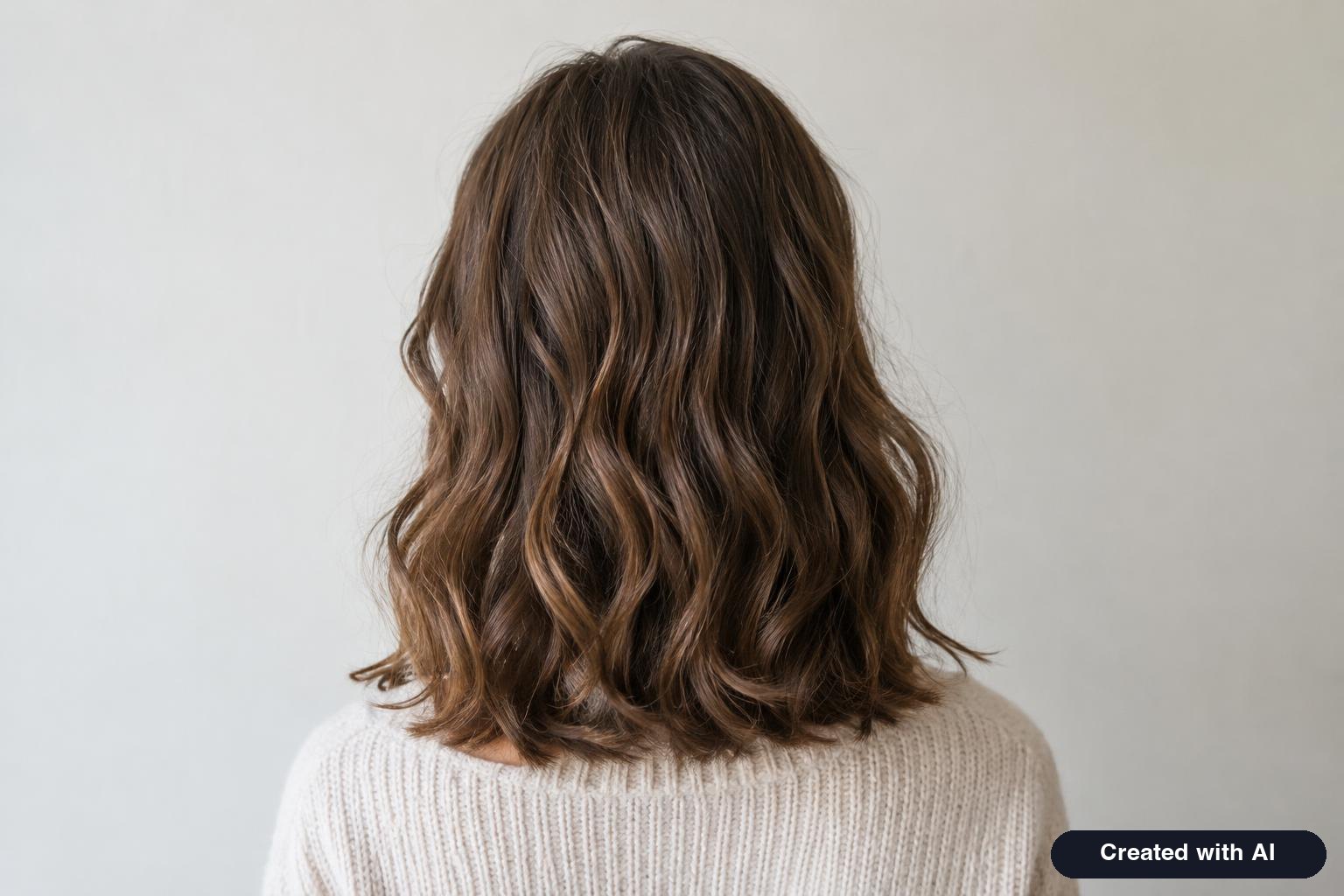
- Wash with a gentle shampoo, use a light conditioner on the lengths, and rinse.
- Squeeze out water by scrunching upward with a cotton T-shirt or microfiber towel; do not rub.
- Do not brush or comb once you are out of the shower.
- Let it dry completely. If an S-shape forms, especially at the mid-lengths and ends, you have Type 2 hair.
Many people with 2A hair have spent years blow-drying and brushing and are surprised to see waves appear after a few weeks of this routine.
A wavy hair routine
Wash
- Shampoo the scalp every two to four days, or as often as your scalp needs. A gentle shampoo is enough; oily scalps may need more frequent washing.
- Condition the mid-lengths and ends. 2A hair usually needs only a little; 2C hair can take more.
- Detangle in the shower with fingers or a wide-tooth comb while conditioner is in.
Style
- Apply products to soaking-wet hair; waves clump better before they start drying.
- 2A: a mousse or light spray gel is usually enough.
- 2B: a light leave-in, then mousse or a light gel.
- 2C: a leave-in, a small amount of light curl cream, then gel to hold.
- Scrunch upward toward the scalp to encourage the wave, then scrunch out excess water with a T-shirt.
Dry
- Air-dry or use a diffuser on low speed and medium heat, hovering under sections without moving them much.
- Once fully dry, gel forms a "cast"; scrunch it out gently with a drop of oil on your hands for soft waves.
Refresh
- On day two or three, mist with water or a water-and-leave-in mix and scrunch.
- Re-scrunch flat sections with a little mousse.
- Sleep with hair loosely piled on top of your head or in a loose braid on a satin pillowcase.
Products for wavy hair
| Product type | What it does | Best for |
|---|---|---|
| Mousse | Light hold and volume without weight | 2A and 2B |
| Light gel | Holds the wave pattern and fights frizz | All Type 2 |
| Sea salt or texture spray | Adds grit and loose texture | 2A, for a beachy look |
| Light leave-in | Moisture and slip | 2B and 2C |
| Light curl cream | Moisture and soft definition | 2C |
| Clarifying shampoo (occasionally) | Removes buildup that weighs waves down | All Type 2, every few weeks |
Heavy butters, thick oils and rich masks applied all over are the most common reason wavy hair goes flat. Use them sparingly on the ends if at all.
Haircuts for wavy hair
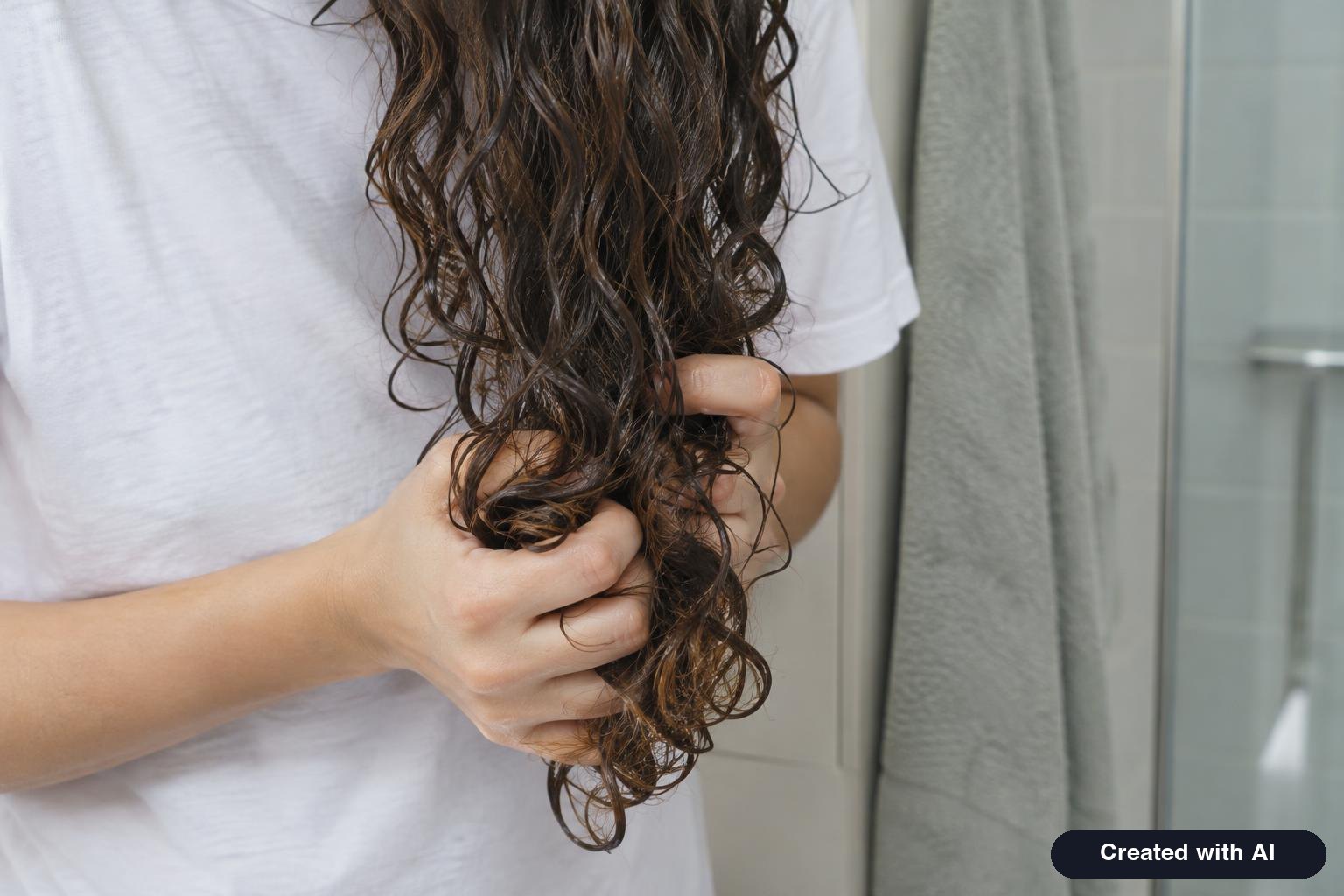
- Long layers remove weight so waves can form; one heavy length often pulls them straight.
- Face-framing layers show off the wave around the face.
- Shoulder-length cuts and lobs suit 2B and 2C; very short cuts can turn waves into puffy volume.
- Ask your stylist to cut with your waves in mind, not to blow them straight first and cut as if the hair were Type 1.
Common wavy hair problems
- Flat roots: lift the crown with clips while drying, use mousse at the roots, and avoid heavy products near the scalp.
- Frizz at the crown: apply gel to soaking-wet hair, avoid touching while it dries, and scrunch out the cast once completely dry.
- Waves fall out by midday: use more hold (gel instead of cream) or a little hairspray.
- Waves on the bottom, straight on top: very common; layering and root clips help, and some people simply accept two textures.
- Greasy scalp, dry ends: shampoo the scalp more often and condition only the ends.
Wavy hair myths
- "You need to go no-shampoo." Many wavy-haired people do well washing regularly with a gentle shampoo; oily scalps need it.
- "Wavy hair is damaged straight hair." It is a natural texture; heat and brushing hide it.
- "Curly products work for waves." Products made for Type 3 and 4 are often too rich for Type 2.
Routines by subtype
2A: keep it light
2A waves are the easiest to weigh down and the easiest to lose to brushing. Wash with a gentle shampoo, use a small amount of light conditioner only on the ends and rinse well. While hair is soaking wet, scrunch in a palm-sized amount of mousse, then squeeze out water with a T-shirt. Let it air-dry or diffuse on low, and avoid touching it until it is fully dry. If waves still drop by afternoon, add a light spray gel before the mousse. Skip leave-in creams entirely at first; many 2A heads do not need them.
2B: control frizz without flattening
2B hair usually needs a little more moisture and a little more hold. After conditioning, apply a light leave-in to the lengths, then a light gel or mousse to soaking-wet hair in two or three sections. Scrunch upward, clip the crown up while it dries to keep volume at the roots, and scrunch out the gel cast when dry. Frizz at the crown often improves when the top section gets a slightly stronger gel than the underneath.
2C: treat it almost like loose curls
2C hair can handle richer products and often has a few ringlets mixed in. Use a moisturizing conditioner on the full length, detangle in the shower, then layer a leave-in, a small amount of curl cream and a medium-hold gel. Diffusing helps 2C waves form before gravity stretches them. A deep conditioner every week or two keeps 2C ends from turning dry and frizzy.
A sample week for wavy hair
| Day | What to do |
|---|---|
| Day 1 (wash day) | Shampoo the scalp, condition the lengths, apply mousse or gel to soaking-wet hair, scrunch, air-dry or diffuse |
| Day 2 | Sleep with hair piled loosely on top; in the morning mist with water and scrunch flat sections |
| Day 3 | Refresh with water and a little mousse; clip the crown for 10 minutes if roots are flat |
| Day 4 | Wash again if the scalp feels oily, or use dry shampoo at the roots and refresh the ends |
| Every 2–4 weeks | Clarifying shampoo to remove buildup |
Adjust the wash days to your scalp: an oily scalp may need washing every day or two, while a dry scalp can go longer.
Styling ideas for wavy hair
- Air-dried texture: mousse, scrunch, hands off. The everyday look.
- Diffused volume: diffuse upside down for a minute or two at the end for more lift.
- Heatless waves boost: on damp hair, twist two sections loosely and let them dry, then separate.
- Half-up, half-down: keeps waves at the front off the face while the back stays loose.
- Braid-out: a loose braid on damp hair overnight gives more uniform waves the next day.
Mistakes that hide waves
- Brushing or combing hair once it is dry.
- Rubbing hair with a rough towel.
- Applying products to damp instead of soaking-wet hair.
- Using heavy curl creams and butters made for Type 3 and Type 4 hair.
- Touching, scrunching or fluffing hair before it is completely dry.
- Skipping clarifying, so silicones, oils and minerals from hard water build up and pull waves flat.
- Expecting results in one wash; many people need a few weeks of the new routine to see their full pattern.
Seasonal care for wavy hair
Humid summer days
Humidity lets water from the air into the hair shaft, which swells it unevenly and causes frizz. A stronger-hold gel applied to soaking-wet hair, and less handling during the day, keep the pattern intact. Rinse out chlorine and salt water after swimming and condition, since both leave hair drier. A hat or scarf in strong sun protects color and the cuticle.
Dry winter air
Indoor heating and cold, dry air pull moisture out of hair. Many people switch to a richer leave-in or add a cream layer in winter, deep condition more often and wash a little less. Hats rub against hair and cause frizz and breakage, so a satin-lined hat or a silk scarf underneath helps. Avoid going outside with wet hair in freezing weather, which can make strands brittle.
Heat styling wavy hair safely
Air-drying is gentlest, but if you blow-dry, diffuse or straighten, follow the American Academy of Dermatology's advice for all hair: use hot tools less often, on low or medium heat, with a heat protectant. Let hair dry partly before using heat, keep a flat iron moving rather than clamping one section repeatedly, and give hair heat-free days in between. If a section stops returning to its natural pattern after washing, that is heat damage; trimming it off is the only real fix.
A starter kit: what to buy first
You do not need ten products to start. A gentle shampoo, a conditioner suited to your type, one styler (mousse or gel for waves, a leave-in plus gel for curls and coils), a wide-tooth comb and a microfiber towel or cotton T-shirt cover most routines. Add a clarifying shampoo, a deep conditioner and a satin pillowcase or bonnet once you know what your hair likes. Buy travel sizes or samples where you can, and change one product at a time so you can see what actually makes a difference.
Questions to ask a stylist about wavy hair
- Do you cut wavy hair regularly, and can I see photos of your work on hair like mine?
- Do you cut it dry, wet or both, and why for my hair?
- How much length will I lose once it dries and shrinks?
- What shape will it grow into over the next three months?
- Which products are you using today, and how much should I use at home?
- How often should I come back for a trim to keep the shape and avoid split ends?
A good consultation takes a few minutes before any cutting starts. If a stylist wants to blow-dry and flat-iron your hair straight to cut it without discussing the result on your natural texture, it is fine to ask for another approach.
How long until you see results
Changing to a routine built for wavy hair rarely shows its full effect on the first wash. Hair that has been brushed, heat-styled or coated with heavy products for years often needs several weeks to show its natural pattern consistently. Keep a simple log of what you used and how your hair looked on days one to three after each wash; after three or four wash days, patterns usually become obvious. Damaged ends will not change, but as new growth comes in and you trim, the difference between old and new hair becomes clear.
If nothing improves after a couple of months of consistent care, or your hair is thinning, shedding heavily or breaking much more than before, the cause may not be your routine; see a dermatologist.
When hair changes are a medical issue
Changes in texture are common, but some signs point to a scalp or health problem rather than a hair-type problem: sudden heavy shedding, round bald patches, a widening part, hair breaking at the same length all over, or a scalp that is itchy, scaly, painful or inflamed. Thyroid problems, iron deficiency, hormonal changes, tight hairstyles and some medications can all affect hair. A board-certified dermatologist can examine the scalp and order tests if needed; for low iron, see our guide to iron supplements for low ferritin.
Back to the overview: hair types chart. Other types: Type 3 curly, Type 4 coily, hair porosity.
Frequently asked questions
What is 2A hair?
2A is the loosest wavy type: fine, stretched S-waves that are easily weighed down. Light products such as mousse or spray gel usually work best.
What is the difference between 2B and 2C hair?
2B has defined S-waves from the mid-lengths with some frizz; 2C has deeper waves starting near the root, is usually thicker and may include a few ringlets.
How do I know if my hair is wavy?
Wash, scrunch out water, skip brushing and let it air-dry. If an S-shape forms at the mid-lengths and ends, your hair is Type 2.
How often should I wash wavy hair?
As often as your scalp needs, often every two to four days. Oily scalps may need more frequent washing with a gentle shampoo.
What products are best for wavy hair?
Lightweight ones: mousse and light gel for 2A and 2B, plus a light leave-in or curl cream for 2C. Avoid heavy butters and oils all over.
Should you brush wavy hair?
Detangle when wet with conditioner using fingers or a wide-tooth comb. Brushing dry waves breaks them up into frizz.
Why does my wavy hair look straight on top?
The top layer is often looser and gets more friction and sun. Layers, root clips while drying and lighter products can help.
Can wavy hair become curly?
Your basic pattern is genetic, but better care can bring out more definition that was hidden by brushing, heat or heavy products.
Log in to comment
No comments yet. Be the first.