Type 4 Hair: 4A, 4B and 4C Coily Hair Care and Styles
- 4C has the tightest pattern and the most shrinkage.
- LOC or LCO layering adds and seals moisture.
- Tight protective styles can cause hairline hair loss; keep tension low.
- 4A vs 4B vs 4C
- Moisture: the LOC and LCO methods
- A Type 4 wash day
- Protective and low-manipulation styles
- Retaining length with Type 4 hair
- 4C hair myths
- Routines by subtype
- A sample week for coily hair
- Hair tools for Type 4 hair
- Type 4 hair mistakes to avoid
- Kids with coily hair
- Seasonal care for coily hair
- Heat styling coily hair safely
- A starter kit: what to buy first
- Questions to ask a stylist about coily hair
- How long until you see results
- When hair changes are a medical issue
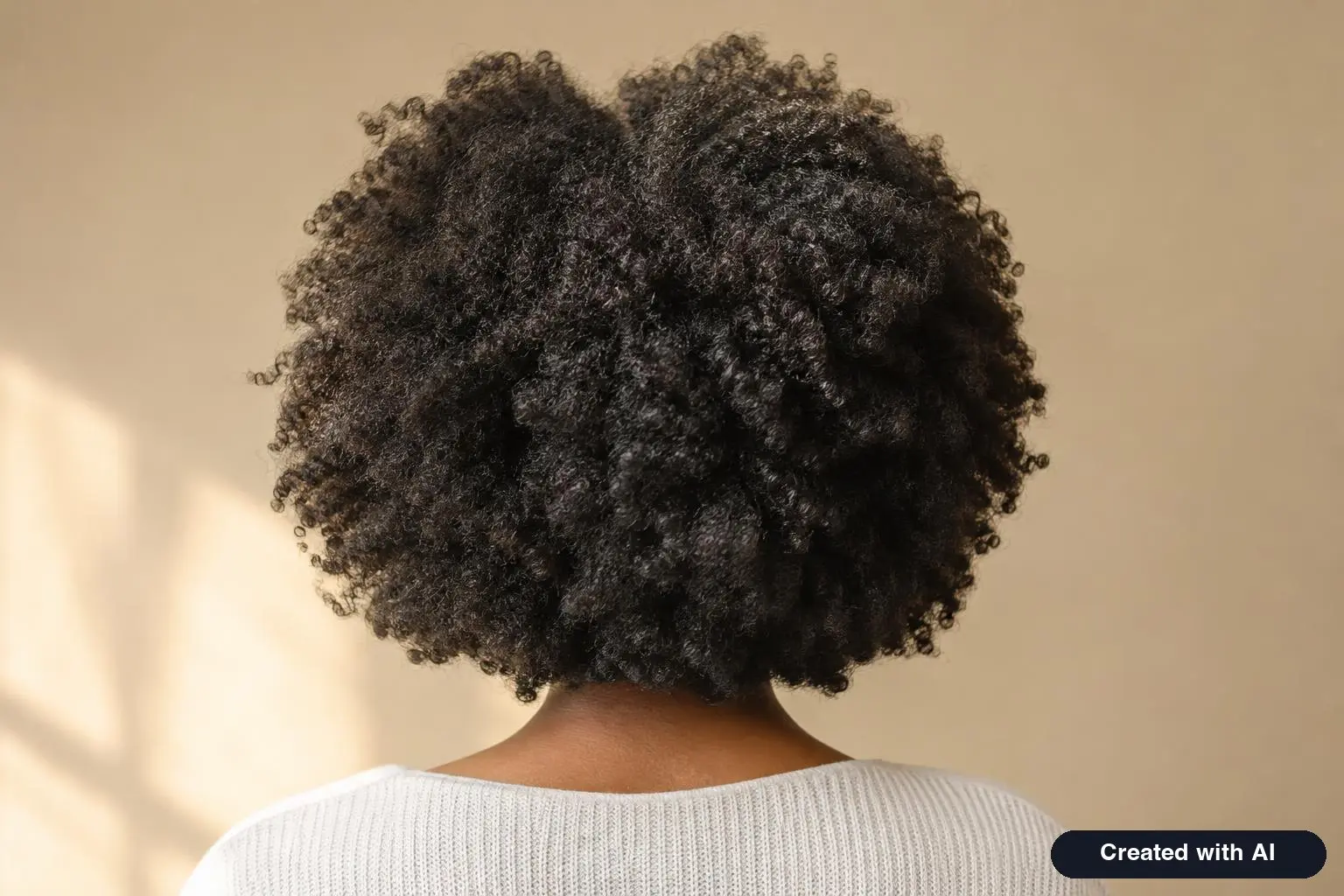
Type 4 hair is coily hair: strands form tight coils or sharp zigzags. 4A has tight, defined coils about the width of a crochet needle; 4B bends in sharp, Z-shaped angles with less visible definition; 4C has the tightest zigzag pattern, little visible curl definition and the most shrinkage, often looking far shorter than its true length.
Coily hair is the most fragile hair type. Every bend in the strand is a point where it can break, and scalp oil barely travels down it, so it tends to be dry. Healthy Type 4 hair care is built on moisture, gentle handling, low manipulation and protective styles. This guide explains 4A, 4B and 4C, the LOC and LCO methods, wash-day steps, protective styling, and how to retain length.
4A vs 4B vs 4C
| 4A | 4B | 4C | |
|---|---|---|---|
| Pattern | Tight, springy, defined coils | Z-shaped bends, less defined | Tight zigzag, little visible definition |
| Shrinkage | High | Very high | Highest, often 70% or more of length by common accounts |
| Feel | Soft to wiry | Wiry to fluffy | Can be very soft or very wiry; often dense |
| Definition | Holds definition with cream or gel | Needs twists, braids or shingling | Defined mainly through styling |
| Breakage risk | High | Higher | Highest |
The shrinkage figure is a commonly cited estimate, not a measured standard; to see your true length, stretch a coil gently to its full length when wet.
Moisture: the LOC and LCO methods
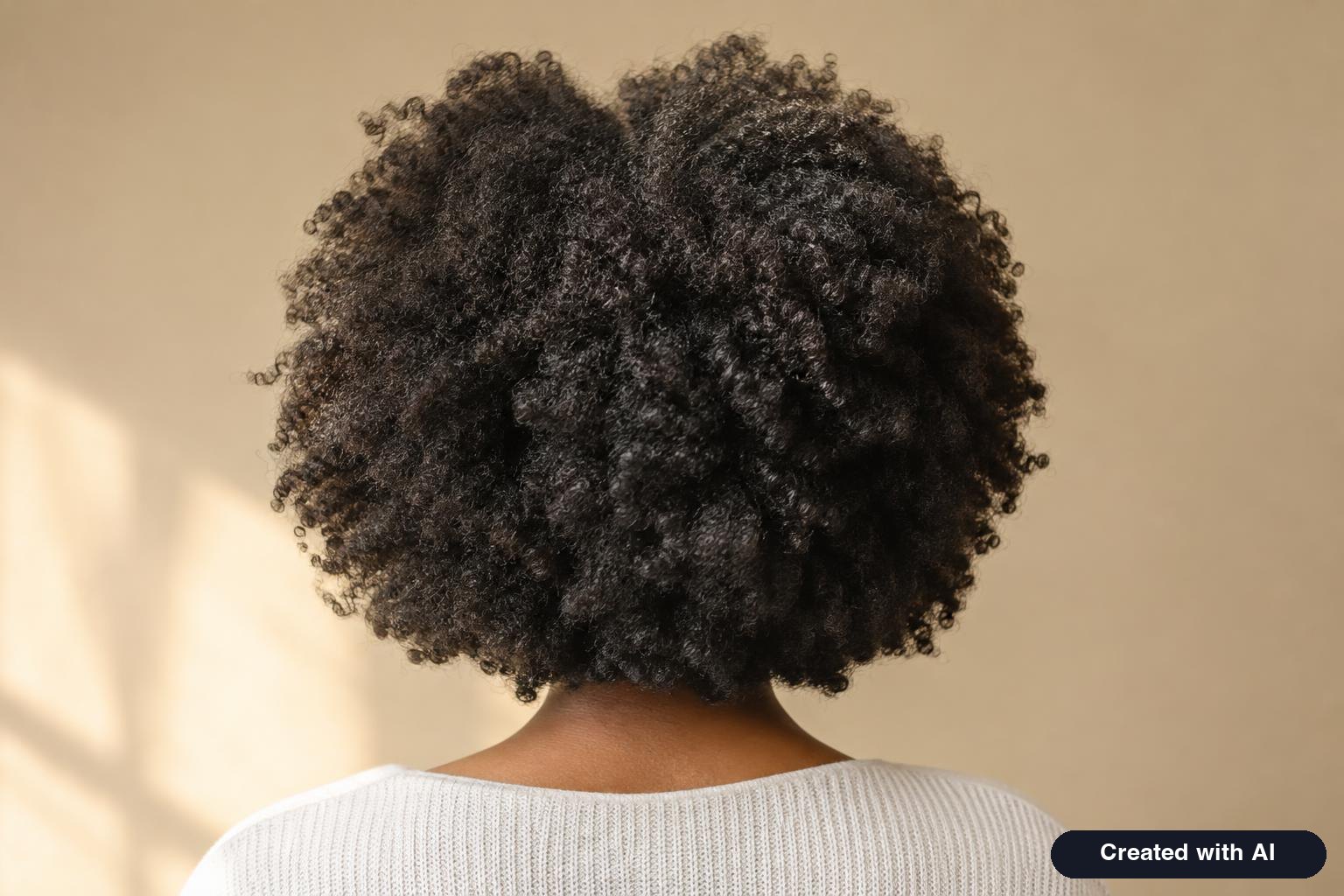
Most Type 4 routines layer three products on damp hair to add water and slow its loss:
- LOC: Liquid or leave-in conditioner, then Oil, then Cream.
- LCO: Liquid or leave-in, then Cream, then Oil.
Neither is "correct." Many people with low-porosity hair prefer LCO with a light oil, because heavy oil first can block the cream; many with high-porosity hair prefer LOC to seal the leave-in. Try both for a few weeks each and keep the one that leaves hair softer for longer. More on porosity: hair porosity.
A Type 4 wash day
- Pre-poo (optional): coat the lengths with conditioner or oil before shampooing to reduce stripping and tangling.
- Work in sections: four to eight twisted or clipped sections keep hair manageable and reduce tangles.
- Cleanse the scalp: a gentle, moisturizing shampoo on the scalp. Many people shampoo weekly or every two weeks; the American Academy of Dermatology says dry, curly or thick hair can be shampooed as needed, at least once every two to three weeks.
- Condition and detangle: use a conditioner with good slip and detangle each section with fingers or a wide-tooth comb from the ends up, as the AAD recommends combing thick, curly hair in the shower before rinsing conditioner.
- Deep condition: weekly or every other week, with gentle heat (a warm towel or thermal cap) if your hair is low porosity.
- Moisturize and seal: LOC or LCO on damp hair.
- Style: twists, braids, a twist-out, wash-and-go with gel, or a protective style.
- Dry gently: air-dry in twists or braids, or use low heat; blot with a T-shirt rather than rubbing.
Protective and low-manipulation styles
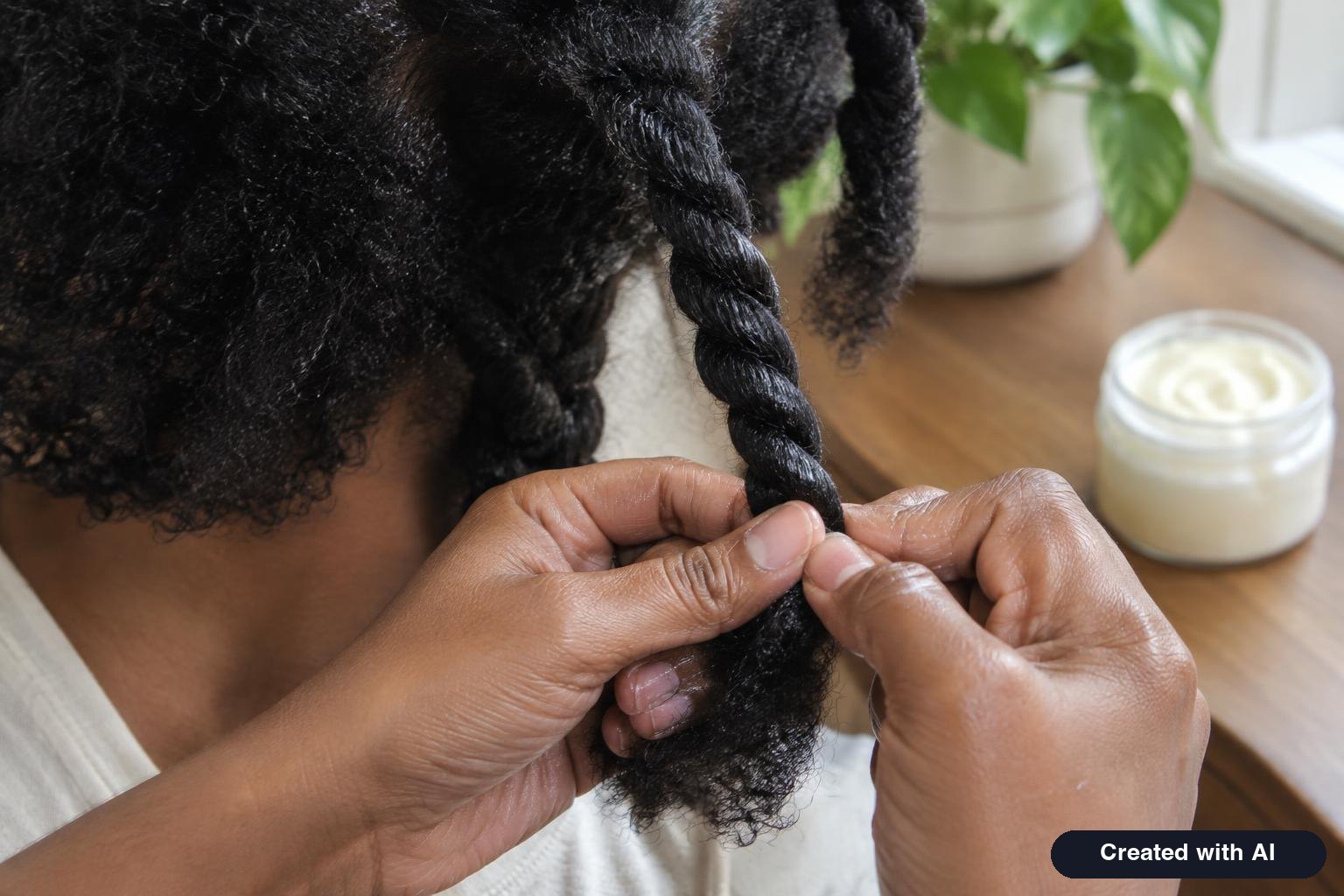
The less often coily hair is combed, brushed and restyled, the less it breaks. Protective styles tuck the ends away for days or weeks.
| Style | How long it lasts | Watch out for |
|---|---|---|
| Two-strand twists | About 1–2 weeks | Frizz at the roots; re-twist the front |
| Braids (box braids, cornrows) | Several weeks | Too much tension at the hairline; heavy extensions |
| Bantu knots | A few days | Tight knots pulling at the scalp |
| Wigs and wig units | Varies | Moisturize and cleanse your own hair underneath |
| Puffs and buns | A day or two | Tight elastics; use soft scrunchies |
| Twist-outs and braid-outs | Several days | Separate gently with oiled fingers |
Tension is the main risk: styles pulled tight at the hairline, worn for long periods or with heavy extensions, can cause hair loss around the edges over time. Choose looser installs, give your scalp breaks between styles, and see a dermatologist if your hairline thins.
Retaining length with Type 4 hair
- Moisturize regularly: dry hair breaks; refresh every few days with water or a leave-in and seal.
- Detangle only when wet and conditioned, in sections, starting from the ends.
- Protect at night: a satin or silk bonnet, scarf or pillowcase reduces friction and moisture loss.
- Stretch without heat: twists, braids, banding or African threading stretch coils so they tangle less.
- Trim split ends when you see them; small trims prevent breakage from traveling up.
- Limit heat and chemical straighteners; they weaken coily hair the most.
4C hair myths
- "4C hair doesn't grow." It grows from the scalp like every other type; shrinkage and breakage make length hard to see and keep.
- "4C hair is unprofessional or unmanageable." Several U.S. states have passed CROWN Act laws banning discrimination based on natural hair texture and protective styles.
- "You need to grease the scalp daily." Heavy greases can build up; most scalps need cleansing more than extra oil.
- "Water dries out natural hair." Water is moisture; the issue is losing it, which is why sealing matters.
Routines by subtype
4A: defined coils
4A coils hold definition better than 4B and 4C. A leave-in, a curl cream and a gel on soaking-wet hair, applied in small sections, can create a defined wash-and-go. Seal the ends with a little oil. Many people with 4A hair wear wash-and-gos for several days, refreshing with water and cream.
4B: shape through styling
4B hair has sharp Z-bends and less natural clumping, so definition usually comes from twists, braids or shingling (smoothing product through small sections). Twist-outs and braid-outs are popular because they stretch the hair and give a uniform pattern. Moisture and a cream or butter to seal are essential.
4C: moisture and low manipulation
4C hair has the tightest pattern and the most shrinkage. The core routine is moisture (LOC or LCO), gentle detangling in sections, and styles that are left in for several days or weeks, such as twists, braids, cornrows or wigs worn over well-moisturized hair. Stretching methods such as banding or threading reduce tangles without heat. Expect wash day to take longer, and plan it.
A sample week for coily hair
| Day | What to do |
|---|---|
| Wash day | Pre-poo, gentle shampoo on the scalp, conditioner and sectioned detangling, deep condition, LOC or LCO, install twists or another style |
| Days 2–4 | Sleep in a satin or silk bonnet; moisturize ends with water or leave-in and seal with oil or cream as needed |
| Days 5–7 | Take down twists for a twist-out, or keep them in; re-twist the front if fuzzy |
| Every 1–2 weeks | Wash day again |
| Every 4–8 weeks | Longer protective style if desired, with a break for the scalp afterward |
Hair tools for Type 4 hair
- Wide-tooth comb or detangling brush used only on wet, conditioned hair.
- Spray bottle to keep sections damp while styling.
- Satin or silk bonnet, scarf or pillowcase for nights.
- Thermal cap or warm towel for deep conditioning, especially for low porosity.
- Soft scrunchies and claw clips instead of tight elastics.
- Hair shears used only for hair for trimming split ends.
Type 4 hair mistakes to avoid
- Detangling dry hair or the whole head at once instead of in sections.
- Using heavy grease on the scalp instead of cleansing it.
- Leaving protective styles in so long that the new growth mats or the scalp becomes itchy and inflamed.
- Installing braids or extensions with tension that pulls at the edges.
- Frequent high heat and chemical straightening.
- Comparing your hair to someone else's 4C; density, strand thickness and porosity make every head different.
Kids with coily hair
Children's coily hair needs the same basics in a shorter session: conditioner with lots of slip, detangling in small sections while wet, a leave-in and a light oil, and simple styles that are not tight. Keep braids and ponytails loose, avoid heavy extensions for young children, and use a satin pillowcase or bonnet at night. Make wash day shorter by detangling the day before with conditioner.
Seasonal care for coily hair
Humid summer days
Humidity lets water from the air into the hair shaft, which swells it unevenly and causes frizz. A stronger-hold gel applied to soaking-wet hair, and less handling during the day, keep the pattern intact. Rinse out chlorine and salt water after swimming and condition, since both leave hair drier. A hat or scarf in strong sun protects color and the cuticle.
Dry winter air
Indoor heating and cold, dry air pull moisture out of hair. Many people switch to a richer leave-in or add a cream layer in winter, deep condition more often and wash a little less. Hats rub against hair and cause frizz and breakage, so a satin-lined hat or a silk scarf underneath helps. Avoid going outside with wet hair in freezing weather, which can make strands brittle.
Heat styling coily hair safely
Air-drying is gentlest, but if you blow-dry, diffuse or straighten, follow the American Academy of Dermatology's advice for all hair: use hot tools less often, on low or medium heat, with a heat protectant. Let hair dry partly before using heat, keep a flat iron moving rather than clamping one section repeatedly, and give hair heat-free days in between. If a section stops returning to its natural pattern after washing, that is heat damage; trimming it off is the only real fix.
A starter kit: what to buy first
You do not need ten products to start. A gentle shampoo, a conditioner suited to your type, one styler (mousse or gel for waves, a leave-in plus gel for curls and coils), a wide-tooth comb and a microfiber towel or cotton T-shirt cover most routines. Add a clarifying shampoo, a deep conditioner and a satin pillowcase or bonnet once you know what your hair likes. Buy travel sizes or samples where you can, and change one product at a time so you can see what actually makes a difference.
Questions to ask a stylist about coily hair
- Do you cut coily hair regularly, and can I see photos of your work on hair like mine?
- Do you cut it dry, wet or both, and why for my hair?
- How much length will I lose once it dries and shrinks?
- What shape will it grow into over the next three months?
- Which products are you using today, and how much should I use at home?
- How often should I come back for a trim to keep the shape and avoid split ends?
A good consultation takes a few minutes before any cutting starts. If a stylist wants to blow-dry and flat-iron your hair straight to cut it without discussing the result on your natural texture, it is fine to ask for another approach.
How long until you see results
Changing to a routine built for coily hair rarely shows its full effect on the first wash. Hair that has been brushed, heat-styled or coated with heavy products for years often needs several weeks to show its natural pattern consistently. Keep a simple log of what you used and how your hair looked on days one to three after each wash; after three or four wash days, patterns usually become obvious. Damaged ends will not change, but as new growth comes in and you trim, the difference between old and new hair becomes clear.
If nothing improves after a couple of months of consistent care, or your hair is thinning, shedding heavily or breaking much more than before, the cause may not be your routine; see a dermatologist.
When hair changes are a medical issue
Changes in texture are common, but some signs point to a scalp or health problem rather than a hair-type problem: sudden heavy shedding, round bald patches, a widening part, hair breaking at the same length all over, or a scalp that is itchy, scaly, painful or inflamed. Thyroid problems, iron deficiency, hormonal changes, tight hairstyles and some medications can all affect hair. A board-certified dermatologist can examine the scalp and order tests if needed; for low iron, see our guide to iron supplements for low ferritin.
Back to the overview: hair types chart. Other types: Type 2 wavy, Type 3 curly, hair porosity.
Frequently asked questions
What is 4C hair?
4C is the tightest coily hair type, with a zigzag pattern, little visible curl definition and the most shrinkage. It needs moisture, gentle handling and low-manipulation styles.
What is the difference between 4A, 4B and 4C hair?
4A forms tight, defined coils; 4B bends in sharp Z-shaped angles with less definition; 4C has the tightest zigzag pattern and the most shrinkage.
How do I keep 4C hair moisturized?
Layer a water-based leave-in, a cream and an oil (LOC or LCO) on damp hair, refresh every few days, deep condition regularly and protect hair at night with satin or silk.
How often should I wash 4C hair?
Many people wash weekly or every two weeks. The AAD says dry, curly or thick hair can be shampooed as needed, at least once every two to three weeks.
What is the LOC method?
Applying a Liquid or leave-in, then an Oil, then a Cream to damp hair to add and seal moisture. LCO switches the last two steps.
Why does 4C hair shrink so much?
Its tight zigzag pattern pulls the strand up on itself as it dries. Stretching methods such as twists, braids and banding show more length without heat.
Are protective styles good for natural hair?
They reduce daily handling and protect the ends, but tight installs can cause hair loss at the hairline. Keep tension low and give your scalp breaks.
Can 4C hair grow long?
Yes. Coily hair grows like any other type; the challenge is retaining length by preventing breakage.
Log in to comment
No comments yet. Be the first.