GLP-1 Patches Side Effects: Skin Reactions and Safety Risks
- In a 2026 review of buyer comments, 32 of 123 reported problems were skin reactions, including rashes, blisters and burns.
- 72% of the 25 products reviewed gave no health precautions; none had independent lab certification.
- NIH says berberine may be unsafe in pregnancy and breastfeeding and interacts with cyclosporine.
- What users report
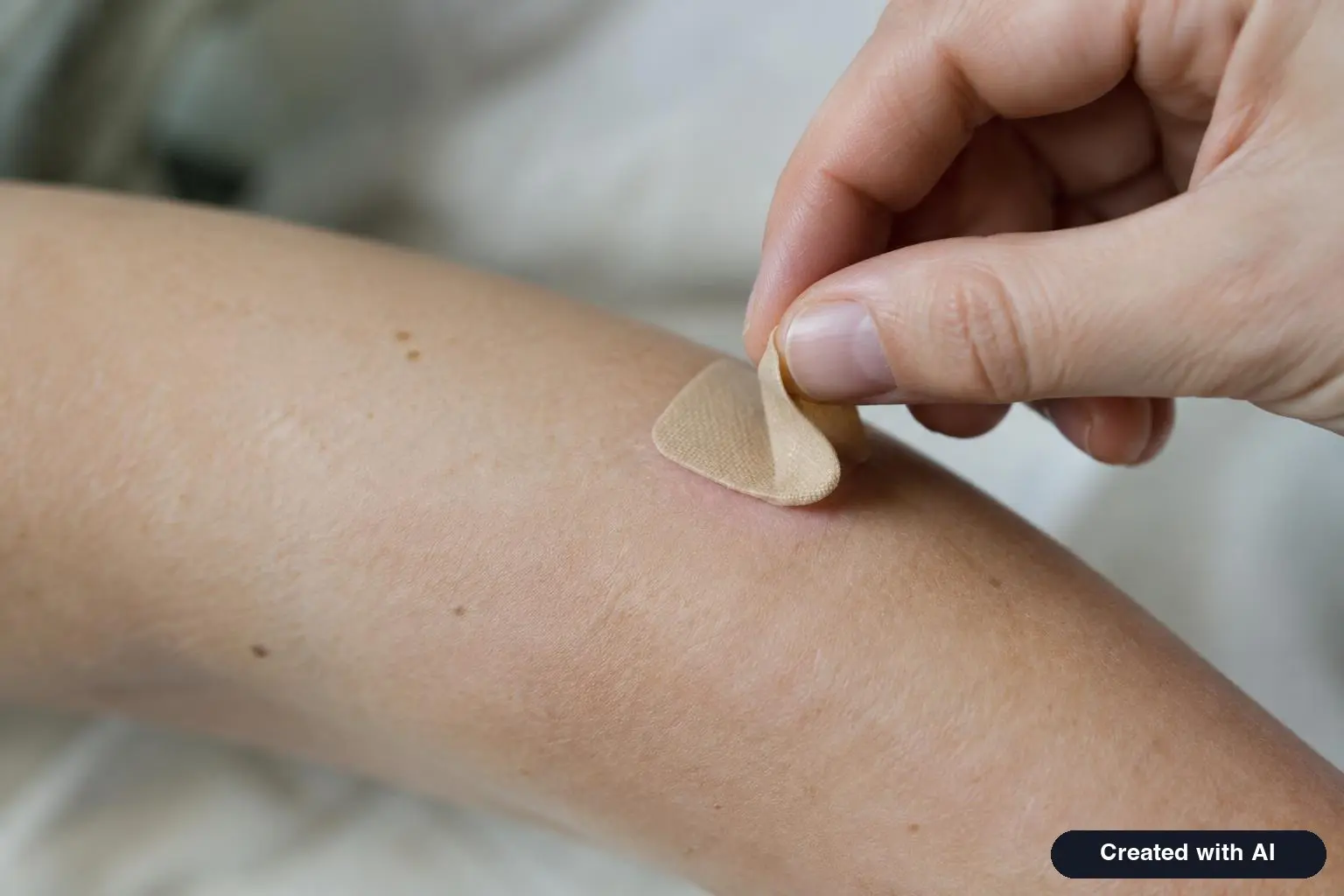
- Skin reactions: the most likely problem
- Risks from the ingredients
- The bigger unknown: what is actually in the patch
- "Microneedle" and "nano" patches
- Who should not use GLP-1 patches
- Are GLP-1 patches safe?
- How this differs from real GLP-1 side effects
- Berberine patch side effects
- How to report a reaction
- When to get medical help
The side effects most often reported with GLP-1 patches are skin reactions where the patch sits: redness, itching, rash and, less often, blisters or burns. Buyers also describe headaches, nausea, diarrhea and feeling jittery or unable to sleep. Because these patches have never been tested in a clinical trial and are not reviewed by the FDA before sale, nobody can say how common those problems are, what else might occur or whether the products are safe with long-term use.
That uncertainty is the main safety issue. The patches do not contain semaglutide, tirzepatide or any other GLP-1 drug, so they do not share the well-documented side effects of Ozempic or Wegovy. They carry a different set of risks: an unverified ingredient list, adhesives on skin for 8 to 12 hours a day, and herbal compounds that can interact with medication if they are absorbed. Here is what is known, who should avoid them and when a reaction needs medical attention.
What users report
The only published tally comes from pharmacists at the University of Connecticut, who read customer reviews for 25 "GLP-1" skin products in 2025. Nine products had health or product problems described by buyers, 123 reports in total. Setting aside the 47 people who said the patch did nothing and the 16 complaints about patches falling off or smelling bad, the health-related reports looked like this:
| Type of reaction | Reports | Details |
|---|---|---|
| Skin | 32 | Rash 10, skin damage when removing the patch 8, irritation 7, "chemical burn" 6, blister 1 |
| Neurological | 17 | Headache 8, tingling limbs 2, anxious or nervous 2, and single reports of shakiness, weakness, insomnia, sleepiness and excessive thirst |
| Stomach and gut | 8 | Nausea 6, diarrhea 2 |
| General | 3 | Feeling "strange," "sick" or "weird" |
These are unverified self-reports, and a review cannot prove the patch caused the symptom. They also undercount: most people who have a mild reaction never write a review. The authors, publishing in the Annals of Pharmacotherapy in 2026, noted that 18 of the 25 products, or 72%, gave buyers no health precautions of any kind.
Skin reactions: the most likely problem
Any adhesive worn daily can irritate skin, and these patches add a mix of plant extracts under a sealed backing. Two kinds of reaction are possible.
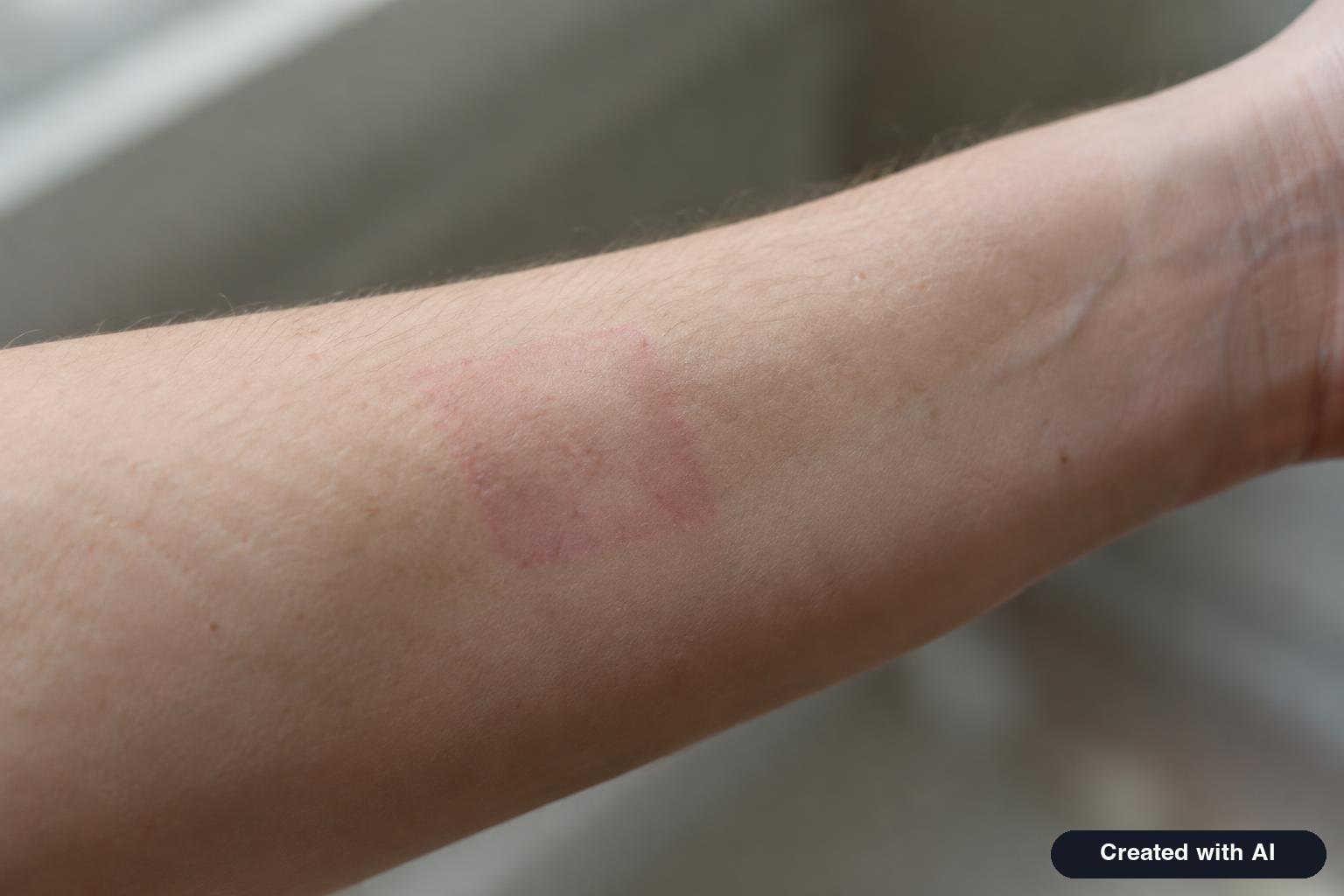
- Irritant contact dermatitis. Redness, stinging or dryness in the exact shape of the patch, often within hours. It comes from the adhesive, trapped sweat or the ingredients themselves and usually settles within a few days once the patch is off.
- Allergic contact dermatitis. An itchy, bumpy or blistering rash that can appear a day or two after exposure and may spread beyond the patch outline. It is an immune reaction to a specific substance. Once you are sensitized, it tends to come back faster each time.
"You could also develop an allergic reaction from the patch itself, a condition known as contact dermatitis," Cleveland Clinic endocrinologist Keren Zhou, MD, said in the clinic's review of GLP-1 patches. The Connecticut researchers could not tell which component was responsible in the reviews they read: "latex or an adhesive, dietary ingredient, or adulterant."
Several buyers described skin tearing when they pulled a patch off. One brand, Kind Patches, tells customers to avoid stretching the skin before applying, saying this "prevents tension blisters."
What to do if your skin reacts
- Remove the patch slowly, in the direction of hair growth. Wetting the edges with warm water or a little oil helps loosen the adhesive.
- Wash the area gently with mild soap and lukewarm water and pat dry.
- Leave the skin uncovered. A cool compress and a plain, fragrance-free moisturizer can ease itching.
- Do not apply another patch, on that spot or anywhere else, until the skin has fully healed. If the rash was itchy, bumpy or blistered, do not use the product again.
- Take a photo and keep the packaging in case you need to show a clinician or file a report.
See a doctor or an urgent care clinic if the rash blisters, oozes, spreads beyond the patch area, lasts more than a week, or shows signs of infection such as increasing pain, warmth, swelling, pus or fever.
Risks from the ingredients
Whether these ingredients pass through skin in meaningful amounts is unknown. If they do not, the patch cannot work as advertised. If they do, their known oral side effects and interactions become relevant, without the dose controls a capsule label provides. The table uses information from the National Center for Complementary and Integrative Health and the NIH Office of Dietary Supplements, all based on products taken by mouth.
| Ingredient | Known concerns when taken orally |
|---|---|
| Berberine | Nausea, abdominal pain, bloating, constipation, diarrhea. Interacts with cyclosporine and possibly other medicines. Linked to a harmful buildup of bilirubin in infants; "likely to be unsafe for infants" and possibly unsafe in pregnancy and breastfeeding. |
| Garcinia cambogia | Headache, nausea, gut symptoms. Products containing it have been implicated in 10 reported cases of liver toxicity, including one death and two liver transplants, and in three cases of mania. |
| Green tea extract | Nausea, constipation, abdominal discomfort, raised blood pressure. NIH cites "increasing evidence" that extracts might cause liver damage. |
| Bitter orange (synephrine) | "Significant safety concerns": chest pain, anxiety, elevated heart rate, and reports of stroke and heart attack. |
| Caffeine, guarana | Nervousness, jitteriness, vomiting and rapid heartbeat at high intakes. |
| Chromium | Generally well tolerated; watery stools, headache, weakness, nausea, vertigo and hives reported in trials. |
Stimulant ingredients would explain some of what buyers describe: headaches, shakiness, anxiety and insomnia. The amounts printed on patch labels are small, typically a few milligrams. But a label on an untested product is a claim, not a measurement.
C. Michael White, the University of Connecticut pharmacy professor who led the review, raised a point that is easy to miss. Swallowed compounds pass through the liver before reaching the rest of the body, which breaks many of them down. Skin delivery skips that step. "It may be more dangerous to be taking the products in this way than it would be to be taking them orally," he told PBS News, adding that no one has established "what is a safe dose."
The bigger unknown: what is actually in the patch
None of the 25 products in the Connecticut review had U.S. Pharmacopeia or NSF certification, and none posted a certificate of analysis. Four listed no ingredients at all. That matters because weight loss products are among the categories most often found to contain hidden drugs.
The FDA keeps a running public list of tainted weight loss products, many of them laced with sibutramine, a prescription appetite suppressant that, in the FDA's words, "was removed from the market in October 2010 for safety reasons" and is known to substantially raise blood pressure or heart rate in some people, or with laxative drugs. The NIH Office of Dietary Supplements likewise warns that weight loss products "are sometimes adulterated or tainted with prescription-drug ingredients; controlled substances; or untested/unstudied, pharmaceutically active ingredients that could be harmful."
"Some of these unlabeled ingredients may cause serious adverse effects," Zhou said of GLP-1 patches. We are not aware of any FDA laboratory finding of a hidden drug in a GLP-1 patch as of October 14, 2026. The absence of testing is the problem: without it, neither a clean result nor a contaminated one can be known.
Imports add another layer. In June 2026 the FDA placed "GLP-1 Transdermal Patches" from a manufacturer in Hebei, China, on Import Alert 66-41, which allows shipments to be detained at the border as unapproved new drugs.
"Microneedle" and "nano" patches
Some listings advertise "nano microneedle" technology, meaning tiny projections intended to pierce the outer skin layer. Legitimate microneedle drug patches are being tested in clinical trials under sterile manufacturing standards. A consumer product making the same claim has had no such review.
The FDA's guidance on microneedling devices is clear about limits. The devices it has authorized are for improving the appearance of facial acne scars, wrinkles and abdominal scars in adults 22 and older, and the agency states they are not approved for delivering cosmetics, topical medications, vitamin solutions, drugs or blood products into the skin. Listed risks of microneedling include redness, bleeding, bruising, pigment changes and infection. Anything that breaks the skin barrier and then holds an untested herbal mix against it for hours deserves more caution than a flat sticker, not less.
Who should not use GLP-1 patches
- Anyone pregnant, trying to conceive or breastfeeding. NIH says berberine may be unsafe in pregnancy and breastfeeding because of possible effects on the fetus or infant.
- Children and teenagers. Only 4 of the 25 products reviewed warned against use under 18. None has been studied in minors.
- People taking diabetes medication. Oral berberine lowers fasting blood sugar in trials. If any is absorbed, it could add to the effect of insulin or sulfonylureas and raise the risk of low blood sugar.
- People on cyclosporine or other drugs with narrow dosing ranges. Berberine raises cyclosporine levels. Check with a pharmacist if you take transplant medicine, blood thinners, seizure medication or heart rhythm drugs.
- People with liver disease. Garcinia and green tea extract have both been tied to liver injury.
- People with heart disease, high blood pressure or anxiety disorders, if the label includes bitter orange, guarana, caffeine or yerba mate.
- Anyone with eczema, psoriasis, very sensitive skin, or a known adhesive or latex allergy.
- Anyone with a history of an eating disorder. Products marketed around appetite suppression can reinforce harmful patterns.
If you are scheduled for surgery or are starting a new prescription, tell your care team about any patch or supplement you use.

Are GLP-1 patches safe?
Nobody has shown that they are, and the companies selling them have not been required to. A fair summary for a healthy adult is this: a patch worn on intact skin for a short time is unlikely to cause serious harm, the most probable outcome is no effect, and the most probable side effect is an irritated patch of skin. The risk rises with daily long-term use, with products from unknown overseas sellers, with patches claiming to pierce the skin, and for the groups listed above.
A claim of "no side effects," which appears on at least one major brand's product page, is not something any untested product can support.
How this differs from real GLP-1 side effects
Many people searching for GLP-1 patch side effects are really asking about the medication class, including its long-term effects. Those are a separate, well-studied subject, and none of it applies to herbal patches because the patches contain no GLP-1 drug.
| "GLP-1" patch sold online | Prescription GLP-1 (example: Wegovy injection) | |
|---|---|---|
| Contains a GLP-1 drug | No | Yes, semaglutide |
| Side effects studied in trials | No | Yes, in thousands of participants |
| Most common effects | Skin irritation (from reviews) | Nausea 44%, diarrhea 30%, vomiting 24%, constipation 24%, abdominal pain 20%, headache 14%, fatigue 11% |
| Serious warnings | Unknown | Boxed warning for thyroid C-cell tumors seen in rodents; label warnings include pancreatitis, gallbladder problems, low blood sugar with certain diabetes drugs, and kidney injury from dehydration |
| Who monitors | No one | Prescriber and pharmacist; ongoing FDA safety surveillance |
GLP-1 pills carry similar warnings to the injections. The most common side effects listed for Foundayo, the daily pill approved in April 2026, are nausea, constipation, diarrhea, vomiting, indigestion and stomach pain, and it carries the same boxed warning about thyroid tumors. Questions about long-term use, cancer risk or what happens after stopping a GLP-1 drug are ones to raise with a prescriber; our guide Ozempic vs. Mounjaro covers how the two main drug families compare.
The side effect profile of a real drug can look alarming next to a product that lists none. The difference is that the drug's risks have been measured and the patch's have not.
Berberine patch side effects
Patches sold simply as berberine patches, with or without moringa or NAD, share the same safety picture: skin reactions are the most reported problem, and oral berberine's known effects, gut upset, drug interactions and risk in pregnancy and infancy, are the ones to keep in mind if absorption occurs. See our berberine patch guide for the evidence on the ingredient itself.
How to report a reaction
Reports are how regulators learn a product is causing harm. The Connecticut authors urged pharmacists to steer patients toward the FDA rather than a seller's comment box: "If the FDA does not get an indication that these products are causing health issues, they are less likely to act."
- FDA MedWatch: file online through the FDA's MedWatch page, or download the consumer form and fax it to 1-800-FDA-0178. Include the product name, seller, lot number if any, and photos.
- The seller and the marketplace: report the reaction and request a refund in writing.
- The FTC: report false "no side effects" or "FDA approved" claims at ReportFraud.ftc.gov.
When to get medical help
- Call 911 now for trouble breathing, wheezing, swelling of the lips, tongue, face or throat, widespread hives, chest pain, a pounding or irregular heartbeat, fainting, or seizures.
- Get same-day care for a blistering or rapidly spreading rash, skin that looks burned, signs of infection, repeated vomiting, severe abdominal pain, yellowing of the skin or eyes, dark urine, or shakiness, sweating and confusion if you take diabetes medication.
- Call Poison Control at 1-800-222-1222 if a child or pet has chewed or swallowed a patch, or if you are unsure whether symptoms are related.
- Call your doctor for a rash that has not cleared in a week, headaches or sleep problems that began with the patch, or any new symptom if you are pregnant.
For the full picture of what these products are and what they cost next to real medication, see the main GLP-1 patch guide. For the evidence on effectiveness, see Do GLP-1 patches work? This article is general information and does not replace advice from a licensed health professional.
Frequently asked questions
What are the side effects of GLP-1 patches?
The most reported are skin reactions under the patch: redness, itching, rash, blisters and skin damage on removal. Buyers have also described headaches, nausea, diarrhea, jitteriness and trouble sleeping. None of this has been measured in a clinical trial.
Are GLP-1 patches safe?
Their safety has not been established. They are not FDA-reviewed, labels are unverified, and long-term effects are unknown. Short-term use on healthy skin is unlikely to cause serious harm for most adults, but some groups should avoid them.
Who should not use GLP-1 patches?
People who are pregnant or breastfeeding, anyone under 18, and people taking diabetes medication, cyclosporine, blood thinners or other prescription drugs should not use them without medical advice. So should people with liver or heart disease or adhesive allergies.
Do GLP-1 patches have the same side effects as Ozempic or Wegovy?
No. The patches contain no semaglutide, so the nausea, vomiting and other effects listed on GLP-1 drug labels do not apply. The patches have their own risks, mainly skin reactions and unverified ingredients.
What should I do if a GLP-1 patch causes a rash?
Remove it, wash the area with mild soap and water, and leave the skin uncovered. Do not reapply. See a clinician if the rash blisters, spreads, oozes, lasts more than a week or shows signs of infection.
Can GLP-1 patches interact with medications?
Possibly, if ingredients are absorbed. Oral berberine interacts with cyclosporine and lowers blood sugar, which could matter for people on insulin or sulfonylureas. Ask a pharmacist to review the label against your prescriptions.
What are the long-term side effects of GLP-1 patches?
Unknown. No long-term study exists. This is different from prescription GLP-1 drugs, whose long-term safety continues to be tracked in trials and FDA surveillance.
How do I report a side effect from a GLP-1 patch?
File a report with the FDA's MedWatch program online or by faxing the consumer form to 1-800-FDA-0178. Include the product name, seller and photos. Call 911 for trouble breathing or facial swelling.
Sources
- Annals of Pharmacotherapy (2026) – Transdermal "Natural GLP-1" Dietary Supplements Violate Law and Place Patients at Risk
- Cleveland Clinic – Do GLP-1 Patches Actually Work?
- PBS News – In the gray world of GLP-1 supplements online, health experts urge caution
- NCCIH (NIH) – Berberine and Weight Loss: What You Need To Know
- NIH Office of Dietary Supplements – Dietary Supplements for Weight Loss (Health Professional Fact Sheet)
- Frontiers in Nutrition (2022) – Berberine and cardiovascular risk factors, dose-response meta-analysis
- FDA – Tainted Weight Loss Products
- FDA – Microneedling Devices
- FDA – Import Alert 66-41, Unapproved New Drugs Promoted in the U.S.
- DailyMed – Wegovy (semaglutide) prescribing information
- Eli Lilly – FDA approves Foundayo (orforglipron) (April 1, 2026)
- Kind Patches – Berberine Patches (GLP-1 Friendly) product page
- FDA – MedWatch Safety Information and Adverse Event Reporting Program
- FDA – Public Notification: Body Shape Weight Loss System contains hidden drug ingredients (sibutramine removed from the market in October 2010)
Log in to comment
No comments yet. Be the first.