Weight Loss Patch: Do Any Work and Is One FDA-Approved?
- The FTC lists weight loss from a product worn on the skin among seven claims that are always false.
- All FDA-approved weight management drugs are pills or injections; the only over-the-counter one is orlistat (Alli).
- Nicotine patches are approved only for quitting smoking, and estrogen patches do not cause weight loss.
- Types of weight loss patches at a glance
- Is there an FDA-approved weight loss patch?
- Do weight loss patches work?
- A long record of enforcement
- Belly, stomach and navel patches
- Nicotine patches and weight loss
- Estrogen patches and weight loss
- Lifestyle patches sold with wellness programs
- Microneedle patches for weight loss
- Weight loss patches at Costco, CVS, Walmart and Amazon
- Is there a best weight loss patch, including for women over 50?
- Reviews: how to read them
- Side effects
- What actually works for weight loss
- Seven claims that signal a false weight loss ad
- The bottom line
No weight loss patch is approved by the FDA, and none has been shown in a clinical trial to cause meaningful weight loss. That covers slimming patches, belly and navel patches, "GLP-1" and berberine patches, and lifestyle patches sold through social media. The Federal Trade Commission, which regulates advertising, lists the claim that a product worn on the skin causes substantial weight loss among seven claims that are always false, and tells consumers: "Nothing you can wear or apply to your skin will cause you to lose weight. Period."
The picture has a few real nuances. Some medicines delivered by patch, such as nicotine and estrogen, affect weight indirectly, and drug companies are testing microneedle patches that carry actual obesity medication. This guide sorts the categories, explains what is and is not known about each, and lists the treatments that do have FDA approval.
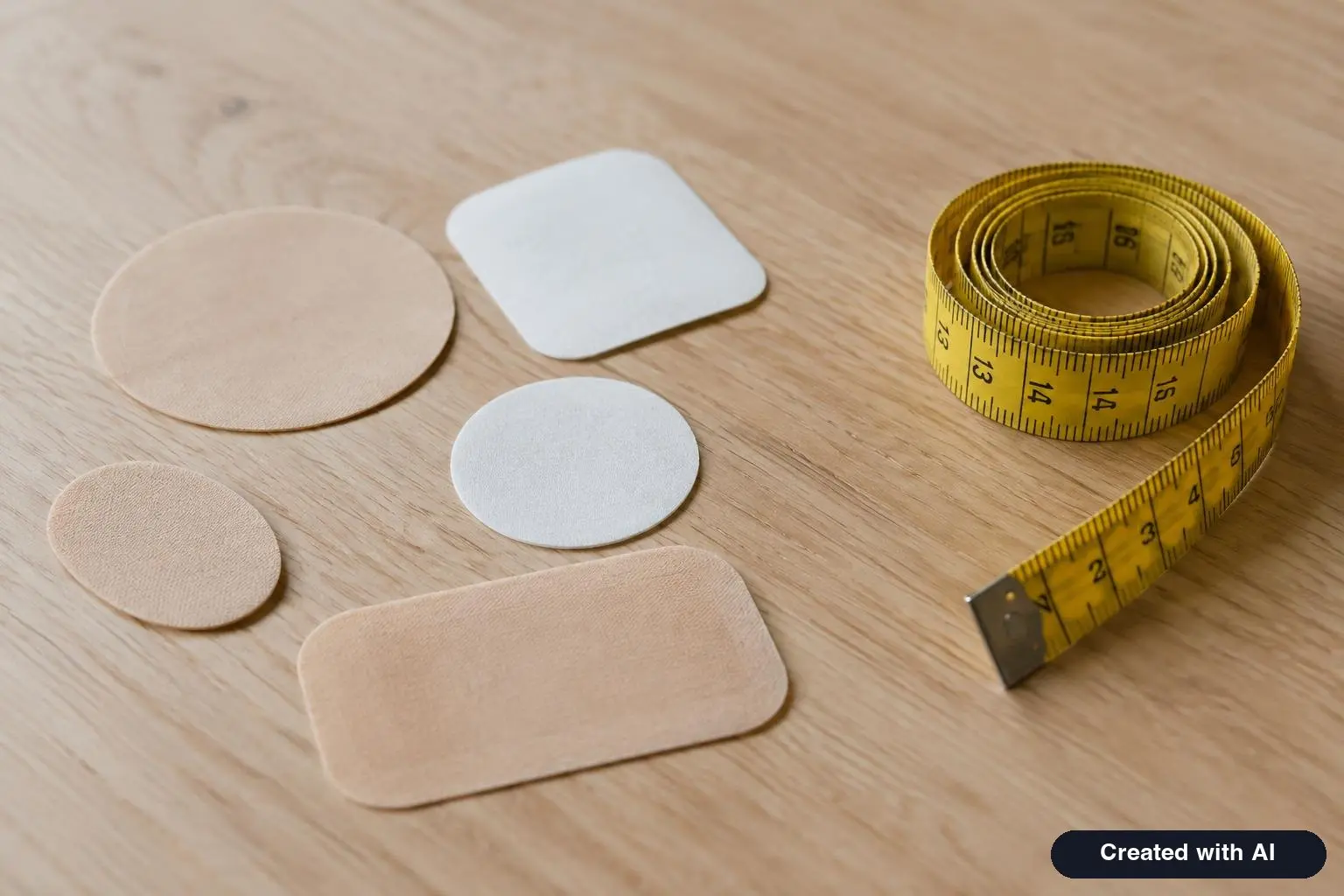
Types of weight loss patches at a glance
| Type | What it claims | What the evidence shows |
|---|---|---|
| Herbal slimming patches | Burn fat, speed metabolism, suppress appetite | No human trials of the patches; FTC classifies such claims as false |
| Belly, stomach and navel patches | Melt fat where the patch is placed | No evidence; fat cannot be removed from one spot by a topical product |
| "GLP-1" and berberine patches | Raise natural GLP-1, work like Ozempic | Contain no GLP-1 drug; no human studies |
| "Nano microneedle" consumer patches | Deliver ingredients deeper into skin | No published testing; FDA has not approved microneedling for delivering drugs or vitamins |
| Lifestyle patches sold with wellness programs | Support weight management, energy and appetite | No published clinical trials of such patches that we could find |
| Nicotine patches | Not sold for weight loss; some people use them off-label | Approved only for quitting smoking; may limit weight gain while quitting |
| Estrogen patches | Not sold for weight loss | Approved for menopause symptoms; do not cause weight loss |
| Prescription microneedle drug patches | Deliver semaglutide without an injection | In Phase 1 trials; not approved or available |
Is there an FDA-approved weight loss patch?
No. As of October 14, 2026, every FDA-approved weight management medicine is a pill or an injection. The National Institute of Diabetes and Digestive and Kidney Diseases (NIDDK) lists these prescription options: orlistat (Xenical), phentermine-topiramate (Qsymia), naltrexone-bupropion (Contrave), liraglutide (Saxenda), semaglutide (Wegovy), tirzepatide (Zepbound) and setmelanotide (Imcivree) for certain rare genetic conditions. Since that page was last reviewed, two GLP-1 tablets have been approved: the Wegovy pill in December 2025 and Foundayo (orforglipron) in April 2026.
The only FDA-approved weight loss medicine sold without a prescription is the lower-dose version of orlistat, Alli. It is a capsule.
A patch that says it is "FDA approved," "FDA registered" or "made in an FDA facility" is using language designed to sound like drug approval. The FDA does not approve dietary supplements before sale, and by its own definition a product applied to the skin is not a dietary supplement at all: supplements "must be swallowed – so, for example, topical or inhaled products are not supplements."
Do weight loss patches work?
There is no reliable evidence that they do. The FTC's guide for media outlets on screening diet ads, known as Gut Check, puts it this way: "Nothing you wear or apply to the skin can cause substantial weight loss. So weight loss claims for patches, creams, lotions, wraps, body belts, earrings, and the like are false."
The reasons are practical ones.
- Skin is a barrier. Only small, potent molecules pass through in useful amounts, which is why the list of real drug patches is short.
- The doses are tiny. Patches hold a few milligrams of plant extract. The oral studies of ingredients such as berberine, green tea extract and chromium used hundreds to thousands of milligrams and still found losses of about 1 to 4 pounds.
- Nobody has tested the patches. A University of Connecticut review of 25 "GLP-1" skin products, published in the Annals of Pharmacotherapy in 2026, found no clinical evidence that any promotes weight loss, no independent lab certification, and "no beneficial effects" as the most common customer comment.
- Weight loss requires an energy deficit. A product that does not reduce what you eat or absorb, or raise what you burn, cannot change body weight.
The NIH Office of Dietary Supplements reaches a similar conclusion about the oral versions of common patch ingredients. Chromium reduced weight by 0.5 to 1.1 kg in reviews, an effect described as of "debatable clinical relevance." For green tea extract, any effect "is small and not likely to be clinically relevant." For garcinia cambogia, the effect "on body weight remains uncertain."
A long record of enforcement
Weight loss patches are not new, and regulators have acted against them for two decades.
- 2007: The FTC announced that Transdermal Products International Marketing Corporation and its owner were "banned from selling weight-loss patches in the future" and would pay $180,000. The company had supplied retailers with ads claiming its sea kelp patch caused weight loss and that the ingredient was FDA-approved for that purpose. The agency's summary line for the case: "Products Worn or Rubbed on the Skin Do Not Cause Weight Loss."
- FDA import alerts: Import Alert 66-41, which lets the agency detain "unapproved new drugs promoted in the U.S." at the border, includes entries for products described as "OTC Transdermal Patches For Weight Control," "Slim Patch," "Magnetic Slim Patch" and "EZ Slimming Patch."
- June 23, 2026: The same alert added "GLP-1 Transdermal Patches" from Hebei Houde Hanfang Medical Devices Co. of China.
- 2025: The FTC charged telehealth company NextMed with using fake reviews and unsupported weight loss claims to sell GLP-1 programs; a final order was approved that December. The case involved prescription programs, not patches, but it shows the agency's current focus on the GLP-1 market.
Belly, stomach and navel patches
Patches shaped to sit on the abdomen or over the belly button are sold with the promise of targeting fat in that area. There is no physiological route for that. Fat cells release stored energy in response to hormones circulating through the whole body, not to herbs placed on the skin above them, and a topical product cannot choose where the body draws fat from.
Warming or tingling sensations, which some patches produce with ingredients such as capsaicin or menthol, are skin effects. A looser waistband after wearing a wrap or patch usually reflects temporary water loss or compression. If a belly patch causes burning or redness, remove it; abdominal skin is thin and prone to irritation under adhesives.
Nicotine patches and weight loss
Nicotine does suppress appetite and slightly raises the body's energy use, which is one reason people who quit smoking tend to gain weight. MedlinePlus, from the National Library of Medicine, says the average gain is 5 to 10 pounds in the months after quitting.
Nicotine patches are FDA-approved for one purpose: helping smokers quit. Research in that setting suggests replacing nicotine can hold off some of the weight gain while the patch is in use. A study of variable-dose patches published in the Journal of General Internal Medicine found that among people who stayed off cigarettes, those who got more complete nicotine replacement gained less during treatment, though full replacement did not eliminate the gain.
That is very different from a non-smoker using nicotine to lose weight. No nicotine product is approved for weight loss. Nicotine is addictive, raises heart rate and blood pressure, and is dangerous in pregnancy. Using a patch for appetite control means taking on a dependence risk for an effect that has never been shown to produce lasting weight loss in non-smokers. If you smoke and worry about gaining weight when you quit, raise it with your doctor; quitting is still one of the best things you can do for your health, and the weight can be managed.
Estrogen patches and weight loss
Estrogen patches are prescription hormone therapy for menopause symptoms such as hot flashes and night sweats. They are not weight loss treatments.
Many women gain weight around the abdomen during the menopause transition, and it is natural to wonder whether replacing estrogen reverses it. UChicago Medicine's menopause specialists summarize the research this way: hormone therapy "will not cause weight loss," though "there is some evidence that it can help redistribute fat from the midsection."
One newer finding has drawn attention. A Mayo Clinic study of 120 postmenopausal women taking tirzepatide found those also using menopausal hormone therapy lost about 35% more weight. The senior author cautioned that "because this was not a randomized trial, we cannot say hormone therapy caused additional weight loss." Whether hormone therapy is right for you depends on your symptoms, age and health history, a decision to make with a clinician and not on the basis of weight.
Lifestyle patches sold with wellness programs
Some multilevel-marketing wellness programs include a daily skin patch alongside capsules and shakes, promoted for weight management, energy and appetite. The ingredient lists typically overlap with the herbal patches above: plant extracts in small amounts. We found no published clinical trial of such a patch. People also search for the Thrive patch by name; we could not open the manufacturer's label or ingredients page when we checked on October 14, 2026, so we make no statement about that product's contents or claims. If you are looking at any patch of this kind, ask the seller for the full label with amounts. The same limits apply as for every product in this category: untested skin delivery, small doses and oral evidence that is weak to begin with.

Microneedle patches for weight loss
Two very different things share this name.
Consumer "nano microneedle" patches are sold on marketplaces with herbal ingredients. They have no published testing. The FDA says the microneedling devices it has authorized are for improving the look of facial acne scars, facial wrinkles and abdominal scars in adults 22 and older, and are not approved for delivering drugs or vitamin solutions into the skin. Australia's drug regulator tested one imported product labeled "GLP-1 Nano Microneedle Patch" in 2026 and reported "no GLP-1 or analogues identified."
Pharmaceutical microneedle patches are experimental prescription products that carry real semaglutide in tiny dissolving needles. Daewoong of South Korea and Terrestrial Bio in the United States both have Phase 1 trials under way, and Boston-based Anodyne Nanotech has raised funding to begin one. None has been approved, and none can legally be bought. Details are in our guide to the Ozempic patch.
Weight loss patches at Costco, CVS, Walmart and Amazon
Searches for weight loss patches at specific retailers are common. Online marketplaces carry dozens of listings from third-party sellers, and stock in physical stores varies by location and week. The retailer's name does not change what the product is. A patch sold through a major marketplace has not been vetted for effectiveness by that company, and a pharmacy chain selling a supplement-style product is not endorsing its claims. If a store pharmacist is available, ask what they think of it. Many will tell you plainly.
Is there a best weight loss patch, including for women over 50?
There is no evidence to rank them, for any age group or sex. "Best weight loss patch" lists online are generally affiliate pages that earn a commission on each sale.
Marketing aimed at women over 50 leans on a real frustration: weight is harder to manage after menopause, when muscle mass declines and fat shifts toward the abdomen. The interventions with support behind them for that stage of life are resistance training to preserve muscle, adequate protein, attention to sleep and alcohol, treatment of menopause symptoms where appropriate, and prescription obesity medication for those who qualify. A patch is not on that list.
Reviews: how to read them
Weight loss patch reviews skew positive for reasons unrelated to results. Sellers choose which reviews to show, social media posts are often paid by commission, and people who start a patch frequently change their eating at the same time. The FTC warns that sellers "use images showing dramatic weight loss, but these images are just stock or altered photographs." Read the lowest-rated reviews for information on skin reactions, billing and returns. Our page on GLP-1 patch reviews explains what a published count of customer ratings found.
Side effects
The most common problem is skin irritation or an allergic rash under the adhesive. Beyond that, the risk depends on what is really in the product. Weight loss products are among the categories most often found by the FDA to contain hidden prescription drugs, and patches with stimulant ingredients such as bitter orange or guarana may cause jitteriness, headaches or a racing heart if absorbed. People who are pregnant or breastfeeding, minors, and anyone on prescription medication should avoid them or check with a pharmacist first. See GLP-1 patch side effects for warning signs and when to seek care.
What actually works for weight loss
| Approach | Typical result | Notes |
|---|---|---|
| Lifestyle program (diet, activity, behavior support) | About 8 kg (roughly 18 pounds) on average, which works out to about 5% to 10% of starting weight, over six months of frequent in-person sessions, according to the 2013 AHA/ACC/TOS obesity guideline | Works best with structured support; regain is common without follow-up |
| Orlistat (Alli over the counter, Xenical by prescription) | In pooled trials on the Xenical label, 13.4 pounds on average after one year with prescription-strength orlistat plus diet, versus 5.8 pounds with placebo plus diet; a difference of about 3% of body weight | Capsule; blocks some fat absorption; digestive side effects |
| GLP-1 pills (Wegovy pill, Foundayo) | About 11% to 14% average in main trials | Daily tablet; prescription; self-pay from $149 a month as of October 2026 |
| Wegovy injection | About 15% average at 68 weeks | Weekly; prescription |
| Zepbound injection | Up to about 21% average at 72 weeks on the highest dose | Weekly; prescription |
| Bariatric surgery | Larger and more durable losses | For people who meet medical criteria |
Prescription weight management drugs are generally for adults with a body mass index of 30 or higher, or 27 or higher with a weight-related health problem, according to NIDDK. All have side effects and are not suitable for everyone. If you are deciding between the main injectable options, see Ozempic vs. Mounjaro.
Seven claims that signal a false weight loss ad
The FTC's Gut Check list is a quick filter for any product, patch or otherwise. Be skeptical of an ad that says the product:
- Causes weight loss of two pounds or more a week for a month or more without dieting or exercise.
- Causes substantial weight loss no matter what or how much you eat.
- Causes permanent weight loss even after you stop using it.
- Blocks the absorption of fat or calories to enable substantial weight loss.
- Safely enables you to lose more than three pounds a week for more than four weeks.
- Causes substantial weight loss for all users.
- Causes substantial weight loss by wearing a product on the body or rubbing it into the skin.
Report ads that make these claims at ReportFraud.ftc.gov, and report any health reaction to the FDA's MedWatch program.
The bottom line
A patch is an appealing idea: no pills, no needles, no effort. It is also the one delivery form regulators have singled out as never having worked for weight loss. The category now includes berberine and "GLP-1" versions, covered in our main GLP-1 patch guide and berberine patch guide, but the conclusion has not changed. If you want help losing weight, a primary care clinician, a registered dietitian or an obesity medicine specialist can offer options that have been tested. This article is general information and is not a substitute for medical advice.
Frequently asked questions
Do weight loss patches work?
No reliable evidence shows that any does. The FTC states that nothing you wear or apply to your skin will cause you to lose weight, and no patch has shown weight loss in a published clinical trial.
Is there an FDA-approved weight loss patch?
No. As of October 14, 2026, every FDA-approved weight management medication is a pill or an injection. The only over-the-counter option is orlistat, sold as Alli capsules.
What is the best weight loss patch?
There is no evidence to rank them. Lists of best patches are usually affiliate pages. Treatments with trial evidence include structured lifestyle programs and prescription medications such as Wegovy, Zepbound and the newer GLP-1 pills.
Does a nicotine patch help with weight loss?
Nicotine suppresses appetite, and nicotine replacement may limit weight gain while quitting smoking. Nicotine patches are approved only for smoking cessation, are addictive, and are not a safe or proven weight loss method for non-smokers.
Does an estrogen patch help with weight loss?
No. Menopausal hormone therapy does not cause weight loss, according to UChicago Medicine, though it may shift where fat is stored. It is prescribed for symptoms such as hot flashes, not weight.
Do belly or stomach patches burn fat?
No. A product placed on the abdomen cannot direct the body to burn fat there. Warming or tingling is a skin effect, and any quick change in waist size is usually temporary water loss.
Do microneedle patches for weight loss work?
Consumer nano microneedle patches have no published testing. Separately, drug companies are testing prescription microneedle patches that contain real semaglutide in Phase 1 trials; none is approved or for sale.
Are weight loss patches safe?
They are untested. Skin irritation is the most common problem, and weight loss products have a history of hidden drug ingredients. Avoid them if you are pregnant, breastfeeding, under 18 or on prescription medication unless a clinician agrees.
Sources
- FTC Consumer Advice – The Truth Behind Weight Loss Ads
- FTC – Gut Check: A Reference Guide for Media on Spotting False Weight Loss Claims
- FTC (2007) – Weight-Loss Patch Manufacturer Banned From Selling Weight-Loss Patches, Will Pay $180,000
- FTC (2025) – Final Order against Telehealth Provider NextMed
- FDA – Import Alert 66-41, Unapproved New Drugs Promoted in the U.S.
- FDA – Questions and Answers on Dietary Supplements
- NIDDK – Prescription Medications to Treat Overweight & Obesity
- NIH Office of Dietary Supplements – Dietary Supplements for Weight Loss (Health Professional Fact Sheet)
- Annals of Pharmacotherapy (2026) – Transdermal "Natural GLP-1" Dietary Supplements Violate Law and Place Patients at Risk
- FDA – Microneedling Devices
- Therapeutic Goods Administration (Australia) – Counterfeit weight loss products claiming to contain GLP-1
- MedlinePlus – Weight gain after quitting smoking
- Journal of General Internal Medicine (1998) – Weight change after smoking cessation using variable doses of transdermal nicotine
- UChicago Medicine – Menopause weight gain and hormone therapy
- Mayo Clinic News Network – Hormone therapy and tirzepatide after menopause
- Novo Nordisk – FDA approves Wegovy pill (December 22, 2025)
- Eli Lilly – FDA approves Foundayo (orforglipron) (April 1, 2026)
- DailyMed – Wegovy (semaglutide) prescribing information
- DailyMed – Zepbound (tirzepatide) prescribing information
- FDA – Tainted Weight Loss Products
- ClinicalTrials.gov – NCT07673900, VX-201 semaglutide microarray patch Phase 1 study
- Daewoong – semaglutide microneedle patch pilot study announcement (August 13, 2025)
- Circulation (2014) – 2013 AHA/ACC/TOS Guideline for the Management of Overweight and Obesity in Adults
- DailyMed – Xenical (orlistat) prescribing information
Log in to comment
No comments yet. Be the first.