Ozempic and Alcohol: Drinking, Diet, Coffee and Exercise
- The Ozempic label lists no direct alcohol interaction, but alcohol adds to nausea, dehydration, pancreatitis risk and low blood sugar with insulin or sulfonylureas.
- In a 2026 Lancet trial, semaglutide 2.4 mg cut heavy drinking days by 41.1 percentage points versus 26.4 with placebo; it is not approved for alcohol use disorder.
- A 2025 joint advisory recommends strength training at least three times a week and 150 minutes of moderate aerobic activity on GLP-1 therapy.

- Ozempic and alcohol: what the label and guidance say
- Alcohol and low blood sugar with insulin or a sulfonylurea
- Ozempic and alcohol at a glance
- Does Ozempic reduce the urge to drink?
- Ozempic and coffee
- What to eat on Ozempic
- Supplements while on Ozempic
- Exercise on Ozempic
- Fluids: how much to drink
- Fasting and intermittent fasting
- When to call your doctor
Alcohol is not forbidden with Ozempic, and the FDA label lists no direct interaction between semaglutide and alcohol. That does not make drinking risk-free. Alcohol can worsen the nausea, vomiting and reflux that semaglutide already causes; it adds to dehydration, which the label links to kidney injury; heavy drinking is a leading cause of pancreatitis, a known if uncommon semaglutide risk; and for people who also take insulin or a sulfonylurea, alcohol raises the risk of low blood sugar, sometimes hours later. A 2025 joint advisory from four U.S. obesity and nutrition societies recommends keeping alcohol to a minimum while on a GLP-1. Coffee is fine. Eating smaller meals with plenty of protein, drinking enough fluids and doing strength training several times a week are the habits with the most support.
Below: what is known about Ozempic and alcohol, coffee, food, protein, supplements, exercise and fasting, with the sources at the end.
Ozempic and alcohol: what the label and guidance say
The Ozempic prescribing information does not have an alcohol section and does not describe any interaction in which alcohol changes semaglutide's levels or effect. Silence on a label is not a recommendation, though. Three label warnings are directly relevant to drinking:
- Gastrointestinal reactions. Nausea, vomiting and diarrhea are the most common side effects, and the label now carries a warning about severe gastrointestinal reactions. Alcohol irritates the stomach and can make all of these worse.
- Acute kidney injury from dehydration. Most reported cases followed vomiting or diarrhea. Alcohol makes you urinate more.
- Acute pancreatitis. Seen with GLP-1 drugs, including fatal cases after approval. Heavy alcohol use is itself a common cause of pancreatitis.
The 2025 nutrition advisory from the American College of Lifestyle Medicine, the American Society for Nutrition, the Obesity Medicine Association and The Obesity Society lists "minimal alcohol intake" among its dietary recommendations for people on GLP-1 therapy.
Alcohol and low blood sugar with insulin or a sulfonylurea
Ozempic alone rarely causes low blood sugar: in its 30-week monotherapy trial, there was no severe hypoglycemia. Combined with insulin or a sulfonylurea (glipizide, glimepiride, glyburide), the risk rises; in the trials, severe episodes occurred in up to 1.5% of people on insulin and 1.2% on a sulfonylurea. Alcohol adds to that, because while the liver is clearing alcohol it releases less glucose into the blood. A low can arrive during the evening or the next morning.
If you take insulin or a sulfonylurea and drink:
- do not drink on an empty stomach;
- check your glucose before bed and the next morning;
- carry glucose tablets, and make sure someone with you knows the signs;
- remember that shakiness, sweating, confusion and slurred speech can be mistaken for drunkenness, by you and by others.
Ozempic and alcohol at a glance
| Situation | Why it matters | What to do |
|---|---|---|
| You also take insulin or a sulfonylurea | Higher risk of low blood sugar, possibly the next morning | Drink only with food, check glucose more often, ask your prescriber about dose adjustments |
| First weeks, or just after a dose increase | Nausea is most likely now, and alcohol makes it worse | Best to skip alcohol until you feel steady |
| History of pancreatitis or gallstones | Both alcohol and semaglutide are linked to pancreatitis | Ask your clinician whether to avoid alcohol entirely |
| Vomiting or diarrhea | Dehydration and kidney risk | No alcohol; drink water or an oral rehydration drink; call if it does not stop |
| An occasional glass of wine, no other diabetes drugs | No direct interaction described | Keep it small, have it with food, notice how you feel |
Severe, persistent abdominal pain that spreads to the back after drinking needs urgent medical care.
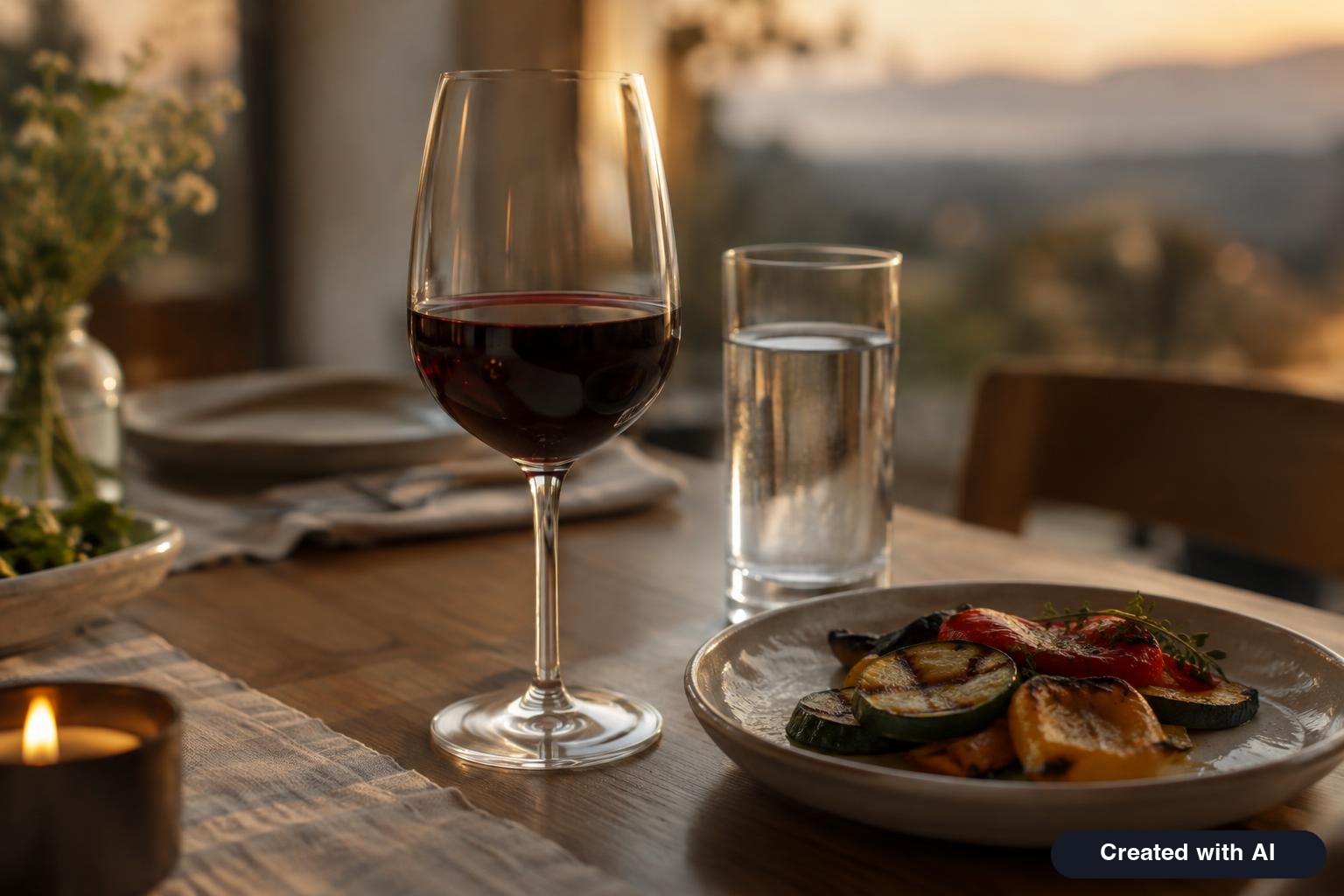
Does Ozempic reduce the urge to drink?
Many people on semaglutide say alcohol appeals to them less, and the 2025 advisory notes its authors have seen reduced cravings for alcohol in clinical practice. Randomized trials are starting to test this:
- JAMA Psychiatry, 2025. 48 adults with alcohol use disorder who were not seeking treatment received low-dose semaglutide (0.25 mg for four weeks, 0.5 mg for four weeks, 1 mg for one week) or placebo. Semaglutide reduced how much alcohol people drank in a lab session, drinks per drinking day and weekly craving. It did not change the number of drinking days or average drinks per calendar day.
- The Lancet, 2026. 108 treatment-seeking adults in Denmark with moderate to severe alcohol use disorder and obesity received semaglutide 2.4 mg weekly or placebo for 26 weeks, along with cognitive behavioral therapy. Heavy drinking days fell by 41.1 percentage points on semaglutide versus 26.4 on placebo.
- American Journal of Psychiatry, 2026. In an eight-week trial of 50 adults seeking treatment, oral semaglutide reduced heavy drinking days and daily cravings, according to the University of Colorado team that ran it.
These trials are small and short. Semaglutide is not approved to treat alcohol use disorder, and it does not replace established treatment. More on this research in new uses for Ozempic. If you are worried about your drinking, the SAMHSA National Helpline (1-800-662-4357) is free and confidential.
Ozempic and coffee
No interaction between coffee and semaglutide is described, and caffeine does not change how the drug works. Coffee can irritate the stomach and trigger reflux, though, and some people find a strong cup on an empty stomach makes nausea worse, especially in the first months.
- Have coffee after breakfast rather than instead of it.
- If reflux bothers you, try a smaller or weaker cup.
- Coffee does not replace water; keep drinking fluids through the day.
- Sweet coffee drinks with syrup and cream add calories and fat that can upset digestion.
What to eat on Ozempic
There is no special Ozempic diet. The label says you can inject it at any time of day, with or without meals. Because semaglutide slows the stomach and blunts appetite, though, what and how you eat strongly affects how you feel. The aims are simple: fewer stomach symptoms, and enough nutrition even though you are eating less. The 2025 advisory notes that people on GLP-1 drugs often cut their calorie intake by 16% to 39%, which can leave gaps in vitamins and minerals.
Easing nausea
The advisory notes that nausea often shows up in the morning or after long gaps without food, and that some people fall into a cycle of not eating because of nausea, which makes it worse. Suggestions:
- eat breakfast, then small meals every three to four hours;
- eat slowly and stop when you first feel full, rather than finishing the plate;
- choose lighter foods such as soups, yogurt, cottage cheese and smoothies over greasy meat, fried food or heavy cheese;
- sip fluids steadily; ginger or peppermint tea helps some people;
- stay upright after eating, especially if you have reflux.
Protein to protect muscle
Eating less makes it easy to fall short on protein. The recommended dietary allowance for adults is 0.8 grams per kilogram of body weight per day; higher targets of about 1.2 to 1.6 g/kg have been proposed during active weight loss, and prolonged intake above 2 g/kg a day should be avoided, according to the 2025 advisory. For people with obesity, the authors note that basing the target on actual body weight can overestimate needs, so ask a dietitian to set a number. Good sources include beans, lentils, fish, eggs, dairy and lean poultry, with red and processed meat kept limited. A practical tip: eat the protein on your plate first, before appetite runs out. If you have kidney disease, agree on a protein target with your clinician.
Fiber and constipation
Constipation is a common side effect. Vegetables, fruit, whole grains and beans help, but increase fiber gradually and drink more water as you do. The advisory notes that during the first days of treatment, avoiding very fatty or high-fiber foods can help nausea, and that additional constipation remedies are often needed; ask a pharmacist which to use.
Foods that often make symptoms worse
- greasy, fried and fast food, which sits in the stomach longer;
- large portions and heavy dinners close to bedtime;
- carbonated drinks, which add bloating and belching;
- very sugary snacks and drinks, which also raise blood sugar;
- alcohol, especially cocktails mixed with juice or soda.
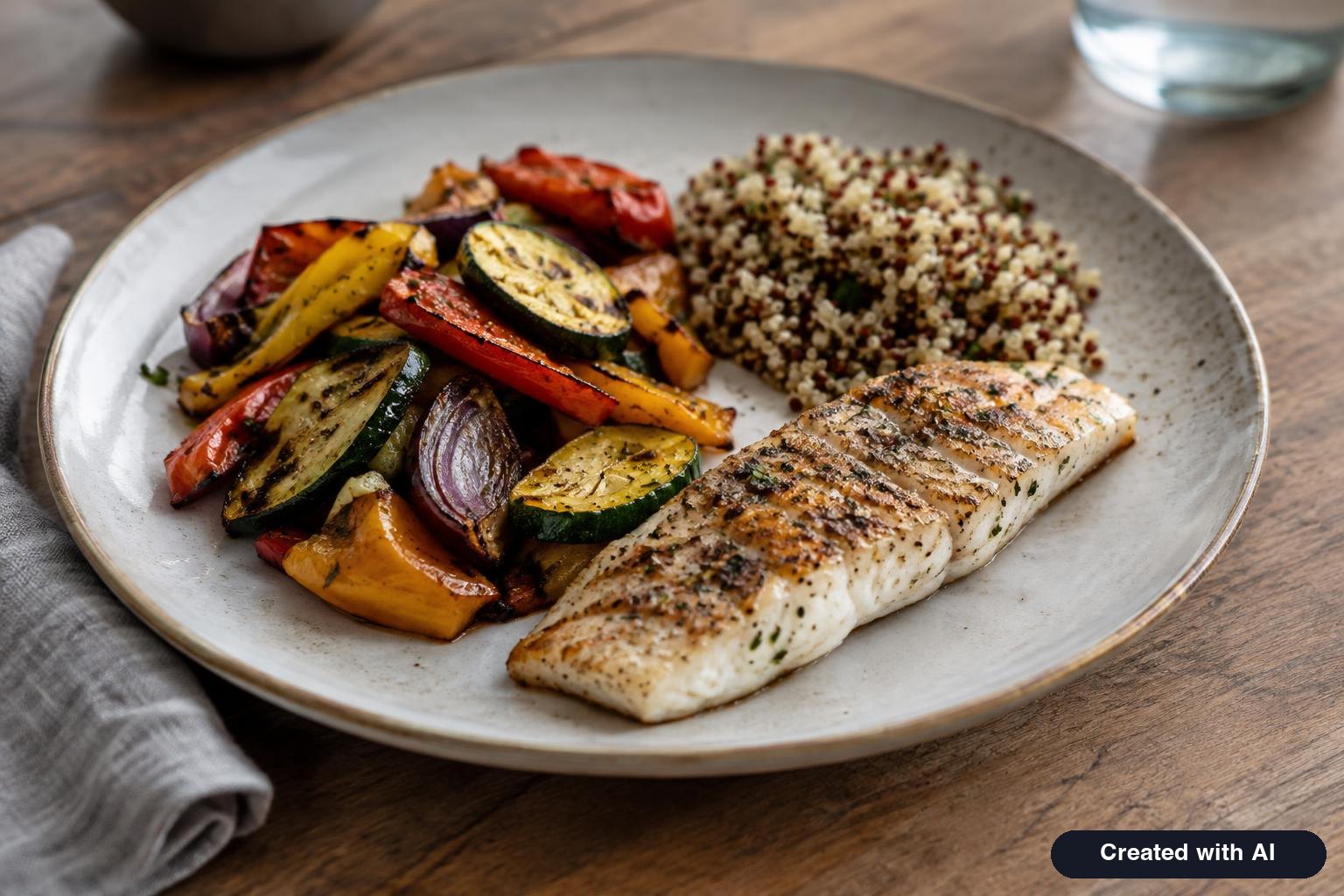
A sample day
This is an example of a day with smaller portions and more protein, not a treatment plan. Calories and carbohydrates, especially with diabetes, should be set with your clinician or a registered dietitian.
| Meal | Example |
|---|---|
| Breakfast | Two scrambled eggs, a slice of whole-grain toast, sliced tomato; coffee or tea after eating |
| Mid-morning | Plain Greek yogurt or cottage cheese with berries |
| Lunch | Lentil or vegetable soup with a small portion of chicken or fish |
| Afternoon | A small handful of nuts, or an apple with cheese |
| Dinner | Baked salmon, steamed vegetables and a few spoonfuls of brown rice or quinoa |
| Through the day | Water and unsweetened tea; skip soda and sweet drinks |
Supplements while on Ozempic
With smaller meals, some nutrients can run low. The 2025 advisory says supplements can be considered for at-risk nutrients such as vitamin D, calcium and vitamin B12, tailored to each person. Signs of deficiency it lists include unusual fatigue, excessive hair loss, flaky or itchy skin, muscle weakness, poor wound healing and easy bruising. Get tested rather than guessing, and tell your clinician and pharmacist about every supplement you take. Related reading: vitamin D3 and K2 and iron supplements. Products sold as "natural Ozempic," GLP-1 supplements or GLP-1 patches are not medicines and do not contain semaglutide; see GLP-1 patches.
Exercise on Ozempic
Exercise is not just allowed; it is part of the treatment. Physical activity is a cornerstone of type 2 diabetes care, and Ozempic is approved as an addition to diet and exercise. With weight loss, muscle matters most: when weight drops quickly, some of what is lost is lean mass. In the STEP 1 trial of semaglutide 2.4 mg, about 38% of the average 13.6 kg weight loss was lean body mass, according to the 2025 advisory. Ozempic's diabetes doses are lower and weight comes off more slowly, but the principle holds.
The advisory recommends that GLP-1 treatment be paired with a structured exercise program:
- Strength training at least three times a week: weights, resistance bands or body-weight moves such as squats, push-ups and lunges.
- At least 150 minutes of moderate aerobic activity a week: brisk walking, cycling, swimming.
- Tailored to you. If you have been inactive, start with short sessions and build up.
If you take insulin or a sulfonylurea, long or hard workouts can drop your blood sugar; carry fast-acting carbohydrates and ask whether doses should change on active days. Skip a big meal right before a workout, since a slow stomach and heavy food can bring on nausea.
Fluids: how much to drink
Because nausea, vomiting and diarrhea can dehydrate you, and because the label ties dehydration to kidney injury, staying hydrated matters, especially if you have kidney disease. Appetite and thirst often both drop on semaglutide, so drink on a schedule rather than waiting until you feel thirsty. Water, unsweetened tea and broth all count. Signs of dehydration include dark urine, a dry mouth, dizziness and weakness.
Fasting and intermittent fasting
There are no official recommendations for combining Ozempic with intermittent fasting. Long gaps without food can make nausea worse, and for people on insulin or a sulfonylurea, fasting raises the risk of low blood sugar. The 2025 advisory adds that for people with diabetes, a ketogenic diet combined with GLP-1 therapy could increase the risk of diabetic ketoacidosis and hypoglycemia. If you plan a longer fast, including a religious fast, or a strict diet, talk it over with your clinician in advance.
When to call your doctor
- severe stomach pain that will not go away and may spread to the back, with or without vomiting;
- vomiting or diarrhea that keeps you from drinking enough fluids;
- repeated low blood sugar: cold sweat, shakiness, strong hunger, confusion;
- appetite so low that you have barely eaten for several days.
More in Ozempic side effects and Ozempic reviews; dosing is covered in Ozempic dosage. The full guide starts at Ozempic. This article is general information, not medical advice.
Frequently asked questions
Can you drink alcohol on Ozempic?
Alcohol is not forbidden and the FDA label describes no direct interaction. But alcohol can worsen nausea and dehydration, heavy drinking raises pancreatitis risk, and with insulin or a sulfonylurea it increases the risk of low blood sugar. U.S. obesity and nutrition societies advise minimal alcohol on GLP-1 drugs.
Does Ozempic make you not want to drink?
Many users report less interest in alcohol, and small trials support it: semaglutide reduced drinks per drinking day and craving in a 48-person 2025 study, and cut heavy drinking days in a 108-person 2026 Lancet trial. It is not approved to treat alcohol use disorder.
Can I drink coffee with Ozempic?
Yes. No interaction between coffee and semaglutide is described. If coffee worsens nausea or reflux, have it after eating and choose a smaller or weaker cup.
What should I eat on Ozempic?
Small meals every three to four hours, built around protein (eggs, fish, dairy, beans, lean poultry), vegetables and whole grains, with less greasy, fried or sugary food. Drink fluids steadily through the day.
How much protein do I need on Ozempic?
The adult recommended allowance is 0.8 g per kilogram of body weight a day; targets of about 1.2 to 1.6 g/kg have been proposed during active weight loss. People with obesity or kidney disease should set a personal target with a clinician or dietitian.
Can I exercise on Ozempic?
Yes, and it is recommended. A 2025 joint advisory suggests strength training at least three times a week plus at least 150 minutes of moderate aerobic activity to protect muscle and bone. If you use insulin or a sulfonylurea, watch for low blood sugar.
Can you do intermittent fasting on Ozempic?
There is no official guidance. Long gaps without food can worsen nausea, and fasting raises the risk of low blood sugar for people on insulin or a sulfonylurea. Plan any fast with your clinician.
What foods should I avoid on Ozempic?
Greasy, fried and fast food, large late-night meals, carbonated drinks, very sugary snacks and drinks, and alcohol tend to make stomach side effects worse.
Sources
- Ozempic (semaglutide) injection prescribing information, revised October 2025 – DailyMed
- Mozaffarian D et al. Nutritional priorities to support GLP-1 therapy for obesity: a joint advisory (ACLM, ASN, OMA, TOS). Obesity Pillars 2025
- Full text of the joint nutrition advisory – PubMed Central PMC12264624
- Hendershot CS et al. Once-Weekly Semaglutide in Adults With Alcohol Use Disorder: A Randomized Clinical Trial. JAMA Psychiatry 2025
- Klausen MK et al. Once-weekly semaglutide versus placebo in patients with alcohol use disorder and comorbid obesity. Lancet 2026
- CU Anschutz – Oral semaglutide trial shows fewer heavy drinking days (American Journal of Psychiatry, July 2026)
Log in to comment
No comments yet. Be the first.