How Long Is Norovirus Contagious? Spread and Return Rules
- Most contagious while sick, especially while vomiting, and in the first few days after recovery.
- CDC rule: stay home and do not prepare food for others until 48 hours after symptoms stop.
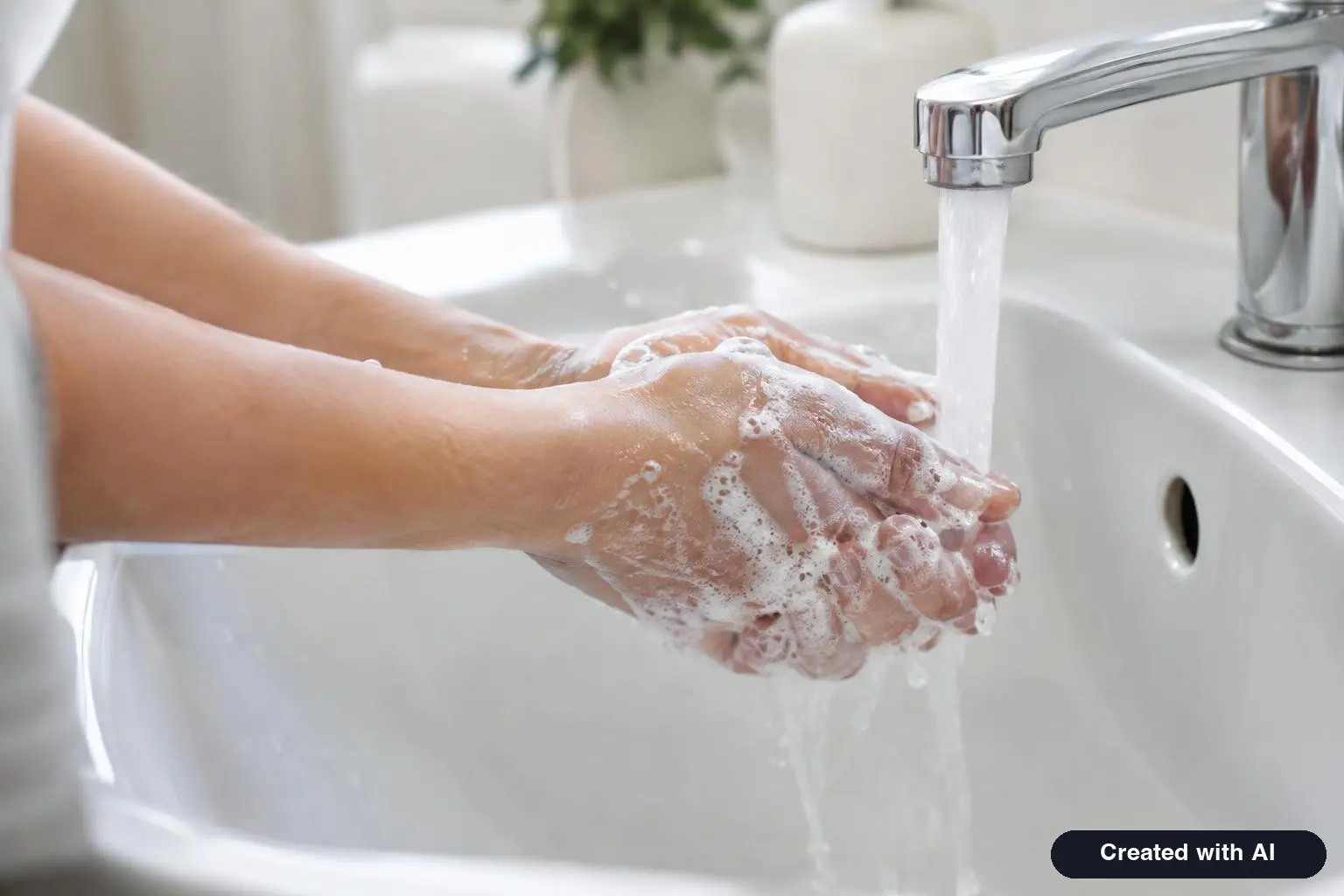
- It takes only a few viral particles to infect; soap-and-water handwashing and bleach are the key defenses.
- Norovirus contagious period, day by day
- How norovirus spreads
- How contagious is norovirus compared with other bugs?
- When can you go back to work, school, or daycare?
- Someone in my house has norovirus. How do I avoid getting it?
- Can you get norovirus twice?
- Can dogs or cats get norovirus from people?
- When to call a doctor
You are contagious with norovirus from the moment symptoms start until at least 48 hours after they stop, and you can keep passing the virus in your stool for two weeks or more after you feel better. The Centers for Disease Control and Prevention (CDC) says people are most contagious while they are sick, especially while vomiting, and during the first few days of recovery. The practical rule: stay home, and stay out of the kitchen, until you have gone two full days with no vomiting or diarrhea, then wash your hands carefully for the next couple of weeks.
Below: the contagious period day by day, the ways norovirus actually spreads, and how to keep one sick person from becoming a sick household. This page is part of our norovirus symptoms guide.
Norovirus contagious period, day by day
| Phase | How contagious | What to do |
|---|---|---|
| After exposure, before symptoms (12 to 48 hours) | Low, but not zero. Virus can appear in stool shortly before symptoms begin. | If you know you were exposed, wash hands well and avoid preparing food for others for 2 to 3 days. |
| While sick (1 to 3 days) | Highest. Vomit and diarrhea carry enormous amounts of virus. | Stay home. Use a separate bathroom if you can. Do not cook for or care for others. |
| First 48 hours after symptoms stop | Still high. | Stay home from work, school, and daycare. Still no food prep for others. |
| Day 3 to about 2 weeks after recovery | Lower but real. Virus is still shed in stool. | Return to normal life. Wash hands with soap and water after the bathroom and before touching food. |
| Beyond 2 weeks | Low for most people; can go on longer in young children and people with weakened immune systems. | Keep up normal handwashing. |
Is norovirus contagious before symptoms?
It can be. The CDC notes that norovirus can be found in vomit or stool before a person starts feeling sick. In a study in which 16 volunteers were deliberately infected with a norovirus, seven began shedding virus in their stool 3 to 14 hours before any symptom appeared. In everyday life, though, the heavy spreading happens once vomiting and diarrhea begin, because that is when the virus gets onto hands, surfaces, and food in large amounts.
How long after norovirus are you contagious?
The CDC's wording is that you can still spread norovirus for two weeks or more after you feel better. Laboratory data back that up. CDC outbreak guidance says the virus can be detected in stool for an average of four weeks after infection, with shedding at its peak two to five days after infection. In the volunteer study, shedding lasted a median of 28 days, with a range of 13 to 56 days, and for most participants the highest amount of virus in stool was measured after their symptoms had already ended.
Detecting viral genetic material is not the same as proving a person is still infectious, and researchers do not know exactly how the risk falls over those weeks. Public health rules are therefore built around the period when spread is clearly most likely, the illness plus two days, and around handwashing after that.
People who never get symptoms
Up to 30 percent of norovirus infections cause no symptoms at all, according to CDC outbreak guidance. People without symptoms still shed virus, though their role in outbreaks is less clear than that of people who are actively vomiting or have diarrhea. It is one reason norovirus slips through even careful households.
How norovirus spreads
You get norovirus by accidentally getting tiny particles of stool or vomit from an infected person into your mouth. That sounds avoidable, but the numbers are stacked in the virus's favor: a sick person sheds billions of viral particles, and the CDC says it takes only a few to make someone ill. One estimate cited in CDC guidance puts the infectious dose as low as 18 viral particles.
The three main routes, per the CDC:
- Direct contact with a sick person. Caring for them, changing diapers, sharing food or utensils, shaking hands and then touching your mouth. This is how most outbreaks spread.
- Contaminated food or water. A food worker with unwashed hands, produce irrigated with contaminated water, or raw oysters and other shellfish harvested from contaminated water. Norovirus is the leading cause of foodborne illness in the United States, responsible for 58 percent of foodborne illnesses acquired in the country.
- Contaminated surfaces. Faucet handles, door handles, railings, remote controls, phones, countertops. The CDC says the virus can persist on surfaces for days or weeks.
Is norovirus airborne?
Not in the way flu, COVID-19, or measles are. You do not catch norovirus from someone breathing or coughing near you. But vomiting is a special case. When a person vomits, tiny droplets spray through the air; they can land on nearby surfaces and food, or go directly into the mouth of someone standing close, and get swallowed. Researchers have detected norovirus genetic material in air samples in health care facilities during outbreaks, including near patients and at nurses' stations.
What that means at home: if someone vomits, send everyone else out of the room, clean a wide area around the spot rather than only the visible mess, and throw away any uncovered food that was nearby. A disposable mask while cleaning is a reasonable precaution.
Can you get norovirus from food someone else cooked?
Yes, and it is one of the most common ways. Food handled by a person who is sick, or who was sick in the last two days, can carry the virus even if it looks, smells, and tastes normal. Cooking does not reliably fix it: the CDC notes that norovirus can survive temperatures as high as 145°F, and quick steaming will not kill it in shellfish. Foods eaten raw or handled after cooking, such as salads, sandwiches, fruit, and bakery items, are frequent culprits.
Can you get it from a swimming pool, a toilet seat, or laundry?
- Water: yes, if a sick person vomits or has diarrhea in the water or if the water is not properly treated. Stay out of pools while you have diarrhea.
- Bathrooms: yes. Flush handles, faucets, and the area around the toilet are the highest-risk surfaces in a home.
- Laundry: yes, when handling soiled items. Wear gloves, do not shake items, wash hot on the longest cycle, and dry on high heat.
How contagious is norovirus compared with other bugs?
Very. In closed settings such as nursing homes, cruise ships, dormitories, daycare centers, and family homes, a large share of exposed people often get sick. Three features explain it:
- Tiny dose, huge output. A few particles infect; a sick person sheds billions.
- Hardy virus. It resists many common disinfectants, tolerates heat that kills many bacteria, and is not reliably inactivated by alcohol-based hand sanitizer.
- Limited immunity. There are many types of norovirus, and infection with one may not protect against the others.
Even so, getting sick after exposure is not certain. Some people are infected without symptoms, and susceptibility is partly genetic: the CDC notes that your likelihood of getting a norovirus infection is determined in part by your genes. Researchers have linked resistance to some strains to a variant of a gene called FUT2.
When can you go back to work, school, or daycare?
| Situation | Usual rule |
|---|---|
| Most jobs, school, daycare | 48 hours after the last episode of vomiting or diarrhea (CDC) |
| Health care workers | At least 48 hours after symptoms resolve (CDC infection control guidance) |
| Restaurant and food workers | Tell your manager; the FDA Food Code, the federal model that state and local agencies adopt, requires food employees to report vomiting and diarrhea and requires the person in charge to exclude them from the establishment. Under the 2026 Food Code, a worker who was not diagnosed can be reinstated after being symptom-free for at least 24 hours. A worker diagnosed with norovirus can return to full duties, with the health department's approval, once more than 48 hours have passed since symptoms ended or with a clinician's written clearance. The CDC's advice is simpler: do not prepare or handle food until at least 48 hours after symptoms stop. The version of the code your state or county has adopted is the one that applies. |
| Cruise ship passengers | Isolated in the cabin for at least 24 hours after symptoms resolve under CDC Vessel Sanitation Program standards |
| Cooking for family or guests | Wait at least 48 hours after symptoms stop |
| Visiting a newborn, a nursing home, or someone on chemotherapy | Wait at least 48 hours; longer is kinder, and wash hands on arrival |
Schools, daycare centers, and employers can set stricter policies than the CDC's general advice, and some local health departments do during outbreaks. If in doubt, ask.
Someone in my house has norovirus. How do I avoid getting it?
You cannot bring the risk to zero, but each of these steps lowers it, and together they often stop the chain.
- Separate. Give the sick person one bedroom and, if possible, one bathroom. Close the toilet lid before flushing.
- One caregiver. Pick one healthy adult to do the caring and cleaning, ideally not someone who is pregnant, elderly, or immunocompromised.
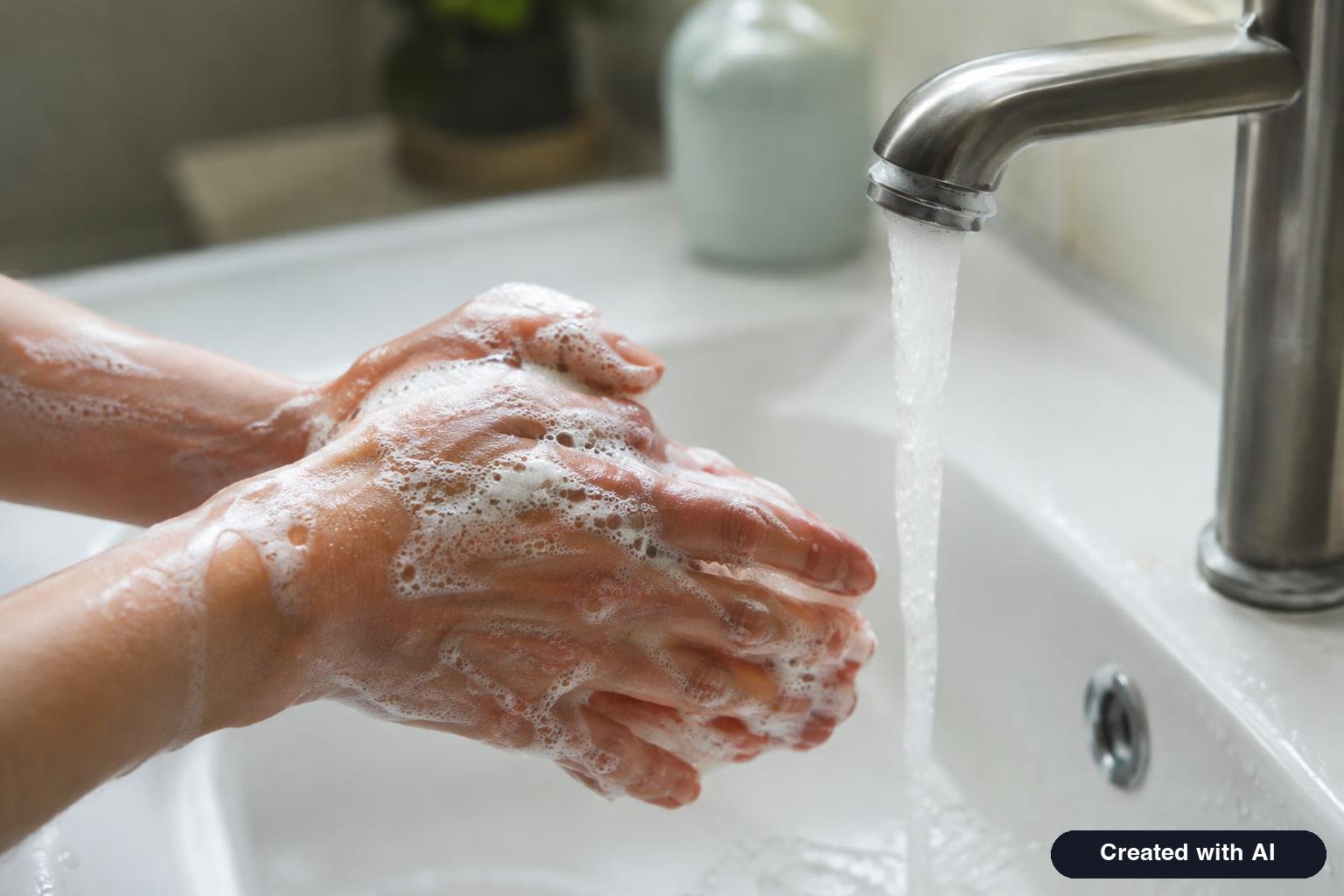
- Wash hands with soap and water for 20 seconds after every contact with the sick person, their laundry, or the bathroom, and before eating. Sanitizer is a backup, not a substitute.
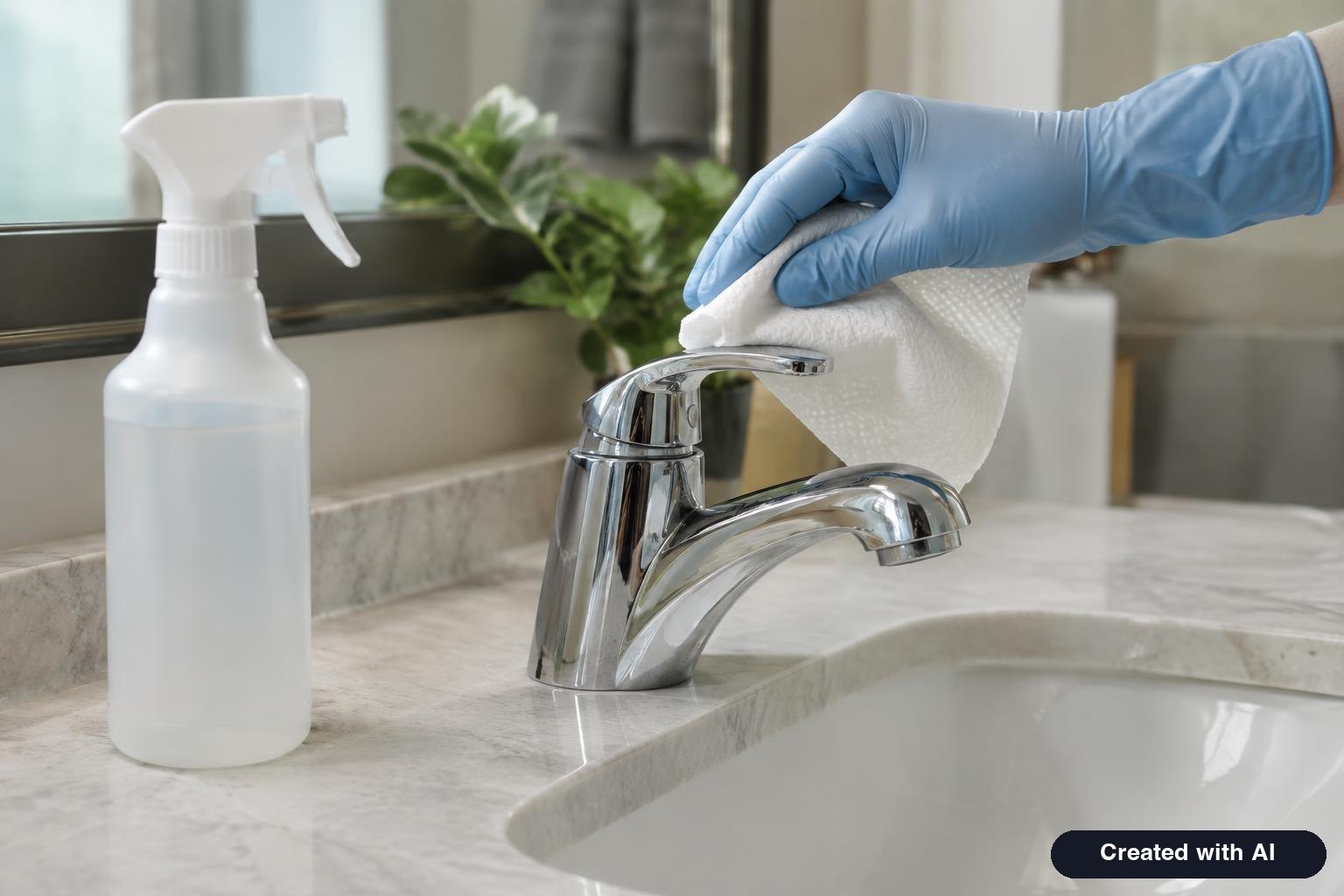
- Disinfect with bleach. Use a solution of 5 to 25 tablespoons of household bleach per gallon of water, or a product registered by the Environmental Protection Agency (EPA) for norovirus, and leave it wet on the surface for at least 5 minutes. Full instructions: how to kill norovirus.
- Handle laundry carefully. Gloves on, no shaking, hot water, longest cycle, high-heat dry.
- Keep the sick person out of the kitchen until 48 hours after symptoms stop. No shared towels, cups, or utensils.
- Keep going. Continue the bathroom disinfection and handwashing for two weeks, since shedding continues after recovery.
If you were exposed, there is no medicine or vaccine that prevents illness afterward. Watch for symptoms for about three days; the timeline is explained in how long norovirus lasts.
Can you get norovirus twice?
Yes. The CDC says you can get norovirus illness many times in your life because there are many different types, and infection with one type may not protect you against others. Protection against the specific type you just had does develop, but it is not known exactly how long it lasts. Older volunteer studies cited by the CDC suggested protection against the same strain may last anywhere from eight weeks to six months, while more recent modeling work suggests it could be longer. Either way, it is not lifelong.
Can you catch norovirus twice in a week, or back to back? Getting the same strain again within days is very unlikely. What does happen: a second, different strain is circulating; symptoms return because the gut was not yet recovered; or the "second round" is a different infection altogether. You also cannot meaningfully reinfect yourself with your own virus, but you can pass it to family members who then keep the household outbreak going.
Can dogs or cats get norovirus from people?
The honest answer is that it appears possible for dogs, it has not been shown to matter for human health, and you should not worry about your pet much. A study from the United Kingdom published in the Journal of Clinical Microbiology in 2015 found antibodies to human norovirus in 43 of 325 dog blood samples, which suggests those dogs had been exposed at some point, and showed that human norovirus particles can bind to canine gut tissue. The same study found no human norovirus in stool from 248 dogs. An earlier Finnish study, published in the Journal of Clinical Virology in 2012, tested 92 stool samples from indoor pet dogs, collected mainly from households where the dog or the people had had diarrhea or vomiting. It found human norovirus in four samples, all from dogs that had been in direct contact with people who had symptoms; two of the four dogs had mild symptoms themselves. The authors concluded that human norovirus can survive in a dog's gut and said it remained unresolved whether the virus can multiply there.
The CDC's travel medicine reference describes humans as the only reservoir for human noroviruses; the noroviruses found in animals are genetically different. A pet's fur or paws could carry virus from a contaminated floor the same way a shoe could, so clean up vomit before the dog gets to it, and wash your hands after handling pets while someone is sick. If your dog has vomiting and diarrhea, the cause is far more likely to be a canine illness or something it ate, and that is a question for your veterinarian.
When to call a doctor
Being contagious is not a medical emergency, but norovirus can dehydrate people quickly. Call a doctor for an adult who cannot keep liquids down for 24 hours, has diarrhea for more than 2 days, has blood in the stool, a fever above 102°F, or signs of dehydration such as very little urine and dizziness on standing. Call sooner for babies, adults over 65, pregnant women, and anyone with a chronic illness or weakened immune system. Call 911 for confusion, fainting, or a person who is hard to wake. Care at home is covered in norovirus treatment.
Frequently asked questions
How long are you contagious with norovirus?
From the start of symptoms until at least 48 hours after they stop, which is the period when spread is most likely. The CDC notes you can still spread the virus for 2 weeks or more after you feel better, so careful handwashing should continue.
Is norovirus contagious before symptoms start?
It can be. The CDC says the virus can be found in stool or vomit before you feel sick, and in one volunteer study some people shed virus 3 to 14 hours before symptoms. Most spread, however, happens once vomiting and diarrhea begin.
How does norovirus spread?
Through tiny particles of stool or vomit that reach the mouth: direct contact with a sick person, food or water contaminated by an infected person or grown in contaminated water, and contaminated surfaces. A sick person sheds billions of particles and only a few are needed to infect.
Is norovirus airborne?
Not like flu or COVID-19; you do not catch it from someone breathing near you. But vomiting sprays tiny droplets that can land on surfaces, food, or in the mouths of people nearby. Clear the room when someone vomits and clean a wide area.
Can you get norovirus twice?
Yes. There are many types of norovirus, and infection with one may not protect against others. Protection against the same type develops but is not lifelong, and its exact duration is unknown. Catching the same strain twice within a week is very unlikely.
Can dogs get norovirus from humans?
Possibly. A UK study found antibodies to human norovirus in 43 of 325 dogs, suggesting exposure, but no virus in stool from 248 dogs. Wash hands after handling pets when someone in the home is sick.
When can my child go back to daycare after norovirus?
The CDC advises 48 hours after vomiting and diarrhea have stopped. Daycare centers and schools set their own policies, commonly 24 to 48 hours symptom-free, and may be stricter during an outbreak.
How do I avoid norovirus when my family has it?
Separate the sick person and, if possible, a bathroom; wash hands with soap and water after every contact; disinfect bathroom and high-touch surfaces with a bleach solution; handle laundry with gloves and wash it hot; and keep the sick person out of the kitchen until 48 hours after symptoms stop.
Sources
- CDC – How Norovirus Spreads
- CDC – About Norovirus
- CDC – How to Prevent Norovirus
- CDC – Norovirus Facts and Stats
- CDC – Norovirus Outbreaks
- CDC – Updated Norovirus Outbreak Management and Disease Prevention Guidelines, MMWR 2011
- Atmar RL et al. Norwalk Virus Shedding after Experimental Human Infection. Emerging Infectious Diseases, 2008
- Bonifait L et al. Detection and Quantification of Airborne Norovirus During Outbreaks in Healthcare Facilities. Clinical Infectious Diseases, 2015
- Caddy SL et al. Evidence for Human Norovirus Infection of Dogs in the United Kingdom. Journal of Clinical Microbiology, 2015
- CDC Yellow Book – Norovirus
- Simmons K et al. Duration of Immunity to Norovirus Gastroenteritis. Emerging Infectious Diseases, 2013
- CDC – Norovirus in Healthcare Settings Guideline: Evidence Review
- FDA – Food Code 2026 (sections 2-201.11 to 2-201.13)
- CDC Vessel Sanitation Program – 2025 Environmental Public Health Standards
- Summa M et al. Pet dogs: a transmission route for human noroviruses? Journal of Clinical Virology, 2012
Log in to comment
No comments yet. Be the first.