Norovirus in Infants, Babies and Kids: Symptoms and Care
- Dehydration is the main risk: no wet diaper for 3 hours or more, no tears or unusual sleepiness need a same-day call.
- Keep breastfeeding or full-strength formula; for vomiting, give 1 teaspoon of rehydration solution every 5 minutes.
- Babies under 6 months with vomiting or diarrhea, and under 3 months with a 100.4°F fever, need a doctor.
- Can babies and newborns get norovirus?
- Norovirus symptoms in babies, toddlers, and kids
- What to give a baby or child with norovirus
- Medicines: mostly, do not
- Signs of dehydration in babies and children
- When to call the pediatrician, go to the ER, or call 911
- Keeping it from spreading through the family
- When can my child go back to daycare or school?
- Norovirus in premature and medically fragile babies
- If you are sick and caring for a baby
Babies and young children catch norovirus easily, and most get through it at home in one to three days. The danger is not the virus itself but dehydration, which can develop within hours in an infant. The symptoms are sudden vomiting, watery diarrhea, fussiness, and sometimes a low fever. The treatment is fluid: breast milk or formula as usual for babies, plus an oral rehydration solution in small, frequent amounts when a doctor advises it or the child is over a year old. Call the pediatrician early for any baby under 6 months, any fever in a baby under 3 months, or a child with no wet diaper for 3 hours or more.
This page is part of our norovirus symptoms guide and is general information, not a substitute for your pediatrician's advice.
Can babies and newborns get norovirus?
Yes. People of all ages can get infected and sick with norovirus, the Centers for Disease Control and Prevention (CDC) says, and children under 5 are among those more likely to have severe infections. Norovirus is now the leading cause of medically attended stomach illness in U.S. children under 5. The CDC's estimates of what that means by a child's fifth birthday:
| Outcome by age 5 | How many children |
|---|---|
| Outpatient clinic visit for norovirus | 1 in 7 |
| Emergency department visit | 1 in 40 |
| Hospitalization | 1 in 160 |
| Death | 1 in 110,000 |
Read those numbers both ways. Norovirus sends a lot of children to the doctor, close to a million pediatric medical visits a year. It is very rarely fatal in the United States, and nearly always manageable when dehydration is caught early.
Newborns usually catch it from a parent, sibling, or visitor rather than from food. Breast milk may pass along some protective antibodies, but breastfeeding does not make a baby immune.
Does the rotavirus vaccine protect against norovirus?
No. The rotavirus vaccine given at 2, 4, and sometimes 6 months protects against rotavirus, a different virus. A CDC study found it had no measurable effect against norovirus. It has worked so well against rotavirus that norovirus took over as the main cause of stomach bugs in young children. There is no norovirus vaccine for children or adults; a trial of one candidate in infants failed in 2024. See norovirus vaccine status.
Norovirus symptoms in babies, toddlers, and kids
- Vomiting, often the first and most dramatic symptom in children. It usually eases within a day.
- Watery diarrhea, without blood. It may start with the vomiting or a few hours later and commonly lasts a day or two longer.
- Stomach pain or cramps. A baby may draw up the legs, cry, or refuse feeds.
- Low fever, in some children.
- Tiredness, fussiness, poor appetite.
- Headache or body aches in children old enough to describe them.
Symptoms begin 12 to 48 hours after exposure. Most children are better in 1 to 3 days, though CDC guidance notes that illness lasting 4 to 6 days can occur in young children. A stomach bug in a baby is not always norovirus: rotavirus typically lasts 3 to 8 days and adenovirus 1 to 2 weeks. Whatever the virus, the care at home is the same.
What is not typical of norovirus: blood in the stool, green (bile-stained) vomit, a high fever, a swollen or hard belly, or a child who is difficult to wake. Each of those needs prompt medical attention.
What to give a baby or child with norovirus
Babies under 6 months
- Call your pediatrician. The CDC lists age under 6 months as a reason for medical evaluation of a child with vomiting or diarrhea.
- Keep breastfeeding on demand. Offer the breast more often, for shorter feeds if the baby is vomiting.
- Keep giving formula at normal strength. Do not water it down; the CDC says diluted formula is unnecessary and is associated with prolonged symptoms.
- Do not give plain water, juice, or sports drinks.
- Use an oral rehydration solution only as your pediatrician directs.
Babies 6 to 12 months
- Breast milk or formula first, undiluted. The American Academy of Pediatrics (AAP) says that if these are not tolerated, consider a commercial rehydration solution, and not to use water.
- If the baby eats solids, offer the usual foods once vomiting settles.
Children 1 year and older
- A commercial oral rehydration solution, liquid or frozen pops, is the first choice.
- If your child refuses it, the AAP says diluted apple juice or sports drink, half water and half drink, is acceptable for mild illness.
- Avoid full-strength juice, soda, and undiluted sports drinks; the sugar can make diarrhea worse.
How much, how often
The trick with a vomiting child is tiny amounts given often. A thirsty child who gulps a full cup will usually vomit it back.
| Situation | Amount | Source |
|---|---|---|
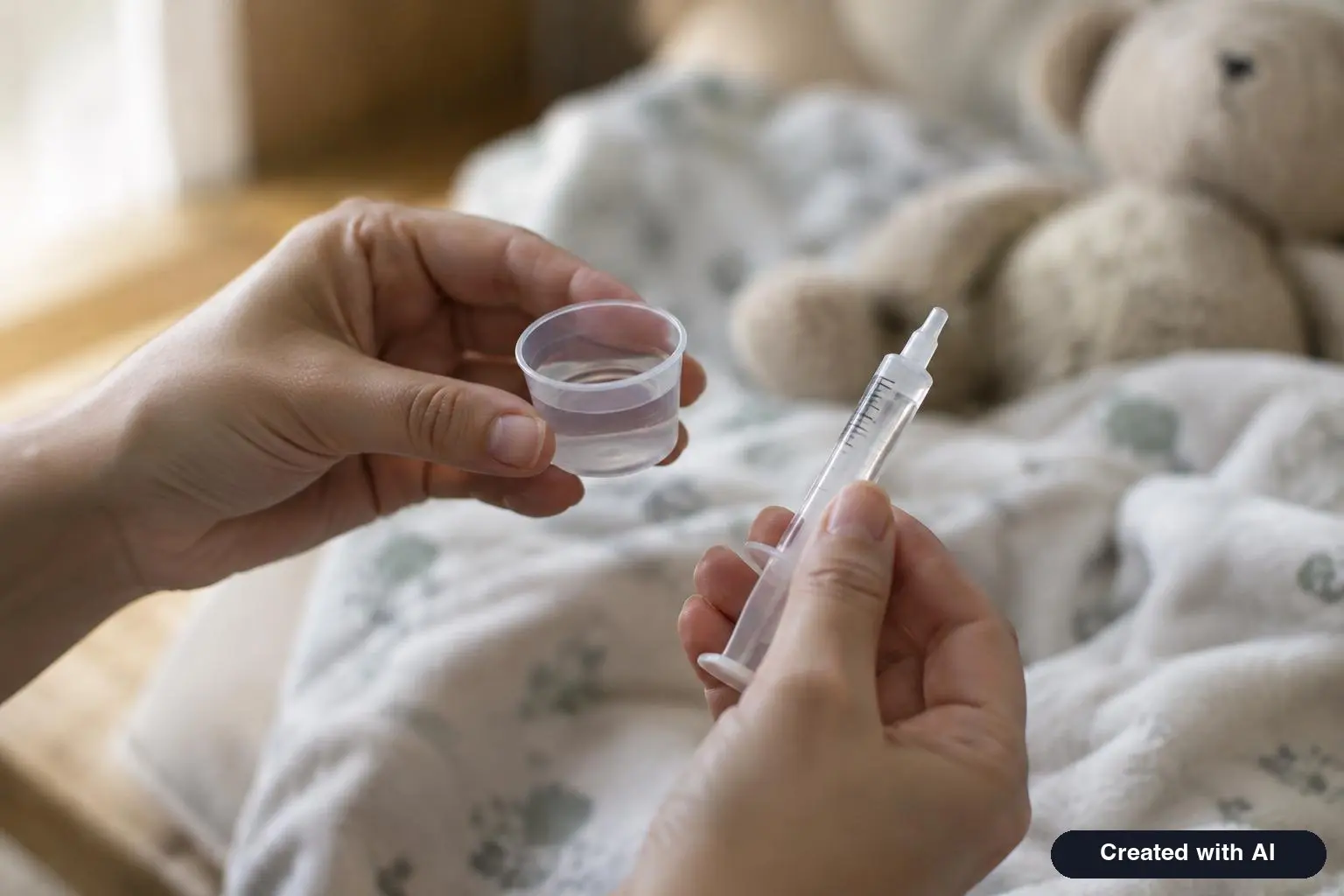
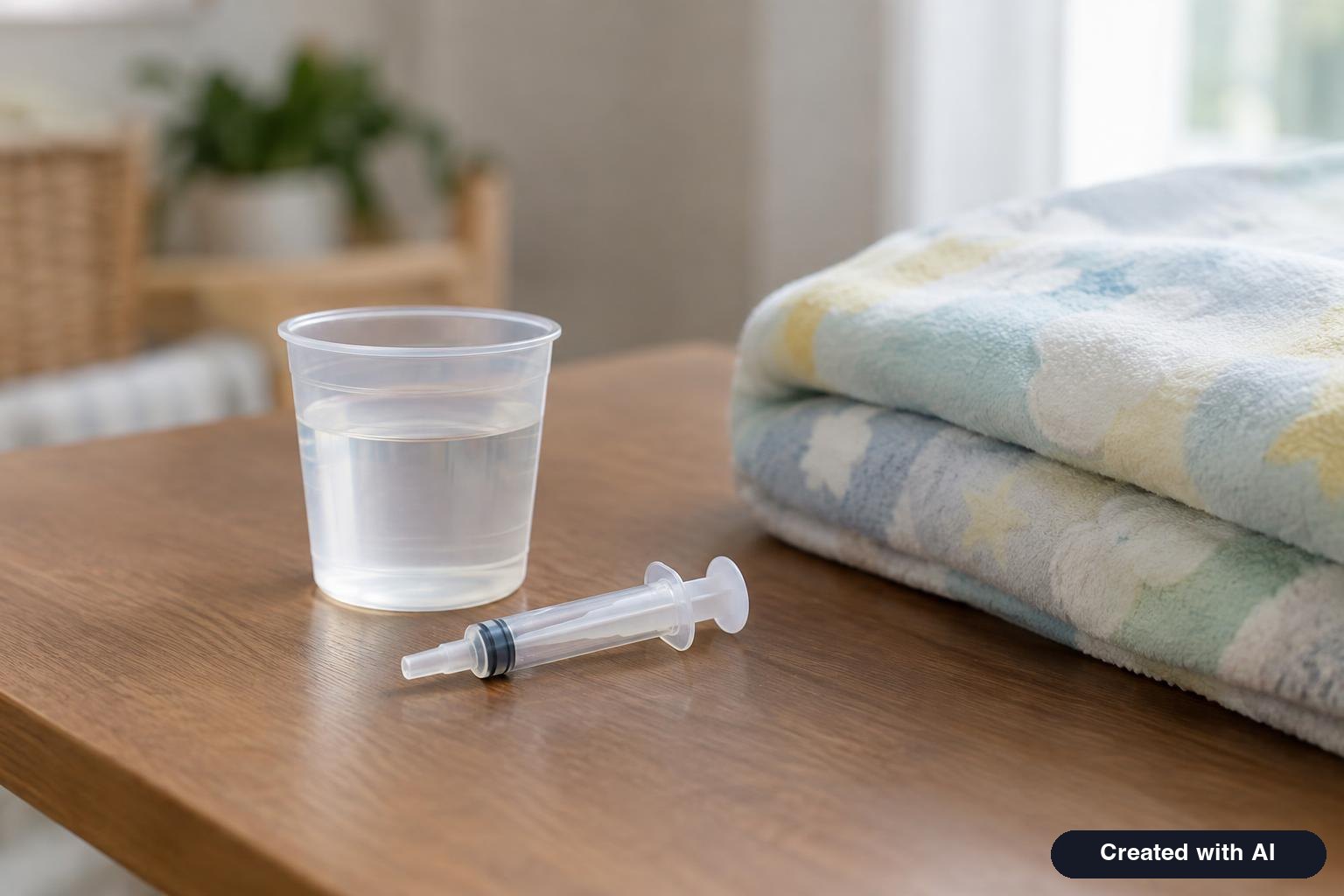
| Child is vomiting | 1 teaspoon (5 mL) of rehydration solution every 5 minutes by spoon or syringe, increasing gradually as tolerated | CDC |
| Baby under 1 year, vomiting | 1 to 2 teaspoons (5 to 10 mL) every 5 minutes | AAP symptom checker |
| Child over 1 year, vomiting | 2 to 3 teaspoons (10 to 15 mL) every 5 minutes | AAP symptom checker |
| After each loose stool or vomit, child under 22 lb (10 kg) | 2 to 4 ounces (60 to 120 mL) | CDC |
| After each loose stool or vomit, child over 22 lb (10 kg) | 4 to 8 ounces (120 to 240 mL) | CDC |
| Minimum to aim for in a vomiting child | At least 1 ounce (30 mL) per hour | AAP |
A worked example: a 2-year-old who weighs 26 pounds vomits at 6 p.m. Give two teaspoons of rehydration solution every 5 minutes. That is about 4 ounces an hour. If nothing comes back up for an hour or two, offer larger sips. After each watery diaper, offer an extra 4 to 8 ounces over the next while. If the child vomits, pause for a few minutes and go back to teaspoons.
Do not make your own electrolyte drink. The AAP specifically advises using only commercially available solutions, because the wrong amount of salt or sugar can harm a small child.
What to feed
Offer normal food as soon as your child wants it. The AAP says the BRAT diet (bananas, rice, applesauce, toast) is no longer considered useful, and that children can ideally resume a normal, well-balanced diet within 24 hours of getting sick. The CDC says withholding food for more than 24 hours is inappropriate and that early feeding shortens the illness. Good first foods are whatever your child usually eats: cereal, rice, pasta, bread, bananas, yogurt, chicken, eggs, vegetables. Go easy on sweets, juice, and greasy foods.
Medicines: mostly, do not
- Anti-diarrheal medicines such as loperamide (Imodium) are not recommended for infants and children, the CDC says. The package label says not to use loperamide in children under 2 and to ask a doctor for ages 2 to 5.
- Bismuth subsalicylate (Pepto-Bismol, Kaopectate) contains a salicylate related to aspirin. The label warns that children and teenagers who have or are recovering from chickenpox or flu-like symptoms should not use it because of the risk of Reye's syndrome, and says to ask a doctor for children under 12.
- Anti-nausea medicine. Never give an over-the-counter or leftover prescription remedy for vomiting unless your pediatrician has prescribed it for this illness. Doctors sometimes give a single dose of ondansetron (Zofran) in the office or emergency room to help a child keep fluids down.
- Fever. Acetaminophen at the correct dose for weight is the usual choice for a child older than 3 months who is uncomfortable. The AAP's symptom guidance advises against ibuprofen during a vomiting illness because it can upset the stomach. Do not give any fever medicine to a baby under 12 weeks before the baby has been seen.
- Antibiotics do nothing for norovirus.
- Probiotics. The American Gastroenterological Association concluded in 2020 that probiotics do not appear to benefit North American children with acute gastroenteritis.
Signs of dehydration in babies and children
| Sign | Mild to moderate | Severe: emergency |
|---|---|---|
| Wet diapers or urine | Fewer than usual; fewer than 6 wet diapers a day in an infant; none for 3 hours or more | Almost none; no urine in more than 8 hours |
| Mouth and tears | Dry mouth, fewer tears | Parched mouth, no tears |
| Eyes and soft spot | Slightly sunken eyes | Deeply sunken eyes; sunken soft spot on a baby's head |
| Behavior | Tired, restless, or irritable; thirsty and eager to drink | Very sleepy, limp, hard to wake; drinks poorly or cannot drink |
| Skin, hands, and feet | Cool hands and feet; pinched skin slow to flatten | Cold, blotchy, or bluish hands and feet |
Adapted from the CDC's dehydration assessment table and AAP guidance. The National Institute of Diabetes and Digestive and Kidney Diseases warns that a child with symptoms of dehydration can die within a day if left untreated, which is why these signs deserve a same-day call, not a wait-and-see approach.
When to call the pediatrician, go to the ER, or call 911
Call the pediatrician now if your child:
- Is younger than 6 months and has vomiting or diarrhea
- Is younger than 3 months and has a temperature of 100.4°F (38°C) or higher
- Is younger than 12 weeks and has vomited two or more times
- Has had no wet diaper for 3 hours or more, or shows other signs of dehydration
- Has blood in the stool
- Has been vomiting for more than 12 to 24 hours, or cannot keep down even teaspoons of fluid
- Has diarrhea lasting more than a day (the NIDDK's threshold for children)
- Has a fever lasting more than 24 to 48 hours, or a high fever
- Has a chronic condition such as diabetes, heart or kidney disease, or a weakened immune system, or was born prematurely
Go to the emergency room if your child:
- Is hard to wake, or acts or talks confused
- Has vomit that is green, bloody, or looks like coffee grounds
- Has no urine in more than 8 hours with a very dry mouth and no tears
- Has severe or constant belly pain, or a swollen, hard belly
Call 911 if your child cannot be woken, is not moving or is too weak to stand, has a seizure, or is struggling to breathe.
Trust your own read as well. If your child looks seriously unwell to you, that is reason enough to be seen.
Keeping it from spreading through the family
A child with norovirus sheds enormous amounts of virus, and young children can keep shedding it in stool for weeks after they recover. The steps that matter:
- Wash your hands with soap and water for 20 seconds after every diaper change, every cleanup, and before preparing food or bottles. Hand sanitizer does not work well against norovirus.
- Wash the child's hands too, especially after toilet use and before eating.
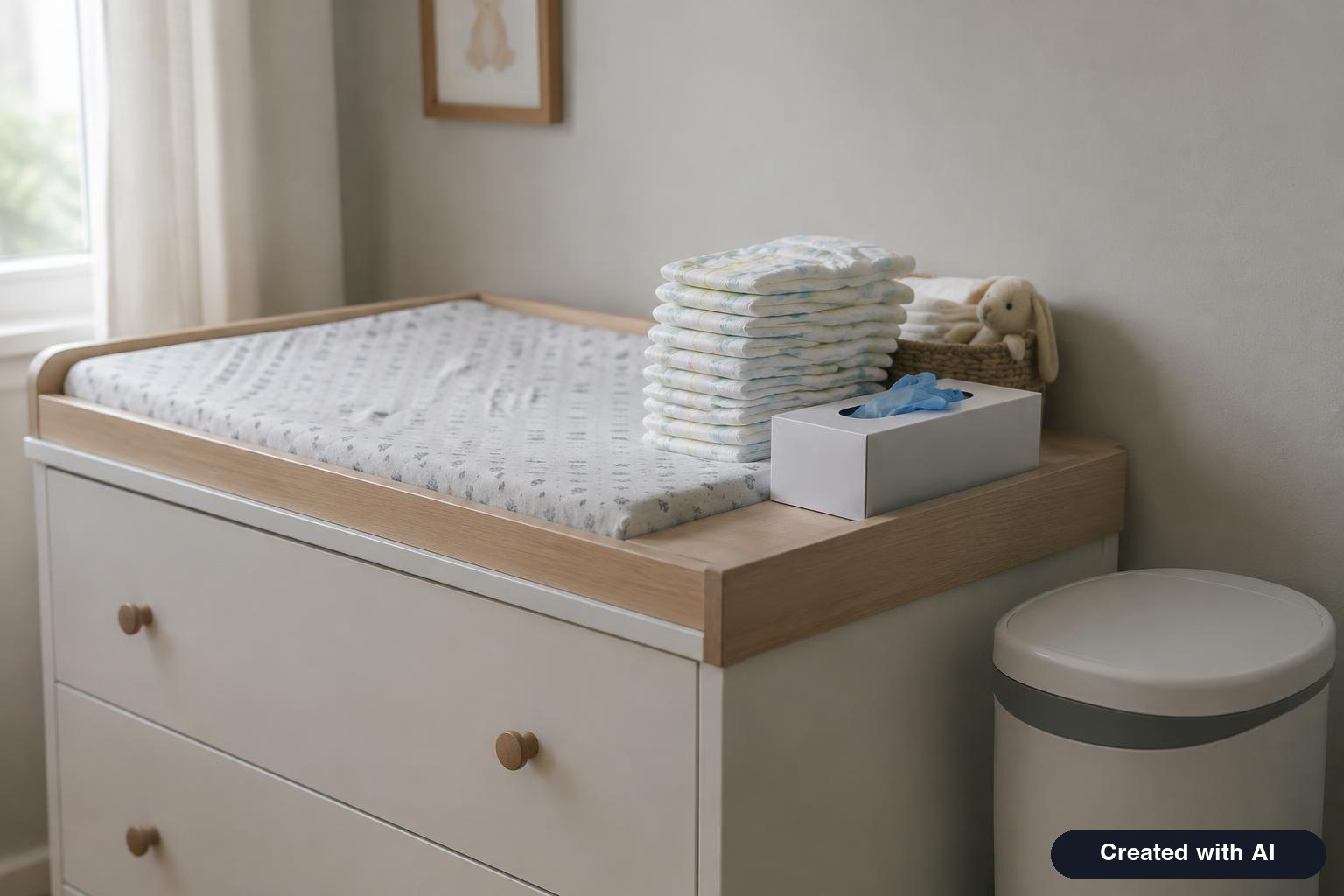
- Clean and disinfect the changing area after each change. Bag soiled diapers and take the trash out.
- Clean up vomit right away with gloves and paper towels, then disinfect with a bleach solution and leave it on for at least 5 minutes. Keep bleach away from children and rinse toys and surfaces a child might mouth. Mixing instructions: how to kill norovirus.
- Wash soiled clothes and bedding in hot water on the longest cycle and dry on high heat.
- No shared cups, utensils, or towels. Toothbrushes kept apart.
- Keep visitors away, particularly grandparents and anyone pregnant or immunocompromised.
Expect that despite all this, a parent often gets sick a day or two later. Have a plan for who will look after the children if both adults go down.
When can my child go back to daycare or school?
The CDC's advice is to stay home until 48 hours after symptoms stop. The AAP's general guidance for vomiting is that a child can return once vomiting and fever are gone, and many childcare centers and schools write their own rules, commonly 24 or 48 hours without vomiting or diarrhea. During a known norovirus outbreak, follow the stricter rule. Children in diapers are the hardest to contain, so tell the daycare what your child had; they may step up cleaning. More on timing is in how long norovirus is contagious.
Norovirus in premature and medically fragile babies
Babies in neonatal intensive care, babies born early, and children with immune problems or serious chronic illness are a separate category. In hospital nurseries, norovirus outbreaks have been linked in a published report to cases of necrotizing enterocolitis, a serious bowel condition of premature infants. That finding concerns hospitalized preterm babies, not healthy full-term infants at home, but it is the reason neonatal units restrict visitors with any stomach symptoms. If your baby was premature or has a medical condition, call the doctor at the first sign of vomiting or diarrhea rather than starting home care on your own.
If you are sick and caring for a baby
Keep breastfeeding if you are nursing; the CDC says a nursing mother with diarrhea from a food- or waterborne illness can continue to breastfeed and should increase her own fluids. Wash your hands with soap and water before every feed and after every bathroom trip, and have a healthy adult handle bottle preparation and food if one is available. If you are pregnant as well, see norovirus during pregnancy. For your own care, see norovirus treatment.
Frequently asked questions
Can infants and newborns get norovirus?
Yes. People of all ages can get norovirus, and children under 5 are more likely to have severe illness. Babies usually catch it from family members or caregivers. Any baby under 6 months with vomiting or diarrhea should be evaluated by a doctor.
What are norovirus symptoms in babies?
Sudden vomiting, watery diarrhea without blood, fussiness, poor feeding, and sometimes a low fever. Symptoms start 12 to 48 hours after exposure and usually last 1 to 3 days, though young children can be sick for 4 to 6 days.
What do I give a baby with a stomach bug?
Breast milk or full-strength formula as usual. Do not dilute formula or give plain water or juice to young infants. Use an oral rehydration solution as your pediatrician directs; for children over 1 year it is the first choice for extra fluids.
How much Pedialyte should I give a vomiting child?
Start with 1 teaspoon (5 mL) every 5 minutes and increase gradually. The CDC advises 2 to 4 ounces after each loose stool or vomit for a child under 22 pounds and 4 to 8 ounces for a larger child.
What are the signs of dehydration in a baby?
Fewer wet diapers, especially none for 3 hours or more; a dry mouth; crying without tears; sunken eyes or a sunken soft spot; and unusual sleepiness or fussiness. A baby who is limp or hard to wake needs emergency care.
Can I give my child Imodium or Pepto-Bismol?
Not without a doctor's advice. The CDC says antidiarrheal medicines are not recommended for infants and children, loperamide labels say not to use it under age 2, and bismuth subsalicylate carries a Reye's syndrome warning for children and teens.
Does the rotavirus vaccine prevent norovirus?
No. It protects only against rotavirus. There is no approved norovirus vaccine for children or adults.
When can my child return to daycare after norovirus?
The CDC advises staying home until 48 hours after symptoms stop. Individual daycare centers and schools set their own rules, often 24 to 48 hours without vomiting or diarrhea.
Sources
- CDC – About Norovirus
- CDC – Norovirus Facts and Stats
- CDC – Managing Acute Gastroenteritis Among Children: Oral Rehydration, Maintenance, and Nutritional Therapy, MMWR 2003
- CDC – Updated Norovirus Outbreak Management and Disease Prevention Guidelines, MMWR 2011
- HealthyChildren.org (AAP) – Drinks to Prevent Dehydration When Your Child is Vomiting
- HealthyChildren.org (AAP) – Diarrhea in Children
- HealthyChildren.org (AAP) – Treating Vomiting
- HealthyChildren.org (AAP) – Signs of Dehydration in Infants & Children
- HealthyChildren.org (AAP) – Symptom Checker: Vomiting With Diarrhea
- HealthyChildren.org (AAP) – Fever: When to Call the Pediatrician
- NIDDK – Symptoms & Causes of Viral Gastroenteritis
- Rotavirus vaccine effectiveness and norovirus disease in U.S. children. Emerging Infectious Diseases, 2013;19(10)
- Outbreak of necrotizing enterocolitis associated with norovirus in a neonatal intensive care unit. Journal of Pediatrics, 2008
- American Gastroenterological Association – Probiotics guideline announcement, June 9, 2020
- DailyMed – Imodium A-D (loperamide) Drug Facts label
- DailyMed – Pepto-Bismol (bismuth subsalicylate) Drug Facts label
- CDC – Foodborne and Waterborne Illness and Breastfeeding
- HilleVax – NEST-IN1 topline results (SEC filing), July 8, 2024
Log in to comment
No comments yet. Be the first.