Halloween 2026: Date, History, Traditions and How to Celebrate
- Halloween is always October 31; in 2026 that is a Saturday, and clocks fall back at 2 a.m. on Sunday, November 1.
- The holiday blends the Irish festival of Samhain, the Christian All Hallows' Eve and customs immigrants brought to America in the 1800s.
- NRF expects 74% of Americans to celebrate in 2026 and spend $13.5 billion, about $115 per person.
- When Is Halloween 2026?
- What Is Halloween?
- Halloween History: Where the Holiday Came From
- Halloween Traditions and What They Mean
- Halloween 2026 by the Numbers
- How to Celebrate Halloween: A Guide to Every Part
- A Simple Halloween 2026 Timeline
- Halloween, All Saints' Day and Day of the Dead
- How to Explain Halloween to Kids
- Staying Safe on Halloween
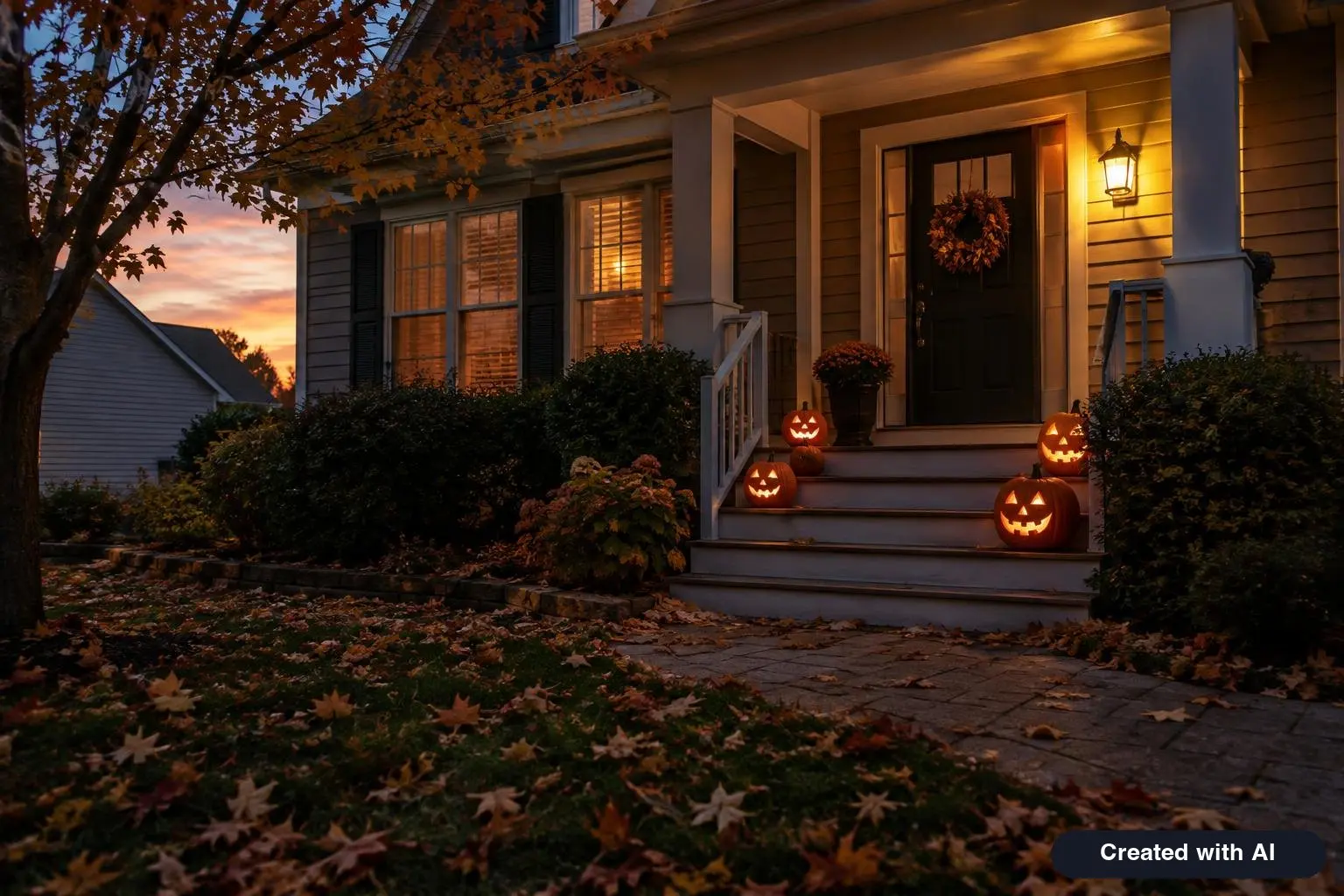
Halloween 2026 is on Saturday, October 31, 2026. The date never moves, only the weekday does, and a Saturday Halloween is the one families and party hosts wait for: no school the next morning, a full day to carve and decorate, and trick-or-treating that can start in daylight. This guide covers what Halloween is, where it came from, what the traditions mean and how to plan the day, with a link to a detailed guide for every part of it.
When Is Halloween 2026?
Halloween is celebrated every year on October 31. In 2026 that is a Saturday, the first Saturday Halloween since 2020. Expect most parties on Friday, October 30 and Saturday, October 31, and expect trick-or-treating on Saturday evening unless your town sets a different night.
| Year | Halloween (October 31) | All Saints' Day (November 1) |
|---|---|---|
| 2026 | Saturday | Sunday |
| 2027 | Sunday | Monday |
| 2028 | Tuesday | Wednesday |
| 2029 | Wednesday | Thursday |
| 2030 | Thursday | Friday |
One detail is specific to this year: daylight saving time ends at 2 a.m. on Sunday, November 1, 2026, a few hours after Halloween night. Clocks fall back one hour, so anyone out late on the 31st gets an extra hour of sleep, and Halloween evening itself still runs on daylight time, which means a slightly later sunset for trick-or-treaters than they will see the following week.
Is Halloween a federal holiday?
No. Halloween is not a federal holiday in the United States. Banks, post offices, schools and stores keep their normal hours; in 2026 the question is mostly moot because the 31st falls on a weekend. It is a cultural holiday, celebrated because people enjoy it, not because anything closes.
What Is Halloween?
Halloween is an autumn holiday observed on the evening of October 31 with costumes, carved pumpkins, decorated houses, parties, scary movies and trick-or-treating, when children go door to door collecting candy. The name is a contraction of All Hallows' Eve: the evening before All Hallows' Day, better known as All Saints' Day, on November 1.
Today it is almost entirely secular. For most American households Halloween means a bowl of candy by the door, a costume, a jack-o'-lantern on the porch and a neighborhood full of kids. Underneath is a much older idea that shows up in cultures around the world: the end of the harvest, the start of the dark half of the year, and a night when the living think about the dead.
Halloween History: Where the Holiday Came From
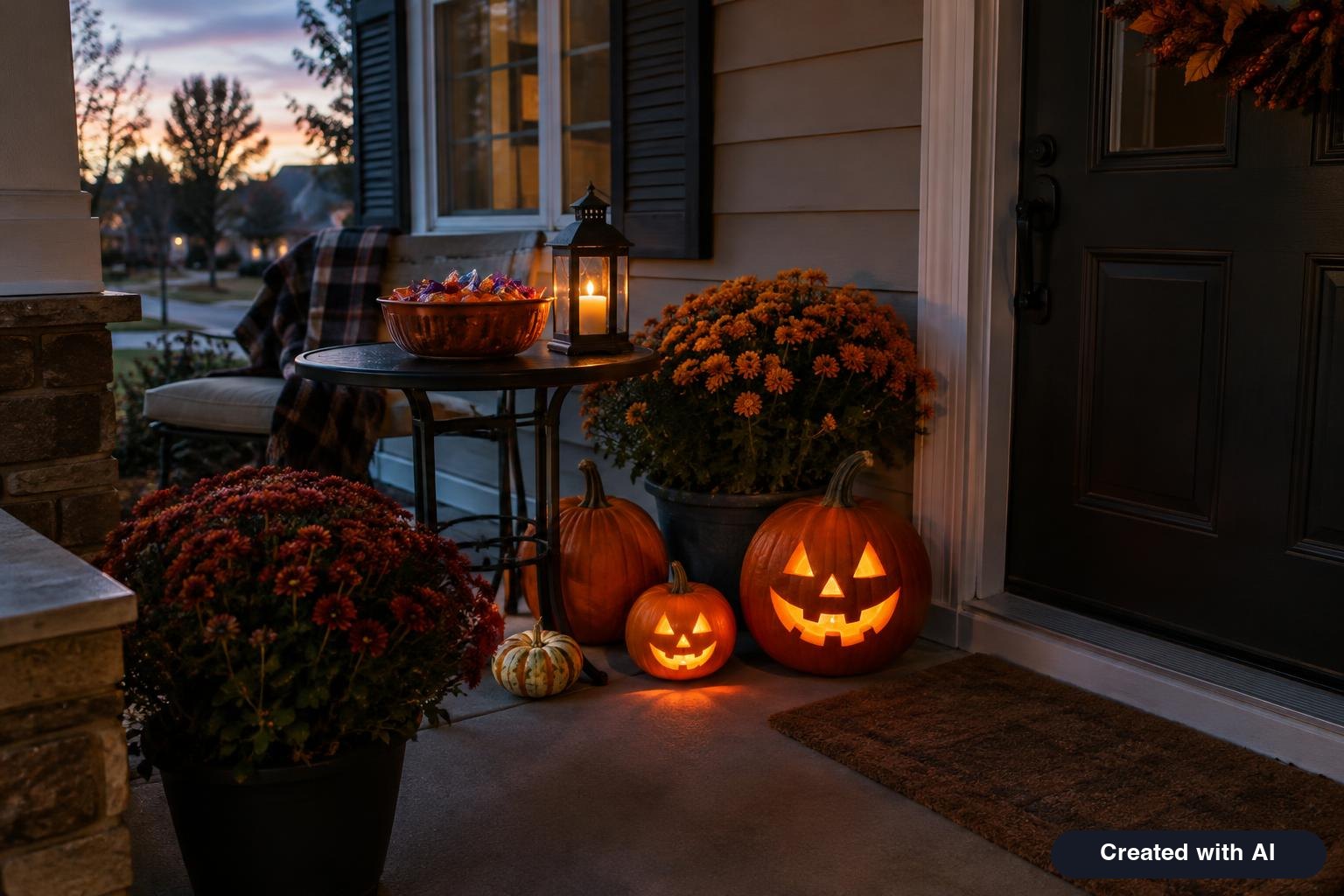
Halloween was not invented in one place or at one time. Historians usually describe four layers that built up over roughly two thousand years.
- Samhain. In ancient Ireland the festival of Samhain marked the end of summer and the harvest and the beginning of a new year. According to Encyclopaedia Britannica, people believed that on the eve of Samhain the boundary between the worlds of the living and the dead blurred, so that spirits could roam the earth and the souls of the dead returned to visit their homes. People lit bonfires on hilltops and sometimes wore masks and other disguises so that ghosts would not recognize them.
- All Saints' Day and All Hallows' Eve. In the 7th century Pope Boniface IV established a feast honoring all saints, originally on May 13. In the 8th century Pope Gregory III moved it to November 1, possibly in part to replace pagan observances with a Christian one. November 2 later became All Souls' Day, devoted to prayers for the dead. The night before All Saints' became All Hallows' Eve, and the older customs clung to it.
- Folk customs of Ireland and Britain. Over the following centuries the evening picked up the practices we still recognize: carved vegetable lanterns, going door to door in disguise, fortune-telling games and pranks. In the practice often called souling, children and poor adults collected food and money from local homes in return for prayers for the dead; later the prayers gave way to songs, jokes and tricks.
- The American holiday. Halloween was largely forbidden among the early American colonists, although harvest festivals in the 1800s absorbed some of its elements. When large numbers of immigrants, including many from Ireland, arrived beginning in the mid-19th century, they brought their Halloween customs with them. In the 20th century Halloween became one of the principal American holidays, particularly for children, and by the 1950s trick-or-treating for candy was one of its most popular activities.
That is why the holiday feels like a mix of harvest festival, ghost story and costume party. It is all three, layered on top of each other.
The legend of Stingy Jack and the first jack-o'-lanterns
The jack-o'-lantern comes from the British Isles, where people carved large turnips and other vegetables, not pumpkins. Irish folklore ties the lantern to a man called Stingy Jack. In the tale, Jack invites the Devil for a drink and talks him into turning himself into a coin to pay the bill, then drops the coin into his pocket next to a silver cross so the Devil cannot change back. Jack later traps the Devil in a tree by carving a cross into the trunk and frees him only in exchange for ten more years of peace.
When Jack finally dies, heaven will not take him and hell will not either. He is sent off to wander in the dark with a single glowing coal, which he carries in a hollowed-out turnip. His ghost became known as Jack of the Lantern, then Jack O'Lantern. Immigrants who brought the custom to North America found that the native pumpkin was bigger, softer and far easier to carve than a turnip, and the pumpkin took over. Our pumpkin carving guide covers how to pick, carve and preserve one.
Halloween Traditions and What They Mean
| Tradition | Where it comes from | How Americans do it now |
|---|---|---|
| Jack-o'-lantern | Carved turnip lanterns in Ireland and Britain, linked to the Stingy Jack legend and to guiding or warding off wandering spirits | Carved pumpkins on porches, lit with LED candles; see carving ideas and stencils |
| Costumes and masks | Disguises possibly worn at Samhain to confuse or hide from spirits, plus medieval practices | Anything from witches and vampires to superheroes; see costume ideas |
| Trick-or-treating | Thought to derive from begging for "soul cakes" and from mumming, when costumed people performed in exchange for food and drink | Children go door to door for candy; see trick-or-treating times and etiquette |
| Bobbing for apples | A party game perhaps derived from Roman traditions related to Pomona | Still played at parties, often with apples on strings for hygiene; see party games |
| Black cats | Medieval European folklore held that witches or the Devil could take the form of a black cat | A decorating staple; in Scotland and Japan a black cat can mean good luck |
| Bats | European folklore cast bats as messengers between witches and the Devil | Paper bat swarms on walls and doors; see decorations |
| Ghost stories and scary movies | The belief that spirits walk on this night | Movie marathons at home; see Halloween movies |
Where the phrase "trick or treat" comes from
The custom is old, but the phrase is modern and North American. The earliest known appearance of "trick or treat" in print is usually traced to a 1927 newspaper in Blackie, Alberta, Canada. The practice spread through the United States over the following decades and was firmly established by the 1950s. The "trick" was once a real threat of a prank; today it is a formula, and the treat is nearly always candy. Our guide to Halloween candy covers what to buy and how much.
Halloween 2026 by the Numbers
The National Retail Federation has surveyed Americans about Halloween every year since 2005. Its 2026 survey, conducted September 1–9 among 7,889 consumers, found the following.
| Measure | 2026 figure (NRF) |
|---|---|
| Americans planning to celebrate | 74% |
| Expected total spending | $13.5 billion (2025: $13.1 billion) |
| Average spending per person | $115.14 |
| Costumes | $4.4 billion; bought by 71% of shoppers |
| Decorations | $4.3 billion; bought by 78% |
| Candy | $4.1 billion; bought by 96% |
| Greeting cards | $0.8 billion; bought by 42% |
| Pet costumes | $0.92 billion |
| Shoppers who start in September or earlier | 49% |
The most popular ways to celebrate are handing out candy (61%), dressing in costume (50%), decorating the home or yard (42%), carving pumpkins (42%) and watching scary movies (42%). The top children's costume for 2026 is Spider-Man, planned by 4.6 million kids, followed by a generic superhero, princess, witch and ghost. Among adults, witch (4.8 million) and vampire (4.2 million) lead. The most popular pet costume is a pumpkin, followed by a hot dog.
How to Celebrate Halloween: A Guide to Every Part
You do not need to do everything. Pick two or three of the following and do them well; that is what children remember.
Costumes, makeup and nails
- Halloween costume ideas for adults, teens and kids, with what you need for each.
- Couples Halloween costumes and group Halloween costumes for friends, families and coworkers.
- Last-minute Halloween costumes built from things already in your closet.
- Dog Halloween costumes, including how to tell if your dog is comfortable.
- Halloween makeup ideas and Halloween nails for when the face or the manicure is the costume.
Pumpkins, decorations and crafts
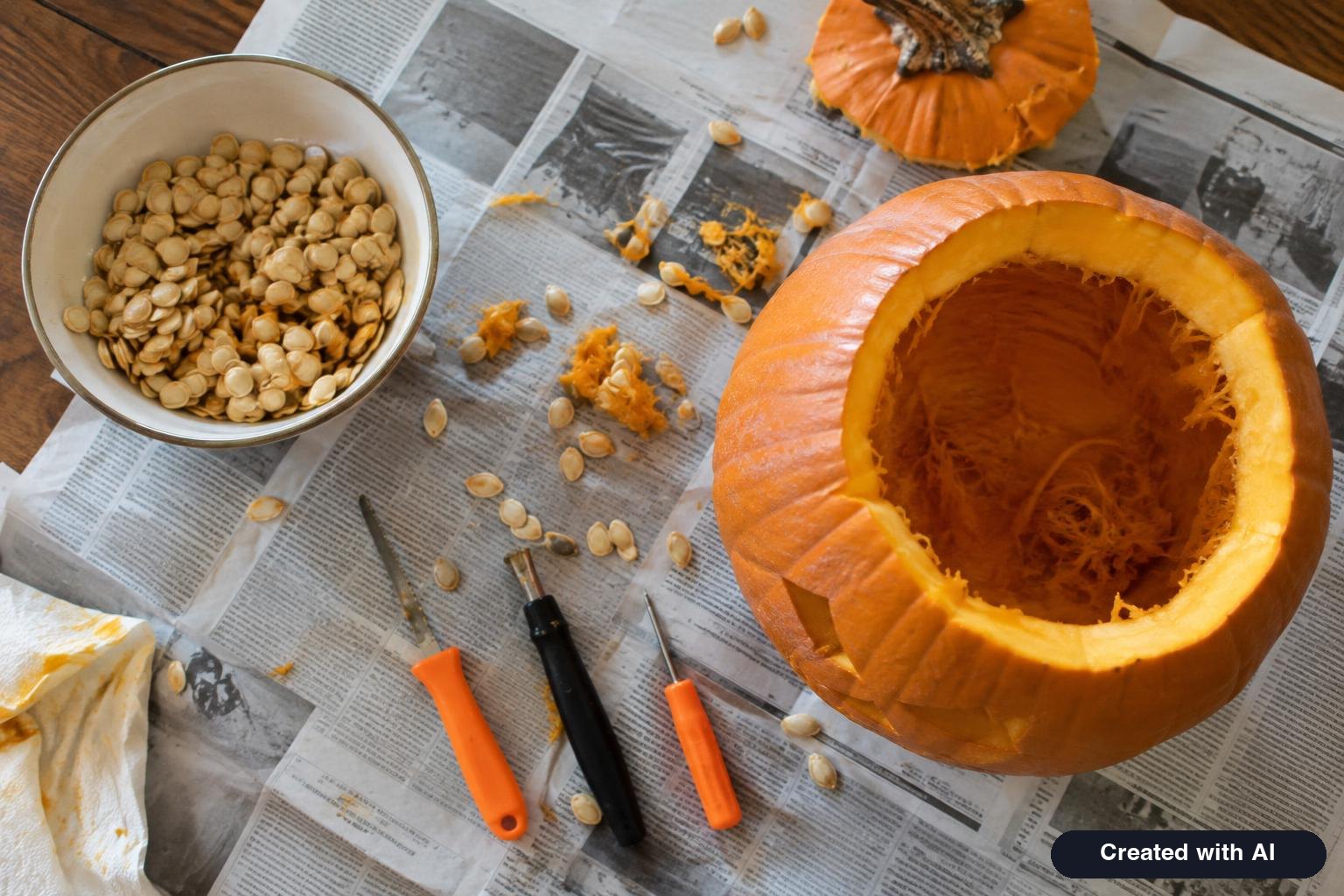
- Pumpkin carving ideas with stencil techniques, step-by-step carving and ways to make a jack-o'-lantern last.
- Halloween decorations for the yard, porch, living room, office and classroom.
- Halloween crafts for kids, sorted by age, with step-by-step instructions.
Trick-or-treating and candy
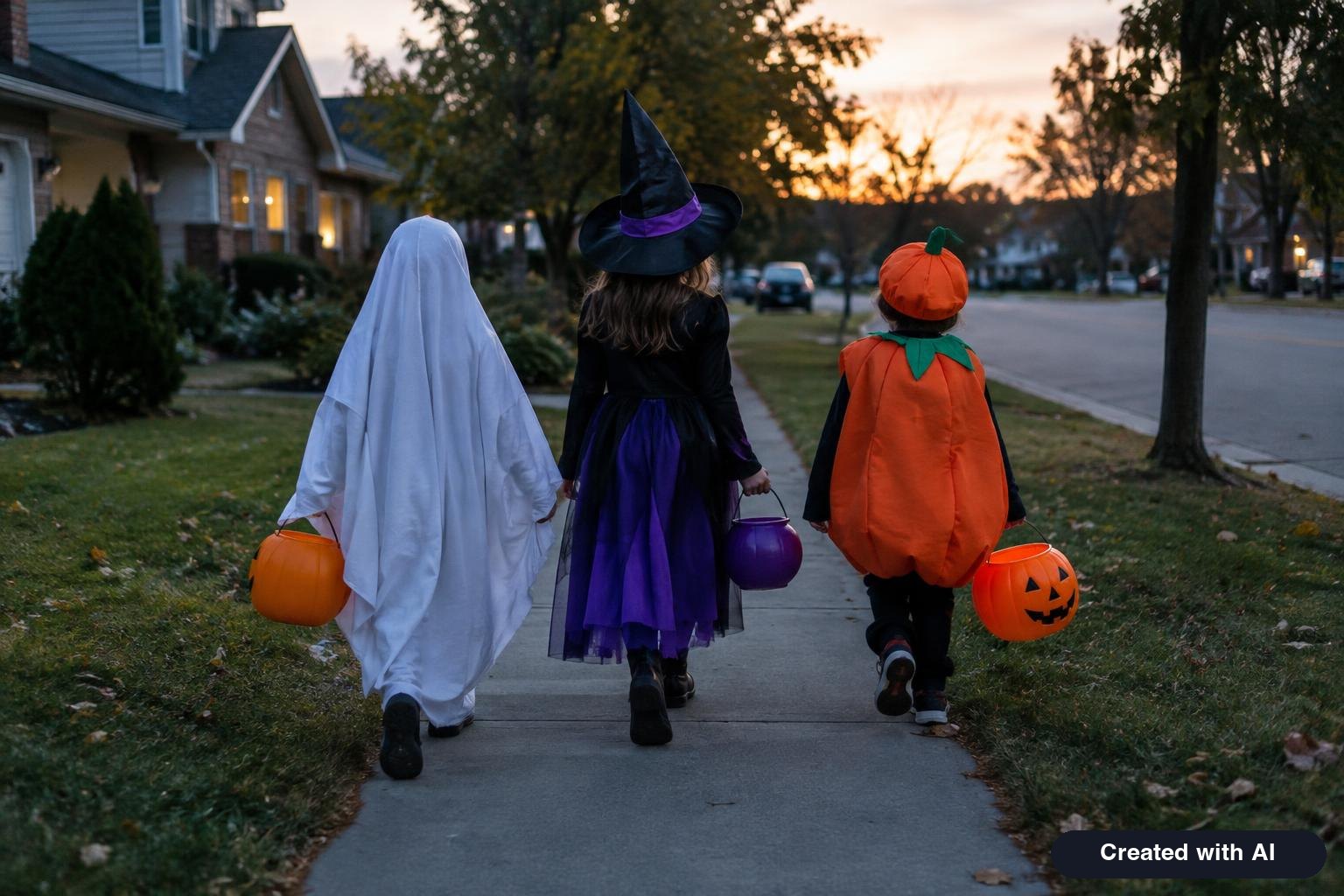
- Trick-or-treating: what time it starts, examples of city hours, age questions and porch-light etiquette.
- Trunk-or-treat ideas for church, school and neighborhood parking-lot events.
- Halloween candy: what is popular, how much to buy and allergy-friendly options.
- Halloween safety tips for walkers, drivers, costumes and candy.
Parties, food and entertainment
- Halloween party ideas, with themes, timelines and party games for kids and adults.
- Halloween food ideas, from appetizers to desserts. For baking with the season's main ingredient, see our pumpkin recipes, including pumpkin soup, pumpkin muffins and pumpkin cake; an apple pie also fits any fall table.
- Halloween movies for families, teens and horror fans.
- Halloween jokes and Halloween trivia for classrooms, lunch boxes and party rounds.
Words, cards and photos
- Happy Halloween wishes and Halloween quotes for cards, texts and party invitations.
- Halloween captions for costume, pumpkin and pet photos.
- A free card maker if you would like to send a Halloween card without buying one.
A Simple Halloween 2026 Timeline
Nearly half of shoppers start in September, but nothing about Halloween requires that. This schedule works if you are starting in mid-October.
| When | What to do |
|---|---|
| Two to three weeks before | Decide on costumes and order anything that has to ship. Put up outdoor decorations. Buy uncarved pumpkins; stored cool and dry, they keep for weeks. |
| One week before (around October 24) | Buy candy. Test costumes for fit and trip hazards. Check your town's website for official trick-or-treat hours. Plan party food. |
| Wednesday to Friday, October 28–30 | Carve pumpkins; a carved pumpkin starts to decay within a few days. Do a makeup test. Charge flashlights and stock LED candles. |
| Saturday, October 31 | Eat an early dinner, light the pumpkins, turn on the porch light and hand out candy. Check the haul before kids dig in. |
| Sunday, November 1 | Clocks fall back at 2 a.m. Compost the pumpkins, pack decorations by type and note what to replace next year. |
Ways to celebrate without trick-or-treating
Plenty of households skip the door-to-door part. Good alternatives include a pumpkin-carving afternoon with neighbors, a costume movie night with themed snacks, a backyard bonfire with ghost stories, a trunk-or-treat at a school or church, a visit to a pumpkin patch or corn maze, or a "boo basket" of small treats left anonymously on a neighbor's porch. Adults without children at home often make the night about handing out candy in costume, which trick-or-treaters reliably love.
Halloween, All Saints' Day and Day of the Dead
Three observances fall in the same three days, and they are often confused.
| Observance | Date | What it is |
|---|---|---|
| Halloween | October 31 | A largely secular evening of costumes, candy and scares, descended from Samhain and All Hallows' Eve. |
| All Saints' Day | November 1 | A Christian feast honoring all saints, known and unknown. |
| All Souls' Day | November 2 | A Christian day of prayer for the souls of the faithful departed. |
| Día de los Muertos (Day of the Dead) | November 1–2 | A Mexican tradition, also widely observed in the United States, in which families remember and welcome back their dead with altars, marigolds, food and photographs. It is a separate holiday, not a Mexican version of Halloween. |
How to Explain Halloween to Kids
Small children take costumes and decorations literally, so a short, honest explanation helps. Something like this works for most preschoolers: "A long time ago people believed that on the last night of October, ghosts came to visit. They dressed up in costumes so the ghosts would not know who they were. Nobody believes that anymore, but dressing up and sharing treats was so much fun that we kept doing it."
- Show how it works. Let a nervous child watch you put on a mask and take it off, or press the button on an animated decoration in daylight.
- Let them choose the level of scary. A friendly pumpkin is a complete Halloween costume. Nobody has to be a zombie.
- Practice. Rehearse knocking, saying "trick or treat" and "thank you" at your own front door.
- Keep the first year short. Five or six houses on your own block is plenty for a toddler.
Making Halloween work for every child
A teal pumpkin on a doorstep means the house offers non-food treats, such as stickers, glow sticks or small toys, in a separate bowl. The Teal Pumpkin Project is run by the nonprofit FARE (Food Allergy Research & Education) so that children with food allergies can trick-or-treat safely. If you want to take part, put out a teal-painted pumpkin and keep the non-food bowl apart from the candy. It also helps to remember that not every child will say "trick or treat," make eye contact or wear a costume; hand over the candy anyway.
Staying Safe on Halloween
The serious risks on Halloween are ordinary ones. Safe Kids Worldwide reports that, on average, children are more than twice as likely to be hit by a car and killed on Halloween than on any other day of the year. The Consumer Product Safety Commission estimates about 3,200 Halloween-related injuries are treated in emergency departments each year; 55% involve pumpkin carving and 25% are falls while decorating, tripping on costumes or walking while trick-or-treating.
- Add reflective tape or glow sticks to costumes and carry a flashlight.
- Choose costumes that fit; hem anything long enough to trip on. Makeup can be safer than a mask that blocks vision.
- Let adults do the carving. Kids can scoop and draw.
- Light pumpkins and decorations with battery-operated candles or glow sticks.
- If you are driving on Saturday evening, slow down in neighborhoods and watch for children between parked cars.
The full checklist, including candy checks and costume contact lenses, is in our Halloween safety tips.
Frequently asked questions
When is Halloween 2026?
Halloween 2026 is on Saturday, October 31, 2026. Halloween is always October 31; only the day of the week changes. In 2027 it falls on a Sunday and in 2028 on a Tuesday.
What day of the week is Halloween this year?
Saturday. It is the first Saturday Halloween since 2020, so most parties will be on Friday, October 30 and Saturday, October 31, and trick-or-treating will be on Saturday evening in most towns.
Is Halloween a federal holiday?
No. Halloween is not a federal holiday in the United States. Schools, banks, post offices and businesses keep normal hours when it falls on a weekday.
What is the origin of Halloween?
Halloween developed from Samhain, a festival in ancient Ireland marking the end of the harvest, when spirits were believed to roam the earth, and from the Christian feasts of All Saints' Day and All Souls' Day. The name comes from All Hallows' Eve, the evening before All Saints' Day on November 1.
Why do we carve pumpkins on Halloween?
The custom comes from Ireland and Britain, where people carved lanterns from turnips, linked in folklore to Stingy Jack, a man doomed to wander with a coal in a hollowed turnip. Immigrants to North America switched to pumpkins, which are larger and easier to carve.
Why do we say trick or treat?
Trick-or-treating is thought to descend from older customs in which people went door to door for food in exchange for prayers, songs or performances. The phrase itself is North American; its earliest known print use is usually traced to a 1927 newspaper in Alberta, Canada. It was standard across the United States by the 1950s.
Do the clocks change on Halloween 2026?
Almost. Daylight saving time ends at 2 a.m. on Sunday, November 1, 2026, a few hours after Halloween night. Halloween evening itself is still on daylight time, and you gain an hour of sleep afterward.
How much do Americans spend on Halloween?
The National Retail Federation projects $13.5 billion in Halloween spending for 2026, about $115.14 per person: $4.4 billion on costumes, $4.3 billion on decorations, $4.1 billion on candy and $0.8 billion on greeting cards.
All parts of the guide
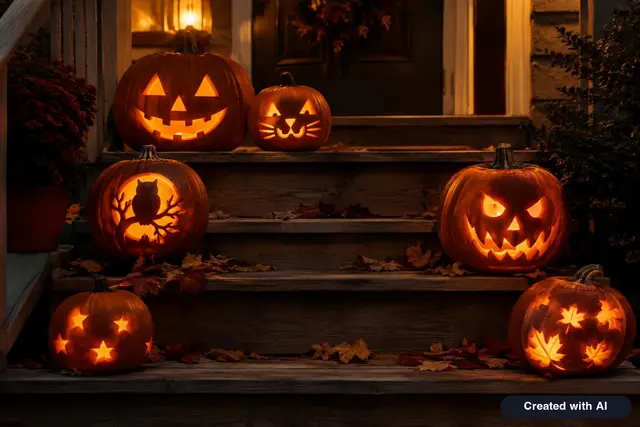 Pumpkin CarvingCarve pumpkins two to four days before Halloween with a small serrated saw, light them with LEDs and seal the cuts to slow rot.
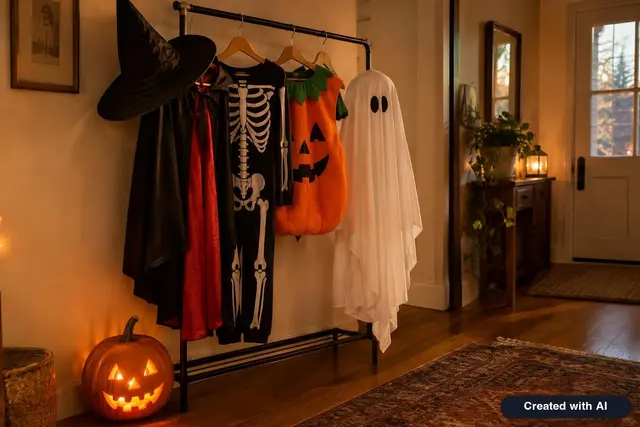 Costume ideasThe best costume is recognizable in two seconds and comfortable for hours: a base outfit, one signature piece and makeup or a prop.
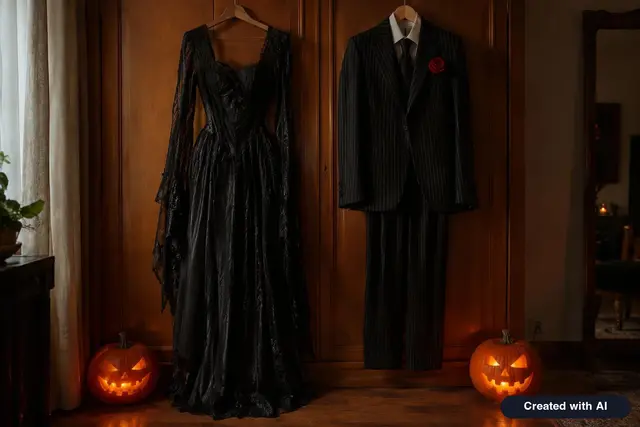 Couples costumesA good couples costume reads instantly as a pair, but each half still works alone. Pick one shared detail and one easy role.
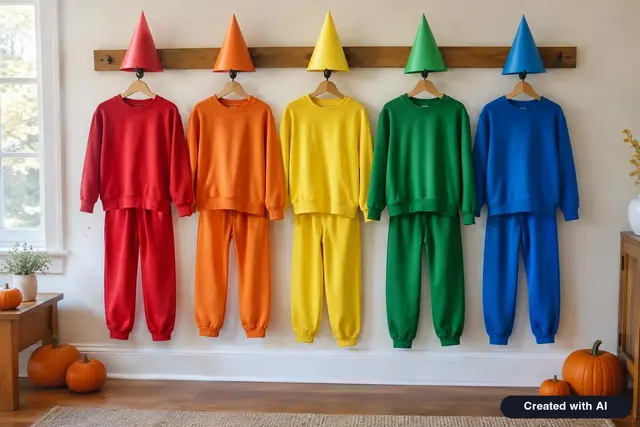 Group costumesPick a theme everyone knows with a flexible head count, set a budget early, and give each person a role that still works alone.
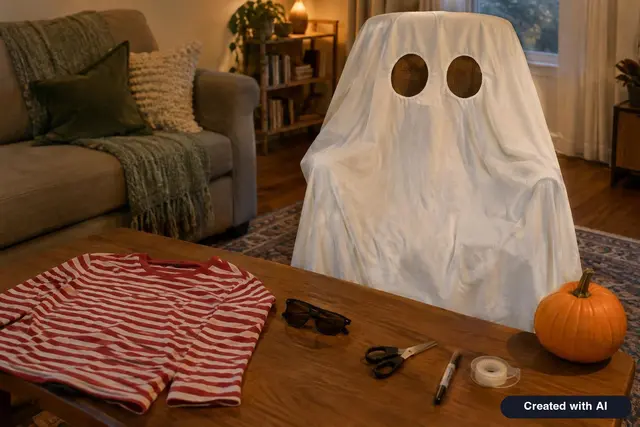 Last-minute costumesA last-minute costume needs one garment you own, one cheap prop and about 15 minutes. Start with what is already in your closet.
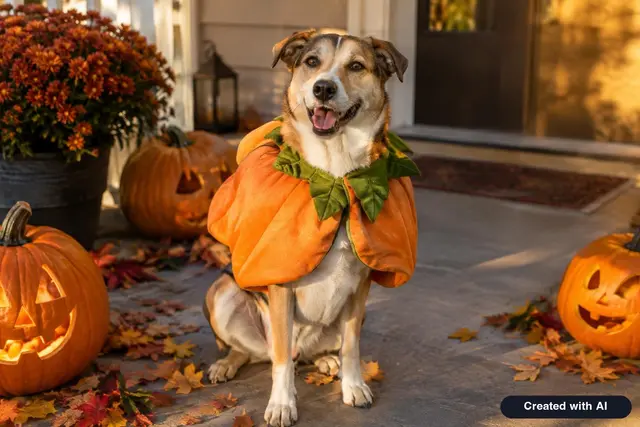 Dog costumesChoose a light costume that leaves your dog's head, neck and legs free, rehearse it first, and switch to a bandana if your dog objects.
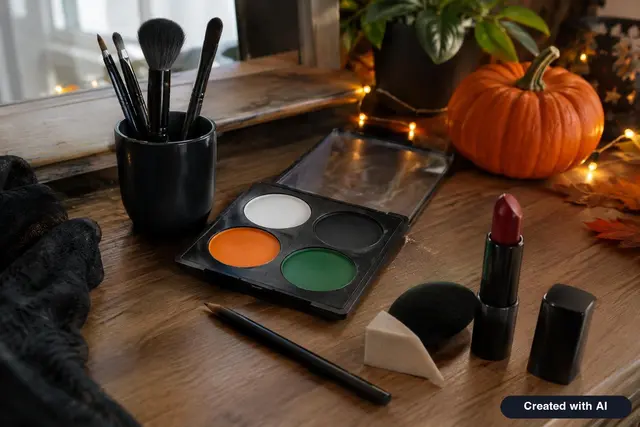 Makeup ideasBlack eyeliner, eyeshadow, red lipstick and a pale base are enough for most Halloween looks. Patch-test first and wash it off before bed.
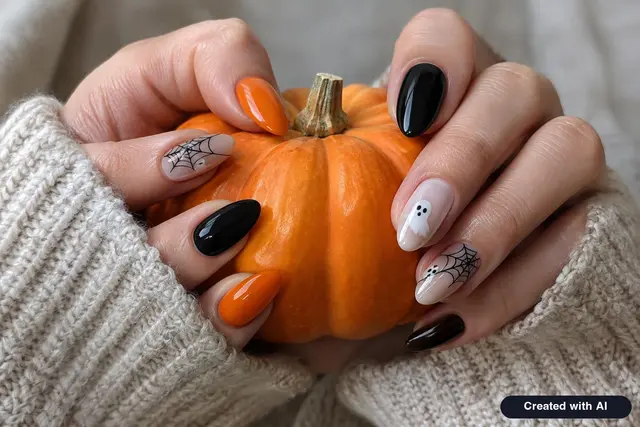 Halloween nailsBlack, orange, oxblood and milky white with one or two accent nails is the easiest Halloween manicure. Press-ons take ten minutes.
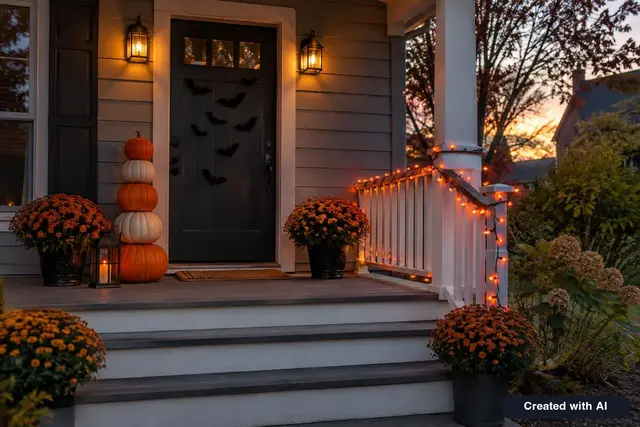 DecorationsPick one theme, decorate the porch, path and one indoor focal point, and light everything with battery candles instead of flames.
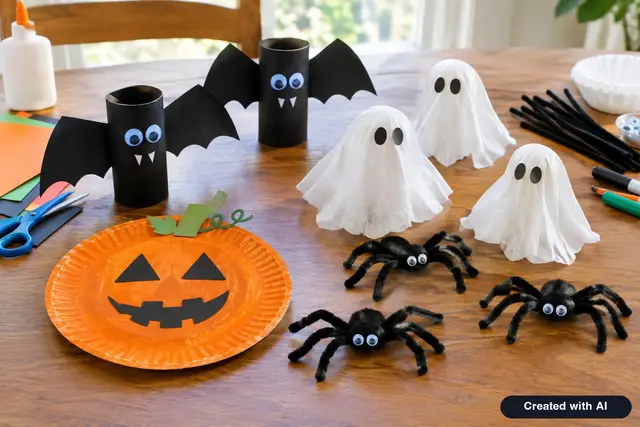 Crafts for KidsThirty Halloween crafts for ages 1 to 12, made from paper plates, jars, cardboard tubes and other household supplies.
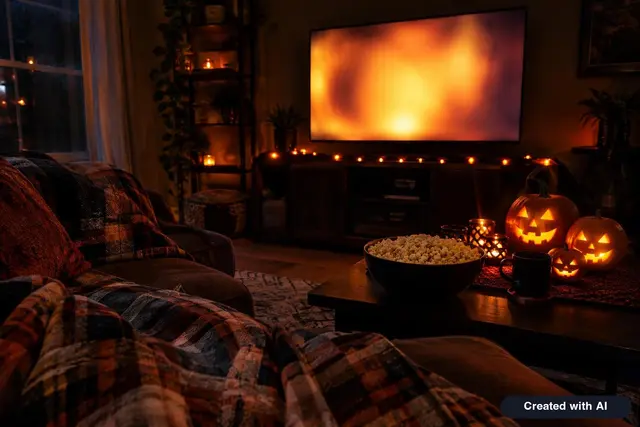 Halloween MoviesOver 120 Halloween movies sorted by audience, with rating, runtime and US streaming service checked October 13, 2026, plus six marathon plans.
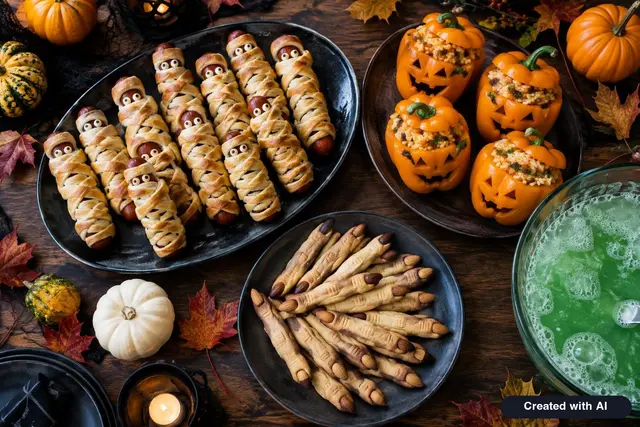 Food Ideas48 Halloween food ideas by course, 5 full recipes with US and metric measures, a make-ahead schedule and buffet food-safety rules.
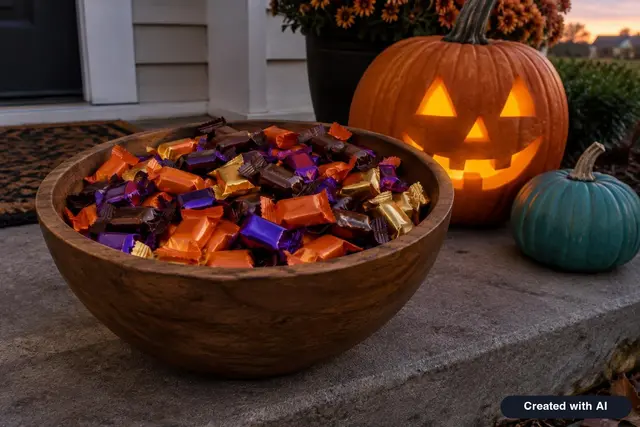 Halloween CandyChocolate leads Halloween candy; Reese's is the top seller. Buy 2–3 pieces per trick-or-treater plus 20% and keep non-food treats for allergic kids.
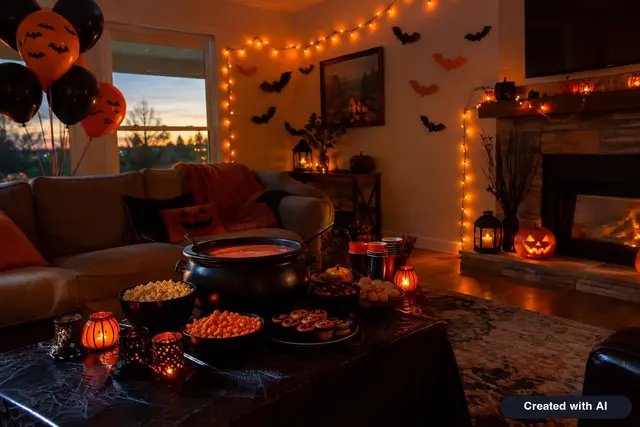 Party Ideas & GamesPlan a Halloween party step by step: checklist, 20 themes, invitation wording, 36 games with rules, food, a three-part playlist and three budgets.
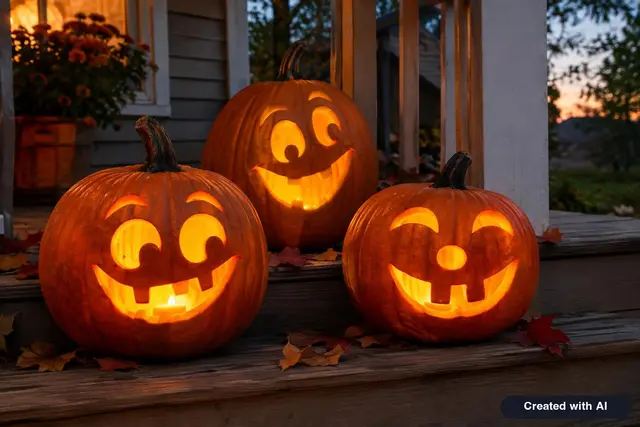 Halloween Jokes170 clean Halloween jokes sorted for kids, classrooms, puns, knock-knocks, dad jokes, work and adults, with tips for telling them.
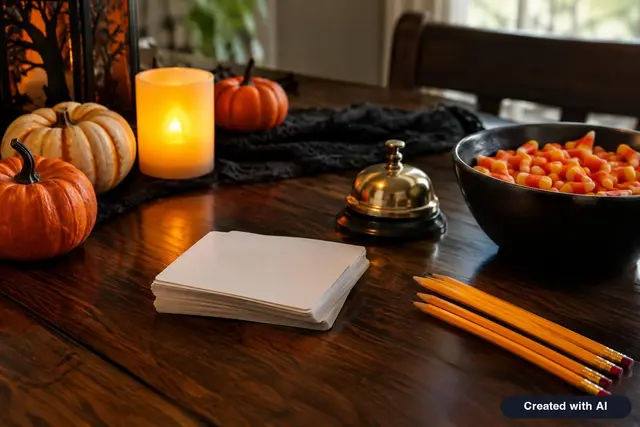 Halloween Trivia100 Halloween trivia questions with answers in seven rounds with answer keys, a copyable answer sheet and a plan for hosting a trivia night.
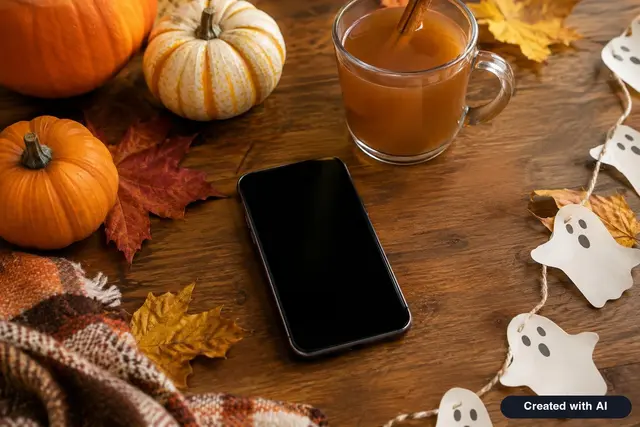 Halloween Captions242 Halloween captions sorted by photo type, with fill-in-the-blank templates and tips for writing your own.
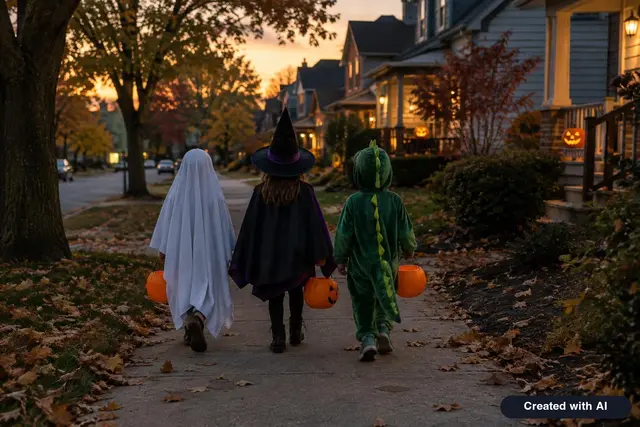 Trick-or-TreatingTrick-or-treating usually runs from about sunset to 8 or 9 p.m.; 6–8 p.m. is the most common official window. Some towns go on Oct. 29, not Oct. 31.
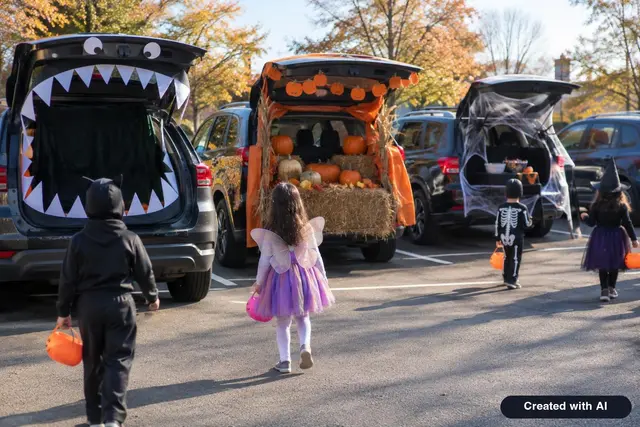 Trunk-or-Treat IdeasA trunk-or-treat is trick-or-treating from decorated car trunks in one closed lot. Here are 55 themes with materials, games, a timeline and safety rules.
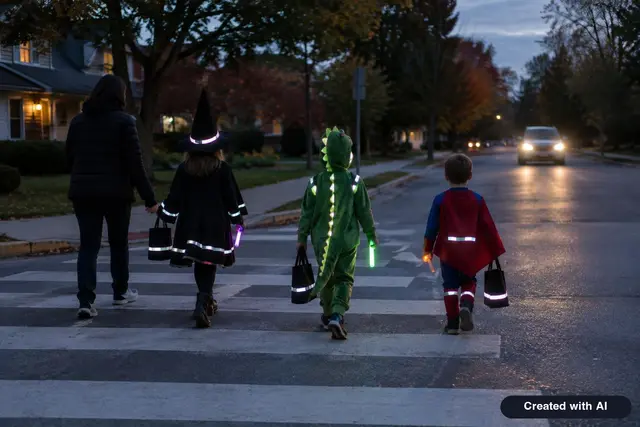 Safety TipsTraffic is the top Halloween danger. Key tips on street safety, costumes, candy checks, pets, driving and fire from NHTSA, FDA, CPSC, NFPA and ASPCA.
Sources
- Encyclopaedia Britannica: Halloween
- National Retail Federation: 2026 Halloween consumer survey (September 22, 2026)
- National Retail Federation: Halloween data and trends
- NIST: Daylight saving time rules
- U.S. Consumer Product Safety Commission: Halloween safety tips and injury estimates
- Safe Kids Worldwide: Halloween safety
- FARE: Teal Pumpkin Project
Log in to comment
No comments yet. Be the first.